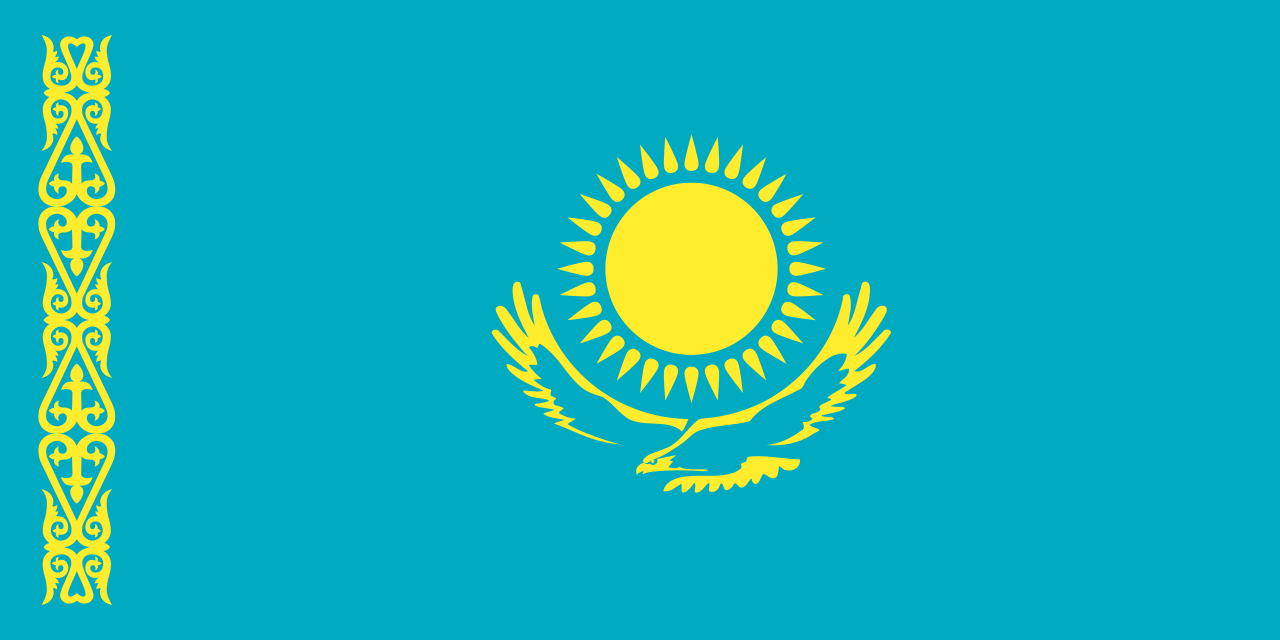
كازاخستان
Also known as Republic of Kazakhstan, kz, Qazaqstan, Republic of Qazaqstan
دولة في آسيا الوسطى
AI overview
Kazakhstan is a large landlocked country in Central Asia that borders Russia, China, and several other nations, with its capital in Astana and major economic center in Almaty. It matters as a significant regional player in Central Asia, positioned between major powers and serving as an important hub for trade and resources in the region.
AI-generated from the Wikipedia summary — may contain errors.
Weather now
cached 3h ago27°scattered clouds
32% 2.5 m/s OpenWeatherMap
7-day forecast
via Open-Meteo
Country
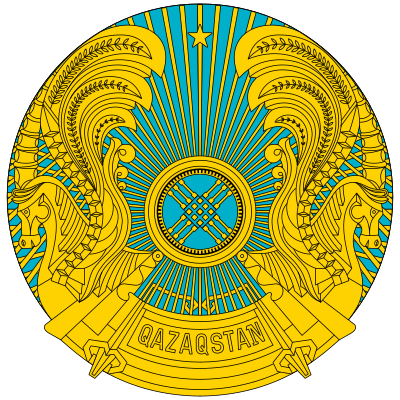
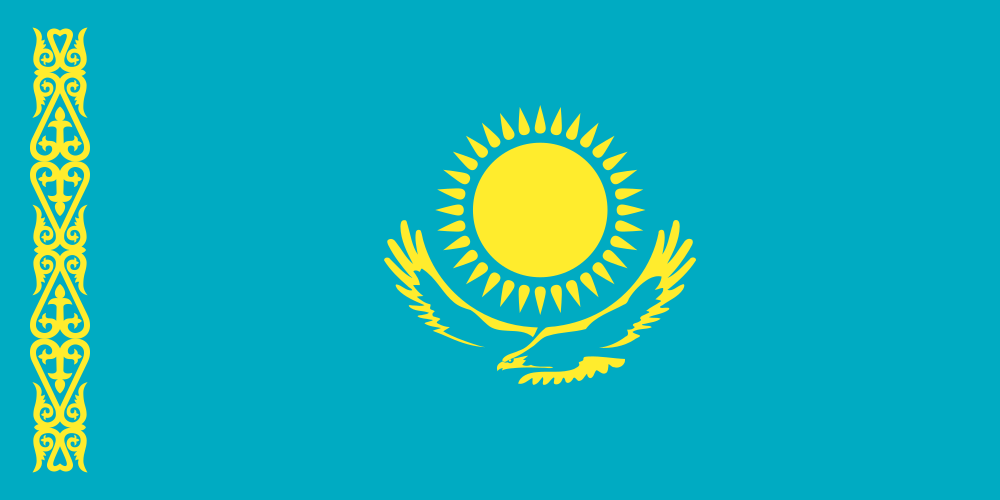
- Capital
- Astana
- Population
- 20,426,568
- Region
Travel guide
Get in
Entering Kazakhstan is no longer the hassle it used to be. The Kazakh government is keen on opening up Kazakhstan to the rest of the world, and most people can enter the country without a visa.
Get around
thumbnail|Road sign pointing to Uzbek Khan's grave near [[Aktau]] You can travel within the country using taxis, buses, trains and planes, it depends on your budget and demands.
See
As the Kazakhs were traditionally nomads who lived on horseback, Kazakhstan for the most part lacks the monumental Islamic architecture of neighboring Uzbekistan. However, Kazakhstan makes up for this with its wealth of natural beauty, which can be seen in the wide open spaces between its cities.
Visitors wanting to experience the traditional Kazakh nomadic lifestyle will likely be disappointed. Under Stalin's collectivization policy during the period of Soviet rule, the Kazakhs were forced to sedentarize and become farmers, all but wiping out the nomadic tradition within the borders of modern Kazakhstan. There are opportunities for tourists to stay in Kazakh yurts, but these were re-created in the post-Soviet era as tourist attractions, and are not an authentic part of the daily lives of regular Kazakh people. Nevertheless, traditional Kazakh clothing still reflects that nomadic heritage and traditional life on horseback, the horse remains an important part of Kazakh culture, which visitors can see on display in its full glory during major traditional festivals. Perhaps ironically, the traditional Kazakh nomadic lifestyle is better preserved among the ethnic Kazakh minorities in Western Mongolia and China's Xinjiang province than in Kazakhstan, making those better destinations if that is what you are looking to experience.
Various tour companies operate in Almaty and Astana year-round, shuttling tourists to nature and scenic destinations outside of urban centres. These co…
Do
Many attractions in Kazakhstan are closed on Monday as a "sanitary day", so that uninterrupted cleaning and maintenance can occur. Saunas: Because of its cold and windy weather, visiting saunas with friends is very popular in Kazakhstan. Saunas (Russian banyas or Finnish steam rooms) are an excellent place to discuss business issues or just socialize with friends. Having parties (birthdays, New Year, etc.) in saunas is a normal practice. In fact many modern sauna complexes in Almaty and Astana are usually fully equipped with karaoke, billiards, swimming pools, relax rooms, massage rooms, etc. Some saunas are a cover for sex services, and many will include a "happy end" option when taking a massage. Football: Kazakhstan is about as central in Asia as you can get, but does have some territory west of the Ural River (considered to be the continental border between Europe and Asia) and chooses to affiliate to UEFA. That means its national and leading club soccer teams are often involved in tournaments with better-known western teams, involving a very long journey. The domestic playing season is March-Nov to escape the rigours of the steppes winter. The men's national team usually play in Astana. The domestic top tier is the Premier League with 14 clubs, two in Astana and one in Almaty.
Article · العربية
كازاخستان أو كَزَخِسْتَان، رسميًا جمهورية كازاخستان (بالقازاقية: Қазақстан Республикасы)، (بالروسية: Республика Казахстан)، ريسبوبليكا كازاخستان، هي أكبر دولة غير ساحلية في العالم، وتاسع أكبر دولة في العالم من حيث المساحة، إذ تبلغ مساحتها 2,724,900 كيلومتر مربع (1,052,100 ميل2). وهي دولة تقع في أوراسيا أي بين أوروبا وآسيا، لكن معظم الأجزاء الغربية منها تقع في أوروبا. كازاخستان هي الدولة الأقوى في آسيا الوسطى اقتصاديًا، حيث يبلغ ناتجها المحلي الإجمالي 60٪ من الناتج المحلي الإجمالي للمنطقة، وذلك بصورة أساسية بسبب صناعة النفط والغاز لديها. كما أن لديها موارد معدنية وافرة. كازاخستان هي جمهورية ديمقراطية وعلمانية ودستورية لها تراث ثقافي متنوع. تشترك كازاخستان في حدودها مع روسيا والصين وقيرغيزستان وأوزبكستان وتركمانستان، كما تجاور جزءًا كبيرًا من بحر قزوين. تشمل تضاريس كازاخستان الأراضي المسطحة والسهوب والتايغا والأخاديد الصخرية والتلال والدلتا والجبال المغطاة بالثلوج والصحاري. يعيش في كازاخستان حوالي 18.3 مليون شخص اعتبارًا من 2018. بالنظر إلى مساحة الأرض الكبيرة، فإن الكثافة السكانية لها هي من بين الكثافات الأقل عالميا، حيث تقل عن 6 أشخاص لكل كيلومتر مربع. العاصمة هي نور سلطان (حتى عام 2019 كان اسمها أستانا، وأعيد الإسم في 2022)، حيث تم جعلها العاصمة في عام 1997 بدلا من ألماتي، أكبر مدينة في البلاد. تاريخيا كانت أراضي كازاخستان مأهولة بمجموعات وإمبراطوريات بدوية. في العصور القديمة، سكن السكوثيون تلك الأراضي وتوسعت الإمبراطورية الأخمينية الفارسية نحو الإقليم الجنوبي من البلاد (بحدودها الحالية). كان الرحل الأتراك الذين ينتمون إلى العديد من السلالات التركية، مثل خانية غوك تورك، وما إلى ذلك، يسكنون البلاد طوال تاريخ البلاد. في القرن الثالث عشر، انضمت المنطقة إلى الإمبراطورية المنغولية تحت حكم جنكيز خان. بحلول القرن السادس عشر، ظهر الكازاخ كمجموعة متميزة، مقسمة إلى ثلاثة أجزاء (سلالات تحتل مناطق محددة). بدأ الروس في التقدم إلى السباسب الكازاخستانية في القرن الثامن عشر، وبحلول منتصف القرن التاسع عشر، حكموا اسميا كل كازاخستان كجزء من الإمبراطورية الروسية. في أعقاب الثورة الروسية عام 1917، والحرب الأهلية اللاحقة، أعيد تنظيم أراضي كازاخستان عدة مرات. في عام 1936، أصبحت جمهورية كازاخستان السوفيتية الاشتراكية جزءا من الاتحاد السوفيتي. كانت كازاخستان آخر الجمهوريات السوفيتية التي أعلنت استقلالها أثناء تفكك الاتحاد السوفيتي عام 1991. وقد وصف نور سلطان نزارباييف، أول رئيس لكازاخستان، بأنه سلطوي، واتهمت حكومته بالعديد من انتهاكات حقوق الإنسان، بما في ذلك قمع المعارضة والرقابة على وسائل الإعلام. استقال نزارباييف في مارس 2019، مع تولي رئيس مجلس الشيوخ قاسم-جومارت توكاييف منصب الرئيس المؤقت. عملت كازاخستان على تطوير اقتصادها، وخاصة صناعة الهيدروكربونات. تقول هيومن رايتس ووتش إن «كازاخستان تقيد بشدة حرية التجمع والتعبير والدين»، وتصف منظمات حقوق الإنسان الأخرى بانتظام وضع حقوق الإنسان في كازاخستان بأنه سيء. يوجد 131 عرقًا في كازاخستان تشمل الكازاخ (63٪ من السكان) والروس والأوزبك والأوكرانيين والألمان والتتار والأويغور. الإسلام هو دين حوالي 70 ٪ من السكان، مع ممارسة نحو 26% من السكان المسيحية. تسمح كازاخستان رسميًا بحرية الدين، لكن مع ذلك يتم قمع الزعماء الدينيين الذين يعارضون الحكومة. اللغة القازاقية هي اللغة الرسمية، والروسية لها وضع رسمي أيضا لجميع الأغراض الإدارية والمؤسسية. كازاخستان عضو في الأمم المتحدة، منظمة الدول التركية، منظمة التجارة العالمية، رابطة الدول المستقلة، منظمة شنغهاي للتعاون (SCO)، الاتحاد الاقتصادي الأوروآسيوي، منظمة معاهدة الأمن الجماعي، منظمة الأمن والتعاون في أوروبا، منظمة التعاون الإسلامي، والمنظمة الدولية للثقافة التركية.
Gallery (59)
On the map
12 mapped locations
Connections
Categories
1991 establishments in Asia1991 establishments in EuropeAuthoritarian statesCountries and territories where Russian is an official languageCountries in AsiaCountries in Central AsiaCountries in EuropeEurasian SteppeFree-content attributionFree content from UNESCO PublishingKazakhstanLandlocked countries