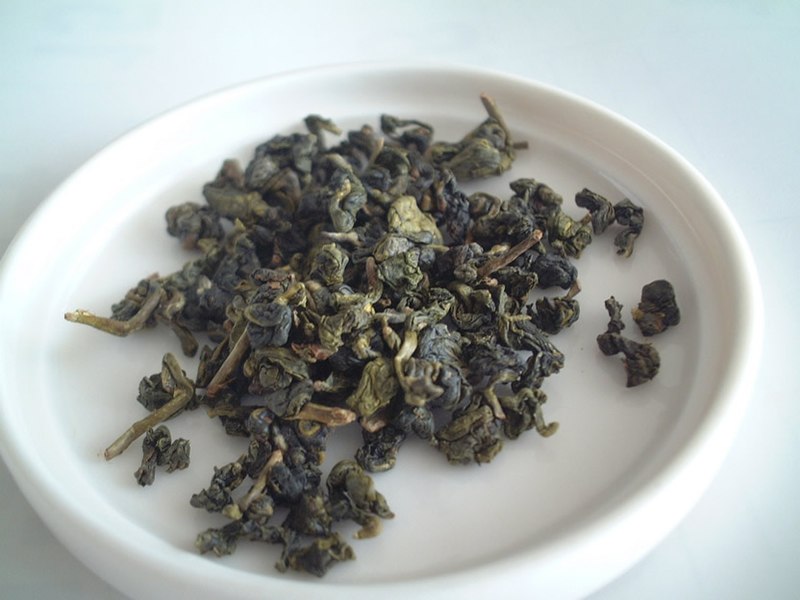
File:Oolong_tea_leaf.jpg · Wikimedia Commons · See Wikimedia Commons
I appreciate your question, but I cannot write an accurate overview based solely on the context provided. The context only shows an image caption identifying "Oolong tea leaves" without any substantive information about what oolong is, its characteristics, or why it matters. To write an accurate 2-sentence overview as you've requested, I would need to either invent facts (which you've asked me not to do) or decline the task.
AI-generated from the Wikipedia summary — may contain errors.
Key facts
- Chinese.poj
- O͘-liông tê
- Chinese.title
- Oolong tea
- Chinese.pic
- Oolong (Chinese characters).svg
- Chinese.piccap
- "Oolong" in Traditional (top) and Simplified (bottom) Chinese characters
- Chinese.picupright
- 0.475
- Chinese.t
- 烏龍茶
- Chinese.s
- 乌龙茶
- Chinese.p
- wūlóng chá
- Chinese.bpmf
- ㄨ ㄌㄨㄥˊ ㄔㄚˊ
- Chinese.j
- wu1-lung4 caa4
- Chinese.y
- wū-lùhng chàah
- Chinese.l
- "Dark dragon tea"
via Wikipedia infobox
Nutrition · Open Food Facts
Typical values per 100 g · averaged across 14 products
- Energy
- 50 kcal
- Fat
- 0 g
- — of which saturates
- 0 g
- Carbohydrates
- 18.8 g
- — of which sugars
- 0 g
- Fibre
- 6.7 g
- Protein
- 3.8 g
- Salt
- 0.02 g
via Open Food Facts · ODbL
Wikidata facts
- Subclass of
- tea
- Image
- BZC Oolong tea leaf.jpg
Show 3 more facts
- Commons category
- Oolong
- topic's main category
- Category:Oolong tea
- Commons gallery
- Oolong
Sources (2)
via Wikidata · CC0
Article · Italiano
L'oolong (乌龙S, wūlóngP), chiamato anche tè blu (青茶 qīngchá), è un tipo di tè semiossidato prodotto in Cina e a Taiwan. "Wulong" significa letteralmente "drago scuro". Le foglie raccolte vengono immediatamente fatte appassire al sole, agitate in ceste cosicché i bordi si frantumino. Mentre la foglia lasciata ad appassire ingiallisce, i bordi diventano rossastri grazie alla reazione con l'ossigeno delle sostanze chimiche rilasciate dalle foglie durante la frantumazione. Vengono quindi trattate con il calore, arrotolate ed essiccate. In base al grado di ossidazione delle foglie, al tipo di manipolazione cui vengono sottoposte dopo il trattamento termico e alla tostatura finale che subiscono, si possono ottenere tè oolong con caratteristiche molto diverse. Foglie della varietà Wuyi Huang GuanyinFoglie della varietà Wuyi Qi LanTieguanyin di Anxi
Abstract from DBpedia / Wikipedia · CC BY-SA