政治迫害
Also known as political persecution, repression, repressive, politically repressive
persecution of an individual or group within society for political reasons, for the purpose of restricting or preventing their ability to take part in the political life of a society
AI overview
Political repression is when a government or powerful group punishes people because of their political beliefs or activities, making it harder for them to participate in politics. It matters because it undermines democracy and free society by silencing dissent and preventing people from having a voice in decisions that affect them.
AI-generated from the Wikipedia summary — may contain errors.
Wikidata facts
Show 1 more fact
- Commons category
- Political repression
via Wikidata · CC0
Article · 中文
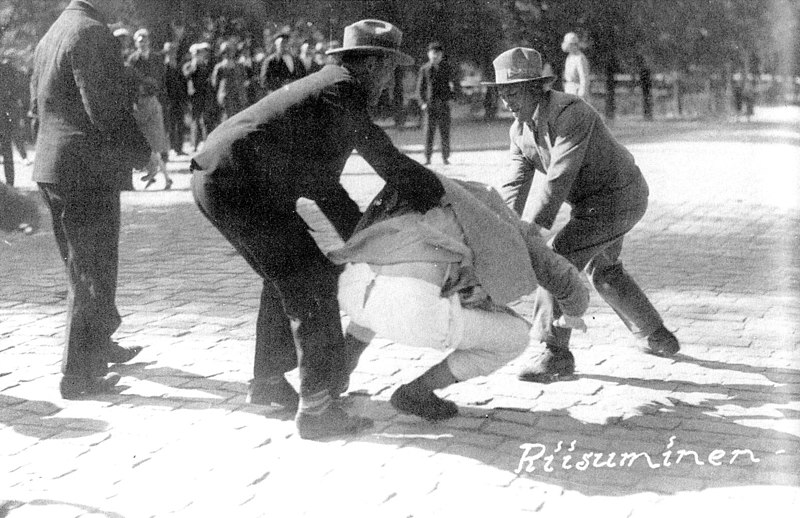
政治迫害,或政治压迫(英语:Political persecution,Political press)是国家实体出于政治原因,特别是为了限制或阻止公民参与社会政治生活的能力,从而降低他们在公民同胞中的地位的目的,对公民进行武力控制的行为。它通常表现为侵犯人权、滥用监督、警察暴力、监禁、非自愿定居、剥夺公民权利、清洗和暴力行动或恐怖,如谋杀、即决处决、酷刑、强迫失踪和对政治活动家、持不同政见者的其他法外惩罚。政治压制也可以通过书面政策之外的手段来加强,例如通过公共和私人媒体的所有权以及公众内部的自我审查。 如果政治镇压是由国家批准和组织的,它可能构成国家恐怖主义、种族灭绝、政治化或危害人类罪。系统性和暴力的政治镇压是独裁、极权国家和类似政权的典型特征。 政治镇压行为可能由秘密警察部队、军队、准军事组织或敢死队实施。在民主背景下也发现了镇压活动(例如反情報計劃)。这甚至可以包括建立以镇压目标的死亡为最终结果的情况。 [7]如果政治镇压不是在国家批准的情况下进行的,政府的一部分可能仍然负有责任。一个例子是1956至1971年间FBI COINTELPRO(反情報計劃)在美国的行动[8][9]。 在(美国)一些州,“镇压”可以是立法或政府机构名称中使用的官方术语。 苏联的法律政策是镇压政治反对派。
Abstract from DBpedia / Wikipedia · CC BY-SA