Category
page 1Autoimmune diseases

vitiligo
Vitiligo ( ) is a chronic autoimmune disorder that causes patches of skin to lose pigment or color. The cause of vitiligo is unknown, but it may be related to immune system changes, genetic factors, stress, or sun exposure, and susceptibility to it may be affected by regional environmental risk factors, especially early in life. Treatment options include topical medications, light therapy, surgery and cosmetics. The condition causes patches of light-peach colored skin that vary in size and can appear anywhere on the body; in particular, nonsegmental vitiligo, the common form, tends to progress

psoriasis
Psoriasis is a long-lasting, noncontagious autoimmune disease characterized by patches of abnormal skin. These areas are red, pink, or purple, dry, itchy, and scaly. Psoriasis varies in severity from small localized patches to complete body coverage. Injury to the skin can trigger psoriatic skin changes at that spot, which is known as the Koebner phenomenon.

celiac disease
long term autoimmune disorder caused by a reaction to gluten

systemic lupus erythematosus
Lupus, formally called systemic lupus erythematosus (SLE), is an autoimmune disease in which the body's immune system mistakenly attacks healthy tissue in many parts of the body. Symptoms vary among people and may be mild to severe. Common symptoms include painful and swollen joints, fever, chest pain, hair loss, mouth ulcers, swollen lymph nodes, feeling tired, and a red rash which is most commonly on the face. Often there are periods of illness, called flares, and periods of remission during which there are few symptoms. Children up to 18 years old develop a more severe form of SLE termed ch

rheumatoid arthritis
autoimmune disease which attacks healthy cells and tissue located in joints

hypothyroidism
Hypothyroidism is an endocrine disease in which the thyroid gland does not produce enough thyroid hormones. It can cause a number of symptoms, such as poor ability to tolerate cold, extreme fatigue, muscle aches, constipation, slow heart rate, depression, and weight gain. Occasionally, there may be swelling of the front part of the neck due to goiter. Untreated cases of hypothyroidism during pregnancy can lead to delays in growth and intellectual development in the baby or congenital iodine deficiency syndrome.

autoimmune disease
disorders of adaptive immune system

Guillain–Barré syndrome
autoimmune disease that causes the immune system to attack part of the peripheral nervous system

myasthenia gravis
human disease
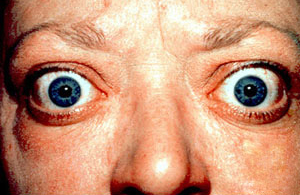
toxic diffuse goiter
endocrine disease

Sjögren's syndrome
hypersensitivity reaction type II disease affecting the exocrine glands

ankylosing spondylitis
type of arthritis in which there is long term inflammation of the joints of the spine

dermatitis

ulcerative colitis
inflammatory bowel disease that causes ulcers in the colon

diabetes insipidus
human disease, a condition characterized by large amounts of dilute urine and increased thirst

chronic thyroiditis
autoimmune disease

Kawasaki disease
human disease in which blood vessels throughout the body become inflamed

scleroderma
Scleroderma is a group of autoimmune diseases that may result in changes to the skin, blood vessels, muscles, and internal organs. The disease can be either localized to the skin or involve other organs as well. Symptoms may include areas of thickened skin, stiffness, feeling tired, and poor blood flow to the fingers or toes with cold exposure. One form of the condition, known as CREST syndrome, classically results in calcium deposits, Raynaud's syndrome, esophageal problems, thickening of the skin of the fingers and toes, and areas of small, dilated blood vessels.

Raynaud syndrome
medical condition in which spasm of arteries cause episodes of reduced blood flow
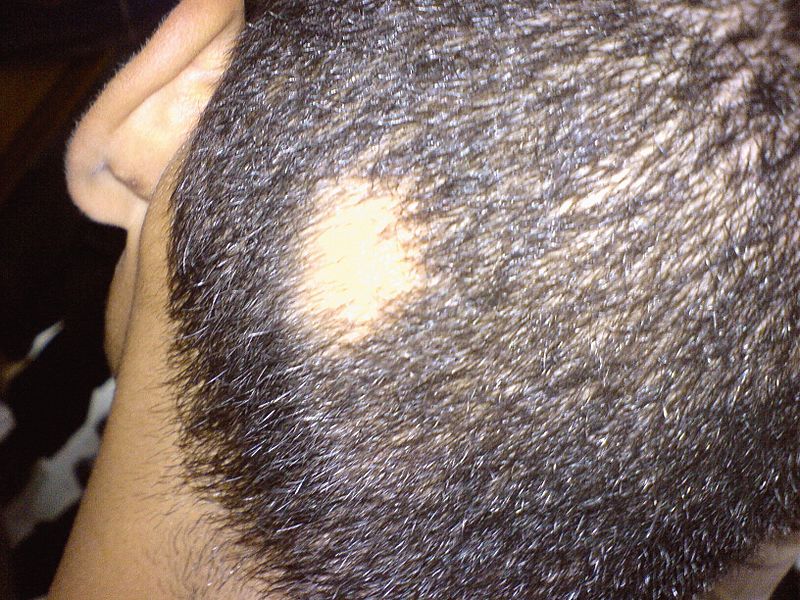
alopecia areata
condition in which hair is lost from some or all areas of the body
type-1 diabetes
autoimmune disease, a form of diabetes mellitus that occurs when insulin-producing cells are destroyed by the immune system
autoimmunity
In immunology, autoimmunity is the system of immune responses of an organism against its own healthy cells, tissues and other normal body constituents. Any disease resulting from this type of immune response is termed an "autoimmune disease". Prominent examples include celiac disease, diabetes mellitus type 1, Henoch–Schönlein purpura, systemic lupus erythematosus, Sjögren syndrome, eosinophilic granulomatosis with polyangiitis, Hashimoto's thyroiditis, Graves' disease, idiopathic thrombocytopenic purpura, Addison's disease, rheumatoid arthritis, ankylosing spondylitis, polymyositis, dermatomy
aplastic anemia
anemia that is characterized by a deficiency of red blood cells, white blood cells and platelets produced by bone marrow
inflammatory bowel diseases
intestinal disease characterized by inflammation located in all parts of digestive tract
psoriatic arthritis
syndrome that occurs in humans with psoriasis who also experience symptoms similar to arthritis
reactive arthritis
arthritis that is an autoimmune disease which develops due to an infection located elsewhere in the body
Goodpasture syndrome
hypersensitivity reaction type II disease that is characterized by glomerulonephritis located in kidney and hemorrhaging located in lung
Behçet's disease
rare immune-mediated small-vessel systemic vasculitis in humans
Henoch-Schoenlein purpura
Human disease

neutropenia
Neutropenia is an abnormally low concentration of neutrophils (a type of white blood cell) in the blood. Neutrophils make up the majority of circulating white blood cells and serve as the primary defense against infections by destroying bacteria, bacterial fragments and immunoglobulin-bound viruses in the blood. People with neutropenia are more susceptible to bacterial infections and, without prompt medical attention, the condition may become life-threatening (neutropenic sepsis).

dermatomyositis
Dermatomyositis (DM) is a long-term inflammatory autoimmune disorder which affects the skin and the muscles. Its symptoms are generally a skin rash and worsening muscle weakness over time. These may occur suddenly or develop over months. Other symptoms may include weight loss, fever, lung inflammation, or light sensitivity. Complications may include calcium deposits in muscles or skin.
granulomatosis with polyangiitis
wegner granulomatosis

pemphigus
thumb|Pemphigus, from 1886 medical book
thumb|200px|Microscopic image of direct immunofluorescence using an anti-IgG antibody. The tissue is skin from a patient with Pemphigus vulgaris. Note the intercellular IgG deposits in the epidermis and the early intraepidermal vesicle caused by acantholysis.
primary sclerosing cholangitis
sclerosing cholangitis characterized by fibroobliterative inflammation of the biliary tract, leading to cirrhosis and portal hypertension
IgA glomerulonephritis
disease of the kidney
antiphospholipid syndrome
human disease
optic neuritis
optic nerve disease that results in inflammation located in optic nerve which may cause a complete or partial loss of vision
neuromyelitis optica
inflammatory demyelinating diseases of the central nervous system characterized mainly by attacks of uni- or bilateral optic neuritis and acute myelitis
Churg-Strauss syndrome
a systemic vasculitis realized as blood vessel inflammation, with symptoms asthma along with hay fever, rash and gastrointestinal bleeding
erythema nodosum
skin disease
transverse myelitis
an inflammatory demyelinating disorder of the spinal cord, either idiopathic or secondary to a known cause
autoantibody
An autoantibody is an antibody (a type of protein) produced by the immune system that is directed against one or more of the individual's own proteins. Many autoimmune diseases (notably lupus erythematosus) are associated with such antibodies.
Lambert-Eaton myasthenic syndrome
an autoimmune, presynaptic disorder of neuromuscular transmission characterized by fluctuating muscle weakness and autonomic dysfunction frequently associated with small-cell lung cancer (SCLC)
lichen planus
chronic disease of skin, tongue or oral mucosa
thrombotic thrombocytopenic purpura
human disease
primary biliary cholangitis
liver cirrhosis characterized by chronic and slow progressive destruction of intrahepatic bile ducts

proctitis
Proctitis or anusitis is an inflammation of the anus and the lining of the rectum, affecting only the last 6 inches of the rectum.
acute disseminated encephalomyelitis
encephalomyelitis characterized by inflammation located in brain and located in spinal cord that damages myelin
systemic scleroderma
scleroderma that is characterized by fibrosis (or hardening) of the skin and major organs, as well as vascular alterations, and autoantibodies
Latent autoimmune diabetes
medical condition
postorgasmic illness syndrome
human disease
pulmonary alveolar proteinosis
lung disease that is characterized by abnormal accumulation of surfactant occurs within the alveoli, interfering with gas exchange

microchimerism
right|thumb|220px|During pregnancy, a two-way traffic of immune cells may occur through the placenta. Exchanged cells can multiply and establish long-lasting cell lines that are immunologically active even decades after giving birth.
Microchimerism is the presence of a small number of cells in an individual that have originated from another individual and are therefore genetically distinct. This phenomenon may be related to certain types of autoimmune diseases although the responsible mechanisms are unclear. The term comes from the prefix "micro" + "chimerism" based on the hybrid Chimera of G
relapsing polychondritis
human disease
atrophic gastritis
human disease
discoid lupus erythematosus
autoimmune skin condition
CREST syndrome
syndrome characterized by calcinosis, Raynaud's phenomenon, esophageal dysmotility, sclerodactyly and telangiectasia
Graves' ophthalmopathy
thyroid eye disease often associated with Graves' disease
chronic inflammatory demyelinating polyradiculoneuropathy
acquired immune-mediated inflammatory disorder of the peripheral nervous system
autoimmune hemolytic anemia
autoimmune disease of blood that is characterized by deficient red blood cells caused by auto-antibodies.