Category
page 1B vitamins

riboflavin
Riboflavin, also known as vitamin B2, is a vitamin found in food and sold as a dietary supplement. It is essential to the formation of two major coenzymes, flavin mononucleotide and flavin adenine dinucleotide. These coenzymes are involved in energy metabolism, cellular respiration, and antibody production, as well as normal growth and development. The coenzymes are also required for the metabolism of niacin, vitamin B6, and folate. Riboflavin is prescribed to treat corneal thinning, and taken orally, may reduce the incidence of migraine headaches in adults.

thiamine(1+) ion
Thiamine, also known as thiamin and vitamin B1, is a vitamin – an essential micronutrient for humans and animals. It is found in food and commercially synthesized to be a dietary supplement or medication. Phosphorylated forms of thiamine are required for some metabolic reactions, including the breakdown of glucose and amino acids.

folic acid
Folate, also known as vitamin B9 and folacin, is one of the B vitamins. Manufactured folic acid, which is converted into folate by the body, is used as a dietary supplement and in food fortification as it is more stable during processing and storage. Folate is required for the body to make DNA and RNA and metabolise amino acids necessary for cell division and maturation of blood cells. As the human body cannot make folate, it is required in the diet, making it an essential nutrient. It occurs naturally in many foods. The recommended adult daily intake of folate in the U.S. is 400 micrograms fr

vitamin B12
vitamin involved in the metabolism of every cell

biotin
alt=3D space-filling model of Biotin rotating about an axis (GIF)|thumb|3D space-filling model of biotin rotating about an axis
Biotin (also known as vitamin B7 and Vitamin H) is one of the B vitamins – a group of essential dietary micronutrients. Present in every living cell, it is involved as a cofactor for enzymes in numerous metabolic processes, both in humans and in other organisms, primarily related to the biochemistry of fats, carbohydrates, and amino acids.

vitamin B
group of vitamins

pantothenic acid
chemical compound

vitamin B6
class of chemically related vitamins

pyridoxine
Pyridoxine (PN) is a form of vitamin B6 found commonly in food and used as a dietary supplement. As a supplement it is used to treat and prevent pyridoxine deficiency, sideroblastic anaemia, pyridoxine-dependent epilepsy, certain metabolic disorders, side effects or complications of isoniazid use, and certain types of mushroom poisoning. It is used by mouth or by injection.
vitamin B3
vitamin; class of chemically related vitamers

niacinamide
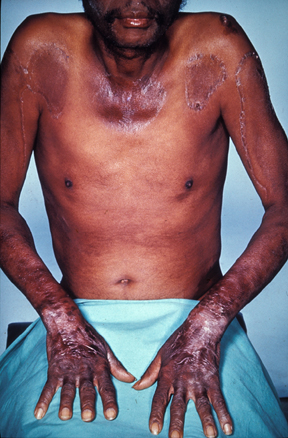
Nicotinamide (INN, BAN ) or niacinamide (USAN ) (IUPAC name: 3-pyridinecarboxoamide) is a form of vitamin B3 found in food and used as a dietary supplement and medication. As a supplement, it is used orally (swallowed by mouth) to prevent and treat pellagra (niacin deficiency). This is not to be confused with Niacin. While both are very similar both have different behaviors on the body. While nicotinic acid (niacin) may be used for this purpose, nicotinamide has the benefit of not causing skin flushing. As a cream, it is used to treat acne, and has been observed in clinical studies to improve
nicotinic acid
chemical compound: acid form of vitamin B3

cyanocobalamin
Cyanocobalamin is a form of vitamin used to treat and prevent vitamin deficiency except in the presence of cyanide toxicity. The deficiency may occur in pernicious anemia, following surgical removal of the stomach, with fish tapeworm, or due to bowel cancer. It is given by mouth, by injection into a muscle, or as a nasal spray.
pyridoxal phosphate
chemical compound

hydroxocobalamin
Hydroxocobalamin, also known as vitamin B12a and hydroxycobalamin, is a vitamin found in food and used as a dietary supplement. As a supplement it is used to treat vitamin B12 deficiency including pernicious anemia. Other uses include treatment for cyanide poisoning, Leber's optic atrophy, and toxic amblyopia. It is given by injection into a muscle or vein, by pill or sublingually.

DL-panthenol
Panthenol (also called pantothenol) is the alcohol analog of pantothenic acid (vitamin B5), and is thus a provitamin of B5. In organisms, it is quickly oxidized to pantothenic acid. It is a viscous transparent liquid at room temperature. Panthenol is used in pharmaceutical and children's products as a moisturizer and to hasten wound healing.

methylcobalamin
Methylcobalamin (mecobalamin, MeCbl, or MeB) is a cobalamin, a form of vitamin B. It differs from cyanocobalamin in that the cyano group at the cobalt is replaced with a methyl group. Methylcobalamin features an octahedral cobalt(III) centre and can be obtained as bright red crystals. From the perspective of coordination chemistry, methylcobalamin is notable as a rare example of a compound that contains metal–alkyl bonds. Nickel–methyl intermediates have been proposed for the final step of methanogenesis.

cobamamide
Adenosylcobalamin (AdoCbl), also known as coenzyme B12, cobamamide, and dibencozide, is one of the biologically active forms of vitamin B12.
class=skin-invert-image|left|thumb|Schematic diagram of the propionate metabolic pathway. Adenosylcobalamin is required as a coenzyme by the methylmalonyl-CoA mutase in order to convert L-methylmalonyl-CoA into succinyl-CoA, otherwise methylmalonic acid accumulates.
Adenosylcobalamin participates as a cofactor in radical-mediated 1,2-carbon skeleton rearrangements. These processes require the formation of the deoxyadenosyl radical through homolytic dissoc
pyridoxamine
Pyridoxamine (PM) is one form of vitamin B6. Chemically it is based on a pyridine ring structure, with hydroxyl, methyl, aminomethyl, and hydroxymethyl substituents. It differs from pyridoxine by the substituent at the 4-position. The hydroxyl at position 3 and aminomethyl group at position 4 of its ring endow pyridoxamine with a variety of chemical properties, including the scavenging of free radical species and carbonyl species formed in sugar and lipid degradation and chelation of metal ions that catalyze Amadori reactions.