Category
page 1Crops originating from the Americas

Carica papaya
The papaya (, ), papaw, () or pawpaw () is the plant species Carica papaya, one of the 21 accepted species in the genus Carica of the family Caricaceae. Papaya is also the name of its fruit. It was first domesticated in Mesoamerica, within modern-day southern Mexico and Central America. It is grown in several countries in regions with a tropical climate. In 2024, India was the leading producer, accounting for 36% of the world total.

tobacco
thumb|Tobacco drying kiln in Myrtleford|Myrtleford, Victoria, Australia, 2018. This kiln was built in 1957, and moved to Rotary Park in 2000. Kilns of this design were built from the early 1930s through to the late 1960s.
thumb |Basma tobacco leaves drying in the sun at Pomak village in [[Xanthi, Greece]]

Ananas comosus
The pineapple (Ananas comosus) is a tropical plant with an edible fruit; it is the most economically significant plant in the family Bromeliaceae.
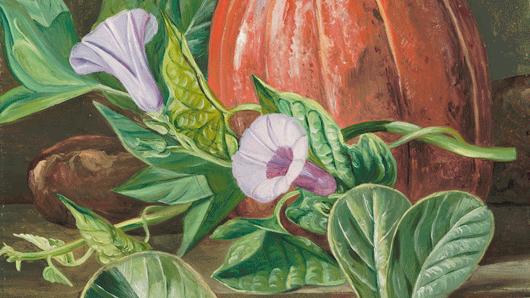
sweet potato
species of plant

Aguacate
The avocado, alligator pear or avocado pear (Persea americana) is an evergreen tree in the laurel family (Lauraceae). It is native to the Americas, with archaeological evidence of early human avocado use dating back thousands of years across various regions of Central and South America. It was prized for its large and unusually oily fruit. The native range of avocado (Persea americana) extends from Mexico to Peru, encompassing much of Central America and parts of northern and western South America.

chili pepper
fruit of plants from the genus Capsicum, members of the nightshade family, Solanaceae

Phaseolus vulgaris
species of plant
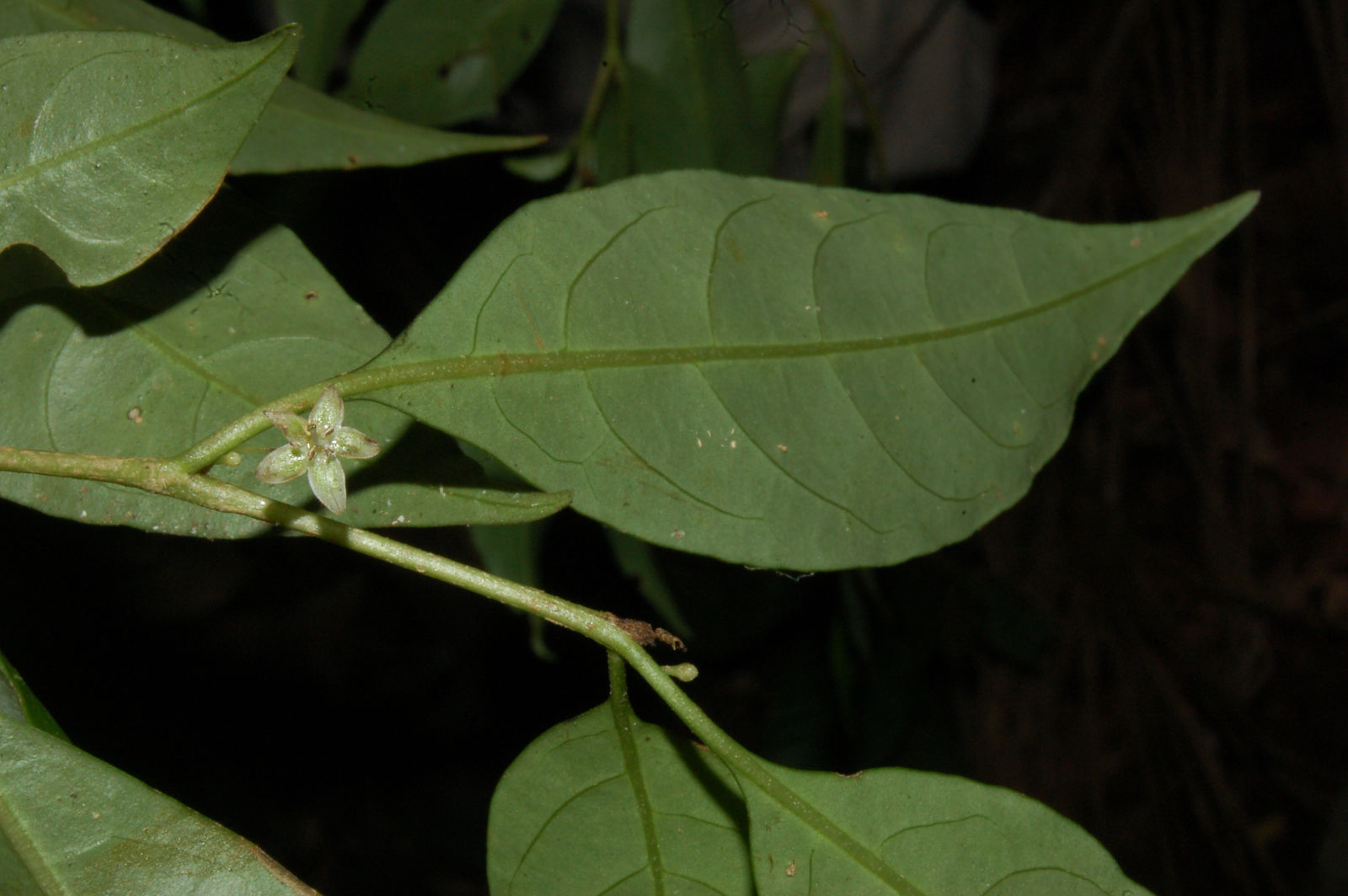
Capsicum
Capsicum () is a genus of flowering plants in the nightshade family Solanaceae, native to the Americas, cultivated worldwide for their edible fruit, which are generally known as "peppers" or "capsicum". Chili peppers grow on five species of Capsicum. Sweet or bell peppers and some chili peppers are Capsicum annuum, making it the most cultivated species in the genus.

popcorn
Popcorn (also called popped corn, popcorns, or pop-corn) is a variety of corn kernel which expands and puffs up when heated. The term also refers to the snack food produced by the expansion. It is one of the oldest snacks, with evidence of popcorn dating back thousands of years in the Americas. It is commonly eaten salted, buttered, sweetened, or with artificial flavorings.

Agave
Agave (; ; ) is a genus of monocots native to the arid regions of the Americas. The genus is primarily known for its succulent and xerophytic species that typically form large rosettes of strong, fleshy leaves.
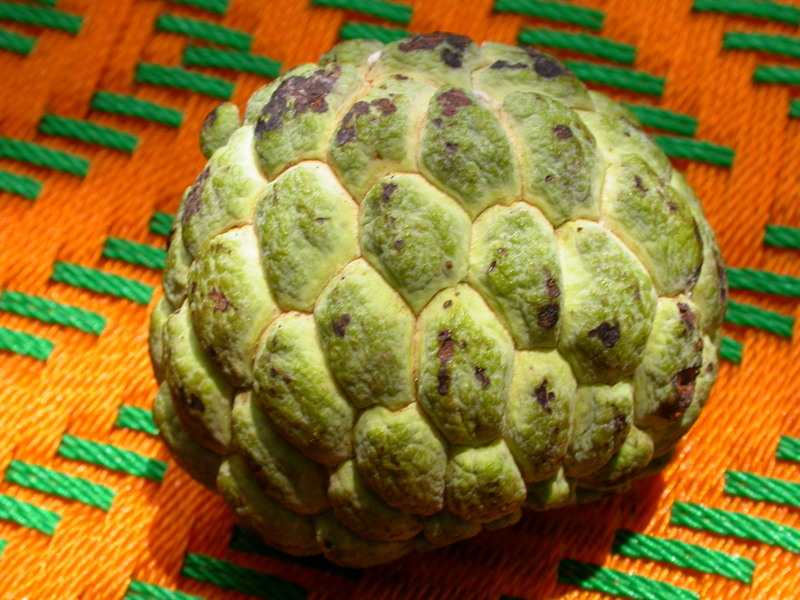
Annona squamosa
species of plant

Ceiba pentandra
species of plant

Sicyos edulis
Chayote (; previously placed in the obsolete genus Sechium, now in the genus Sicyos, as Sicyos edulis), also known as christophine, mirliton, güisquil, and choko, is an edible plant belonging to the gourd family, Cucurbitaceae. This fruit was first cultivated in Mesoamerica between southern Mexico and Honduras, with the most genetic diversity available in both Mexico and Guatemala. It is one among dozens of foods introduced to the Old World during the Columbian Exchange. At that time, the plant spread to other parts of the Americas, ultimately causing it to be integrated into the cuisine of ma
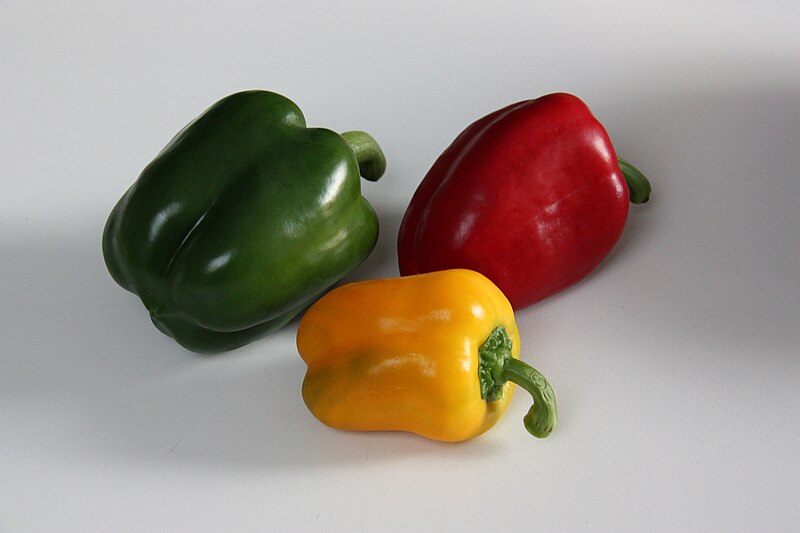
bell pepper
group of fruits of Capsicum annuum

Bixa orellana
species of South American plant

Opuntia ficus-indica
species of plant

Erythroxylum coca
species of plant, coca

guarana plant
Guaraná ( from the Portuguese guaraná ; Paullinia cupana, syns. P. crysan, P. sorbilis) is a climbing plant in the family Sapindaceae, native to the Amazon basin and especially common in Brazil. Guaraná has large leaves and clusters of flowers, and is best known for the seeds from its beans, which are about the size of a coffee bean.
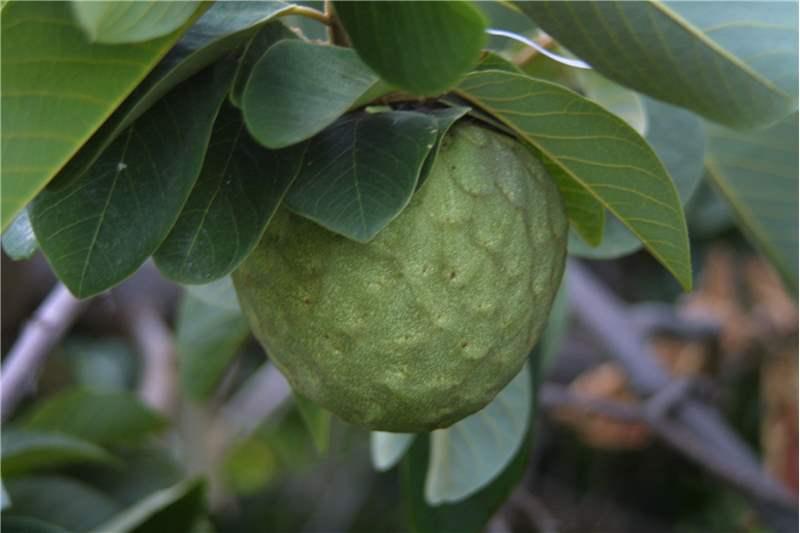
Annona cherimola
The cherimoya (Annona cherimola), also spelled cherimoyer and chirimoya, and called chirimuya by the Quechua people, is a species of edible fruit-bearing plant in the genus Annona, within the family Annonaceae, which also includes the closely related sweetsop and soursop. Native to mountainous regions of Honduras and Guatemala, the plant has a long history of cultivation in the Andes and Central America

yerba mate
species of plant
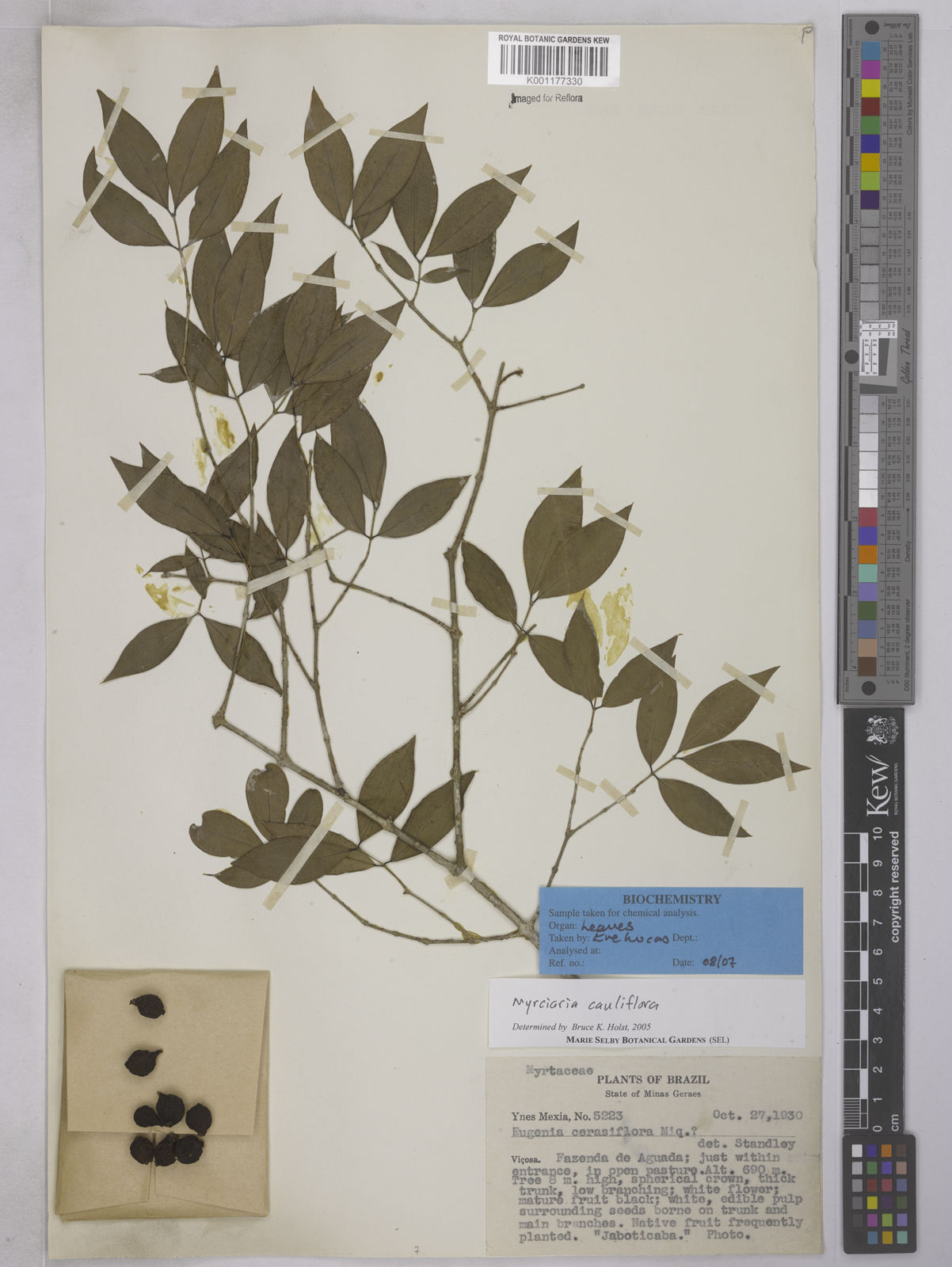
Plinia cauliflora
A jaboticaba () or jabuticaba () is a round, edible fruit produced by a jaboticaba tree (Plinia cauliflora), also known as Brazilian grapetree. The purplish-black, white-pulped fruit grows directly on the trunk of the tree, making it an example of 'cauliflory'. It is eaten raw or used to make jellies, jams, juice or wine. The tree, of the family Myrtaceae, is native to the states of Rio de Janeiro, Minas Gerais, Goiás and São Paulo in Brazil. Related species in the genus Myrciaria, often referred to by the same common names, are native to Brazil, Argentina, Paraguay, Peru and Bolivia.
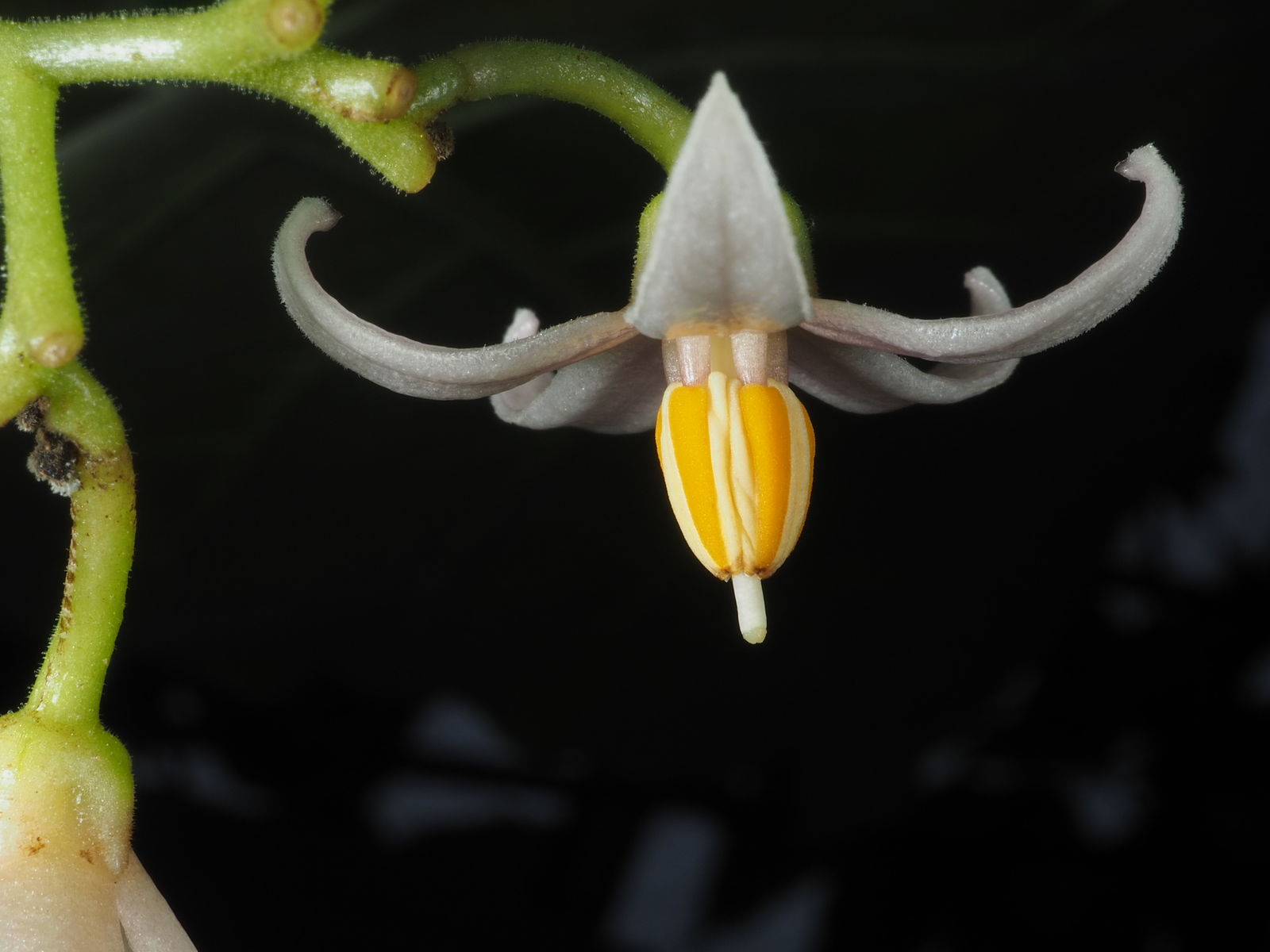
Solanum betaceum
The tamarillo (Solanum betaceum) is a tree or shrub in the flowering plant family Solanaceae (the nightshade family). It bears an egg-shaped edible fruit. It is common globally, especially in its native South America (as the Quechuan in Peru, Colombia, and Ecuador, or as tomate andino in other Andean countries), and has been introduced in New Zealand, Nepal, Rwanda, Burundi, the Democratic Republic of the Congo, Australia, and Bhutan.

Barbados nut
species of plant
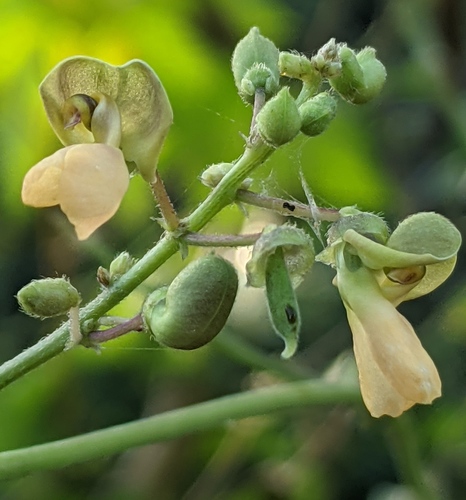
Phaseolus lunatus
species of plant

Pachyrhizus erosus
species of plant

Maranta arundinacea
species of plant

snap bean
species of flowering plant
sunflower seed
fruit of the sunflower (Helianthus annuus)

Pouteria caimito
species of flowering plant
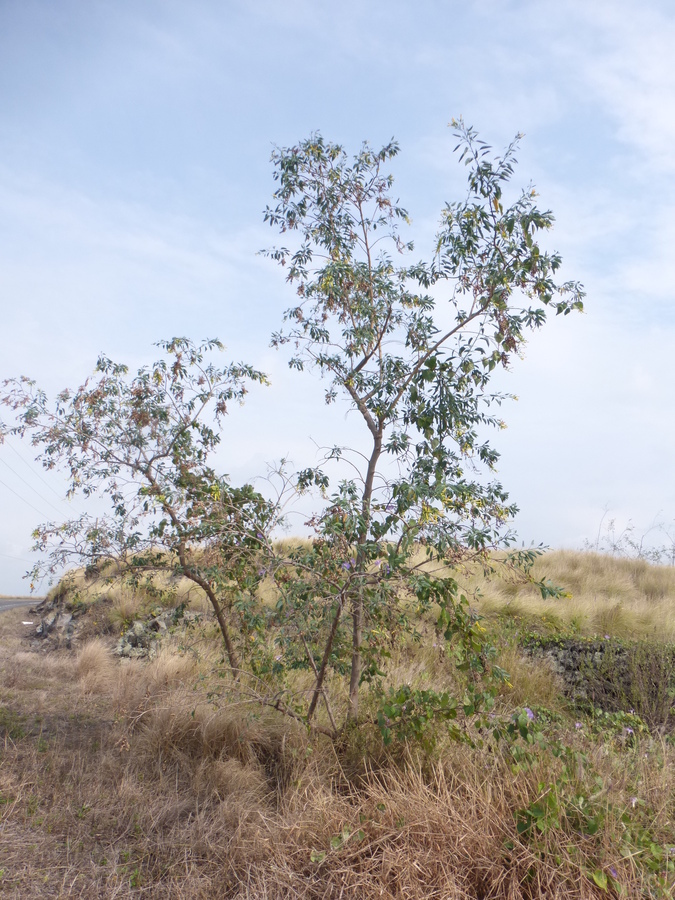
Nicotiana glauca
species of plant

Solanum quitoense
species of plant

tapioca
300px|thumb|Tapioca starch
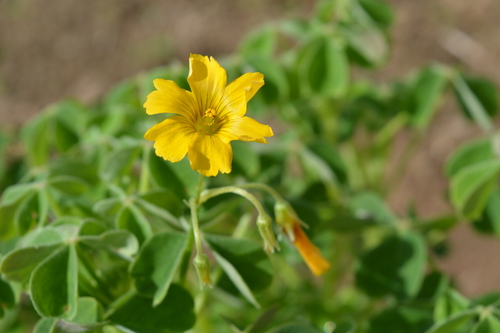
Oxalis tuberosa
species of plant
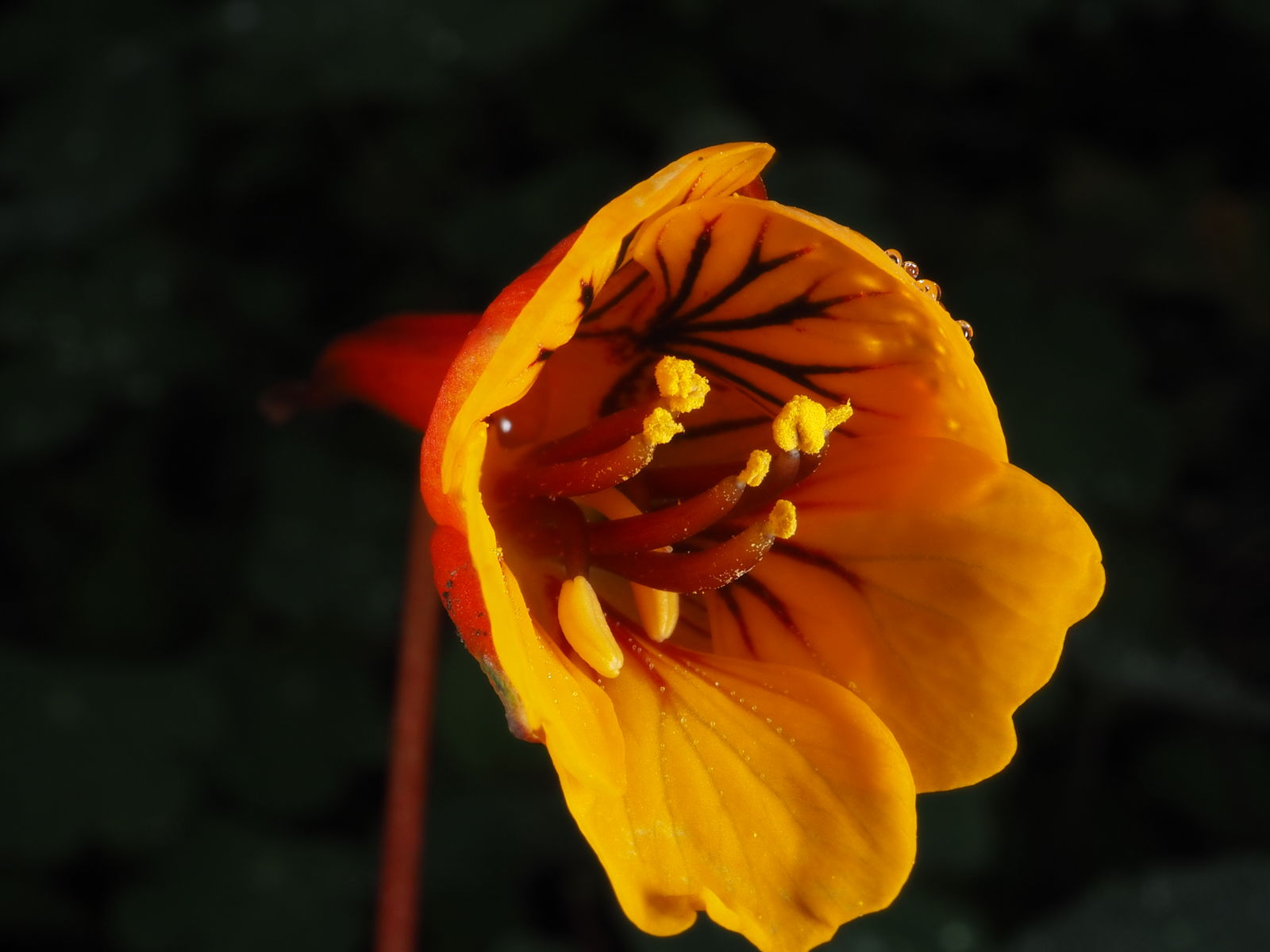
Mashua
food crop plant species

Myrciaria dubia
species of plant

Juglans cinerea
species of plant
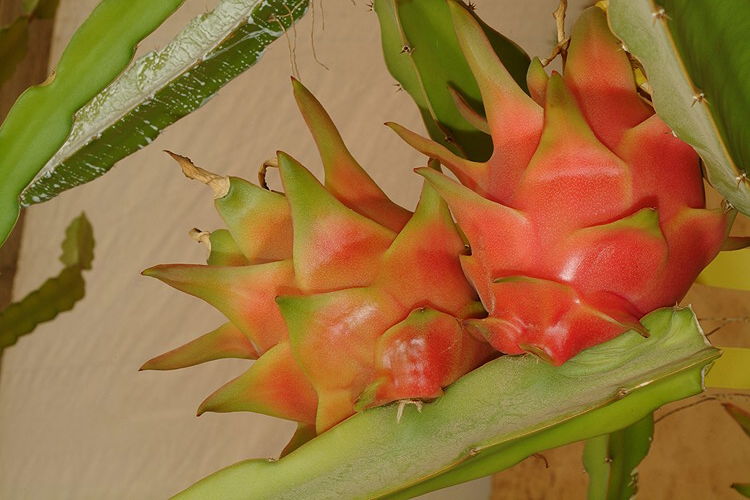
Selenicereus undatus
species of cactus

Berberis microphylla
species of plant

Myroxylon
Myroxylon is a genus of Fabaceae native to Latin America.
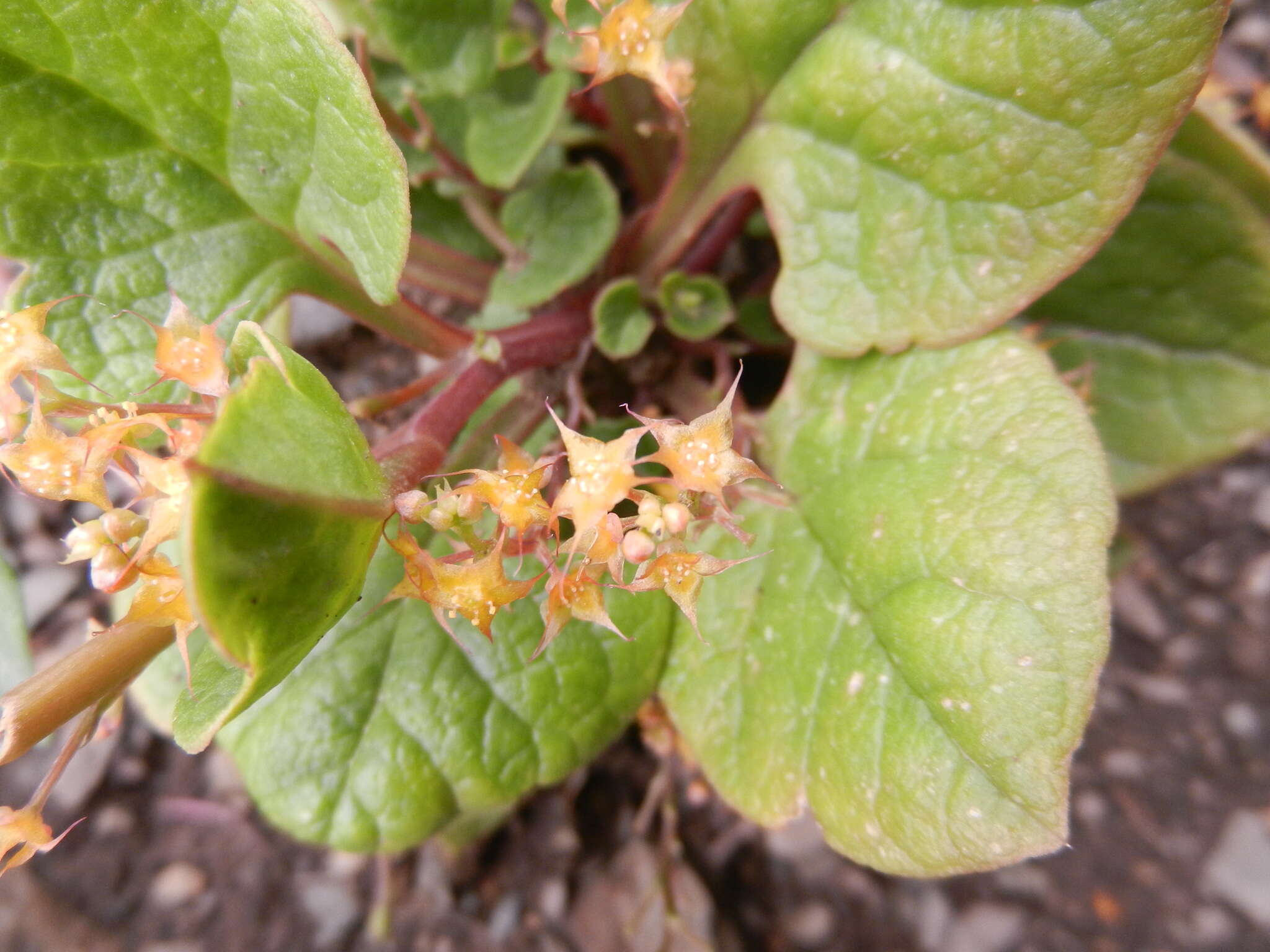
Ullucus tuberosus
Ullucus is a genus of flowering plants in the family Basellaceae, with one species, Ullucus tuberosus, a plant grown primarily as a root vegetable, secondarily as a leaf vegetable. The name ulluco is derived from the Quechua word , but depending on the region, it has many different names. These include illaco (in Aymara), melloco (in Ecuador), chungua or ruba (in Colombia), olluco or papa lisa (in Bolivia and Peru), or ulluma (in Argentina).
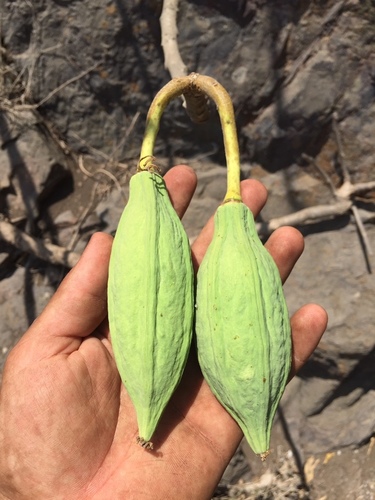
Mountain papaya
species of plant

Arracacia xanthorrhiza
species of plant
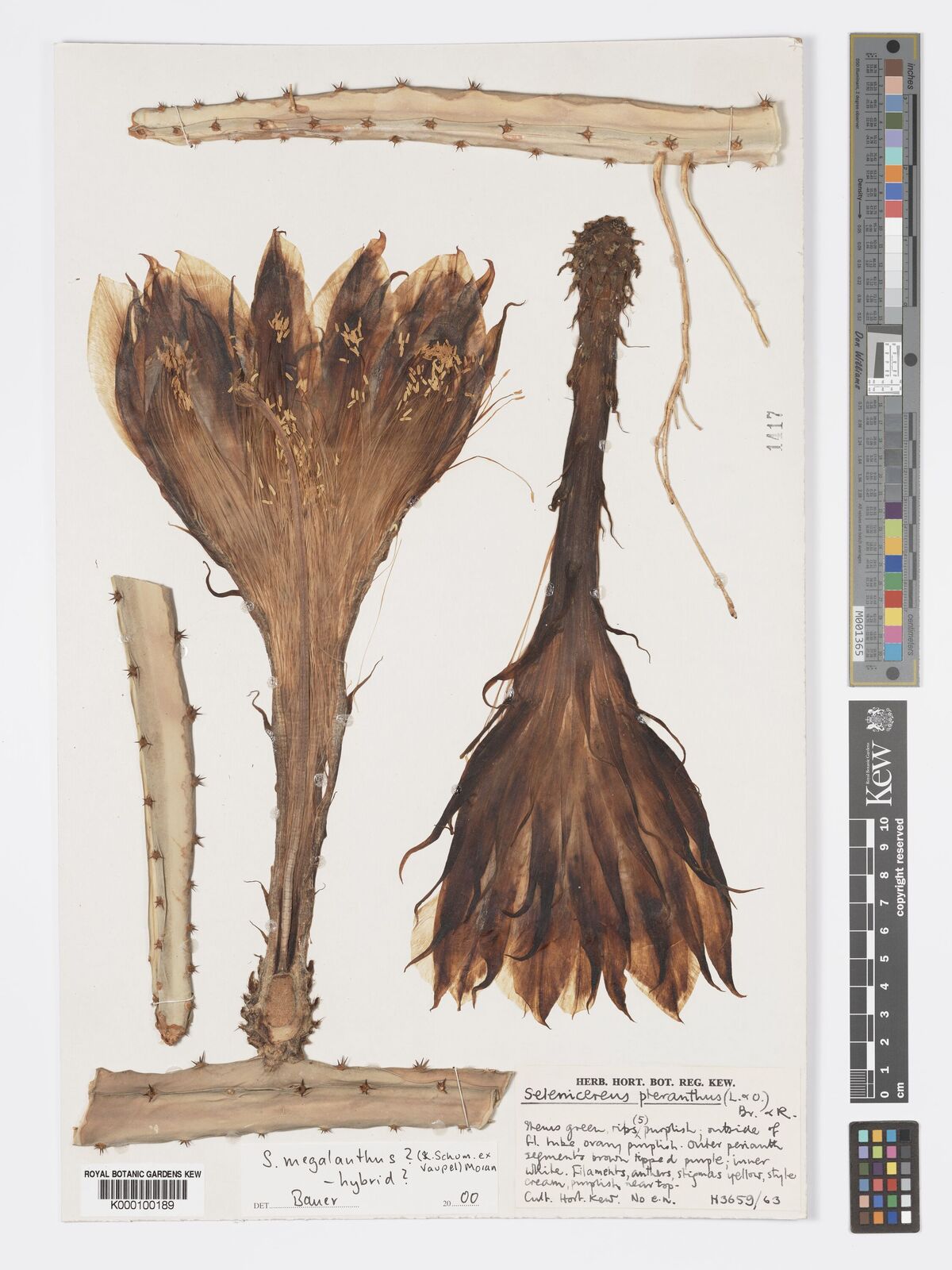
Selenicereus megalanthus
species of plant
Vasconcellea ×heilbornii
The babaco (Vasconcellea × heilbornii; syn. Carica pentagona), is a hybrid cultivar in the genus Vasconcellea from Ecuador. It is a hybrid between Vasconcellea cundinamarcensis (syn. Carica pubescens, "mountain papaya"), and Vasconcellea stipulata (syn. Carica stipulata, "toronche") although Vasconcellea weberbaueri has also been mentioned as a contributor to the hybrid.

Tepary bean
species of plant
.jpg)
chicle
thumb|Chicle (white substance) oozing from the pod of a Manilkara zapota (sapodilla) tree in [[Panama]]
thumb|Chicle chunks
Chicle () is a latex traditionally used in making chewing gum and other products. It is collected from several species of Mesoamerican trees in the genus Manilkara, including M. zapota, M. chicle, M. staminodella, and M. bidentata.
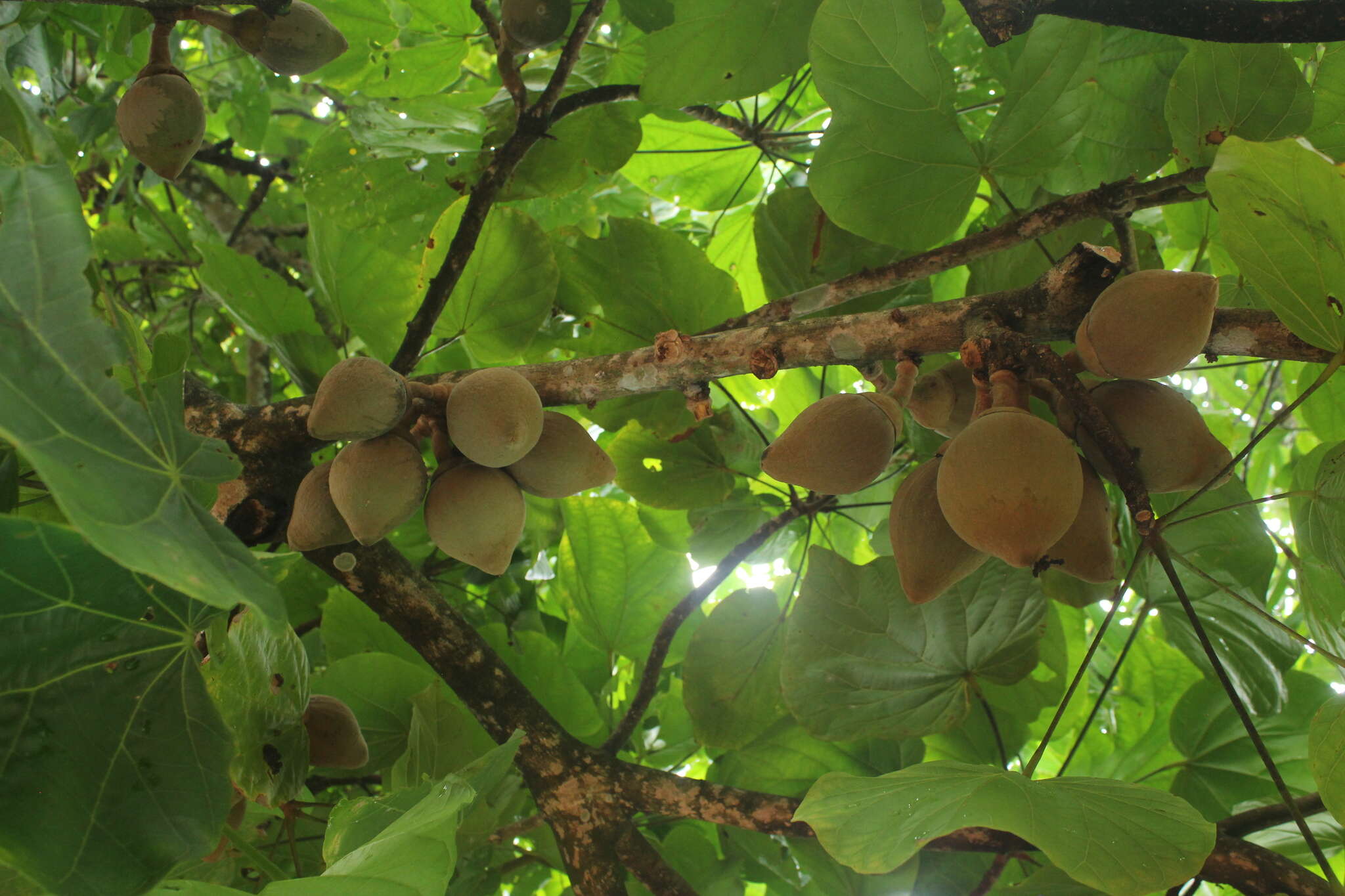
Q15613669
species of plant
balsam of Peru
herbal preparation

Piper auritum
species of plant
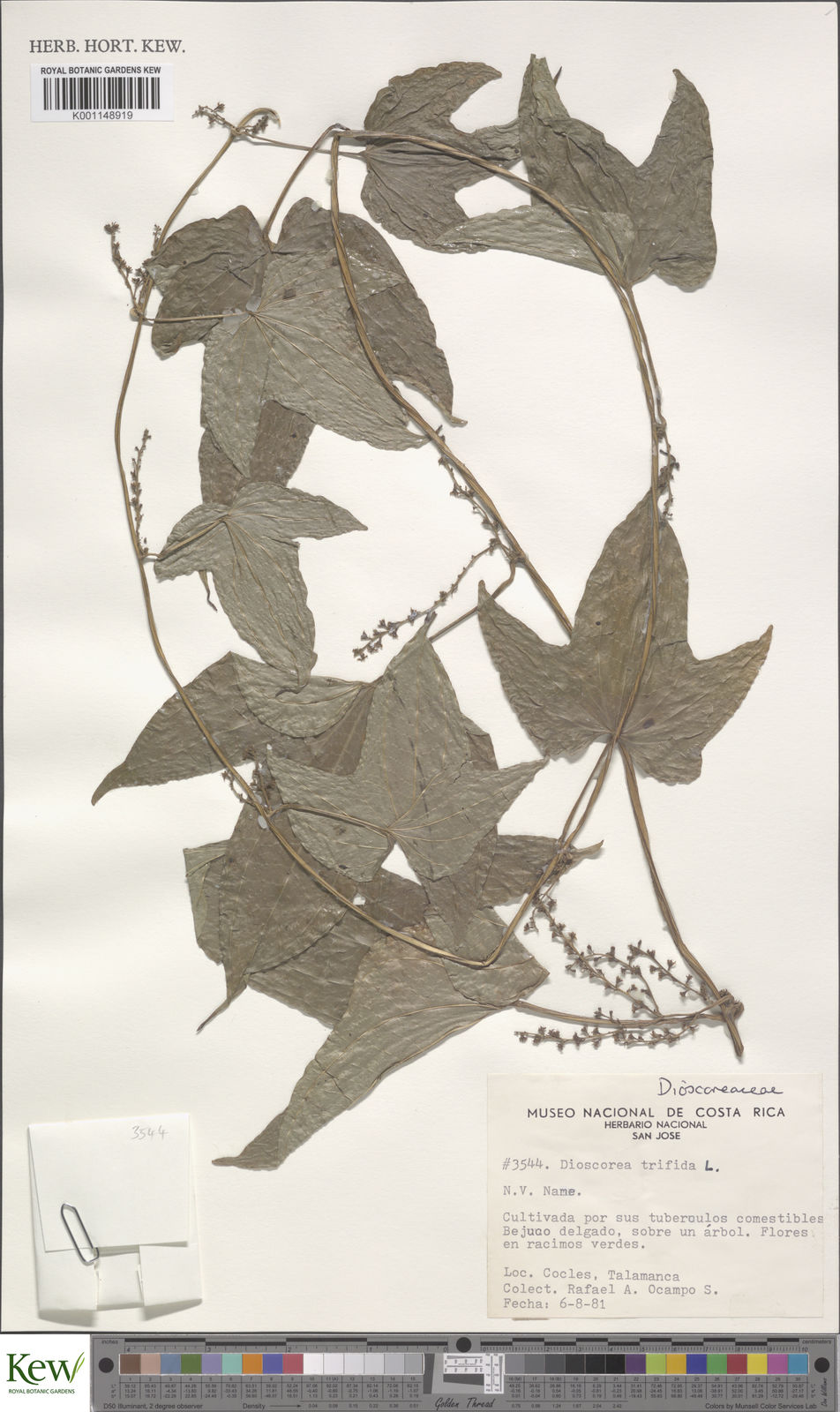
Dioscorea trifida
species of plant
Guavaberry
species of plant

Psidium friedrichsthalinum
species of plant
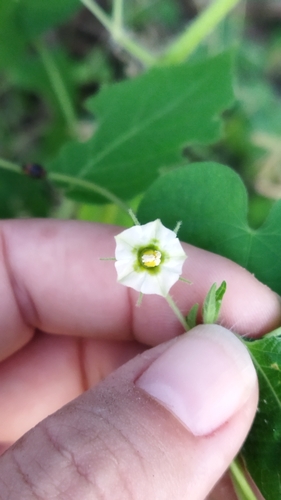
Physalis pruinosa
species of plant

coca plant
Coca refers to any of the four cultivated plants in the family Erythroxylaceae, native to western South America. It is known worldwide for its psychoactive alkaloid, cocaine. The leaves contain cocaine, which acts as a mild stimulant when chewed or consumed as tea; this traditional use involves slower absorption than purified cocaine, and there is no evidence of addiction or withdrawal symptoms from such natural consumption.
sapote
Sapote or zapote (; from ) is a term for a soft, edible fruit. The word is incorporated into the common names of several unrelated fruit-bearing plants native to Mexico, Central America and northern parts of South America.

arrowroot
thumb|Zamia integrifolia

Eugenia involucrata
species of plant
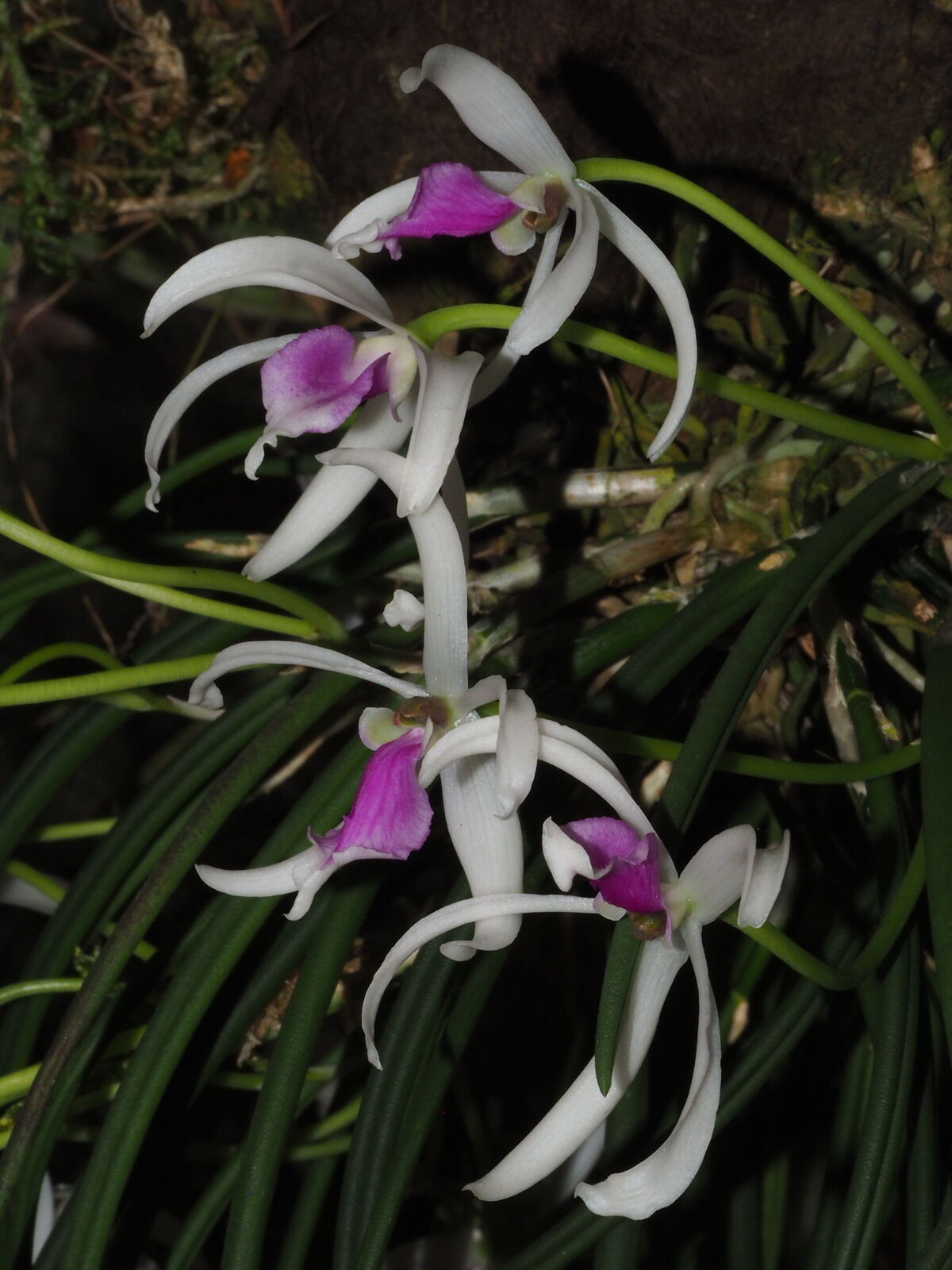
Leptotes bicolor
species of plant
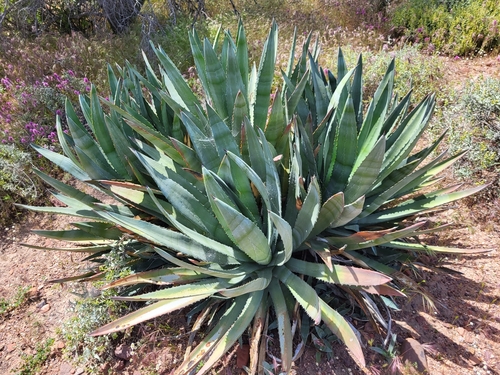
Agave murpheyi
species of plant
facing heaven pepper
hot pepper