Category
page 3ECHA InfoCard ID from Wikidata

L-glutamine
thumb|Glutamine ball and stick model spinning
Glutamine (symbol Gln or Q) is an α-amino acid that is used in the biosynthesis of proteins. Its side chain is similar to that of glutamic acid, except the carboxylic acid group is replaced by an amide. It is classified as a charge-neutral, polar amino acid. It is non-essential and conditionally essential in humans, meaning the body can usually synthesize sufficient amounts of it, but in some instances of stress, the body's demand for glutamine increases, and glutamine must be obtained from the diet. It is encoded by the codons CAA and CAG. It is n

uracil
Uracil () (symbol U or Ura) is one of the four nucleotide bases in the nucleic acid RNA. The others are adenine (A), cytosine (C), and guanine (G). In RNA, uracil binds to adenine via two hydrogen bonds. In DNA, the uracil nucleobase is replaced by thymine (T). Uracil is a demethylated form of thymine.

hydrazine

purine
Purine is a heterocyclic aromatic organic compound that consists of two rings (pyrimidine and imidazole) fused together. It is water-soluble. Purine also gives its name to the wider class of molecules, purines, which include substituted purines and their tautomers. They are the most widely occurring nitrogen-containing heterocycles in nature.

norepinephrine
Norepinephrine (NE), also called noradrenaline (NA) or noradrenalin, is an organic chemical in the catecholamine family that functions in the brain and body as a hormone, neurotransmitter and neuromodulator. The name "norepinephrine" (from Ancient Greek ἐπῐ́ (epí), "upon", and νεφρός (nephrós), "kidney") is usually preferred in the United States, whereas "noradrenaline" (from Latin ad, "near", and ren, "kidney") is more commonly used in the United Kingdom and the rest of the world. "Norepinephrine" is also the international nonproprietary name given to the drug. Regardless of which name is use

L-histidine
thumb|Histidine ball and stick model spinning
Histidine or histidin (symbol His or H) is an essential amino acid that is used in the biosynthesis of proteins. It contains an α-amino group (which is in the protonated –NH3+ form under biological conditions), a carboxylic acid group (which is in the deprotonated –COO− form under biological conditions), and an imidazole side chain (which is partially protonated), classifying it as a positively charged amino acid at physiological pH. Initially thought essential only for infants, it has now been shown in longer-term studies to be essential for adult

n-pentane
Pentane is an organic compound with the formula C5H12—that is, an alkane with five carbon atoms. The term may refer to any of three structural isomers, or to a mixture of them: in the IUPAC nomenclature, however, pentane means exclusively the n-pentane isomer, in which case pentanes refers to a mixture of them; the other two are called isopentane (methylbutane) and neopentane (dimethylpropane). Cyclopentane is not an isomer of pentane because it has only 10 hydrogen atoms where pentane has 12.

DL-methionine
thumb|Methionine ball and stick model spinning
Methionine (symbol Met or M) () is an essential amino acid in humans. Compared to other amino acids, methionine has particularly decisive biosynthetic roles. It is the precursor to the amino acid cysteine and the pervasive methylation agent rSAM. Methionine is required for protein synthesis, which is initiated by N-formylmethionine-sRNA.

polystyrene
thumb|Expanded polystyrene packaging
thumb|A polystyrene yogurt container
thumb|Bottom of a vacuum forming|vacuum-formed cup; fine details such as the glass and fork [[food contact materials symbol and the resin identification code symbol are easily molded]]

acetaldehyde
Acetaldehyde (IUPAC systematic name ethanal) is an organic chemical compound with the formula . It is a colorless liquid or gas, boiling near room temperature. It is one of the most important aldehydes, occurring widely in nature and being produced on a large scale in industry. Acetaldehyde occurs naturally in coffee, bread, and ripe fruit, and is produced by plants. It is also produced by the partial oxidation of ethanol by the liver enzyme alcohol dehydrogenase and is a contributing cause of hangover after alcohol consumption. Pathways of exposure include air, water, land, or groundwater, as

fentanyl
Fentanyl is a highly potent synthetic opioid of the piperidine family, used primarily as pain medication. It is 50 to 100 times more potent than morphine. Its primary clinical use is in pain management for cancer patients and those recovering from surgery. Fentanyl is also used as a sedative for intubated patients. Fentanyl has a short duration of action. Fentanyl works by activating μ-opioid receptors. Brand names include Actiq, Duragesic, and Sublimaze, among others.

octane
Octane is a hydrocarbon and also an alkane with the chemical formula C8H18, and the condensed structural formula CH3(CH2)6CH3. Octane has many structural isomers that differ by the location of branching in the carbon chain. One of these isomers, 2,2,4-trimethylpentane (commonly called iso-octane), is used as one of the standard values in the octane rating scale.

sodium nitrate
chemical compound

DL-asparagine
thumb|Asparagine ball and stick model spinning
Asparagine (symbol Asn or N) is an α-amino acid that is used in the biosynthesis of proteins. It contains an α-amino group (which is in the protonated −NH form under biological conditions), an α-carboxylic acid group (which is in the deprotonated −COO− form under biological conditions), and a side chain carboxamide, classifying it as a polar (at physiological pH), aliphatic amino acid. It is non-essential in humans, meaning the body can synthesize it. It is encoded by the codons AAU and AAC.

L-threonine
Threonine (symbol Thr or T) is an amino acid that is used in the biosynthesis of proteins. It contains an α-amino group (which is in the protonated −NH form when dissolved in water), a carboxyl group (which is in the deprotonated −COO− form when dissolved in water), and a side chain containing a hydroxyl group, making it a polar, uncharged amino acid. It is essential in humans, meaning the body cannot synthesize it: it must be obtained from the diet. Threonine is synthesized from aspartate in bacteria such as E. coli. It is encoded by all the codons starting AC (ACU, ACC, ACA, and ACG).

zinc oxide
ZnO is a white powder insoluble in water

L-serine
thumb|Serine ball and stick model spinning
Serine

DL-lysine
thumb|Lysine ball and stick model spinning
Lysine (symbol Lys or K) is an α-amino acid that is a precursor to many proteins. Lysine contains an α-amino group (which is in the protonated form when the lysine is dissolved in water at physiological pH), an α-carboxylic acid group (which is in the deprotonated form when the lysine is dissolved in water at physiological pH), and a side chain (which is partially protonated when the lysine is dissolved in water at physiological pH), and so it is classified as a basic, charged (in water at physiological pH), aliphatic amino acid. It is encoded by the

DL-proline
thumb|Proline ball and stick model spinning
Proline (symbol Pro or P) is an organic acid classed as a proteinogenic amino acid (used in the biosynthesis of proteins), although it does not contain the amino group but is rather a secondary amine. The secondary amine nitrogen is in the protonated form (NH2+) under biological conditions, while the carboxyl group is in the deprotonated −COO− form. The "side chain" from the α carbon connects to the nitrogen forming a pyrrolidine loop, classifying it as a aliphatic amino acid. It is non-essential in humans, meaning the body can synthesize it from the

(RS)-methadone
Methadone, sold under the brand names Dolophine and Methadose among others, is a potent synthetic opioid used medically to treat chronic pain and opioid use disorder. Prescribed for daily use, the medicine relieves cravings and opioid withdrawal symptoms. Withdrawal management using methadone can be accomplished in less than a month, or it may be done gradually over a longer period of time, or simply maintained for the rest of the patient's life. While a single dose has a rapid effect, maximum effect can take up to five days of use. After long-term use, in people with normal liver function, ef
progesterone
Progesterone (; P4) is an endogenous steroid and progestogen sex hormone involved in the menstrual cycle, pregnancy, and embryogenesis of humans and other species. It belongs to a group of steroid hormones called the progestogens and is the major progestogen in the body. Progesterone has a variety of important functions in the body. It is also a crucial metabolic intermediate in the production of other endogenous steroids, including the sex hormones and the corticosteroids, and plays an important role in brain function as a neurosteroid.

hexane
Hexane () or '''n-hexane''' is an organic compound, a straight-chain alkane with six carbon atoms and the molecular formula C6H14.

aldosterone
Aldosterone is the main mineralocorticoid steroid hormone produced by the zona glomerulosa of the adrenal cortex in the adrenal gland. It is essential for sodium conservation in the kidney, salivary glands, sweat glands, and colon. It plays a central role in the homeostatic regulation of blood pressure, plasma sodium (Na+), and potassium (K+) levels. It does so primarily by acting on the mineralocorticoid receptors in the distal tubules and collecting ducts of the nephron. It influences the reabsorption of sodium and excretion of potassium (from and into the tubular fluids, respectively) of th

silver nitrate
chemical compound

L-Cysteine
thumb|Cysteine ball and stick model spinning
Cysteine (; symbol Cys or C) is a semiessential proteinogenic amino acid with the formula . The thiol side chain in cysteine enables the formation of disulfide bonds, and often participates in enzymatic reactions as a nucleophile. Cysteine is chiral, but both D and L-cysteine are found in nature. LCysteine is a protein monomer in all biota, and D-cysteine acts as a signaling molecule in mammalian nervous systems. Cysteine is named after its discovery in urine, which comes from the urinary bladder or cyst, from Greek κύστις kýstis, "bladder".
%20DOJ.jpg)
diazepam
Diazepam, sold under the brand name Valium among others, is a medication of the benzodiazepine family that acts as an anxiolytic. It is used to treat a range of conditions, including anxiety, seizures, alcohol withdrawal syndrome, muscle spasms, insomnia, and restless legs syndrome. It may also be used to cause memory loss during certain medical procedures. It can be taken orally (by mouth), as a suppository inserted into the rectum, intramuscularly (injected into muscle), intravenously (injection into a vein) or used as a nasal spray. When injected intravenously, effects begin in one to five
%2C%20National%20Museum%20of%20Health%20and%20Medicine%20(5404773309).jpg)
phosgene
Phosgene is an organic chemical compound with the formula . It is a toxic, colorless gas; in low concentrations, its musty odor resembles that of freshly cut hay or grass. It can be thought of chemically as the double acyl chloride analog of carbonic acid, or structurally as formaldehyde with the hydrogen atoms replaced by chlorine atoms. In 2013, about 75–80 % of global phosgene was consumed for isocyanates, 18% for polycarbonates and about 5% for other fine chemicals.

hydrogen chloride
chemical compound

calcium chloride
chemical compound

aniline
Aniline (From , meaning 'indigo shrub', and -ine indicating a derived substance) is an organic compound with the formula . Consisting of a phenyl group () attached to an amino group (), aniline is the simplest aromatic amine. It is an industrially significant commodity chemical, as well as a versatile starting material for fine chemical synthesis. Its main use is in the manufacture of precursors to polyurethane, dyes, and other industrial chemicals. Like most volatile amines, it has the odor of rotten fish. It ignites readily, burning with a smoky flame characteristic of aromatic compounds. It

isoprene
Isoprene, or 2-methyl-1,3-butadiene, is a common volatile organic compound with the formula CH2=C(CH3)−CH=CH2. In its pure form it is a colorless volatile liquid. It is produced by many plants and animals (including humans) and its polymers are the main component of natural rubber.

sodium sulfate
chemical compound

aspartame
Aspartame is an artificial, non-saccharide sweetener commonly used as a sugar substitute in foods and beverages. It is 200 times sweeter than sucrose, and is a methyl ester of the aspartic acid/phenylalanine dipeptide with brand names NutraSweet, Equal, and Canderel. Discovered in 1965, aspartame was approved by the US Food and Drug Administration (FDA) in 1974 and re-approved in 1981 after its initial approval was briefly revoked.

magnesium oxide
chemical compound naturally occurring as periclase
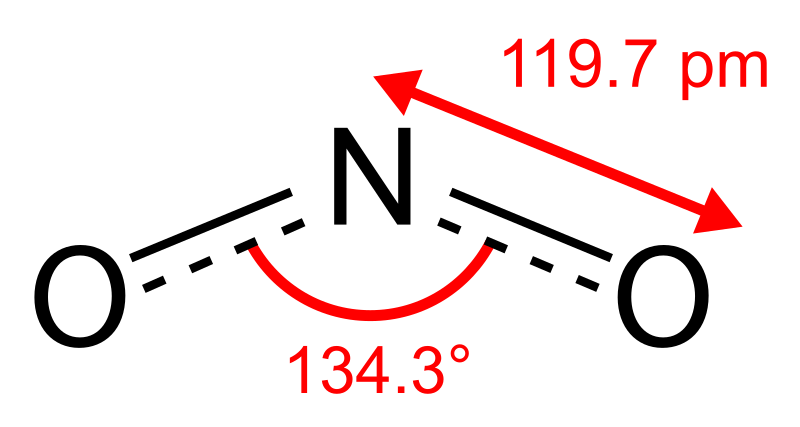
nitrogen dioxide
chemical compound

benzoic acid
chemical compound

streptomycin
Streptomycin is an antibiotic medication used to treat a number of bacterial infections, including tuberculosis, Mycobacterium avium complex, endocarditis, brucellosis, Burkholderia infection, plague, tularemia, and rat bite fever. For active tuberculosis it is often given together with isoniazid, rifampicin, and pyrazinamide. It is administered by injection into a vein or muscle.

polytetrafluoroethylene
Polytetrafluoroethylene (PTFE) is a synthetic fluoropolymer of tetrafluoroethylene, and has numerous applications because it is chemically inert. The commonly known brand name of PTFE-based composition is Teflon by Chemours, a spin-off from DuPont, which originally invented the compound in 1938.

heparin
Heparin, also known as unfractionated heparin (UFH), is a medication and naturally occurring glycosaminoglycan. It is one of the most studied sulfated polysaccharides.

nitric oxide
chemical compound

oleic acid
monounsaturated omega-9 fatty acid, abbreviated with a lipid number of 18:1 cis-9

polypropylene
Polypropylene (PP), also known as polypropene, is a thermoplastic polymer used in a wide variety of applications. It is produced via chain-growth polymerization from the monomer propylene.

picric acid
chemical compound

tetracycline
Tetracycline, sold under various brand names, is an antibiotic in the tetracyclines family of medications, used to treat a number of infections, including acne, cholera, brucellosis, plague, malaria, and syphilis. It is available in oral and topical formulations.

Diclofenac
Diclofenac, sold under the brand name Voltaren among others, is a nonsteroidal anti-inflammatory drug (NSAID) used to treat pain and inflammatory diseases such as gout. It can be taken orally (swallowed by mouth), inserted rectally as a suppository, injected intramuscularly, injected intravenously, applied to the skin topically, or through eye drops. Improvements in pain last up to eight hours. It is also available as the fixed-dose combination diclofenac/misoprostol (Arthrotec) to help protect the stomach; however, proton pump inhibitors such as omeprazole are typically first-line since they

pyruvic acid
simplest of the alpha-keto acids

styrene
Styrene is an organic compound with the chemical formula C6H5CH=CH2. Its structure consists of a vinyl group as substituent on benzene. Styrene is a colorless, oily liquid, although aged samples can appear yellowish. The compound evaporates easily and has a sweet smell, although high concentrations have a less pleasant odor. Styrene is the precursor to polystyrene and several copolymers, and is typically made from benzene for this purpose. Approximately 25 million tonnes of styrene were produced in 2010, increasing to around 35 million tonnes by 2018.

phenolphthaleina
Phenolphthalein ( ) is a chemical compound with the formula C20H14O4 and is often written as "HIn", "HPh", "phph" or simply "Ph" in shorthand notation. Phenolphthalein is often used as an indicator in acid–base titrations. For this application, it turns colorless in acidic solutions and pink in basic solutions. It belongs to the class of dyes known as phthalein dyes.

palmitic acid
chemical compound

doxycycline
Doxycycline is a broad-spectrum antibiotic of the tetracycline class used in the treatment of infections caused by bacteria and certain parasites. It is used to treat bacterial pneumonia, acne, chlamydia infections, Lyme disease, cholera, typhus, and syphilis, and is sometimes used to prevent malaria. Doxycycline may be taken by mouth or intravenously.

ethylene glycol
organic compound used in the making of polyester fibers and in antifreeze formulations

sulfurous acid
chemical compound

pyridine
Pyridine is a basic heterocyclic organic compound with the chemical formula . It is structurally related to benzene, with one methine group replaced by a nitrogen atom . It is a highly flammable, weakly alkaline, water-miscible liquid with a distinctive, unpleasant fish-like smell. Pyridine is colorless, but older or impure samples can appear yellow. The pyridine ring occurs in many commercial compounds, including agrochemicals, pharmaceuticals, and vitamins. Historically, pyridine was produced from coal tar. As of 2016, it is synthesized on the scale of about 20,000 tons per year worldwide.

potassium cyanide
inorganic compound

pyrimidine
Pyrimidine (; ) is an aromatic, heterocyclic, organic compound similar to pyridine (). One of the three diazines (six-membered heterocyclics with two nitrogen atoms in the ring), it has nitrogen atoms at positions 1 and 3 in the ring. The other diazines are pyrazine (nitrogen atoms at the 1 and 4 positions) and pyridazine (nitrogen atoms at the 1 and 2 positions).

barium sulfate
inorganic compound

tartaric acid
C4-organic acid with different stereoisomers

creatine
thumb|Creatine monohydrate powder

adenosine
Adenosine (symbol A) is an organic compound that occurs widely in nature in the form of diverse derivatives. The molecule consists of an adenine attached to a ribose via a β-N9-glycosidic bond. Adenosine is one of the four nucleoside building blocks of RNA (and its derivative deoxyadenosine is a building block of DNA), which are essential for all life on Earth. Its derivatives include the energy carriers adenosine mono-, di-, and triphosphate, also known as AMP/ADP/ATP. Cyclic adenosine monophosphate (cAMP) is pervasive in signal transduction. Adenosine is used as an intravenous medication for

phosphine
Phosphine (IUPAC name: phosphane) is a colorless, flammable, highly toxic compound with the chemical formula , classed as a pnictogen hydride. Pure phosphine is odorless, but technical grade samples have a highly unpleasant odor like rotting fish, due to the presence of substituted phosphine and diphosphane (). With traces of present, is spontaneously flammable in air (pyrophoric), burning with a luminous flame. Phosphine is a highly toxic respiratory poison, and is immediately dangerous to life or health at 50 ppm. Phosphine has a trigonal pyramidal structure.