Category
page 4ECHA InfoCard ID from Wikidata

sulfur trioxide
chemical compound

creatine
thumb|Creatine monohydrate powder

adenosine
Adenosine (symbol A) is an organic compound that occurs widely in nature in the form of diverse derivatives. The molecule consists of an adenine attached to a ribose via a β-N9-glycosidic bond. Adenosine is one of the four nucleoside building blocks of RNA (and its derivative deoxyadenosine is a building block of DNA), which are essential for all life on Earth. Its derivatives include the energy carriers adenosine mono-, di-, and triphosphate, also known as AMP/ADP/ATP. Cyclic adenosine monophosphate (cAMP) is pervasive in signal transduction. Adenosine is used as an intravenous medication for

metformin
Metformin, sold under the brand name Glucophage, among others, is the main first-line medication for the treatment of type2 diabetes, particularly in people who are overweight. It is also used in the treatment of polycystic ovary syndrome, and is sometimes used as an off-label adjunct to lessen the risk of metabolic syndrome in people who take antipsychotic medication. It has been shown to inhibit inflammation, and is not associated with weight gain. Metformin is taken by mouth.

DL-malic acid
group of stereoisomers

magnesium sulfate
chemical compound

carbon tetrachloride
chemical compound

strychnine

stearic acid
chemical compound

L-menthol
Menthol is a monoterpenoid organic compound that occurs naturally in the oils of certain plants in the mint family, such as corn mint and peppermint. It is a white or clear waxy crystalline substance that is solid at room temperature and melts slightly above. The main form of menthol occurring in nature is (−)-menthol, which is assigned the (1R,2S,5R) configuration.

thalidomide
Thalidomide, sold under the brand names Contergan, Distaval and Thalomid among others, is an oral administered medication used to treat a number of cancers (e.g., multiple myeloma), graft-versus-host disease, and many skin disorders (e.g., complications of leprosy such as skin lesions). Thalidomide has been used to treat conditions associated with HIV: aphthous ulcers, HIV-associated wasting syndrome, diarrhea, and Kaposi's sarcoma, but increases in HIV viral load have been reported.

theobromine
Theobromine, also known as xantheose, is the principal alkaloid of Theobroma cacao (cacao plant). Theobromine is slightly water-soluble (330 mg/L) with a bitter taste. In industry, theobromine is used as an additive and precursor to some cosmetics. It is found in chocolate and several other foods, including tea (Camellia sinensis), some American hollies (yaupon and guayusa) and the kola nut. It is a white or colourless solid, but commercial samples can appear yellowish.

alprazolam

taurine
Taurine (; IUPAC: 2-aminoethanesulfonic acid) is a naturally occurring organic compound with the chemical formula in its non-zwitterionic form and in its zwitterionic form, and is a non-proteinogenic amino sulfonic acid widely distributed in mammalian tissues and organs. Structurally, by containing a sulfonic acid group instead of a carboxylic acid group, it is not involved in protein synthesis but is still usually referred to as an amino acid. As non-proteinogenic amino sulfonic acid, it is not encoded by the genetic code and is distinguished from the protein-building α-amino acids.

butyric acid
chemical compound

perchloric acid
chemical compound

cyclohexane
Cyclohexane is a cycloalkane with the molecular formula . Cyclohexane is non-polar. Cyclohexane is a colourless, flammable liquid with a distinctive detergent-like odor, reminiscent of cleaning products (in which it is sometimes used). Cyclohexane is mainly used for the industrial production of adipic acid and caprolactam, which are precursors to nylon.

calcium carbide
chemical compound

silicon carbide
chemical compound

furan
Furan is a heterocyclic organic compound, consisting of a five-membered aromatic ring with four carbon atoms and one oxygen atom. Chemical compounds containing such rings are also referred to as furans.

azithromycin
thumb|Azithromycin pills in Europe, with brand name Sumamed.
Azithromycin, sold under the brand names Zithromax (in oral form) and Azasite (as an eye drop), is an antibiotic medication used to treat several bacterial infections. These include middle ear infections, strep throat, pneumonia, traveler's diarrhea, sexually transmitted infection, and certain other intestinal infections. Along with other medications, it may also be used for malaria. It is administered by mouth, into a vein, or as topical treatment for the eye.

γ-aminobutyric acid
GABA (gamma-aminobutyric acid, γ-aminobutyric acid) is the chief inhibitory neurotransmitter in the developmentally mature mammalian central nervous system. Its principal role is reducing neuronal excitability throughout the nervous system.

D-sorbitol
Sorbitol (), less commonly known as glucitol (), is a sugar alcohol with a sweet taste which the human body metabolizes slowly. It can be obtained by reduction of glucose, which changes the converted aldehyde group (−CHO) to a primary alcohol group (−CH2OH). Most sorbitol is made from potato starch, but it is also found in nature, for example in apples, pears, peaches, and prunes. It is converted to fructose by sorbitol-6-phosphate 2-dehydrogenase. Sorbitol is an isomer of mannitol, another sugar alcohol; the two differ only in the orientation of the hydroxyl group on carbon2. While similar, t
![glyco-Lutropin [extracellular region] thumbnail](https://upload.wikimedia.org/wikipedia/commons/thumb/0/07/Protein_CGA_PDB_1dz7.png/800px-Protein_CGA_PDB_1dz7.png)
glyco-Lutropin [extracellular region]
instance of macromolecular complex in Homo sapiens with Reactome ID (R-HSA-378969)

(−)-ephedrine

metronidazole
Metronidazole, sold under the brand name Flagyl and Metrogyl among others, is an antibiotic and antiprotozoal medication. It is used either alone or with other antibiotics to treat pelvic inflammatory disease, endocarditis, and bacterial vaginosis. It is effective for dracunculiasis, giardiasis, trichomoniasis, and amebiasis. It is an option for a first episode of mild-to-moderate Clostridioides difficile colitis if vancomycin or fidaxomicin is unavailable. Metronidazole is available orally (by mouth), as a cream or gel, and by slow intravenous infusion (injection into a vein).

glyphosate
Glyphosate (IUPAC name: '''N-(phosphonomethyl)glycine') is a broad-spectrum systemic herbicide and crop desiccant. It is an organophosphorus compound, specifically a phosphonate, which acts by inhibiting the plant enzyme 5-enolpyruvylshikimate-3-phosphate synthase (EPSP). Glyphosate-based herbicides (GBHs) are used to kill weeds, especially annual broadleaf weeds and grasses that compete with crops. American agricultural company Monsanto brought it to market for agricultural use in 1974 under the trade name Roundup''. Monsanto's last commercially relevant United States patent expired in 2000.

17β-estradiol
Estradiol (E2), also called oestrogen, oestradiol, is an estrogen steroid hormone and the major female sex hormone. It is involved in the regulation of female reproductive cycles such as estrous and menstrual cycles. Estradiol is responsible for the development of female secondary sexual characteristics such as the breasts, widening of the hips and a female pattern of fat distribution. It is also important in the development and maintenance of female reproductive tissues such as the mammary glands, uterus and vagina during puberty, adulthood and pregnancy. It also has important effects in many

aluminum chloride
chemical compound

ampicillin
Ampicillin is an antibiotic belonging to the aminopenicillin class of the penicillin family. The drug is used to prevent and treat several bacterial infections, such as respiratory tract infections, urinary tract infections, meningitis, salmonellosis, and endocarditis. It may also be used to prevent group B streptococcal infection in newborns. It is used by mouth, by injection into a muscle, or intravenously.

psilocybin
Psilocybin, also known as '4-phosphoryloxy-N,N-dimethyltryptamine (4-PO-DMT'), is a naturally occurring tryptamine alkaloid and investigational drug found in more than 200 species of mushrooms, with hallucinogenic and serotonergic effects. Effects include euphoria, changes in perception, a distorted sense of time, and perceived spiritual experiences. It can also cause adverse reactions such as nausea and panic attacks.

chloramphenicol
Chloramphenicol is an antibiotic useful for the treatment of a number of bacterial infections. This includes use as an eye ointment to treat conjunctivitis. By mouth or by injection into a vein, it is used to treat meningitis, plague, cholera, and typhoid fever. Its use by mouth or by injection is only recommended when safer antibiotics cannot be used. Monitoring both blood levels of the medication and blood cell levels every two days is recommended during treatment.

choline
Choline is a cation with the chemical formula . Choline forms various salts, such as choline chloride and choline bitartrate. An essential nutrient for animals, it is a structural component of phospholipids and cell membranes.

melamine
thumb|Marking of product made of Melamine
Melamine is an organic compound with the formula C3H6N6. This white solid is a trimer of cyanamide, with a 1,3,5-triazine skeleton. Like cyanamide, it contains 66% nitrogen by mass, and its derivatives have fire-retardant properties due to its release of nitrogen gas when burned or charred. Melamine can be combined with formaldehyde and other agents to produce melamine resins. Such resins are characteristically durable thermosetting plastic used in high-pressure decorative laminates such as Formica, melamine dinnerware including cooking utensils, plat

adenosine diphosphate
chemical compound

nitrous acid
chemical compound

midazolam
Midazolam, sold under the brand name Versed among others, is a benzodiazepine medication used for anesthesia, premedication before surgical anesthesia, and procedural sedation, and to treat severe agitation. It induces sleepiness, decreases anxiety, and causes anterograde amnesia.

decane
Decane is an alkane hydrocarbon with the chemical formula C10H22. Although 75 structural isomers are possible for decane, the term usually refers to the normal-decane ("n-decane"), with the formula CH3(CH2)8CH3. All isomers, however, exhibit similar properties and little attention is paid to the composition. These isomers are flammable liquids. Decane is present in small quantities (less than 1%) in gasoline (petrol) and kerosene. Like other alkanes, it is a nonpolar solvent, and does not dissolve in water, and is readily combustible. Although it is a component of fuels, it is of little import

anthracene
Anthracene is a solid polycyclic aromatic hydrocarbon (PAH) of formula C14H10, consisting of three fused benzene rings. It is a component of coal tar. Anthracene is used in the production of the red dye alizarin and other dyes, as a scintillator to detect high energy particles, as production of pharmaceutical drugs. Anthracene is colorless but exhibits a blue (400–500 nm peak) fluorescence under ultraviolet radiation.

vinyl chloride
chemical compound

propofol
Propofol is the active component of an intravenous anesthetic formulation used for induction and maintenance of general anesthesia. The formulation was approved under the brand name Diprivan. Numerous generic versions have since been released. Intravenous administration is used to induce unconsciousness, after which anesthesia may be maintained using a combination of medications. It is manufactured as part of a sterile injectable emulsion formulation using soybean oil and lecithin, giving it a white milky coloration.

potassium bromide
chemical compound

potassium chlorate
chemical compound

mescaline
Mescaline, also known as mescalin or mezcalin, and in chemical terms 3,4,5-trimethoxyphenethylamine, is a naturally occurring classical psychedelic protoalkaloid of the substituted phenethylamine class, found in cacti like peyote (Lophophora williamsii) and San Pedro (certain species of the genus Echinopsis).

carbon disulfide
chemical compound

aluminum hydroxide
chemical compound

nonane
Nonane is a linear alkane hydrocarbon with the chemical formula C9H20. It is a colorless, flammable liquid, occurring primarily in the component of the petroleum distillate fraction commonly called kerosene, which is used as a heating, tractor, and jet fuel. Nonane is also used as a solvent, distillation chaser, fuel additive, and a component in biodegradable detergents. It is also a minor component of diesel fuel.

inulin
Inulins are a group of naturally occurring polysaccharides produced by many types of plants, industrially most often extracted from chicory. Inulin is used by some plants as a means of storing energy and is typically found in roots or rhizomes. Most plants that synthesize and store inulin do not store other forms of carbohydrate such as starch.

acrylic acid
chemical compound

iron(II) sulfate
chemical compound

polyethylene terephthalate
type of polyester commonly used for bottles and clothing
%20marketed%20by%20Amneal%20Pharmaceuticals%20(rotated).jpg)
tramadol
Tramadol, sold under the brand name Tramal among others, is an opioid pain medication and a serotonin–norepinephrine reuptake inhibitor (SNRI) used to treat moderate to severe pain. When taken by mouth in an immediate-release formulation, the onset of pain relief usually begins within an hour. It is also available by injection. It is available in combination with paracetamol (acetaminophen).
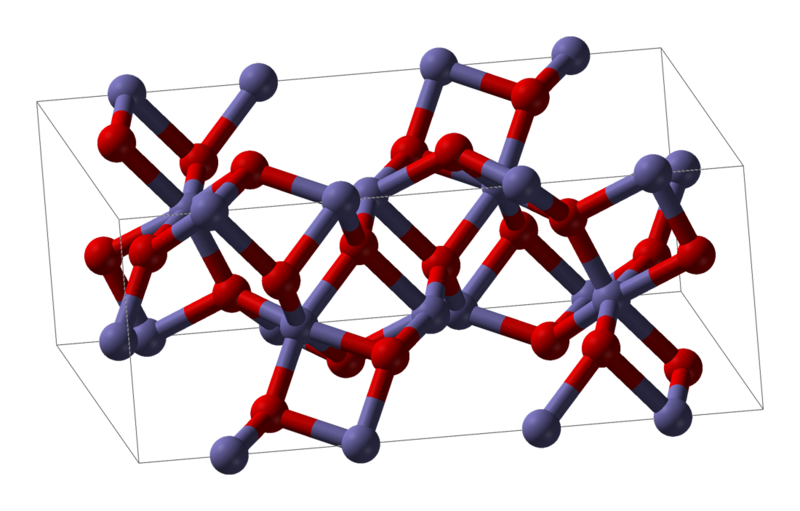
iron(III) oxide
chemical compound

thyroid-stimulating hormone
family of glycoprotein hormones in vertebrata

lidocaine
Lidocaine, also known as lignocaine and sold under the brand name Xylocaine among others, is a local anesthetic of the amino amide type. It is also used to treat ventricular tachycardia and ventricular fibrillation. When used for local anaesthesia or in nerve blocks, lidocaine typically begins working within several minutes and lasts for half an hour to three hours. Lidocaine mixtures may also be applied directly to the skin or mucous membranes to numb the area. It is often used mixed with a small amount of adrenaline (epinephrine) to prolong its local effects and to decrease bleeding.

lycopene
Lycopene is an organic compound classified as a tetraterpene and a carotene. Lycopene (from the Neo-Latin Lycopersicon, the name of a former tomato genus) is a bright red carotenoid hydrocarbon found in tomatoes and other red fruits and vegetables.

capsaicin
Capsaicin ('8-methyl-N-vanillyl-6-nonenamide') (, commonly ) is a toxin that is the main active component of chili peppers and gives them their distinct pungent, "spicy" or "hot" taste. It is a potent irritant for mammals for which it produces a sensation of burning in any tissue with which it comes into contact. Capsaicin and several related amides (capsaicinoids) are produced as secondary metabolites by chili peppers, likely as deterrents against eating by mammals and against the growth of fungi. Pure capsaicin is a hydrophobic, colorless, highly pungent (i.e., spicy) crystalline solid.

turpentine
Turpentine (which is also called spirit of turpentine, oil of turpentine, terebenthine, terebenthene, terebinthine and, colloquially, turps) is a fluid obtainable by the distillation of resin harvested from living trees, mainly pines. Principally used as a specialized solvent, it is also a source of material for organic syntheses.

glutathione
thumb|Glutathione (GSH) powder

1,3-butadiene
1,3-Butadiene () is an organic compound with the formula CH2=CH-CH=CH2. It is a colorless gas that is easily condensed to a liquid. It is important industrially as a precursor to synthetic rubber. The molecule can be viewed as the union of two vinyl groups. It is the simplest conjugated diene.