Category
page 2ECHA InfoCard ID from Wikidata

formic acid
chemical compound

DL-lactic acid
group of stereoisomers

hydrogen peroxide
chemical compound
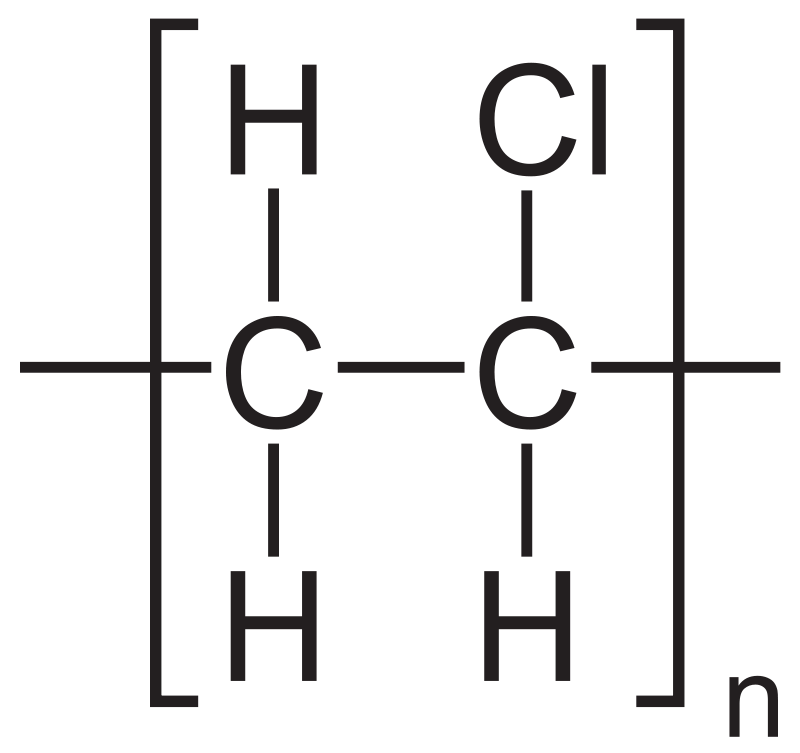
polyvinyl chloride
synthetic plastic polymer - A thermoplastic resin produced by the polymerization of vinyl chloride gas.

carbonic acid
chemical compound

formaldehyde
Formaldehyde ( , ) (systematic name methanal) is a pungent colorless gas mainly used in the production of industrial resins, such as for particle board, coatings, plastics, pulp, paper, synthetic fibers, and textiles. A ~5% solution in water of formaldehyde is used as a disinfectant and fumigant in industrial, agricultural, and healthcare settings, and a ~37% solution is used to preserve tissue samples in labs. In 2024, the global production of formaldehyde was estimated at 26 million tons per year, and is a precursor to many other materials and chemical compounds.
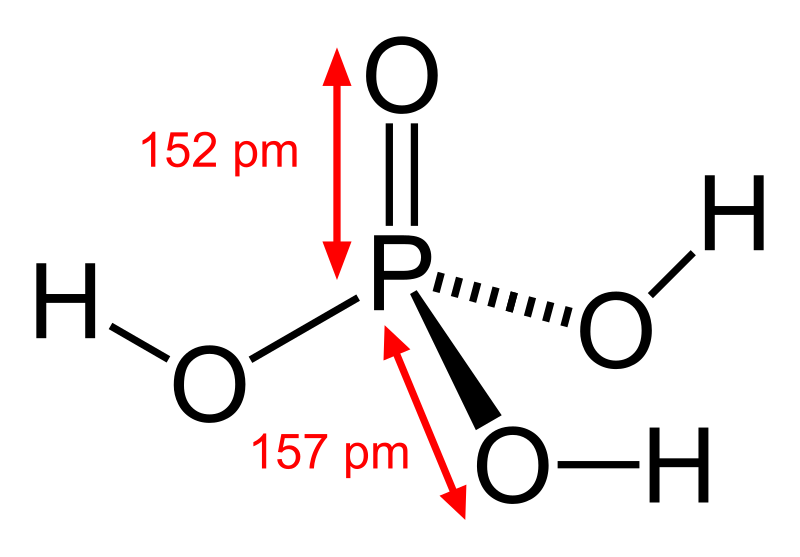
phosphoric acid
chemical compound

melatonin
Melatonin, an indoleamine, is a natural compound produced by various organisms, including bacteria and eukaryotes. Its discovery in 1958 by Aaron B. Lerner and colleagues stemmed from the isolation of a substance from the pineal gland of cows that could induce skin lightening in common frogs. This compound was later identified as a hormone secreted in the brain during the night, playing a crucial role in regulating the sleep-wake cycle, also known as the circadian rhythm, in vertebrates.

serotonin
Serotonin (), also known as 5-hydroxytryptamine (5-HT), is a monoamine neurotransmitter with a wide range of functions in both the central nervous system (CNS) and also peripheral tissues. It is involved in mood, cognition, reward, learning, memory, and physiological processes such as vomiting and vasoconstriction. In the CNS, serotonin regulates mood, appetite, and sleep.

hydrogen cyanide
chemical compound

maltose
thumb|right|260px|Amylase reaction consisting of hydrolyzing amylose, producing maltose

guanine
Guanine () (symbol G or Gua) is one of the four main nucleotide bases found in the nucleic acids DNA and RNA, the others being adenine, cytosine, and thymine (uracil in RNA). In DNA, guanine is paired with cytosine. The guanine nucleoside is called guanosine.

cytosine
Cytosine (symbol C or Cyt) is one of the four nucleotide bases found in DNA and RNA, along with adenine, guanine, and thymine (uracil in RNA). It is a pyrimidine derivative, with a heterocyclic aromatic ring and two substituents attached (an amine group at position 4 and a keto group at position 2). The nucleoside of cytosine is cytidine. In Watson–Crick base pairing, it forms three hydrogen bonds with guanine.

calcium hydroxide
chemical compound

amoxicillin
Amoxicillin is an antibiotic medication belonging to the aminopenicillin class of the penicillin family. The drug is used to treat bacterial infections such as middle ear infection, strep throat, pneumonia, skin infections, odontogenic infections, and urinary tract infections. It is taken orally (swallowed by mouth), or less commonly by either intramuscular injection or by an IV bolus injection, which is a relatively quick intravenous injection lasting from a couple of seconds to a few minutes.

monosodium L-glutamate
chemical compound, flavor enhancer

ammonium nitrate
chemical compound

aluminium oxide
chemical compound

polyethylene
thumb|140px|The repeating unit within polyethylene in the most stable staggered conformation

chloroform
Chloroform, or trichloromethane (often abbreviated as TCM), is an organochloride with the formula and a common solvent. It is a volatile, colorless, sweet-smelling, dense liquid produced on a large scale as a precursor to refrigerants and polytetrafluoroethylene (PTFE). Chloroform was once used as an inhalational anesthetic between the 19th century and the first half of the 20th century. It is miscible with many solvents but it is only very slightly soluble in water (only 8 g/L at 20°C).

ammonium chloride
chemical compound

potassium permanganate
inorganic chemical compound with the chemical formula KMnO4

DDT
Dichlorodiphenyltrichloroethane (DDT) is a colorless, tasteless, and almost odorless crystalline chemical compound, an organochloride. Originally developed as an insecticide, it became infamous for its environmental impacts. DDT was first synthesized in 1874 by the Austrian chemist Othmar Zeidler. DDT's insecticidal action was discovered by the Swiss chemist Paul Hermann Müller in 1939. DDT was used in the second half of World War II to limit the spread of the insect-borne diseases malaria and typhus among civilians and troops. Müller was awarded the Nobel Prize in Physiology or Medicine in 19

atropine
Atropine is a tropane alkaloid and anticholinergic medication used to treat certain types of nerve agent and pesticide poisonings as well as some types of slow heart rate, and to decrease saliva production during surgery. It is typically given intravenously or by injection into a muscle. Eye drops are also available which are used to treat uveitis and early amblyopia. The intravenous solution usually begins working within a minute and lasts half an hour to an hour. Large doses may be required to treat some poisonings.

calcium oxide
chemical compound
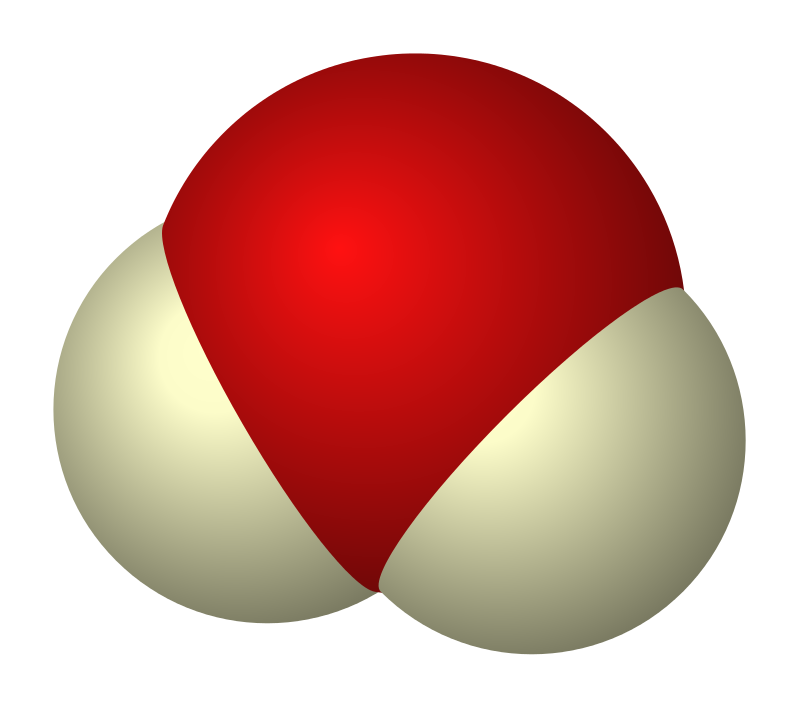
heavy water
chemical compound

oxalic acid
chemical compound

orthoboric acid
chemical compound

DL-amphetamine
Amphetamine is a central nervous system (CNS) stimulant that is used in the treatment of attention deficit hyperactivity disorder (ADHD) and narcolepsy; it is also used to treat binge eating disorder in the form of lisdexamfetamine. Historically, it has been used to treat nasal congestion and depression. Amphetamine is also used as an athletic performance enhancer and cognitive enhancer, and recreationally as an aphrodisiac and euphoriant. It is a prescription drug in many countries, and unauthorized possession and distribution of amphetamine are often tightly controlled due to the significant

DL-glutamic acid
amino acid and neurotransmitter
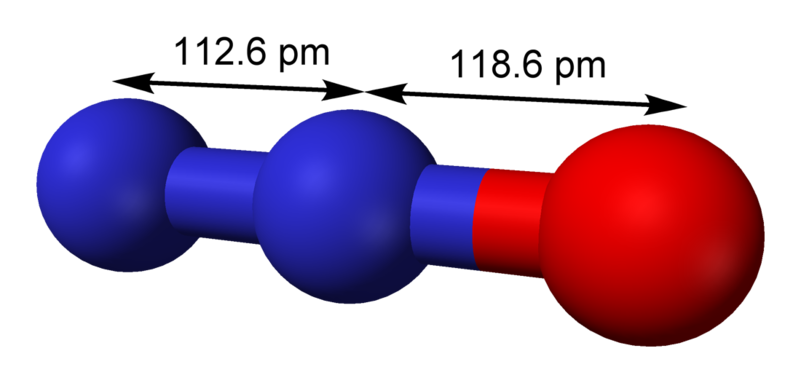
nitrous oxide
chemical compound

sarin
Sarin (NATO designation GB short for G-series, B) is an extremely toxic organophosphorus compound that has been often used as a chemical weapon due to its extreme potency as a nerve agent.

mustard gas
chemical compound

quinine
Quinine is a medication used to treat malaria and babesiosis. This includes the treatment of malaria due to Plasmodium falciparum that is resistant to chloroquine when artesunate is not available. While sometimes used for nocturnal leg cramps, quinine is not recommended for this purpose due to the risk of serious side effects. It can be taken by mouth or intravenously. Malaria resistance to quinine occurs in certain areas of the world. Quinine is also used as an ingredient in tonic water and other beverages to impart a bitter taste.
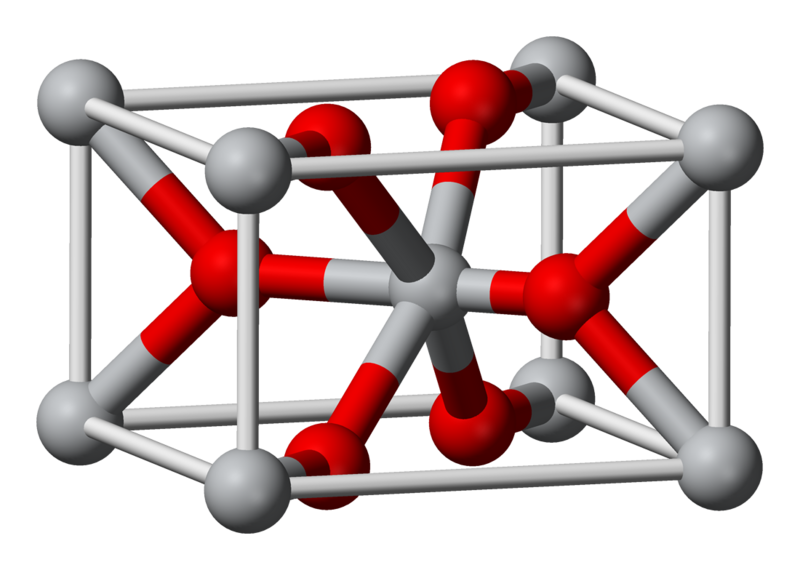
titanium dioxide
chemical compound

cortisol
Cortisol is a steroid hormone in the glucocorticoid class of hormones and a stress hormone. When used as medication, it is known as hydrocortisone.

toluene
Toluene (), also known as toluol (), is a substituted aromatic hydrocarbon with the chemical formula , often abbreviated as , where Ph stands for the phenyl group. It is a colorless, water-insoluble liquid with the odor associated with paint thinners. It is a mono-substituted benzene derivative, consisting of a methyl group (CH3) attached to a phenyl group by a single bond. As such, its systematic IUPAC name is methylbenzene. Toluene is predominantly used as an industrial feedstock and a solvent.

L-arginine
thumb|Arginine ball and stick model spinning
Arginine is the amino acid with the formula (H2N)(HN)CN(H)(CH2)3CH(NH2)CO2H. The molecule features a guanidino group appended to a standard amino acid framework. At physiological pH, the carboxylic acid is deprotonated (−CO2−) and both the amino and guanidino groups are protonated, resulting in a cation. Only the L-arginine (symbol Arg or R) enantiomer is found naturally. Arg residues are common components of proteins. It is encoded by the codons CGU, CGC, CGA, CGG, AGA, and AGG. The guanidine group in arginine is the precursor for the biosynthesis
.svg)
thymine
Thymine () (symbol T or Thy) is one of the four nucleotide bases in the nucleic acid of DNA that are represented by the letters G–C–A–T. The others are adenine, guanine, and cytosine. Thymine is also known as 5-methyluracil, a pyrimidine nucleobase. In RNA, thymine is replaced by the nucleobase uracil. Thymine was first isolated in 1893 by Albrecht Kossel and Albert Neumann from calf thymus glands, hence its name.

L-aspartic acid
chemical compound

cupric sulfate
chemical compound

diethyl ether
chemical compound

bilirubin
Bilirubin (BR) (adopted from German, originally bili, for bile, plus ruber, Latin for red) is a red-orange compound that occurs as the reduction product of biliverdin, a breakdown product of heme. It is further broken down in the colon to urobilinogen, most of which becomes stercobilin, causing the brown color of feces. Some unconverted urobilinogen, metabolised to urobilin, provides the straw-yellow color in urine.

tryptophan

potassium hydroxide
inorganic compound with the formula KOH

L-valine
thumb|Valine ball and stick model spinning
Valine (symbol Val or V) is an α-amino acid that is used in the biosynthesis of proteins. It contains an α-amino group (which is in the protonated −NH3+ form under biological conditions), an α-carboxylic acid group (which is in the deprotonated −COO− form under biological conditions), and a side chain isopropyl group, making it a non-polar aliphatic amino acid. Valine is essential in humans, meaning the body cannot synthesize it; it must be obtained from dietary sources which are foods that contain proteins, such as meats, dairy products, soy products

histamine
Histamine or histamin is an organic nitrogenous compound involved in local immune responses communication, as well as regulating physiological functions in the gut and acting as a neurotransmitter for the brain, spinal cord, and uterus. Discovered in 1910, histamine has been considered a local hormone (autocoid) because it is produced without involvement of the classic endocrine glands; however, in recent years, histamine has been recognized as a central neurotransmitter. Histamine is involved in the inflammatory response and has a central role as a mediator of itching. As part of an immune re

potassium chloride
chemical compound

propylene
Propylene, also known as propene, is an unsaturated organic compound with the chemical formula . It has one double bond, and is the second simplest member of the alkene class of hydrocarbons. It is a colorless gas with a faint petroleum-like odor.

L-leucine
thumb|Leucine ball and stick model spinning
Leucine or leucin (symbol Leu or L) is an essential amino acid that is used in the biosynthesis of proteins. Leucine is an α-amino acid, meaning it contains an α-amino group (which is in the protonated −NH3+ form under biological conditions), an α-carboxylic acid group (which is in the deprotonated −COO− form under biological conditions), and a side chain isobutyl group, making it a non-polar aliphatic amino acid. It is essential in humans, meaning the body cannot synthesize it; it must be obtained from the diet. Human dietary sources are foods that

naphthalene
Naphthalene is an organic compound with the chemical formula . It is the simplest polycyclic aromatic hydrocarbon, and is a white crystalline solid with a characteristic odor that is detectable at concentrations as low as 0.08 ppm by mass. As an aromatic hydrocarbon, naphthalene's structure consists of a fused pair of benzene rings. It is the main ingredient of traditional mothballs.

acetylcholine
Acetylcholine (ACh) is an organic compound that functions in the brain and body of many types of animals (including humans) as a neurotransmitter. Its name is derived from its chemical structure: it is an ester of acetic acid and choline. Parts in the body that use or are affected by acetylcholine are referred to as cholinergic.

biotin
alt=3D space-filling model of Biotin rotating about an axis (GIF)|thumb|3D space-filling model of biotin rotating about an axis
Biotin (also known as vitamin B7 and Vitamin H) is one of the B vitamins – a group of essential dietary micronutrients. Present in every living cell, it is involved as a cofactor for enzymes in numerous metabolic processes, both in humans and in other organisms, primarily related to the biochemistry of fats, carbohydrates, and amino acids.

salicylic acid
chemical compound

uric acid
end product of nucleic acid degradation

L-tyrosine
thumb|Tyrosine ball and stick model spinning
-Tyrosine or tyrosine (symbol Tyr or Y) or 4-hydroxyphenylalanine is one of the 20 standard amino acids that are used by cells to synthesize proteins. It is a conditionally essential amino acid with a polar side group. The word "tyrosine" is from the Greek tyrós, meaning cheese, as it was first discovered in 1846 by German chemist Justus von Liebig in the protein casein from cheese. It is called tyrosyl when referred to as a functional group or side chain. While tyrosine is generally classified as a hydrophobic amino acid, it is more hydrophilic tha

phenylalanine

potassium carbonate
chemical compound

hydrazine

pantothenic acid
chemical compound