Category
page 1IUCN Red List vulnerable species

lion
The lion (Panthera leo) is a large cat of the genus Panthera, currently ranging only in Sub-Saharan Africa and India. It has a muscular, broad-chested body; a short, rounded head; round ears; and a dark, hairy tuft at the tip of its tail. It is sexually dimorphic; adult male lions are larger than females and have a prominent mane that which extends from the head to the shoulders and chest.

Panthera pardus
The leopard (Panthera pardus) is one of the five extant cat species in the genus Panthera. It has a pale yellowish to dark golden fur with dark spots grouped in rosettes. Its body is slender and muscular, reaching a length of with a long tail and a shoulder height of . Males typically weigh , and females .
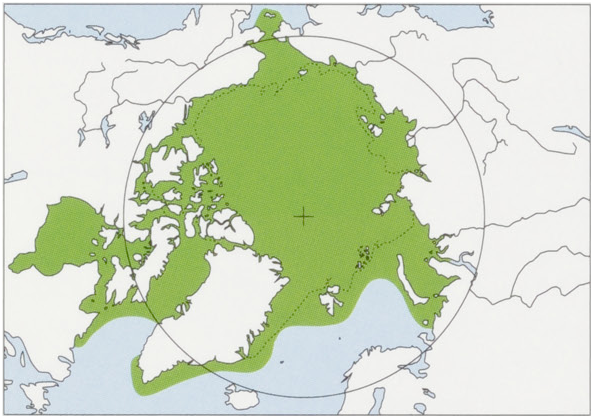
Ursus maritimus
species of bear native largely within the Arctic Circle

cheetah
The cheetah (Acinonyx jubatus) is a species of large feline and the only living member of the genus Acinonyx. An iconic pursuit predator, it is the fastest land animal, capable of running at ; it has evolved for speed, having powerful hindlimb muscles, long limbs and a flexible spine. The cheetah has a tawny to creamy white or pale buff fur that is marked with evenly spaced, solid black spots. The head is small and rounded, with a short snout and black tear-like facial streaks. It reaches at the shoulder, and the head-and-body length is between . Adults weigh between .
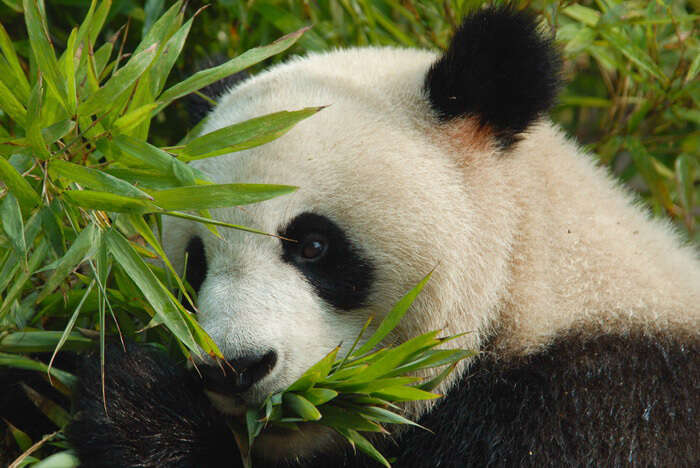
Giant panda
species of mammal

Nile hippopotamus
The hippopotamus (Hippopotamus amphibius; ; : hippopotamuses), often shortened to hippo (: hippos), further qualified as the common hippopotamus, Nile hippopotamus and river hippopotamus, is a large semiaquatic mammal native to sub-Saharan Africa. It is one of only two extant species in the family Hippopotamidae, the other being the pygmy hippopotamus (Choeropsis liberiensis or Hexaprotodon liberiensis). Its name comes from the Ancient Greek for "river horse" ().
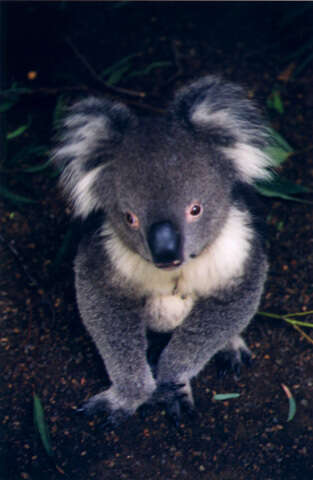
koala
The koala (Phascolarctos cinereus), sometimes inaccurately called the koala bear, is an arboreal herbivorous marsupial native to Australia. It is the only extant representative of the family Phascolarctidae. Its closest living relatives are the wombats. The koala is found in coastal areas of the continent's eastern and southern regions, inhabiting Queensland, New South Wales, Victoria, and South Australia. It is easily recognisable by its stout, tailless body and large head with round, fluffy ears and large, dark nose. The koala has a body length of and weighs . Its fur colour ranges from silv

Rangifer tarandus
The reindeer or caribou (Rangifer tarandus) is a species of deer with circumpolar distribution, native to Arctic, subarctic, tundra, boreal, and mountainous regions of Northern Europe, Siberia, and North America. It is the only representative of the genus Rangifer. More recent studies suggest the splitting of reindeer and caribou (North American terminology). "All caribou and reindeer throughout the world are considered to be the same species, but there are 7 subspecies."

walrus
The walrus (Odobenus rosmarus; plural walrus or walruses) is a large pinniped marine mammal with discontinuous distribution about the North Pole in the Arctic Ocean and subarctic seas of the Northern Hemisphere. It is the only extant species in the family Odobenidae and genus Odobenus. This species is subdivided into two subspecies: the Atlantic walrus (O. r. rosmarus), which lives in the Atlantic Ocean, and the Pacific walrus (O. r. divergens), which lives in the Pacific Ocean.
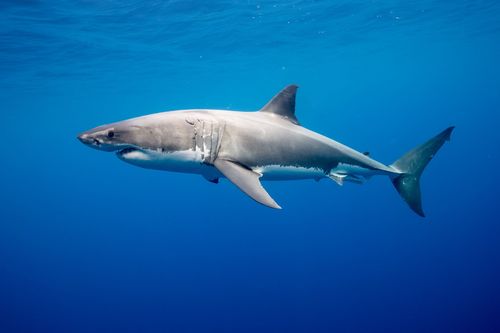
great white shark
species of large lamniform shark

wolverine
The wolverine ( , ; Gulo gulo), also called the carcajou or quickhatch (from East Cree, kwiihkwahaacheew), is the largest land-dwelling member of the family Mustelidae. It is a muscular carnivore and a solitary animal. The wolverine has a reputation for ferocity and strength out of proportion to its size, with the documented ability to kill prey many times larger than itself.
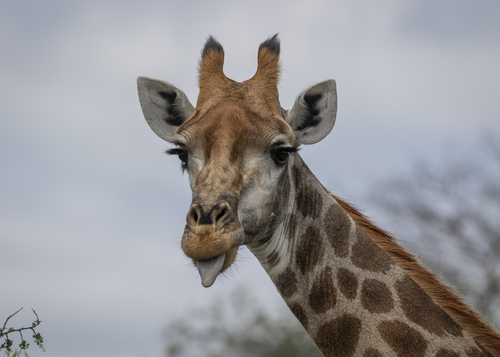
Giraffa
Giraffes (genus Giraffa) are large African hoofed mammals. They are the tallest living terrestrial animals and the largest ruminants on Earth. They are classified under the family Giraffidae, along with their closest extant relative, the okapi. Traditionally, giraffes have been thought of as one species, Giraffa camelopardalis, with nine subspecies. Most recently, researchers proposed dividing them into four extant species, with seven subspecies, which can be distinguished morphologically by their fur coat patterns. Six valid extinct species of Giraffa are known from the fossil record.

sperm whale
largest species of toothed whale

Snowy Owl
species of bird
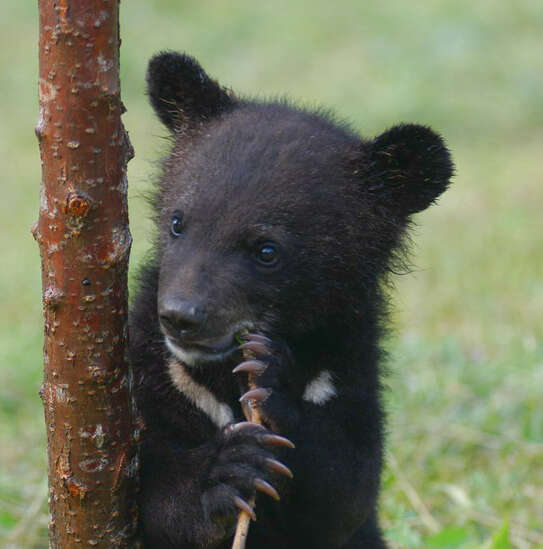
Ursus thibetanus
species of mammal

European Turtle Dove
species of bird

Common Redshank
species of bird

Andean Condor
species of bird
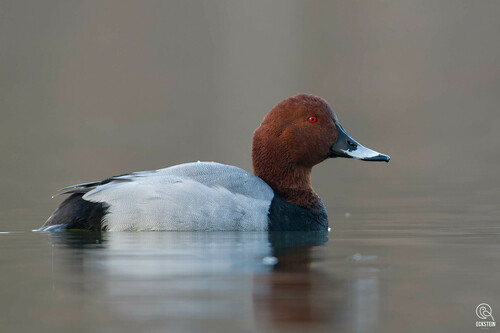
Common Pochard
species of bird

king cobra
species of reptile

Iberian lynx
specie of felid native to the Iberian Peninsula
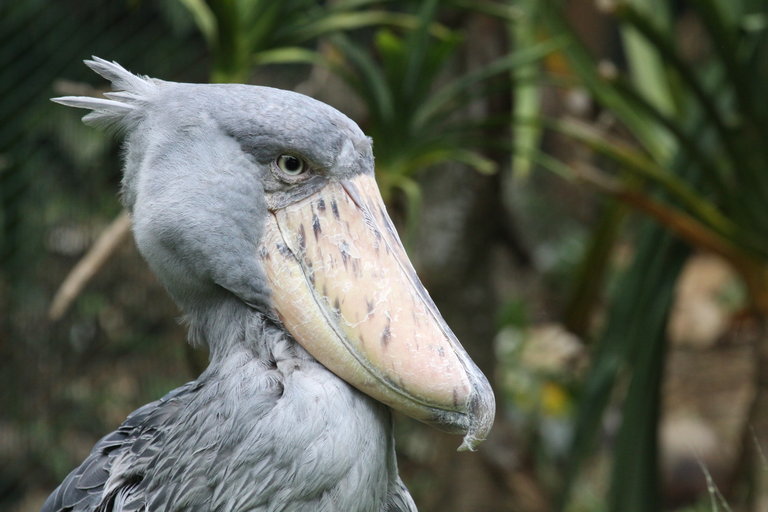
Shoebill
The shoebill (Balaeniceps rex), also known as the whale-headed stork, whalebill, and shoe-billed stork, is a large long-legged wading bird. It is named for its enormous, shoe-shaped bill. It has a somewhat stork-like overall form and was previously classified as a stork in the order Ciconiiformes, but genetic evidence places it with pelicans and herons in the Pelecaniformes. Adults are mainly grey, while juveniles are browner. It lives in tropical East Africa in large swamps from South Sudan to Zambia.

clouded leopard
species of mammal
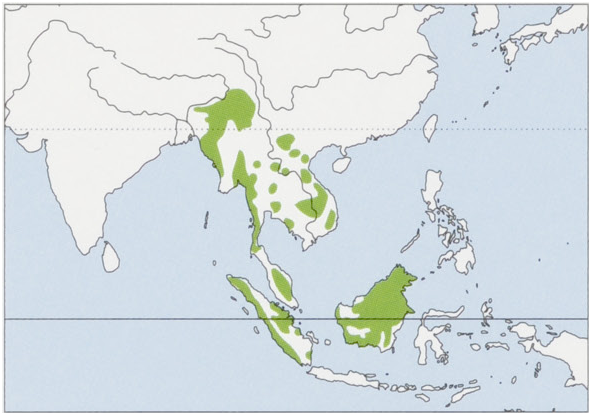
Helarctos malayanus
bear found in tropical forest habitats of Southeast Asia

dugong
The dugong (; Dugong dugon) is a marine mammal. It is one of four living species of the order Sirenia, which also includes three species of manatees. It is the only living representative of the once-diverse family Dugongidae; its closest modern relative, Steller's sea cow (Hydrodamalis gigas), was hunted to extinction in the 18th century.
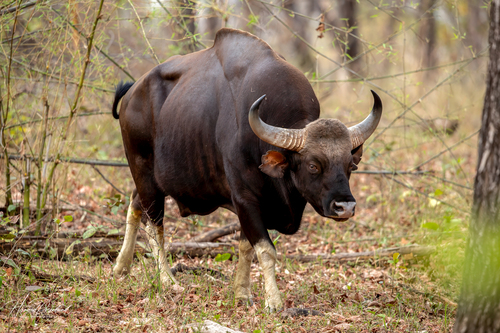
Bos gaurus
The gaur (Bos gaurus; ), also known as the Indian bison, is a large bovine native to the Indian subcontinent and Southeast Asia, and has been listed as Vulnerable on the IUCN Red List since 1986. The global population was estimated at a maximum of 21,000 mature individuals in 2016, with the majority of those existing in India.
It is the largest species among the wild cattle and the Bovidae.

Indian rhinoceros
species of mammal
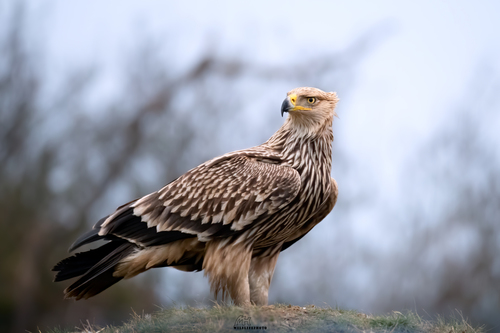
Imperial Eagle
species of bird

Atlantic Puffin
species of seabird

Red-footed Falcon
species of bird

Long-tailed Duck
species of bird
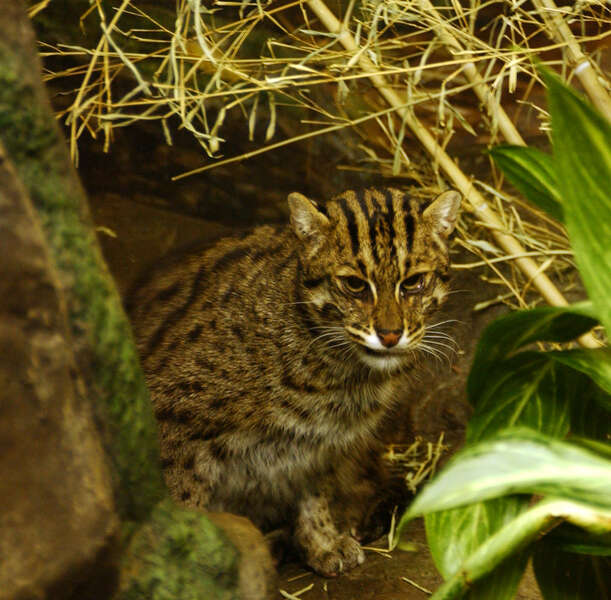
fishing cat
species of wild cat

Profelis aurata
wild cat endemic to the rainforests of West and Central Africa.
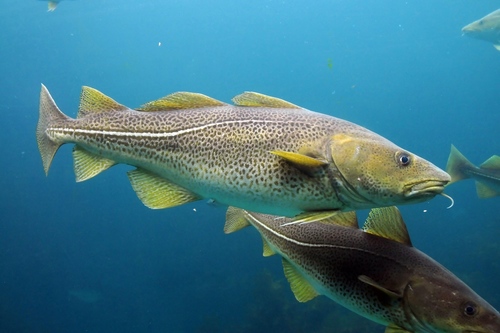
Gadus morhua
benthopelagic fish of the family Gadidae

Horned Grebe
species of bird

fire salamander
species of amphibian
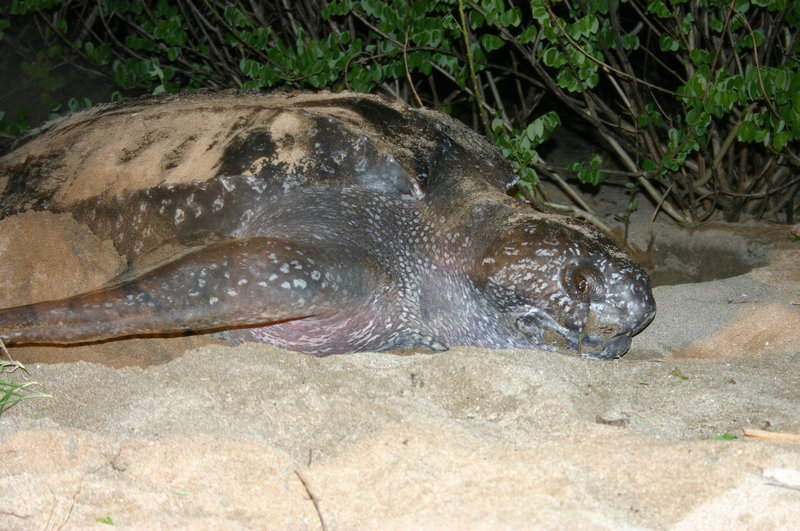
leatherback sea turtle
species of reptile

Greater Spotted Eagle
species of bird

Dionaea muscipula
carnivorous plant
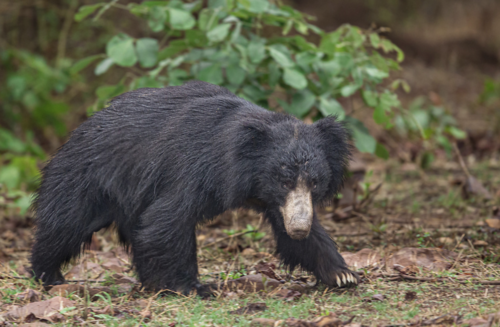
sloth bear
species of bear common to the Indian subcontinent
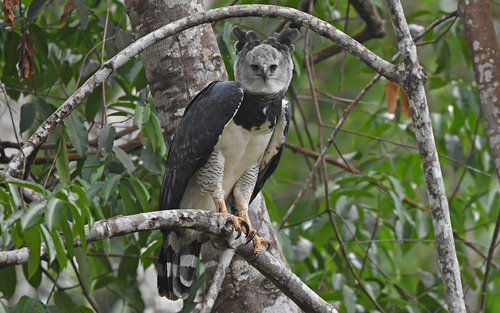
Harpy Eagle
species of eagle
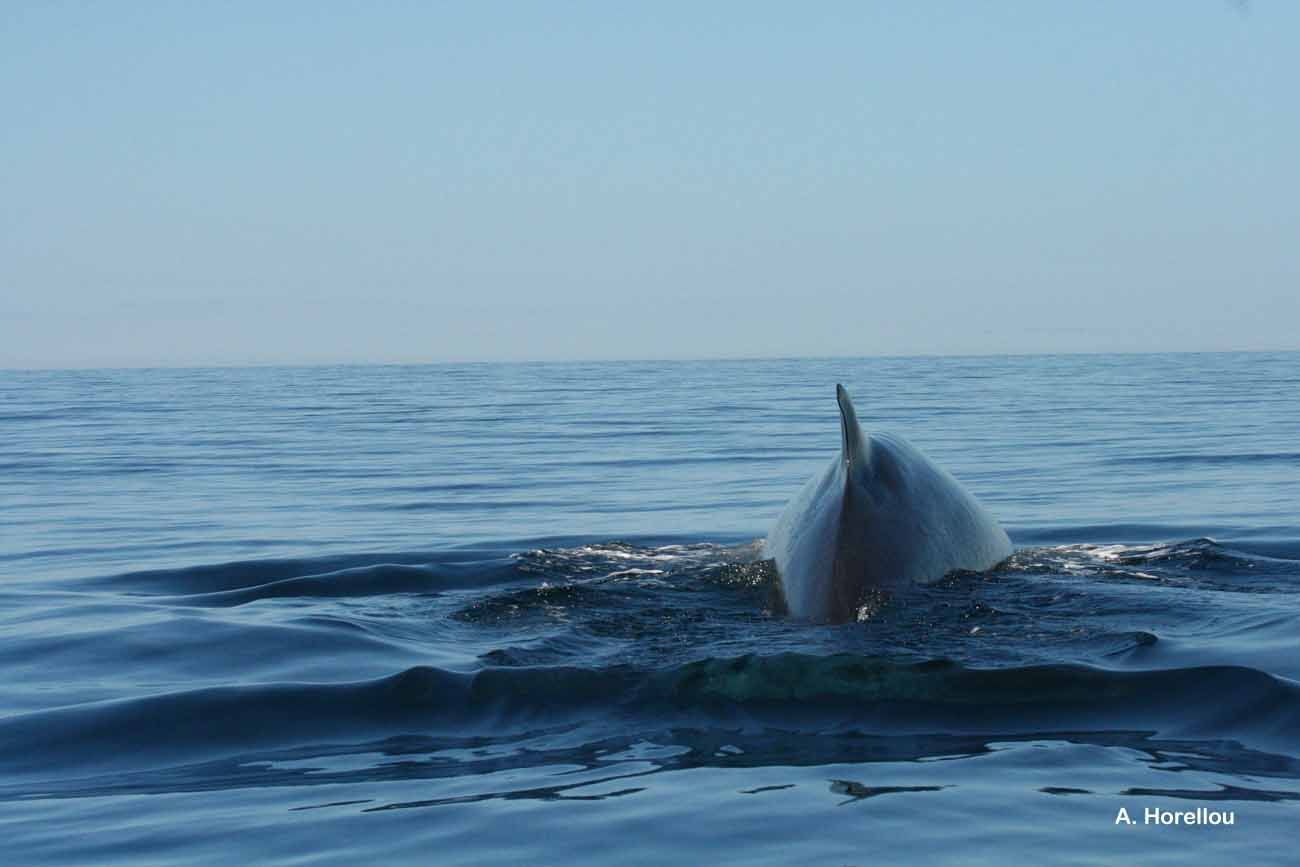
fin whale
baleen whale, and second-largest mammal species
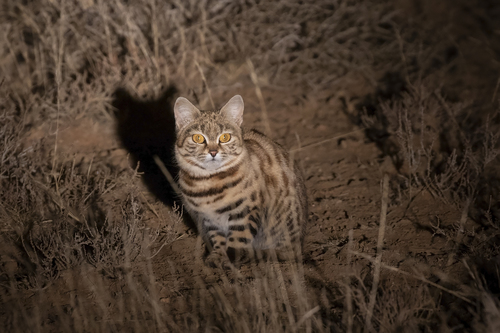
black-footed cat
species of cat
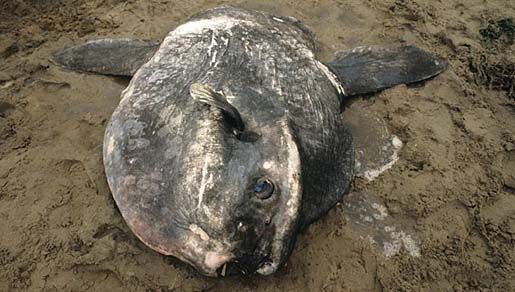
ocean sunfish
species of fish

Grey Plover
species of bird

Cedrus libani
species of plant
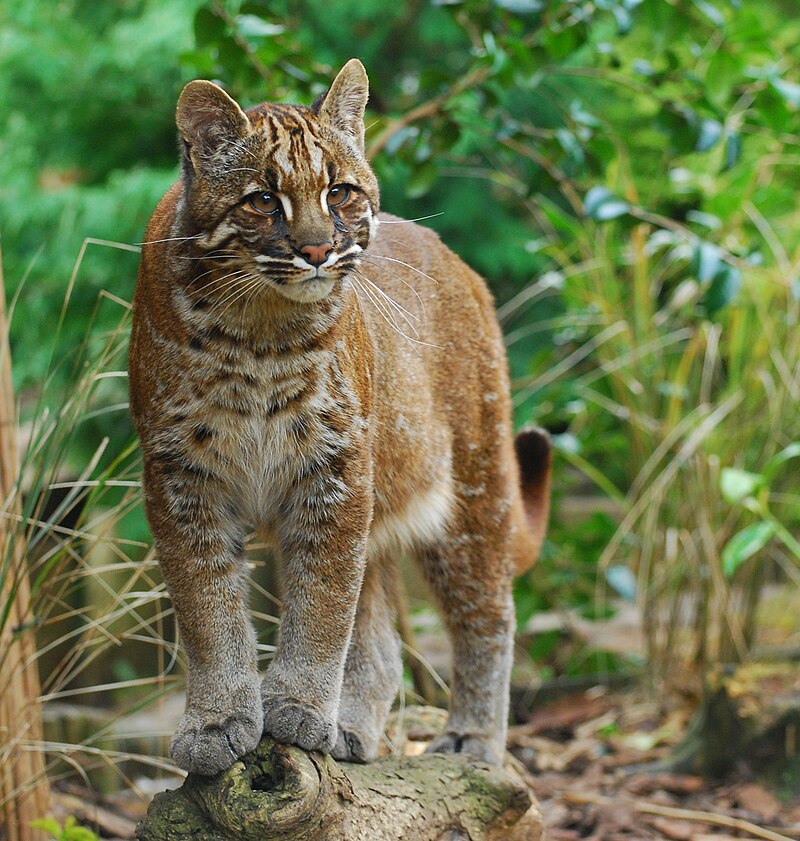
Pardofelis temminckii
species of mammal
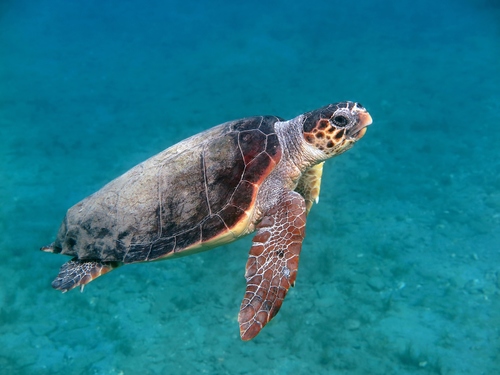
loggerhead sea turtle
species of turtle
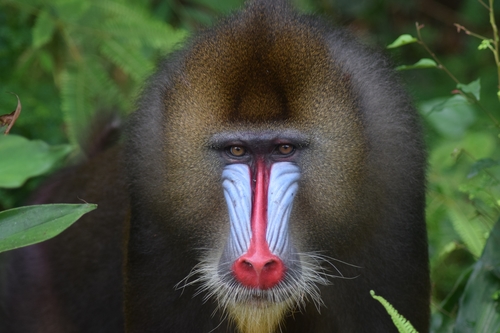
mandrill
The mandrill (Mandrillus sphinx) is a large Old World monkey native to west central Africa. It is one of the most colorful mammals in the world, with red and blue skin on its face and posterior. The species is sexually dimorphic, as males have a larger body, longer canine teeth and brighter coloring. Its closest living relative is the drill, with which it shares the genus Mandrillus. Both species were traditionally thought to be baboons, but further evidence has shown that they are more closely related to white-eyelid mangabeys.

Black-legged Kittiwake
species of bird

quokka
The quokka (; Setonix brachyurus) is a small macropod about the size of a domestic cat. It is the only member of the genus Setonix. Like other marsupials in the macropod family (such as kangaroos and wallabies), the quokka is herbivorous and mainly nocturnal.
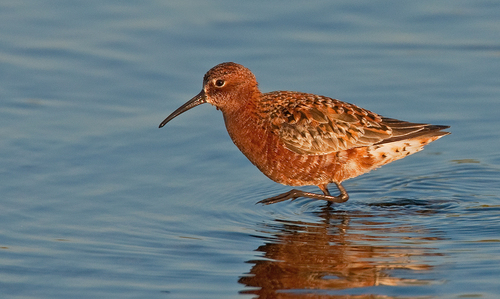
Curlew Sandpiper
species of bird

lesser white-fronted goose
species of bird
.jpg)
oncilla
The oncilla (Leopardus tigrinus), also known as the northern tiger cat, little spotted cat, and tigrillo, is a small spotted cat ranging from Central America to central Brazil. It is listed as Vulnerable on the IUCN Red List, and the population is threatened by deforestation and conversion of habitat to agricultural land.

haddock
The haddock (Melanogrammus aeglefinus) is a saltwater ray-finned fish from the family Gadidae, the true cods. It is the only species in the monotypic genus Melanogrammus. It is found in the North Atlantic Ocean and associated seas, where it is an important species for fisheries, especially in northern Europe, where it is marketed fresh, frozen and smoked; smoked varieties include the Finnan haddie and the Arbroath smokie. Other smoked versions include long boneless, the filleted side of larger haddock smoked in oak chips with the skin left on the fillet.
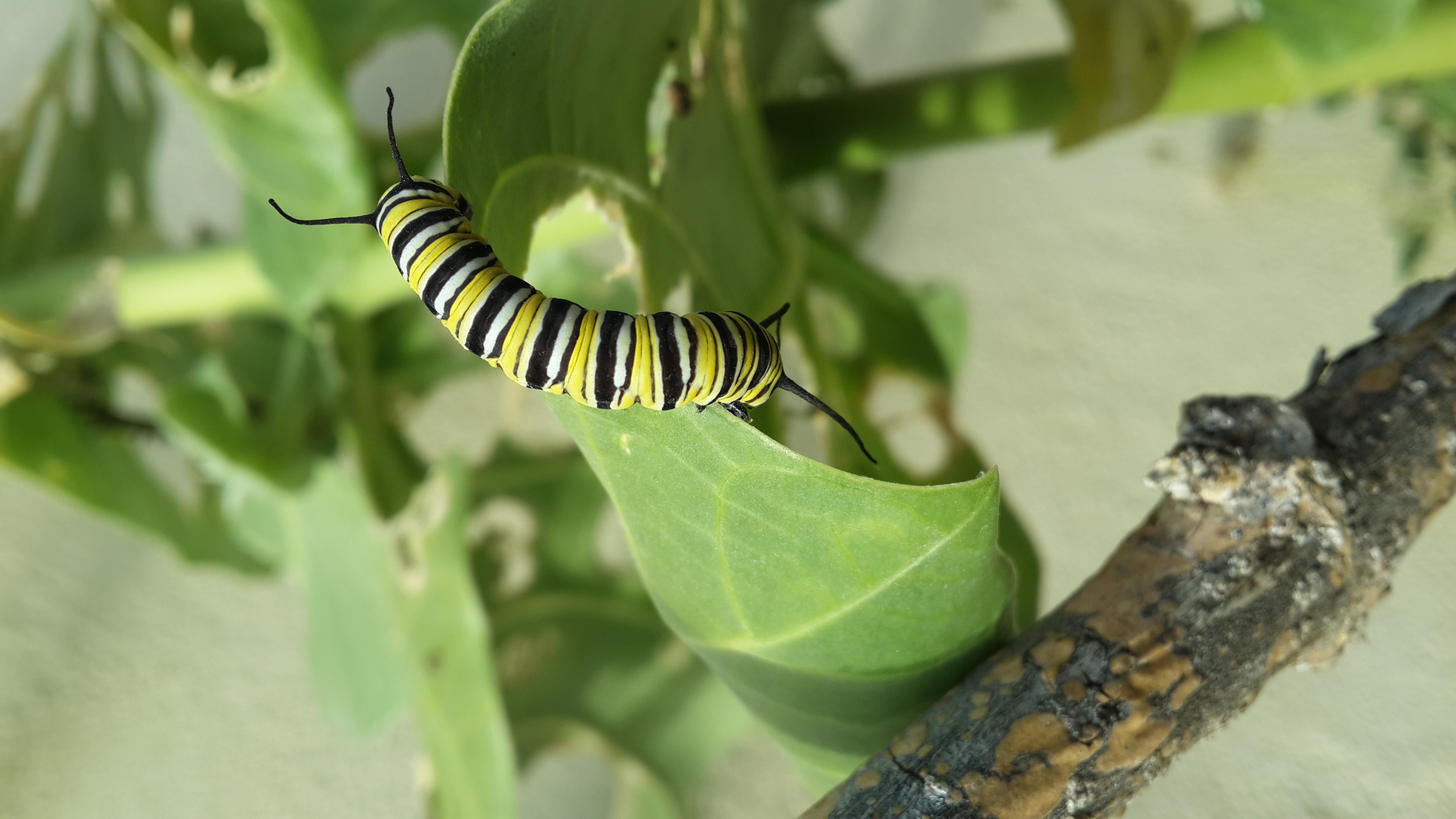
Danaus plexippus
milkweed butterfly in the family Nymphalidae

Velvet Scoter
species of bird

Broad-billed Sandpiper
species of bird

Red-breasted Goose
species of bird

giant anteater
species of mammal