Category
page 1Mammal families
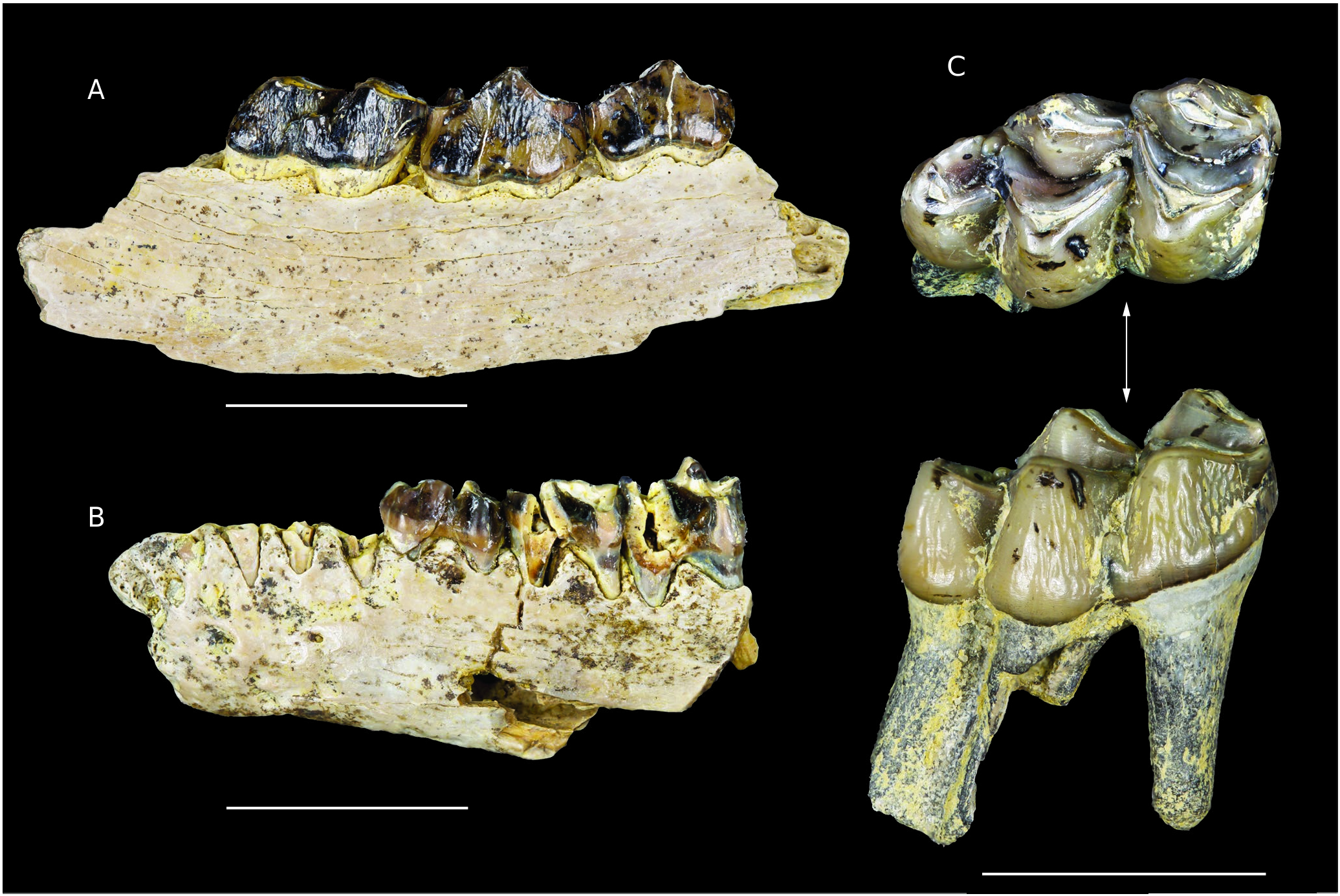
Cervidae
A deer (: deer) or true deer is a hoofed ruminant ungulate of the family Cervidae (informally the deer family). Cervidae is divided into subfamilies Cervinae (which includes muntjac, elk, red deer, and fallow deer) and Capreolinae (which includes reindeer, white-tailed deer, roe deer, and moose). Male deer of almost all species (except the water deer), as well as female reindeer, grow and shed new antlers each year. These antlers are bony extensions of the skull and are often used for combat between males.
Felidae
Felidae ( ) is the family of mammals in the order Carnivora colloquially referred to as cats. A member of this family is also called a felid ( ).
.jpg)
Canidae
Canidae (; from Latin, canis, "dog") is a biological family of caniform carnivorans, constituting a clade. A member of this family is a canid (, rarely ), colloquially referred to as dogs. The family includes three subfamilies: the Caninae, and the extinct Borophaginae and Hesperocyoninae. The Caninae are the canines, and include domestic dogs, wolves, coyotes, raccoon dogs, foxes, jackals and other species.

Hominidae
The Hominidae (; hominids ), whose members are known as the great apes, are a taxonomic family of primates that includes eight extant species in four genera: Pongo (the Bornean, Sumatran and Tapanuli orangutan); Gorilla (the eastern and western gorilla); Pan (the chimpanzee and the bonobo); and Homo, of which only modern humans (Homo sapiens) remain.

rabbits and hares
thumb|Skeleton of Alaskan hare on display at the Museum of Osteology
Leporidae () is the family of rabbits and hares (Lepus), containing over 70 species of extant mammals in all. Together with the pikas, the Leporidae constitute the mammalian order Lagomorpha. Leporidae differ from pikas in that they have short, furry tails and elongated ears and hind legs.
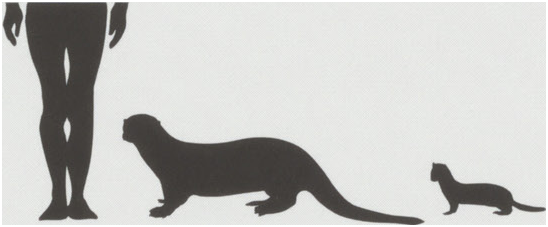
Mustelidae
The Mustelidae (; from Latin , weasel) are a diverse family of carnivoran mammals, including weasels, badgers, otters, polecats, martens, grisons, and wolverines. Otherwise known as mustelids (), they form the largest family in the suborder Caniformia of the order Carnivora with about 66 to 70 species in nine subfamilies.
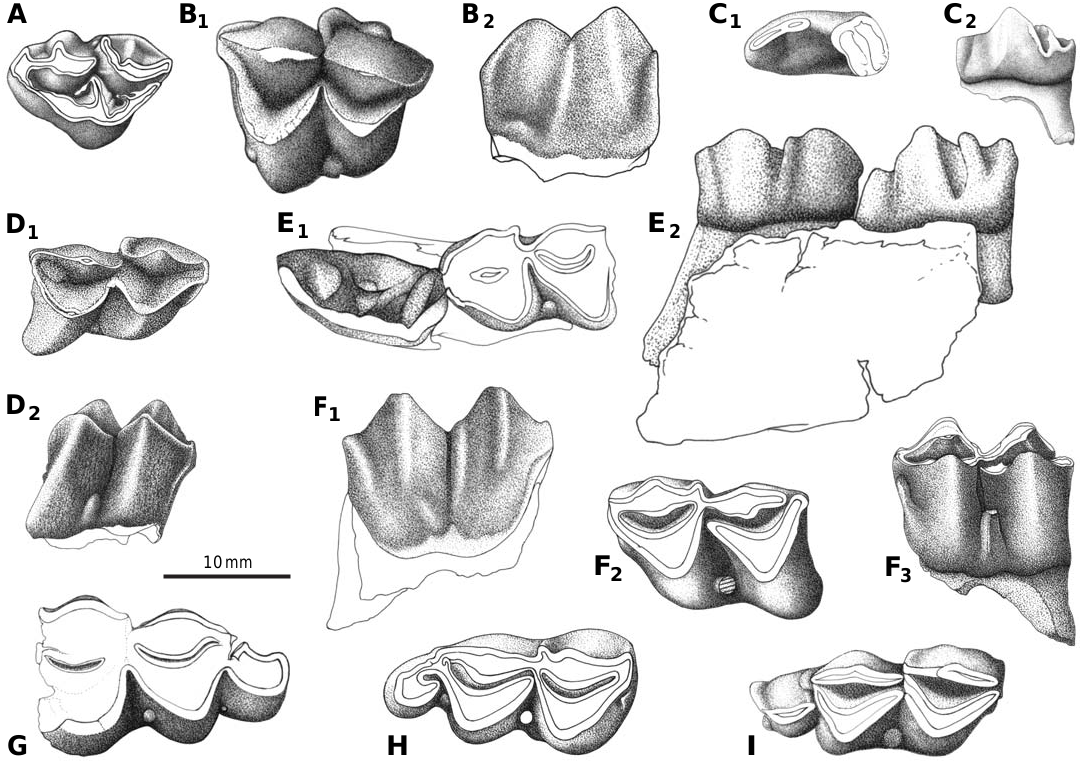
Bovidae
Bovidae is the biological family of cloven-hoofed, ruminant mammals that includes cattle, bison, buffalo, antelopes, and goat-antelopes such as sheep and goats. There are 143 extant species and 300 known extinct species of bovids, which are divided into either 11 major subfamilies, or two subfamilies with thirteen tribes. The earliest known bovid had evolved by 20 million years ago, in the early Miocene.

Trichechus
Manatees (, family Trichechidae, genus Trichechus) are large, fully aquatic, mostly herbivorous marine mammals sometimes known as sea cows. There are three accepted living species of Trichechidae, representing three of the four living species in the order Sirenia: the Amazonian manatee (Trichechus inunguis), the West Indian manatee (Trichechus manatus), and the West African manatee (Trichechus senegalensis). They measure up to long, weigh as much as , and have paddle-like tails.
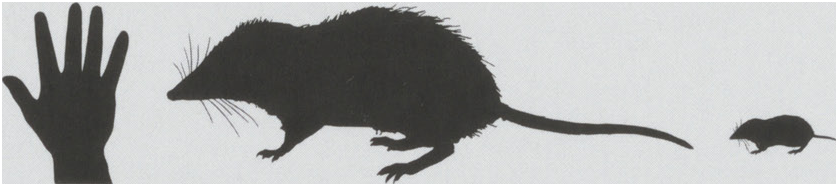
Erinaceidae
Erinaceidae (from Latin erinaceus, "hedgehog") is a family in the order Eulipotyphla, consisting of the hedgehogs and moonrats. Until recently, it was assigned to the order Erinaceomorpha, which has been subsumed with the paraphyletic Soricomorpha into Eulipotyphla. Eulipotyphla has been shown to be monophyletic; Soricomorpha is paraphyletic because both Soricidae and Talpidae share a more recent common ancestor with Erinaceidae than with solenodons.

Equidae
Equidae (commonly known as the horse family) is the taxonomic family of horses and related animals, including asses, zebras, and many extinct species known only from fossils. The family evolved more than 50 million years ago, in the Eocene epoch, from a small, multi-toed ungulate into larger, single-toed animals. All extant species are in the genus Equus, which originated in North America. Equidae belongs to the order Perissodactyla, which includes the extant tapirs and rhinoceros, and several extinct families. It is more specifically grouped within the superfamily Equoidea, the only other fam
Talpidae
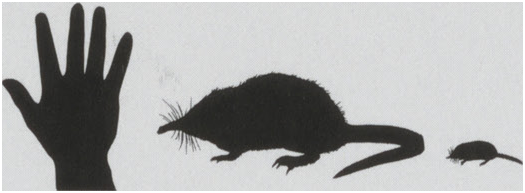
The family Talpidae () includes the true moles (as well as the shrew moles and desmans) who are small insectivorous mammals of the order Eulipotyphla. Talpids are all digging animals to various degrees: moles are completely subterranean animals; shrew moles and shrew-like moles somewhat less so; and desmans, while basically aquatic, excavate dry sleeping chambers; whilst the quite unique star-nosed mole is equally adept in the water and underground. Talpids are found across the Northern Hemisphere of Eurasia and North America (although none are found in Ireland nor in the Americas south of nor
Elephantidae
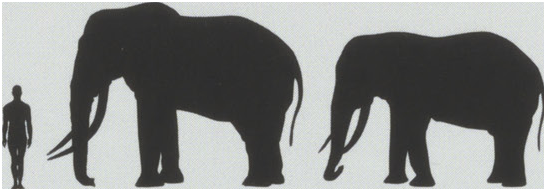
Elephantidae is a family of large, herbivorous proboscidean mammals which includes the living elephants (belonging to the genera Elephas and Loxodonta), as well as a number of extinct genera like Mammuthus (mammoths) and Palaeoloxodon. They are large terrestrial mammals with a snout modified into a trunk and teeth modified into tusks. Most genera and species in the family are extinct. Some extinct members are among the largest known terrestrial mammals ever.

Dasypodidae
Dasypodidae is a family of mostly extinct genera of armadillos. One genus, Dasypus, is extant, with eight living species.

Mephitidae
Mephitidae is a family of mammals comprising the skunks and stink badgers. They are noted for the great development of their anal scent glands, which they use to deter predators. Skunks were formerly classified as a subfamily of the Mustelidae (the weasel family); however, in the 1990s, genetic evidence caused skunks to be treated as a separate family. Similarly, the stink badgers had been classified with badgers, but genetic evidence shows they share a more recent common ancestor with skunks, so they are now included in the skunk family. A 2017 study using retroposon markers indicated that th

Suidae
Suidae is a family of artiodactyl mammals which are commonly called pigs, hogs, or swine. In addition to numerous fossil species, 18 extant species are currently recognized (or 19 counting domestic pigs and wild boars separately), classified into between four and eight genera. Within this family, the genus Sus includes the domestic pig, Sus scrofa domesticus or Sus domesticus, and many species of wild pig from Europe to the Pacific. Other genera include babirusas and warthogs. All suids, or swine, are native to the Old World, ranging across Afro-Eurasia.
%20(white%20background).jpg)
Procyonidae
Procyonidae ( ) is a New World family of the order Carnivora. It includes the raccoons, ringtails, cacomistles, coatis, kinkajous, olingos, and olinguitos. Procyonids inhabit a wide range of environments and are generally omnivorous.
Camelidae
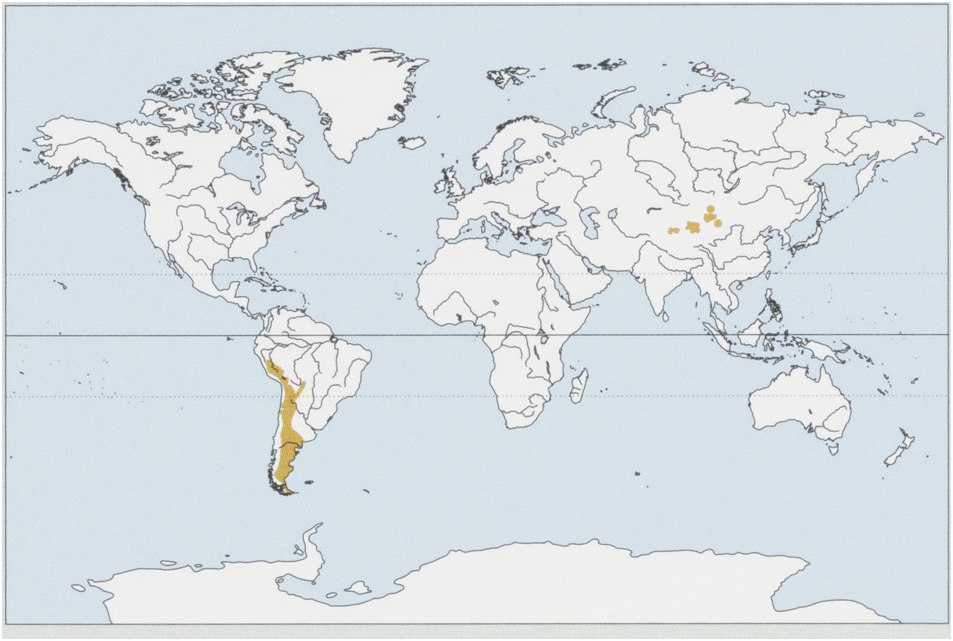
Camelidae is a family of mammals belonging to the ungulate order Artiodactyla (even-toed ungulates) and the only living family in the suborder Tylopoda. The seven extant species of camelid are divided into two tribes, Camelini, including dromedary camels, Bactrian camels and wild Bactrian camels, and Lamini, including llamas, alpacas, vicuñas, and guanacos.
Viverridae
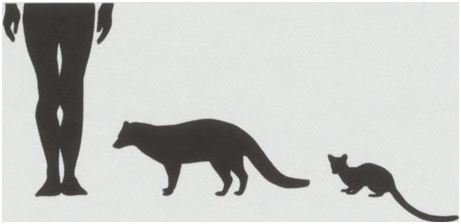
Viverridae is a family of small to medium-sized feliform mammals, comprising 14 genera with 33 species. This family was named and first described by John Edward Gray in 1821. Viverrids occur all over Africa, in southern Europe, and in South and Southeast Asia on both sides of the Wallace Line.

Otariidae
family of mammals
Macropodidae
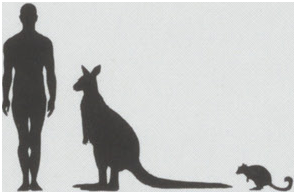
Macropodidae is a family of marsupials that includes kangaroos, wallabies, tree-kangaroos, wallaroos, pademelons, the quokka, and several other groups. These genera are allied to the suborder Macropodiformes, containing other macropods, and are native to the Australian continent (the mainland and Tasmania), New Guinea and nearby islands. there are 63 recognised living species in this family.
Hippopotamidae
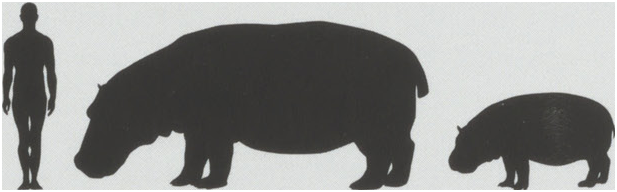
Hippopotamidae is a family of stout, naked-skinned, and semiaquatic artiodactyl mammals, possessing three-chambered stomachs and walking on four toes on each foot. While they resemble pigs physiologically, their closest living relatives are the cetaceans. They are formally referred to as hippopotamids.

Pteropodidae
Megabats constitute the family Pteropodidae of the order Chiroptera. They are also called fruit bats, Old World fruit bats, or—especially the genera Acerodon and Pteropus—flying foxes. They are the only member of the superfamily Pteropodoidea, which is one of two superfamilies in the suborder Yinpterochiroptera. Internal divisions of Pteropodidae have varied since subfamilies were first proposed in 1917. From three subfamilies in the 1917 classification, six are now recognized, along with various tribes. As of 2018, 197 species of megabat had been described.

Giraffidae
The Giraffidae are a family of ruminant artiodactyl mammals that share a recent common ancestor with deer and bovids. This family, once a diverse group spread throughout Eurasia and Africa, presently comprises only two extant genera, the giraffe (between one and eight, usually four, species of Giraffa, depending on taxonomic interpretation) and the okapi (the only known species of Okapia). Both are confined to sub-Saharan Africa: the giraffe to the open savannas, and the okapi to the dense rainforest of the Congo. The two genera look very different on first sight, but share a number of common
.JPG)
Tragulidae
Chevrotains, or mouse-deer, are small, even-toed ungulates that make up the family Tragulidae, and are the only living members of the infraorder Tragulina. The 10 extant species are placed in three genera, but several species also are known only from fossils. The extant species are found in forests in South and Southeast Asia; a single species, the water chevrotain, is found in the rainforests of Central and West Africa. In November 2019, conservation scientists announced that they had photographed silver-backed chevrotains (Tragulus versicolor) in a Vietnamese forest for the first time s
Balaenidae
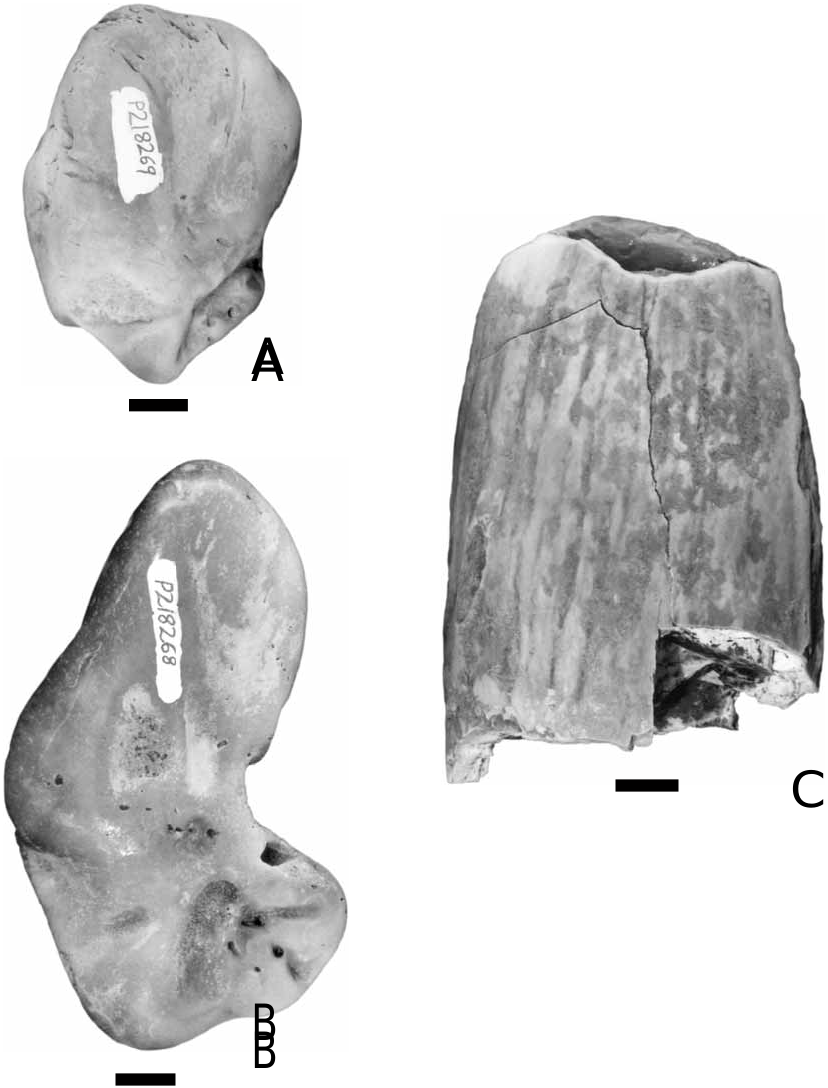
Balaenidae () is a family of whales of the parvorder Mysticeti (baleen whales) that contains mostly fossil taxa and two living genera: the right whale (genus Eubalaena), and the closely related bowhead whale (genus Balaena).
Monodontidae
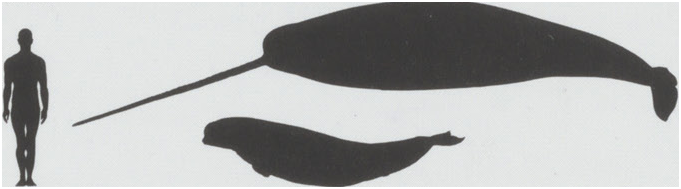
The cetacean family Monodontidae comprises two living whale species, the narwhal and the beluga whale and at least four extinct species, known from the fossil record. Beluga and narwhal are native to coastal regions and pack ice around the Arctic Ocean. Both species are relatively small whales, in length, with a forehead melon, and a short or absent snout. Premaxillary teeth are absent. They do not have a true dorsal fin, but do have a narrow ridge running along the back, which is much more pronounced in the narwhal. They are highly vocal animals, communicating with a wide range of sounds. Lik
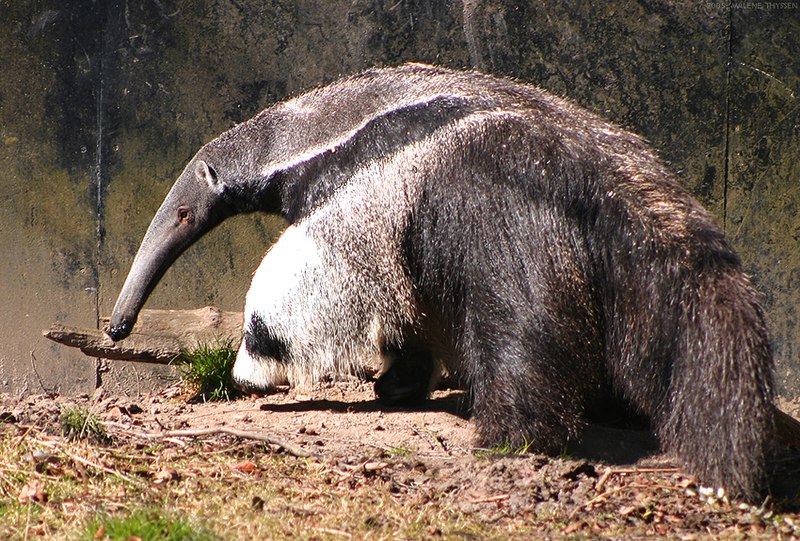
Myrmecophagidae
The Myrmecophagidae are a family of anteaters. Two genera and three species are in the family, consisting of the giant anteater, and the tamanduas. The fossil Eurotamandua from the Messel Pit in Germany may be an early anteater, but its status is currently debated. The name is derived from the Ancient Greek words (), meaning "ant", and (''''), meaning "eater".

Orycteropodidae
Orycteropodidae is a family of afrotherian mammals. Although there are many fossil species, the only species surviving today is the aardvark (Orycteropus afer). Orycteropodidae is recognized as the only family within the order Tubulidentata, (), referring to the tubule-style teeth, so the two are effectively synonyms.

Dasyuridae
The Dasyuridae are a family of marsupials native to Australia and New Guinea, including 71 extant species divided into 17 genera. Many are small and mouse-like or shrew-like, giving some of them the name marsupial mice or marsupial shrews, but the group also includes the cat-sized quolls, as well as the Tasmanian devil. They are found in a wide range of habitats, including grassland, underground, forests, and mountains. Some species are arboreal or semiaquatic. The Dasyuridae are often called the 'marsupial carnivores', as most members of the family are insectivores.
.jpg)
Moschidae
Moschidae is a family of pecoran even-toed ungulates, containing the musk deer (Moschus) and its extinct relatives. They are characterized by long "saber teeth" instead of horns, antlers or ossicones, modest size (Moschus only reaches ; other taxa were even smaller) and a lack of facial glands. While various Oligocene and Miocene pecorans were previously assigned to this family, recent studies find that most should be assigned to their own clades, although further research would need to confirm these traits. As a result, Micromeryx, Hispanomeryx, and Moschus are the only undisputed moschid mem
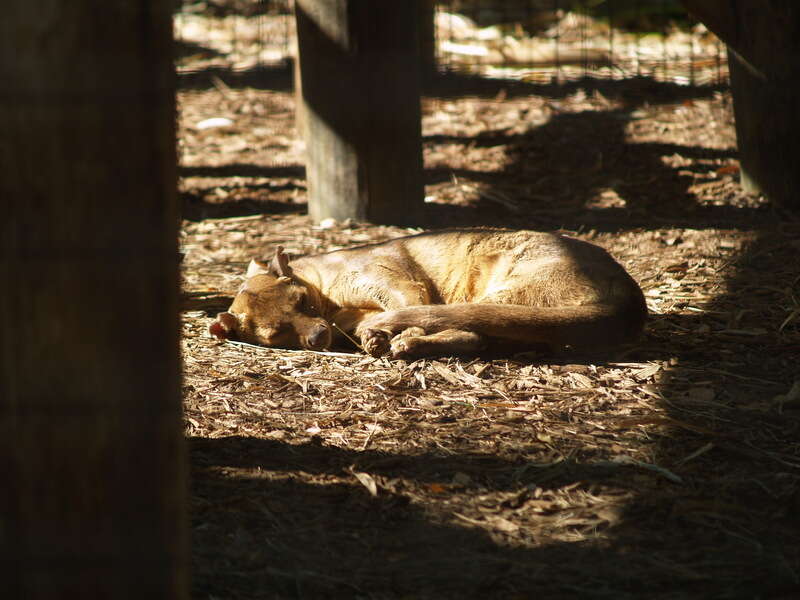
Eupleridae
Eupleridae is a family of carnivorans endemic to Madagascar and comprising 10 known living species in seven genera, commonly known as euplerids or Malagasy carnivorans. The best known species is the fossa (Cryptoprocta ferox), in the subfamily Euplerinae. All species of Euplerinae were formerly classified as viverrids, while all species in the subfamily Galidiinae were classified as mongooses.
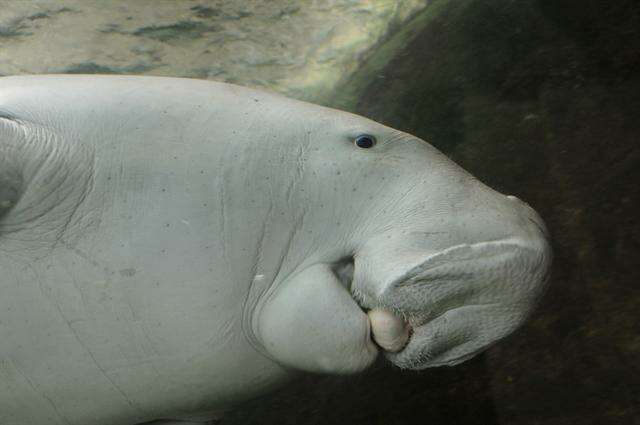
Dugongidae
Dugongidae is a family in the order of Sirenia. The family has one surviving species, the dugong (Dugong dugon), one recently extinct species, Steller's sea cow (Hydrodamalis gigas), and a number of extinct genera known from fossil records.
thumb|Dugong skeleton displayed at Philippine National Museum

Peramelidae
The marsupial family Peramelidae contains the extant bandicoots. They are found throughout Australia and New Guinea, with at least some species living in every available habitat, from rainforest to desert. Four fossil peramelids are described. One known extinct species of bandicoot, the pig-footed bandicoot, was so different from the other species, it was recently moved into its own family.

Phalangeridae
The Phalangeridae are a family of mostly nocturnal marsupials native to Australia, New Guinea, and Eastern Indonesia as far west as Sulawesi, including the cuscuses, brushtail possums, and their close relatives. Considered a type of possum, most species are arboreal, and they inhabit a wide range of forest habitats from alpine woodland to eucalypt forest and tropical jungle. Many species have been introduced to various non-native habitats by humans for thousands of years.
Antilocapridae
The Antilocapridae are a family of ruminant artiodactyls endemic to North America. Their closest extant relatives are the giraffids. Only one species, the pronghorn (Antilocapra americana), is living today; all other members of the family are extinct. The living pronghorn is a small ruminant mammal resembling an antelope.
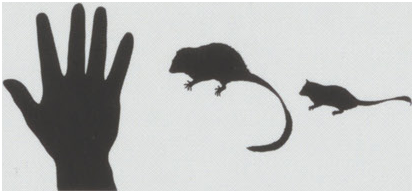
Acrobatidae
The Acrobatidae are a small family of gliding marsupials containing two genera, each with a single species, the feathertail glider (Acrobates pygmaeus) from Australia and feather-tailed possum (Distoechurus pennatus) from New Guinea.
Petauridae
Petauridae is a family of possums containing 14 species: four species of trioks and striped possum (genus Dactylopsila), eight species of wrist-winged glider (genus Petaurus), and Leadbeater's possum (Gymnobelideus leadbeateri), which has only vestigial gliding membranes. Most of the wrist-winged gliders are native to Australia, whereas most of the striped possums to New Guinea, but some members of each group are found on both sides of the Torres Strait. Leadbeater's possum is endemic to Victoria, Australia.

Potoroidae
Potoroidae is a family of marsupials, small Australian animals known as bettongs, potoroos, and rat-kangaroos. All are rabbit-sized, brown, jumping marsupials and resemble a large rodent or a very small wallaby.
.JPG)
Ailuridae
Ailuridae is a family in the mammal order Carnivora. The family consists of the red panda (the sole living representative) and its extinct relatives.
Thylacinidae
Thylacinidae is an extinct family of carnivorous marsupials from the order Dasyuromorphia. The only species to survive into modern times was the thylacine (Thylacinus cynocephalus), which became extinct in 1936.

Tupaiidae
Tupaiidae is one of two families of treeshrews, the other family being Ptilocercidae. The family contains three living genera and 19 living species. The family name derives from tupai, the Malay word for treeshrew and also for squirrel which tupaiids superficially resemble. The former genus Urogale was disbanded in 2011 when the Mindanao treeshrew was moved to Tupaia based on a molecular phylogeny.
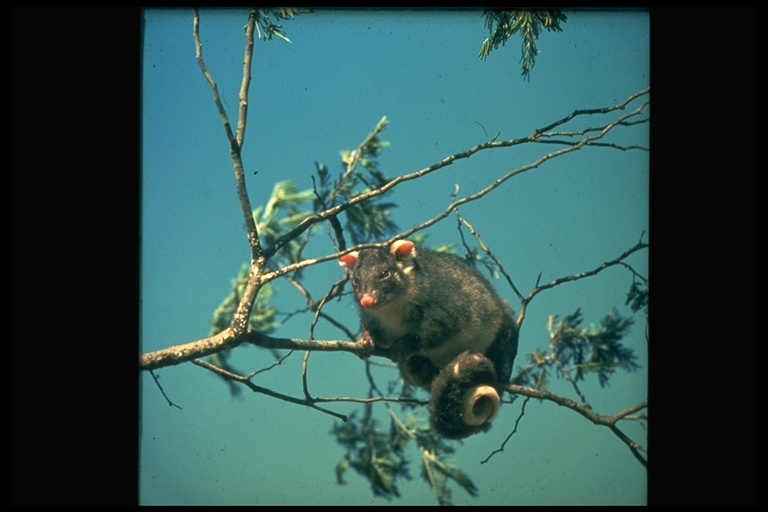
Pseudocheiridae
Pseudocheiridae is a family of arboreal marsupials containing 17 extant species of ringtailed possums and close relatives. They are found in forested areas and shrublands throughout Australia and New Guinea.

Iniidae
Iniidae is a family of river dolphins containing one living genus, Inia, and four extinct genera. The living genus lives in the river basins of South America, but the family formerly had a wider presence across the Atlantic Ocean.

Phascolarctidae
The Phascolarctidae (φάσκωλος (phaskolos) - pouch or bag, ἄρκτος (arktos) - bear, from the Greek phascolos + arctos meaning pouched bear) is a family of marsupials of the order Diprotodontia, consisting of only one extant species, the koala, and six well-known fossil species, with another six less well known fossil species, and two fossil species of the genus Koobor, whose taxonomy is debatable but are placed in this group. The closest relatives of the Phascolarctidae are the wombats, which comprise the family Vombatidae.

Kogiidae
Kogiidae is a family comprising at least two extant species of Cetacea, the pygmy (Kogia breviceps) and dwarf (K. sima) sperm whales. As their common names suggest, they somewhat resemble sperm whales, with squared heads and small lower jaws, but are much smaller, with much shorter skulls and more notable dorsal fins than sperm whales. Kogiids are also characterized by a "false gill slit" behind their eyes.
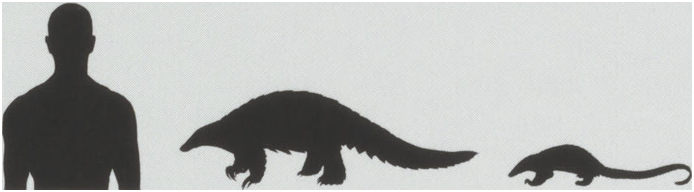
Manidae
Manidae ("spirits") is the only extant family of pangolins. This family comprises three genera (Manis from subfamily Maninae, Phataginus from subfamily Phatagininae, and Smutsia from subfamily Smutsiinae), as well as the extinct Fayum pangolin.

Odobenidae
Odobenidae is a family of pinnipeds, of which the only extant species is the walrus (Odobenus rosmarus). In the past, however, the group was much more diverse, and includes more than a dozen fossil genera.
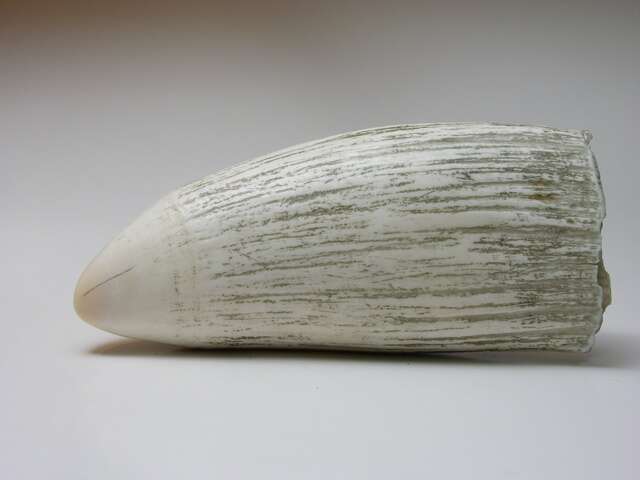
Physeteridae
REDIRECT Physeteroidea#Classification
Cetotheriidae
Cetotheriidae is a family of baleen whales (parvorder Mysticeti). The family is known to have existed from the Late Oligocene to the Early Pleistocene before going extinct. Although some phylogenetic studies conducted by recovered the living pygmy right whale as a member of Cetotheriidae, making the pygmy right whale the only living cetotheriid, other authors either dispute this placement or recover Neobalaenidae as a sister group to Cetotheriidae.
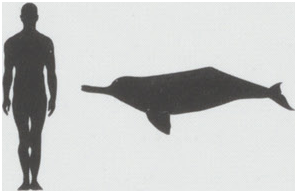
Platanistidae
Platanistidae is a family of river dolphins containing the extant Ganges river dolphin and Indus river dolphin (both in the genus Platanista) but also extinct relatives from freshwater and marine deposits in the Neogene.
Notoryctidae
Notoryctidae (; from Ancient Greek νότος (nótos), meaning "south", and ὀρυκτήρ (oruktḗs), meaning "digger") are a family of marsupials comprising the marsupial moles and their fossil relatives. It is the only family in the order Notoryctemorphia.

Eschrichtiidae
Eschrichtiidae or the gray whales is a family of baleen whale (Parvorder Mysticeti) with a single extant species, the gray whale (Eschrichtius robustus), as well as four described fossil genera: Archaeschrichtius (Miocene), Glaucabalaena and Eschrichtioides (Pliocene) from Italy, and Gricetoides from the Pliocene of North Carolina. Some phylogenetic studies have found this family to be invalid, with its members nesting inside of the clade Balaenopteridae. The names of the extant genus and the family honours Danish zoologist Daniel Eschricht.
Microbiotheriidae
Microbiotheriidae is a family of australidelphian marsupials represented by only one extant species, the monito del monte, and a number of extinct species known from fossils in South America, Western Antarctica, and northeastern Australia.
Ochotonidae
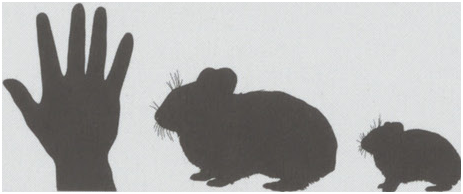
Ochotonidae is a family of small mammals belonging to the order Lagomorpha, which also contains the rabbits and hares. Members of the family are known as ochotonids, or more colloquially as pikas. While the only extant members of the family are those in the genus Ochotona, many extinct species and genera have been assigned to the family. One such genus, Prolagus, may belong to its own family, Prolagidae.

Trichechidae
Trichechidae is a family of sirenians that includes all living manatees and several extinct genera.

Chlamyphoridae
thumb|right|Taxidermied pink fairy armadillo (Chlamyphorus truncatus)
Hypsiprymnodontidae
The Hypsiprymnodontidae are a family of macropods, one of two families containing animals commonly referred to as rat-kangaroos. The single known extant genus and species in this family, the musky rat-kangaroo, Hypsiprymnodon moschatus, occurs in northern Australia. During the Pleistocene, this family included the megafauna genus Propleopus.
Cyclopedidae
The Cyclopedidae is a family of anteaters that includes the silky anteater and its extinct relative, Palaeomyrmidon.
Lipotidae
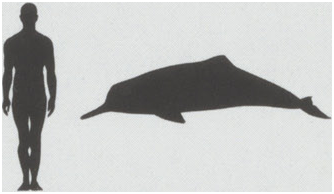
Lipotidae is a possibly extinct family of river dolphins containing the critically endangered/functionally extinct Chinese river dolphin baiji and the fossil genus Parapontoporia from the Pacific coast of North America during the Late Miocene and Pliocene The genus Prolipotes, which is based on a mandible fragment from Neogene coastal deposits in Guangxi, China, has been classified as an extinct relative of the baiji, but is dubious. The oldest known member of the family is Eolipotes from the Late Miocene of Japan.
%20colourised.png)
Potamogalidae
Potamogalidae is the family of otter shrews, a group of semiaquatic riverine afrotherian mammals indigenous to sub-Saharan Africa. They are most closely related to the tenrecs of Madagascar, from which they are thought to have split about 47–53 million years ago. They were formerly considered a subfamily of Tenrecidae.