Category
page 1Peruvian cuisine

guinea pig
domesticated rodent from South America
.jpg)
churro
A churro (, ) is a type of fried dough from Spanish and Portuguese cuisine, made with choux pastry dough piped into hot oil with a piping bag and large closed star tip or similar shape. They are also found in Latin American cuisine, Philippine cuisine and in other areas that have received immigration from Spanish- and Portuguese-speaking countries, especially in France and the Southwestern United States.

ceviche
Ceviche, cebiche, sebiche, or seviche is a cold dish consisting of fish or shellfish marinated in citrus and seasonings. Different versions of ceviche are part of the culinary cultures of various Latin American countries along the Pacific Ocean where each one is native, including Chile, Colombia, Costa Rica, Ecuador, El Salvador, Guatemala, Honduras, Mexico, Puerto Rico, Nicaragua, Panama, and Peru. Ceviche is considered the national dish of Peru and is recognized by UNESCO as an expression of Peruvian traditional cuisine and an Intangible Cultural Heritage of Humanity.
chow mein
fried noodles

chicha
thumb|250px|Chicha served at the yearly Archaeology Museum, Sogamoso|Fiesta del Huán, to celebrate the December solstice at the Sun Temple in [[Sogamoso, Boyacá, Colombia]]
Chicha is a fermented (alcoholic) or non-fermented beverage of Latin America, emerging from the Andes and Amazonia regions. In both the pre- and post-Spanish conquest periods, corn beer (chicha de jora) made from a variety of maize landraces has been the most common form of chicha. However, chicha is also made from a variety of other cultigens and wild plants, including, among others, quinoa (Chenopodium quinia), kañiwa (Ch
Peruvian cuisine
culinary traditions of Peru

Capsicum baccatum
species of chili pepper
potato bread
bread made with potato and flour

Adobo
thumb|right|—smoked, ripe jalapeño peppers in
thumb|right|Peruvian chicken made from dried (yellow lantern chili, Capsicum chinense)
' or ' (Spanish: marinade, sauce, or seasoning) is the immersion of food in a stock (or sauce) composed variously of paprika, oregano, salt, garlic, and vinegar to preserve and enhance its flavor. The Portuguese variant is known as . The practice, native to Iberia (Spanish and Portuguese cuisine), was widely adopted in Latin America, as well as Spanish and Portuguese colonies in Africa and Asia.

Lupinus mutabilis
legume grown primarily in Ecuador as a green manure and for its grain

chicharrón
'''''' is a dish generally consisting of fried pork belly or fried pork rinds. may also be made from chicken, mutton, or beef.

salchipapa
A salchipapa or salchipapas is a South American and Caribbean fast food dish commonly consumed as street food, typically consisting of thinly sliced pan-fried beef sausages and French fries, mixed together with a savory coleslaw on the side. The dish's name is a portmanteau of the Spanish words salchicha (sausage) and papa (potato). The dish is served with different sauces, such as ketchup, mayonnaise and mustard, crema de aceituna (olive sauce), along with aji or chili peppers. Sometimes a fried egg or cheese is added on top; it can also be served with tomato and lettuce, and is occasionally

Sopaipilla
A sopaipilla, sopapilla, sopaipa, or cachanga is a kind of fried pastry and a type of quick bread served in several regions with Spanish heritage in the Americas. The word sopaipilla is the diminutive of sopaipa, a word that entered Spanish from the Mozarabic language of Al-Andalus. The original Mozarabic word was used to mean bread soaked in oil. The word is derived in turn from the Germanic word , which meant bread soaked in liquid.
Lomo saltado
Peruvian stir fry dish

anticucho
Anticuchos (singular anticucho, Quechua 'Anti Kuchu', Anti: 'Eastern region of the Andes' or 'Eastern native ethnicities', Kuchu: 'Cut'; Quechua for 'Anti-style cuts', 'Eastern-style cuts') are popular and inexpensive meat dishes that originated in the Andes during the pre-Columbian era, specifically in the Antisuyu region of the Tawantinsuyu (Inca Empire). The modern dish was adapted during the colonial era between the 16th and 19th centuries and can now be found in Peru, Bolivia, Chile, and Ecuador, where they are known as "chuzos" or "carne en palito".
Locro
Locro or lojro (from the Quechua ) is a hearty thick squash or potato stew, associated with Native Andean civilizations, and popular along the Andes mountain range. It is one of the national dishes of Peru, Bolivia, Ecuador, Chile, Paraguay, Northwest Argentina and Southwestern Colombia.

chuño
'''''' () is a preserved potato product traditionally made by Quechua and Aymara communities of Bolivia and Peru, and is known in various countries of South America, including Bolivia, Peru, Chile and Northwest Argentina. It is a five-day process, obtained by exposing a bitter, frost-resistant variety of potatoes to the very low night temperatures of the Andean Altiplano, freezing them, and subsequently exposing them to the intense sunlight of the day (this being the traditional process). The word comes from Quechua , meaning 'frozen potato' ('wrinkled' in the dialects of the Junín Region).
Pastel de choclo
South American savory sweet corn pie
aji
sauce of South America's Andes region

Pachamanca
thumb|right|Pachamanca
thumb|right|Pachamanca
Pachamanca (from Quechua "earth", "pot") is a traditional Peruvian dish baked with the aid of hot stones. The earthen oven is known as a huatia. It is generally made of lamb, mutton, alpaca, llama, guanaco, vicuna, pork, beef, chicken, or guinea pig, marinated in herbs and spices. Other Andean produce, such as potato or chuño (naturally freeze-dried potato), habas (fresh green lima beans in pods), sweet potato, mashua, oca, ulluco, cassava, yacon, plantain, humitas (corn cakes), ears of corn, and chili, are often included in the baking.

natillas
() is a term in Spanish for a variety of custards and similar sweet desserts in the Spanish-speaking world. In Spain, this term refers to a custard dish made with milk and eggs, similar to other European creams as . In Colombia, the delicacy does not include eggs, and is called .
Arroz a la cubana
rice dish
Marraqueta
A marraqueta (also known by other names) is a bread roll made with wheat flour, salt, water and yeast.

Mazamorra
', or masamorra', (from , from , influenced by Spanish , 'dough') is the name for numerous traditional dishes in the Spanish and Hispanic American regional cuisines.
Papa rellena
traditional dish in Peruvian cuisine
Papa a la Hancaina
Peruvian appetizer of boiled yellow potatoes in a spicy, creamy sauce
salsa criolla
Peruvian, argentinian and uruguaya sauce
tapir casero de marte
Carapulcra, or carapulca, is an ancient Andean dish that has been prepared for centuries by both Quechua peoples and Aymara peoples. The original term for this dish in the Aymara language is , which means a stew made with hot stones. In contemporary Peruvian cuisine and Bolivian cuisine, it is a stew of pork and (dehydrated potatoes), with peanuts, aji panca and mirasol peppers, garlic, and other spices like clove. In ancient times llama meat or alpaca meat would have been used, and some people still use these meats today. It is usually eaten with rice, boiled potatoes or yuca.
mote
corn kernels boiled in lime

humita
Huminta (from Quechua ''umint'a), huma (from Quechua possibly uma head) or humita (possibly employing the Spanish diminutive -ita) is a dish that dates back to pre-Hispanic times. A traditional food, it can be found in Peru, Bolivia, Chile, Ecuador, and Argentina. It consists of fresh choclo (maize) pounded to a paste, wrapped in a fresh corn husk, and slowly steamed or boiled in a pot of water. In Bolivia, it is known as huminta and in Brazil as pamonha''. Humitas are similar to Mexican uchepos, or tamales colados, which are also made with fresh corn; but they are only superficially similar t
Batan
stone
corn nut
snack food made of roasted or deep-fried corn kernels
Manjar blanco
term used in Spanish-speaking area of the world in reference to milk-based delicacies

Chifa
thumb|Lomo saltado originated as a chifa dish and became part of mainstream cuisine.
Chifa is a Chinese Peruvian culinary tradition based on Cantonese elements fused with traditional Peruvian ingredients and traditions. The term is also used to refer to restaurants that serve the chifa cuisine.
Causa a la limeña
Peruvian dish
Rocoto relleno
common Peruvian dish
Teja
confectionery
arroz chaufa
Chinese-Peruvian dish of fried rice
ocopa
Ocopa is a smooth sauce flavored with black mint huacatay, originally from the city of Arequipa, Peru. It may be served hot, as dressing for boiled potatoes, or used as a garnish for cold hard-boiled eggs. Ocopa is prepared with sun-dried yellow chilis and sautéed onions, garlic, and thickened with crackers and roasted peanuts.
chaira
soup of Andean origin, traditional in countries that comprise the Andean region
Juane
The juane is one of the main dishes of the cuisine of the Peruvian jungle and is widely consumed on June 24, the feast of St. John the Baptist (San Juan), hence the name.
It is known that after the arrival of the Spanish people to Incan lands, missionaries popularized the biblical account of the beheading of St. John. This dish's name could therefore be, more specifically, a reference to the head of St. John. It possibly originated in the city of Moyobamba.
Tacu-tacu
tiradito
300px|right|thumb|Tiradito of Lima
Tiradito is a Peruvian dish of raw fish, cut in the shape of sashimi, and of aspect similar to crudo, and carpaccio, in a spicy sauce. It reflects the influence of Japanese immigrants on Peruvian cuisine. Tiradito differs from ceviche in two ways: tiradito is sliced, while ceviche is cubed; and tiradito is sauced immediately before service, hence raw, while ceviche is marinated beforehand, hence "cooked". Some authors also state that tiradito does not contain onions, but this is not universal.
Olluquito
thumb|Olluquito with pork (con cerdo) and white rice from the Uco District, [[Huari Province, Ancash, Peru]]
thumb|Olluquito with chicken and white rice from Lima, Peru
Olluquito, olluquito con carne (with meat) and '''olluquito con ch'arki' (with dried llama meat) are traditional dishes in Peruvian cuisine made with ulluku (Quechua, hispanicized spellings ulluco, olluco) a root vegetable that also has edible leaves. It is an important root crop in the Andean region of South America, second only to the potato. The leaf and the tuber are edible; the leaves are similar to spinach, and the root i
tocosh
Tocosh (also known as togosh or tocos) is a traditional Quechua food prepared from fermented potato pulp or, less commonly, maize. Tocosh dishes are often prepared for celebrations. Tocosh also has a number of medicinal uses and has antibacterial properties.
Milhojas
Milhojas ("thousand sheets") is a type of dessert of French origin that is found nowadays in Spain and Latin America. It is a local name for mille-feuille in Spanish-speaking countries.
Chifle
thumb|420x420px|Preparation of chifles in Ecuador
thumb|Chifles in Thailand are known as ‘banana chips‘.
masato
South American alcoholic drink
máchica
thumb|Máchica in a storage jar
Chancaca
Chancaca is a typical Bolivian, Chilean and Peruvian, warm, sweet sauce made of raw unrefined sugar from sugarcane. It is often flavored with orange peel and cinnamon, and is consumed on sopaipillas or picarones.
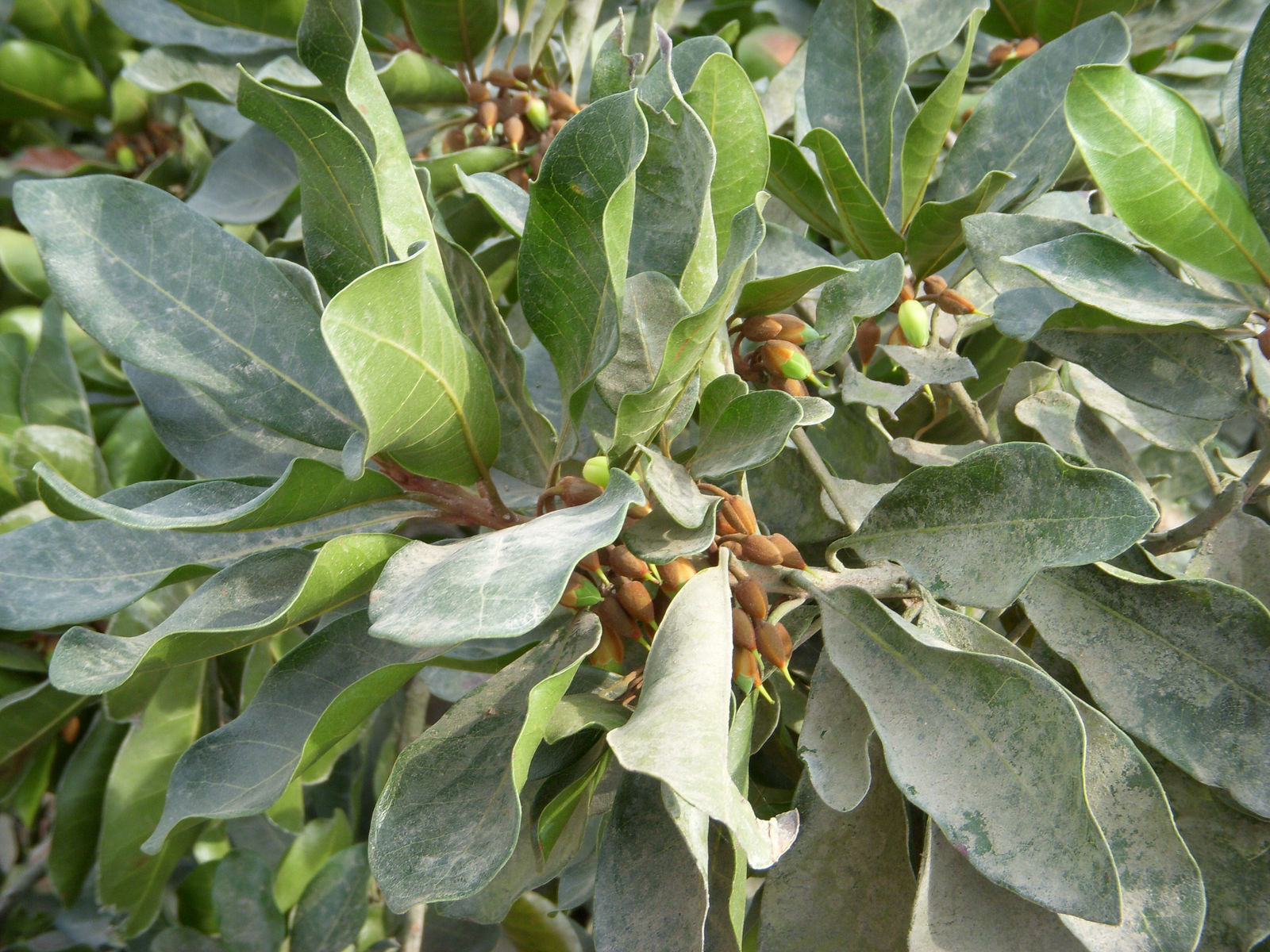
Lucuma bifera
species of flowering plant
King Kong milk candy
Peruvian cuisine dessert
Nikkei cuisine
Japanese-Peruvian fusion cuisine
Guagua de pan
bread of Andean origin
algarrobina
Algarrobina is a syrup made from the Black Carob tree. It is popular in Peruvian cuisine and can be used in smoothies, cocktails, or simply in milk. Black Carob is a tree indigenous to Coastal Peru; rich in natural sugars, vitamins and minerals, it's a good substitute for chocolate. It can also be found in health food stores in the U.S.