Category
page 1Solanaceae genera

Capsicum
Capsicum () is a genus of flowering plants in the nightshade family Solanaceae, native to the Americas, cultivated worldwide for their edible fruit, which are generally known as "peppers" or "capsicum". Chili peppers grow on five species of Capsicum. Sweet or bell peppers and some chili peppers are Capsicum annuum, making it the most cultivated species in the genus.

Solanum
thumb|Unripe fruit of Solanum lycopersicum (tomato)

Datura
Datura is a genus of nine species of highly poisonous, vespertine-flowering plants belonging to the nightshade family (Solanaceae). They are commonly known as thornapples or jimsonweeds, but are also known as '''devil's trumpets or mad apple''' (not to be confused with angel's trumpets, which are placed in the closely related genus Brugmansia). Other English common names include moonflower, '''devil's weed, and hell's bells'. All species of Datura'' are extremely poisonous and psychoactive, especially their seeds and flowers, which can cause respiratory depression, arrhythmias, fever, delirium

Physalis
Physalis (, , , , from 'bladder') is a genus of approximately 75 to 90 flowering plants in the nightshade family (Solanaceae), which are native to the Americas and Australasia. At least 46 species are endemic to Mexico. Cultivated and weedy species have been introduced worldwide. A defining feature of Physalis is a large, papery husk derived from the calyx, which partly or fully encloses the fruit. Many species bear edible fruit, and some species are cultivated.

Nicotiana
Nicotiana () is a genus of herbaceous plants and shrubs in the family Solanaceae that is indigenous to the Americas, Australia, Southwestern Africa and the South Pacific. Various Nicotiana species, commonly referred to as tobacco plants, are cultivated as ornamental garden plants. N. tabacum is grown worldwide for the cultivation of tobacco leaves that are used for manufacturing and producing tobacco products, including cigars, cigarillos, cigarettes, chewing tobacco, dipping tobacco, snuff, snus, etc.

Petunia
Petunia is a genus of 20 species of flowering plants of South American origin. The popular flower of the same name derived its epithet from the French, which took the word , 'tobacco', from a Tupi–Guarani language. A tender perennial plant, most of the varieties seen in gardens are hybrids (Petunia × atkinsiana, also known as Petunia × hybrida).

Mandragora
genus of plants, the mandrakes

Hyoscyamus
Hyoscyamus — known as the henbanes — is a genus of flowering plants in the nightshade family, Solanaceae. It comprises 31 species, all of which are toxic. It, along with other genera in the same family, is a source of the drug hyoscyamine (daturine). Cruciferous type of stomata are present in Hyoscyamus.

Lycium
Lycium is a genus of flowering plants in the nightshade family, Solanaceae. The genus has a disjunct distribution around the globe, with species occurring on most continents in temperate and subtropical regions. South America has the most species, followed by North America and southern Africa. There are several scattered across Europe and Asia, and one is native to Australia. Common English names for plants of this genus include box-thorn, wolfberry, and desert-thorn. Plants of the World Online currently accepts 101 species. Other estimates are of 70 to 80 species.

Brugmansia
Brugmansia is a genus of seven species of flowering plants in the nightshade family Solanaceae. They are woody trees or shrubs, with pendulous flowers, and have no spines on their fruit. Their large, fragrant flowers give them their common name of '''angel's trumpets''', adjacent to the nickname devil's trumpets of the closely related genus Datura.

Atropa
Atropa is a genus of flowering plants in the nightshade family, Solanaceae: tall, calcicole, herbaceous perennials (rhizomatous hemicryptophytes), bearing large leaves and glossy berries particularly dangerous to children, due to their combination of an attractive, cherry-like appearance with a high toxicity. Atropa species favour temperate climates and alkaline soils, often growing in light shade in woodland environments associated with limestone hills and mountains. Their seeds can remain viable in the soil for long periods, germinating when the soil of sites in which plants once grew (but f

Schizanthus
thumb|170px|Illustration of Schizanthus grahamii from [[Curtis’s Botanical Magazine]]

Cestrum
Cestrum is a genus of — depending on authority — 150-250 species of flowering plants in the family Solanaceae. They are native to warm temperate to tropical regions of the Americas, from the southernmost United States (Florida, Texas: day-blooming cestrum, C. diurnum) south to the Bío-Bío Region in central Chile (green cestrum, C. parqui). They are colloquially known as cestrums or jessamines (probably from the word "jasmine", due to their fragrant flowers).

Scopolia
Scopolia is a genus of four species of flowering plants in the family Solanaceae, native to Europe and Asia. The genus is named after Giovanni Scopoli (1723–88), a Tyrolean naturalist.
The genus has a disjunct distribution, with two recognised species in Central to Eastern Europe, (including the Caucasus), and two species in East Asia.
The two European species are:
Scopolia carniolica Jacq. of Slovenia, Austria and the Carpathian Mountains
Scopolia caucasica Kolesn. ex Kreyer of the Caucasus
and the two Asiatic species are:
Scopolia lutescens Y.N. Lee of Korea
Scopolia japonica Maxim. of Japan

Brunfelsia
Brunfelsia is a genus of flowering plants belonging to subfamily Petunioideae of the nightshade family Solanaceae. The 50 or so species have been grouped into the three sections: Brunfelsia (circa 22 species), Franciscea (circa 18 species) and Guianenses (circa 6 species), which differ significantly in both distribution and characteristics, although molecular data have revealed that only two sections are natural (monophyletic), namely the Caribbean section Brunfelsia and a common section for all South American species. Linnaeus named the genus for the early German herbalist Otto Brunfels (1488

Calibrachoa
thumb|calibrachoa "million bells" in a hanging basket
thumb|hybrid 'Superbells Strawberry Punch'
Calibrachoa is a genus of plants in the Solanaceae (nightshade) family. They are evergreen short-lived perennials and subshrubs with a sprawling habit, with small petunia-type flowers. They are found across much the same region of South America as petunias, from southern Brazil across to Peru and Chile, inhabiting scrub and open grassland.

Solandra
Solandra is a genus of flowering plants in the nightshade family, Solanaceae. It is named after the Swedish naturalist Daniel C. Solander.

Withania
Withania is a genus of flowering plants in the nightshade family, Solanaceae, with 19 to 23 species that are native to parts of North Africa, western Asia, south Asia, southern Europe, the Mediterranean, and the Canary Islands. Withania was initially included within Physalis by Linnaeus in 1753 but has since become its own genus. This grouping was due to the shared feature of an inflated calyx that surrounds and protects the fruit.

Browallia
Browallia is a small genus of seven species of flowering plants (mostly annuals though occasionally shrubs or ephemerophytes) belonging to the nightshade family Solanaceae. It is named after Johannes Browallius (1707–1755), also known as Johan Browall, a Swedish botanist, physician and bishop. The genus is closely related to the monotypic genus Streptosolen, the single species of which was published initially under the name Browallia jamesonii.

Nolana
Nolana (Peruvian bell flower) is a genus of hard annual or perennial plants in the nightshade family. The genus is mostly native to Chile and Peru. Species in this genus, especially N. paradoxa, serve as a model system for studies on flower color.
.jpg)
Iochroma
Iochroma is a genus of about 34 species of shrubs and small trees belonging to the nightshade family Solanaceae. Species are native from Mexico to south Brazil. They are found in the forests of Mexico and South America. Their hummingbird-pollinated flowers are tubular or trumpet-shaped, and may be blue, purple, red, yellow, or white, becoming pulpy berries. The cupular (cup-shaped) calyx is inflated in some species. The leaves are alternate, simple, and entire.
Nierembergia
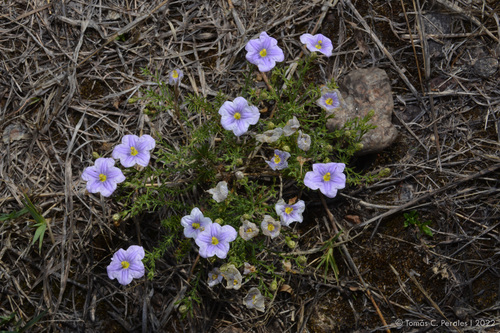
Nierembergia , common name cupflower, is a genus of plants in the nightshade family. It is named after the Spanish Jesuit and mystic Juan Eusebio Nieremberg (1595-1658).

Duboisia
The orchid genus described by Karsten as Duboisia is now included in Myoxanthus. For the prehistoric antelope genus, see Duboisia (antelope).

Salpiglossis
Salpiglossis is a genus of flowering plants belonging to the subfamily Cestroideae of family Solanaceae. It is closely related to the genus Reyesia, with which it makes up the tribe Salpiglossideae. Species in the genus Salpiglossis are found in Mexico, Argentina and Chile.

Fabiana
genus of plants

Nicandra
Nicandra is a genus of flowering plant in the family Solanaceae, native to western South America. It was first described by Michel Adanson in 1763. The genus is named for Greek poet Nicander of Colophon, who wrote about plants – notably in his poem Alexipharmaca, which treats of poisons and their antidotes.

Lycianthes
Lycianthes is a genus of plants from the nightshade family (Solanaceae), found in both the Old World and the New World, but predominantly in the latter. It contains over 150 species, mostly from tropical America, with 35-40 species in Asia and the Pacific.
Jaltomata
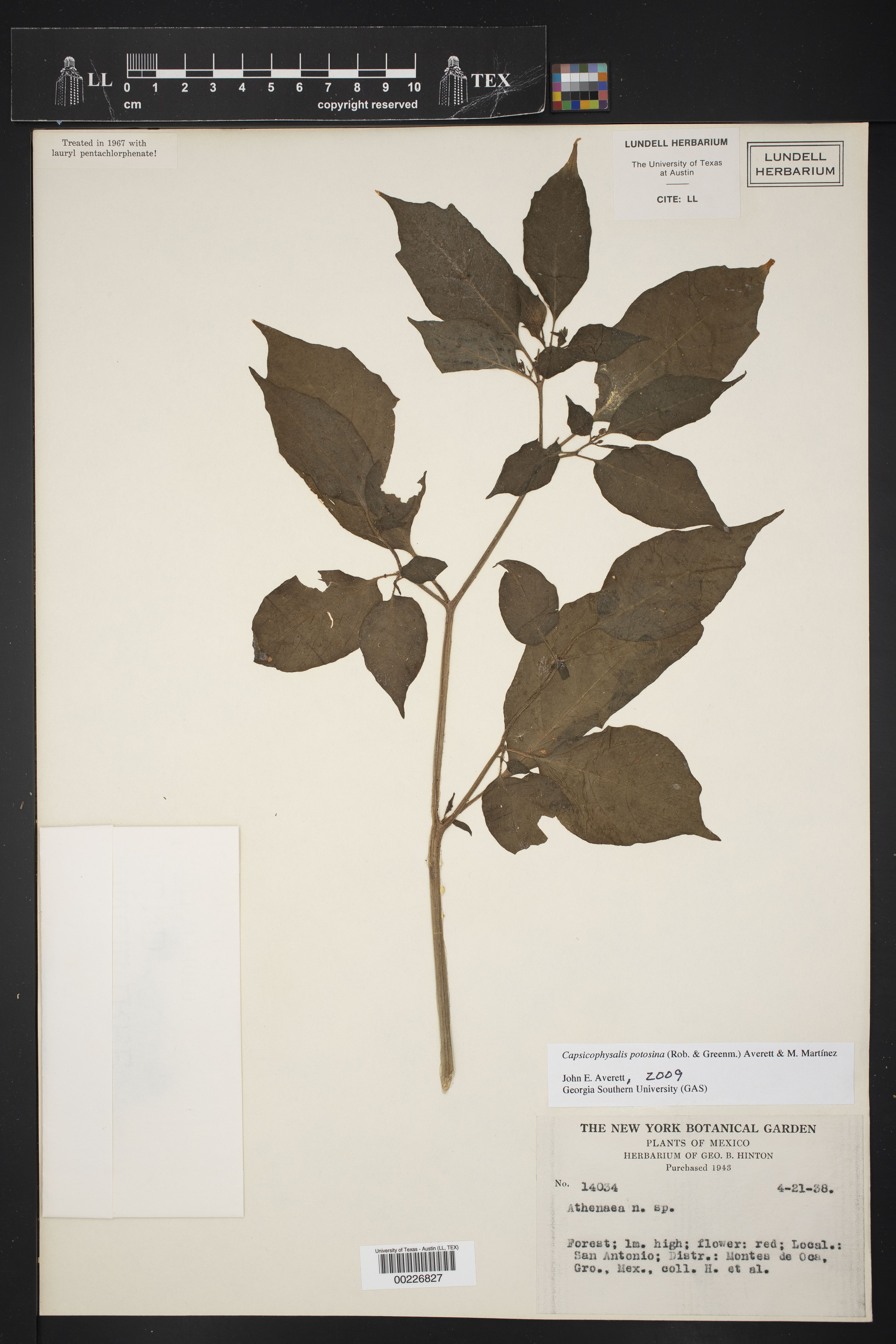
Jaltomata is a genus of plants in the family Solanaceae. According to molecular phylogenies, Jaltomata is the sister genus to Solanum, which includes tomato, potato, and eggplant. Jaltomata has a neotropical distribution, in that species occur from the United States southwest through Latin America, and into the Andean region of South America. Species encompass a wide range of vegetative and reproductive trait variation, including growth habit (trailing herbs, erect herbs, and woody shrubs), floral size, shape and color, as well as fruit size and color. The fruits of some of the species are eat

Physochlaina
thumb|Coloured plate, 1831, of P. orientalis (as Hyoscyamus orientalis) by Margaret Roscoe
Goetzea
Goetzea is a genus of plant in the family Solanaceae. It was originally placed by H. Wydler in the family Ebenaceae and named for his teacher the Rev. Johann August Ephraim Goetze.
It was for about half a century included in the now defunct family Goetzeaceae Miers ex Airy Shaw

Juanulloa
Juanulloa, the goldfingers, are a genus of flowering plants in the family Solanaceae, native to Central and South America.
Anisodus
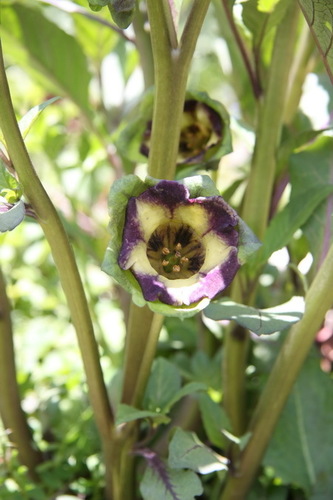
Anisodus is a genus of flowering plants in the family Solanaceae.
Saracha
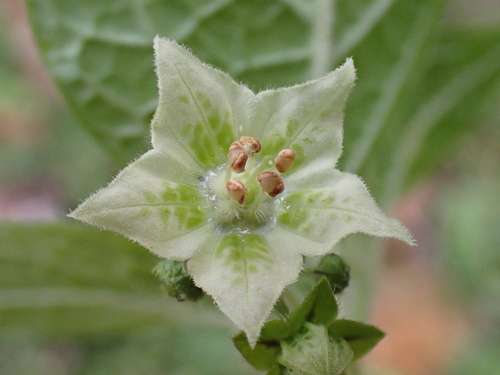
Saracha is a genus of flowering plants belonging to tribe Physaleae of subfamily Solanoideae of the nightshade family Solanaceae. The genera most closely related to Saracha are Iochroma, Dunalia, and Vassobia.
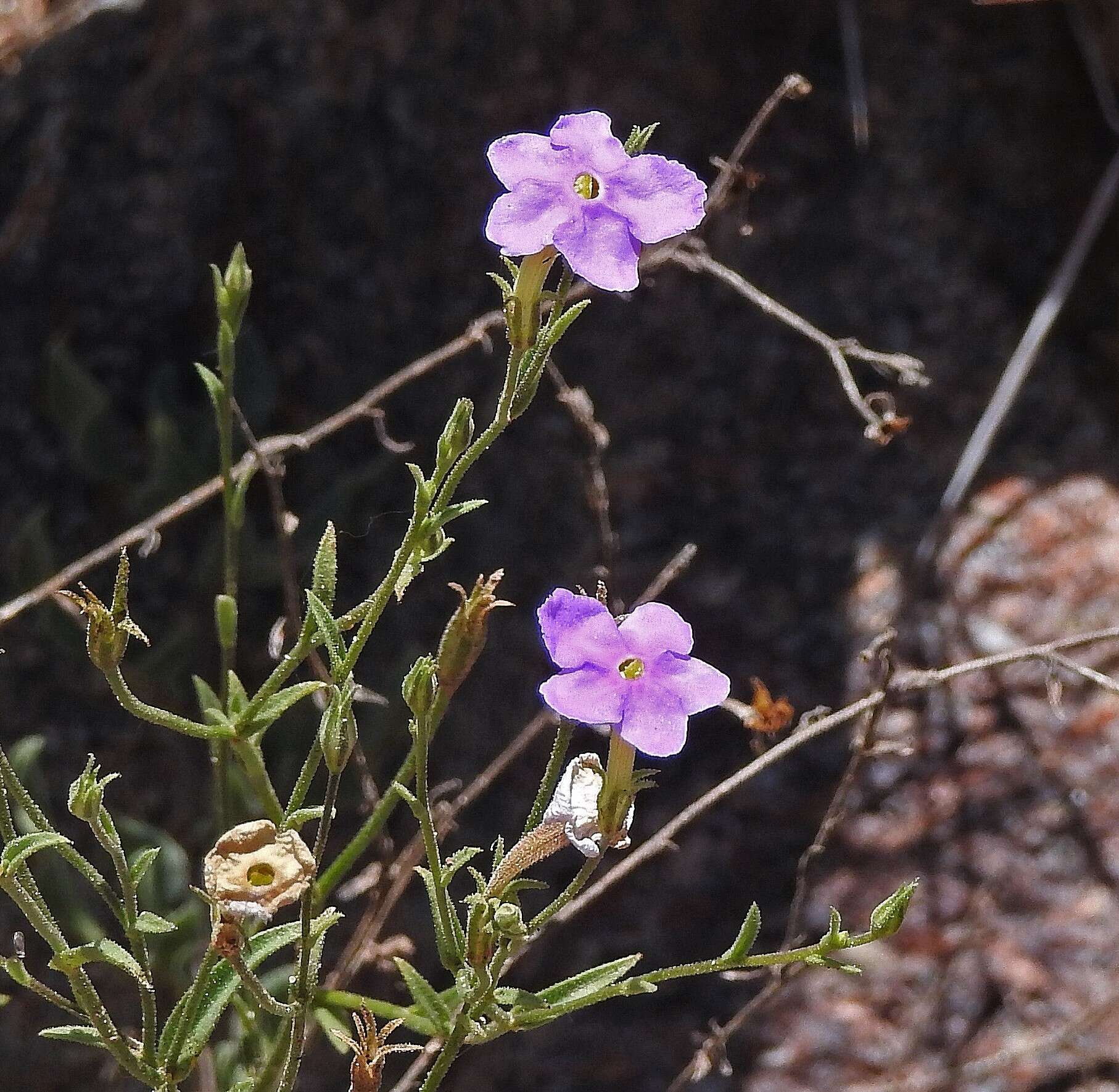
Leptoglossis
Leptoglossis is a genus of flowering plants belonging to the family Solanaceae.
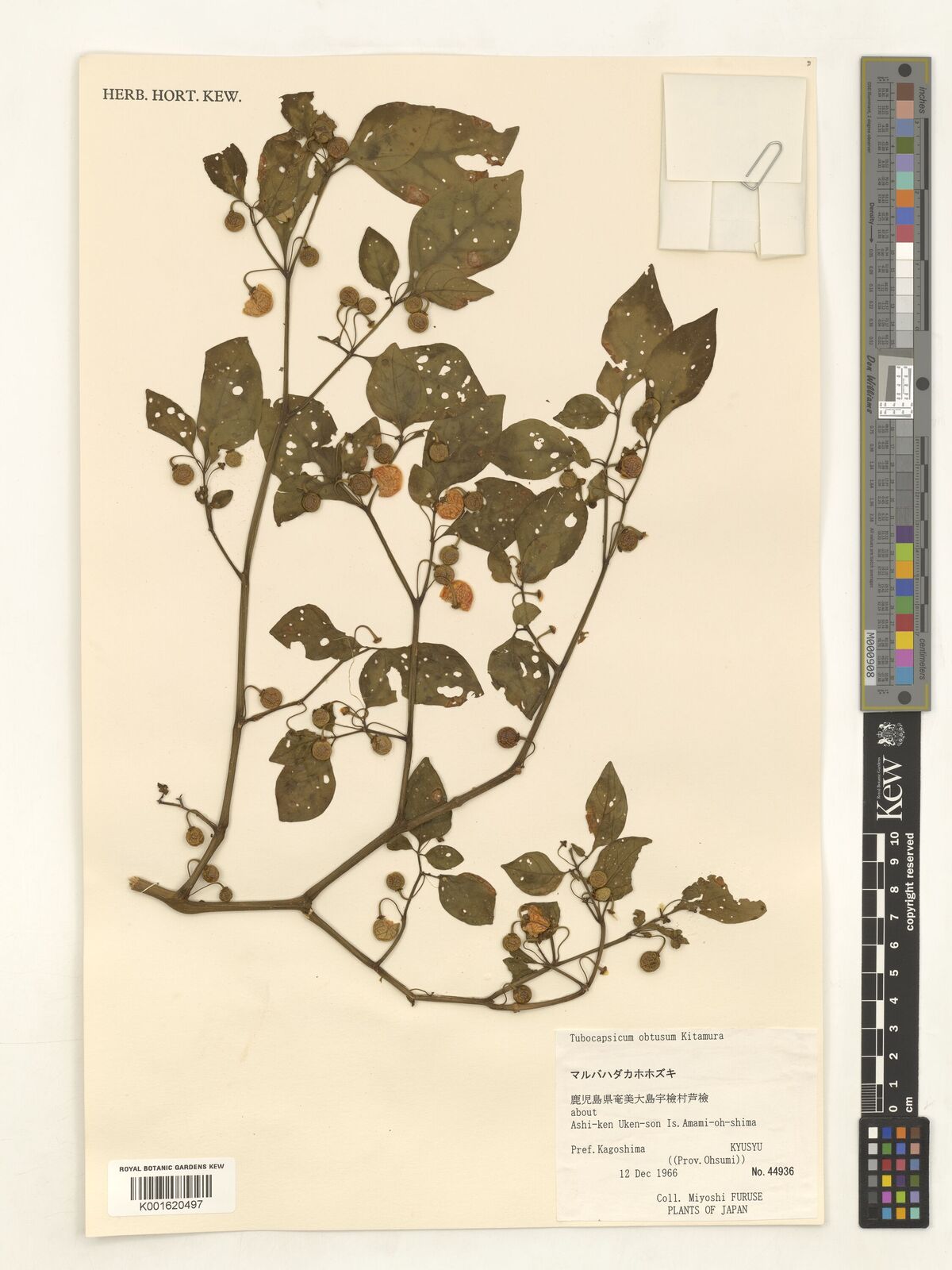
Tubocapsicum
Tubocapsicum is a genus of flowering plants belonging to the family Solanaceae.
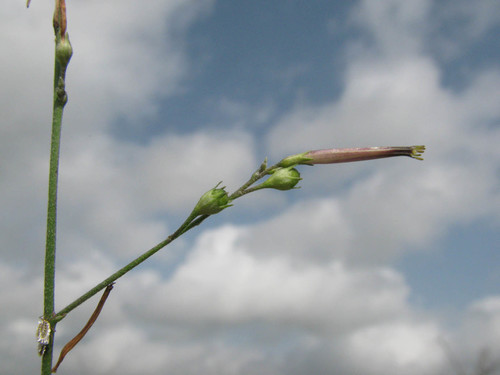
Schwenckia
Schwenckia is a genus of flowering plants in the family Solanaceae, native to Central America and South America, and with one species, S. americana, a widespread weed in Africa. In the title of the generic description Linnaeus wrote "Schwenkia" but gave the binomial of the type species as Schwenckia americana, while quoting Dav. van Royen as the author.
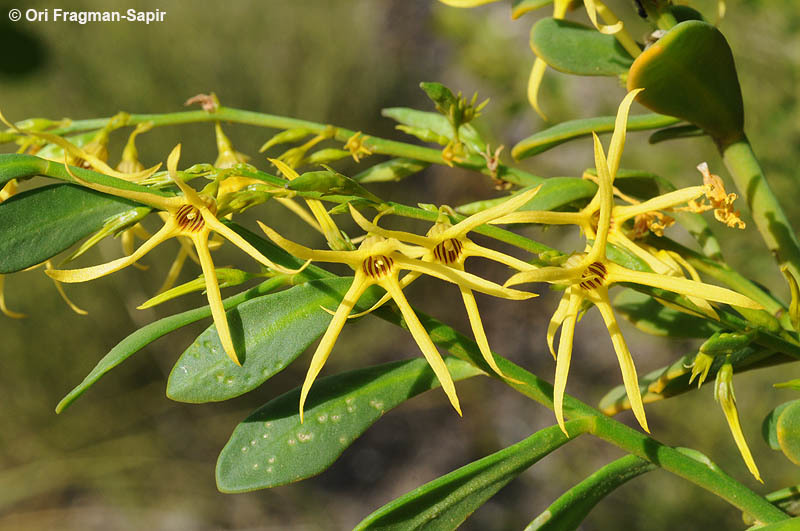
Anthocercis
Anthocercis, commonly known as tailflower, is a genus of shrubs which are endemic to southern temperate Australia with the center of distribution in the South West Botanical Province of Western Australia. All species of Anthocercis contain tropane alkaloids, and have occasionally caused poisoning in children or been suspected of poisoning stock. Anthocercis is known as the only Solanaceous plant known to produce resin compounds on glandular trichomes.
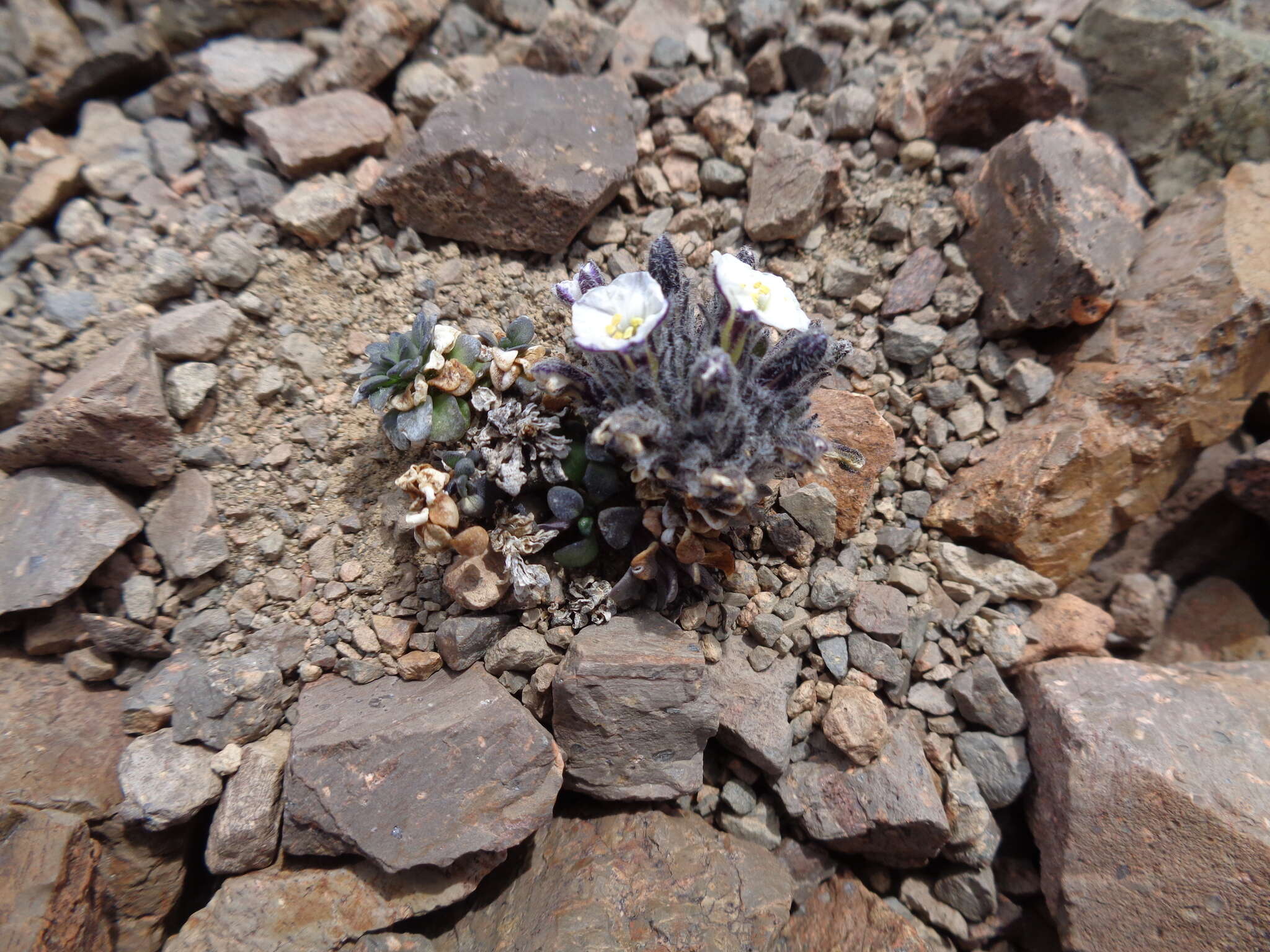
Combera
Combera is a genus of flowering plants belonging to the family Solanaceae.
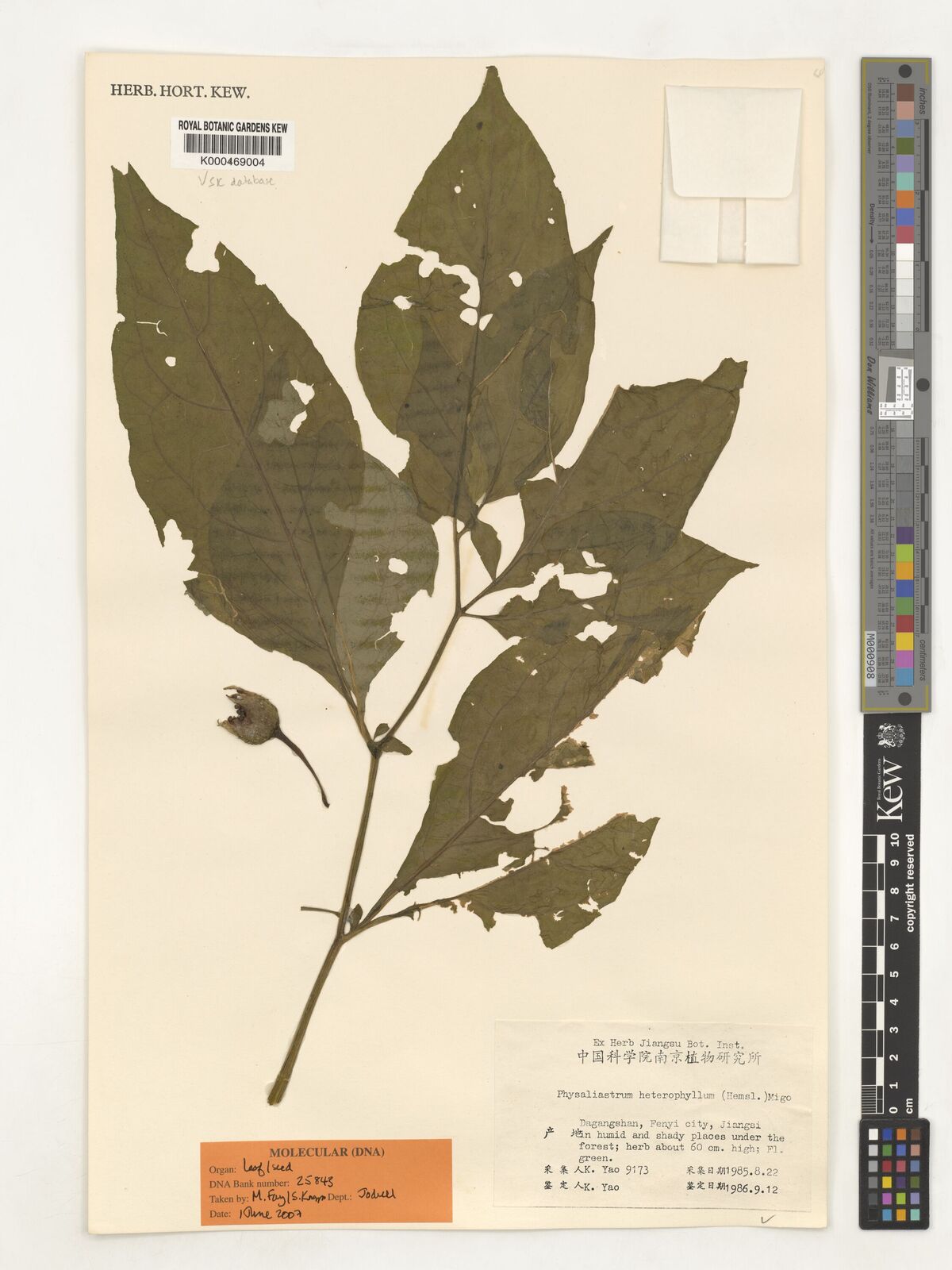
Leucophysalis
Leucophysalis is a genus of flowering plants belonging to the family Solanaceae.
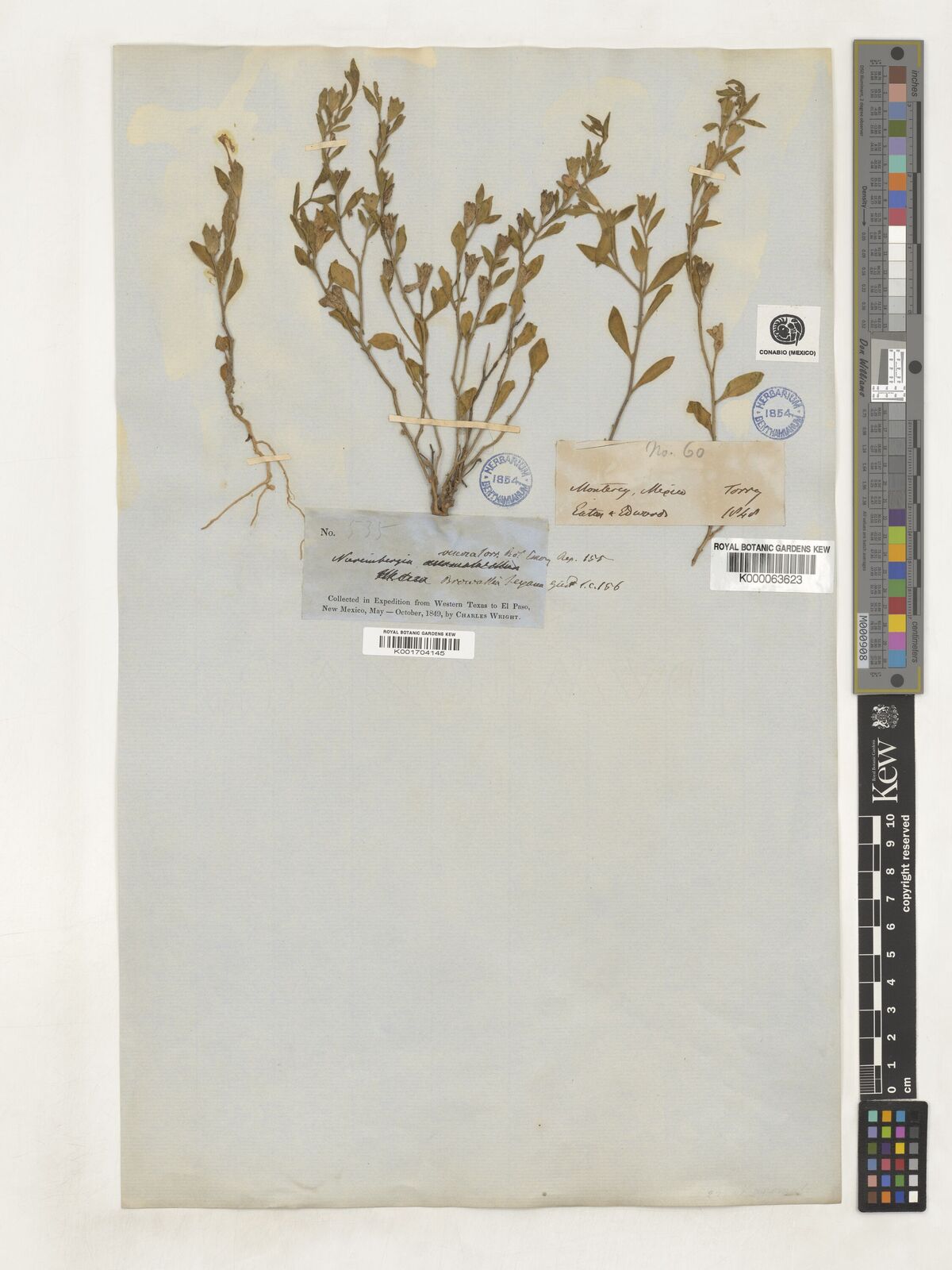
Hunzikeria
Hunzikeria is a genus of flowering plants belonging to the family Solanaceae.
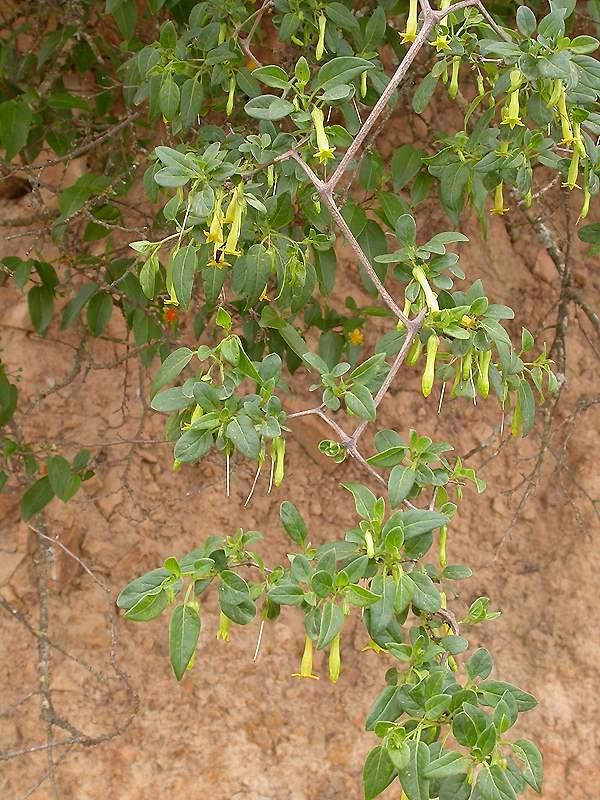
Salpichroa
Salpichroa is a genus of flowering plants belonging to the family Solanaceae.

Jaborosa
thumb|Jaborosa runcinata flowering in Northeastern Argentina
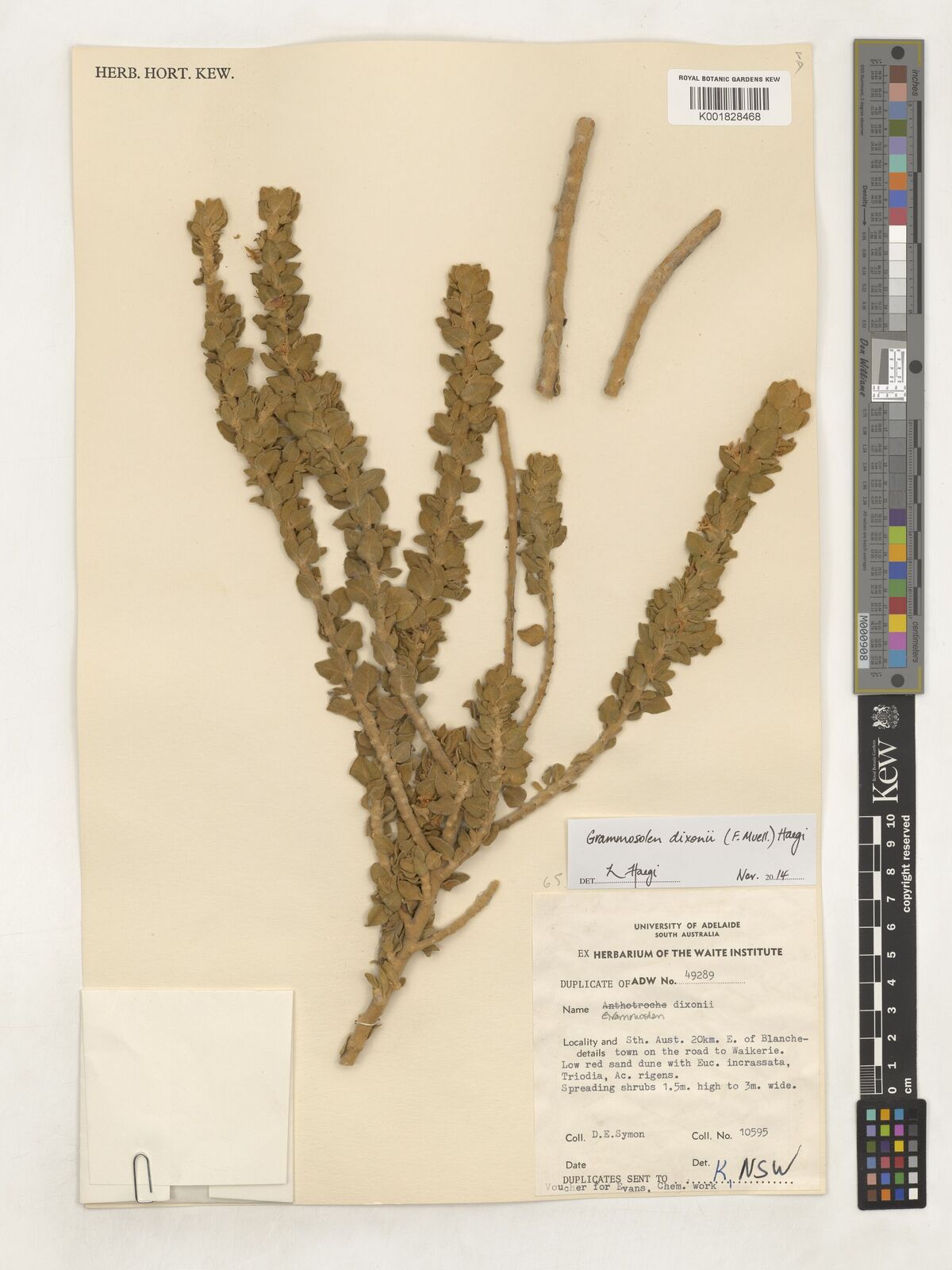
Grammosolen
Grammosolen is a genus of flowering plants belonging to the family Solanaceae.
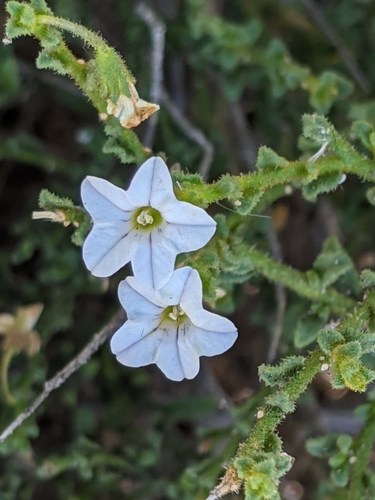
Cyphanthera
Cyphanthera is a genus of nine species of flowering plants in the family Solanaceae and are endemic to Australia.

Deprea
Deprea is a genus of flowering plants belonging to the family Solanaceae.
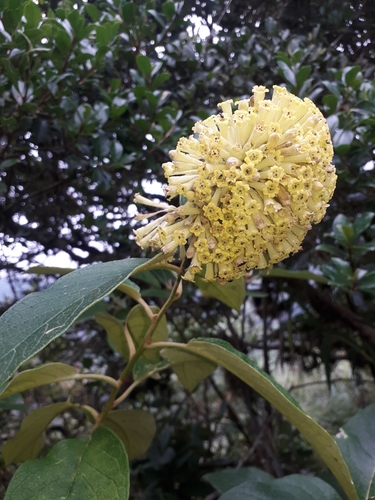
Sessea
Sessea is a genus of 19 accepted species of shrubs, small trees and climbers belonging to the subfamily Cestroideae of the plant family Solanaceae. The flowers of Sessea are so similar to those of Cestrum that the genera cannot usually be told apart, unless the plants are in fruit. Then their distinguishing characteristics become immediately apparent; plants of the genus Sessea bearing dehiscent capsules dispersing winged seeds, while those belonging to the genus Cestrum bear juicy berries containing prismatic seeds. The flowers of both Sessea and Cestrum have tubular corollas that are long ex
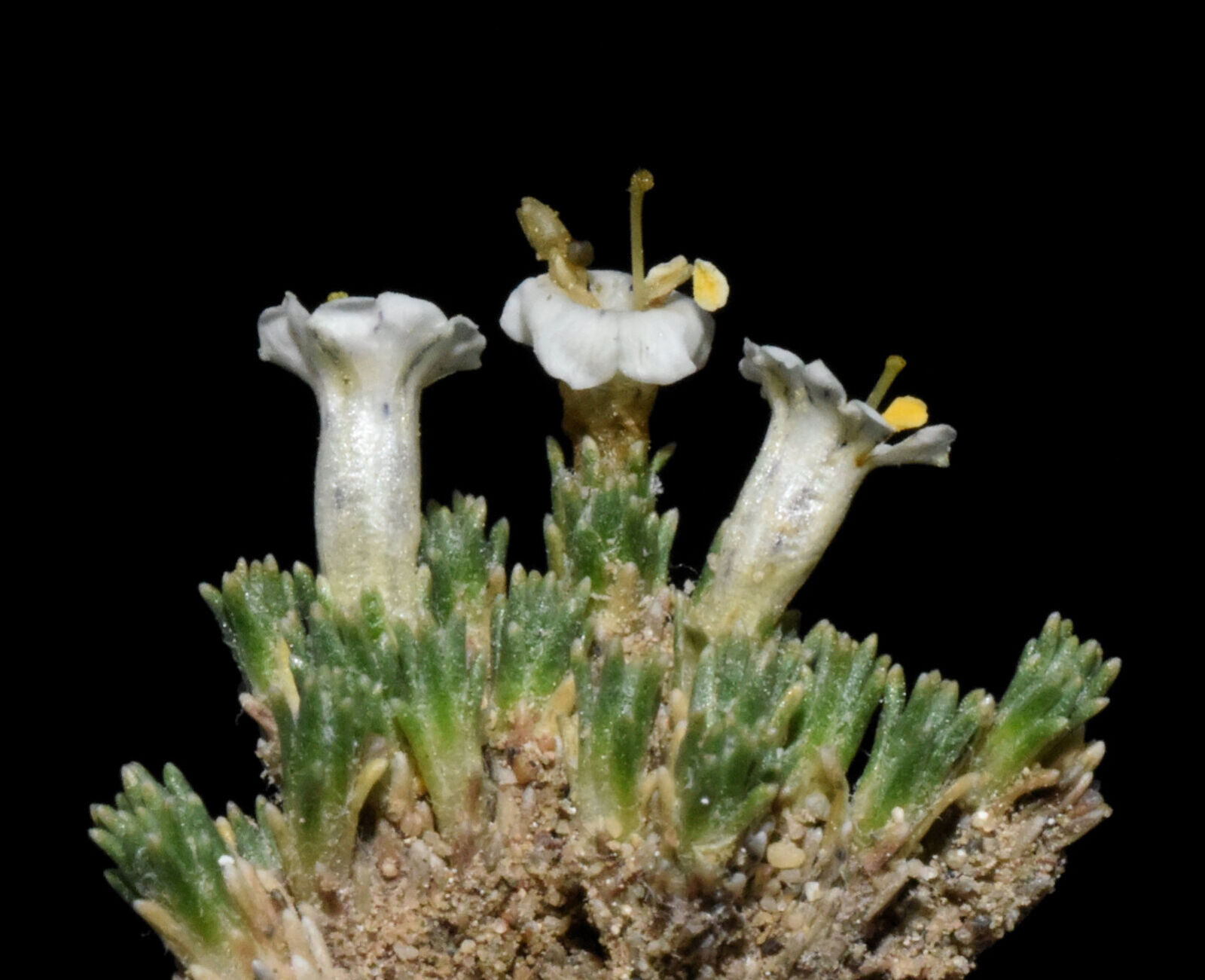
Benthamiella
Benthamiella is a genus of plants in the family Solanaceae, native to Patagonia in southern South America. Its species have been described as "attractive, small, cushion plants".

Cuatresia
Cuatresia is a genus of flowering plants belonging to the family Solanaceae.

Melananthus
Melananthus is a genus of flowering plants belonging to the family Solanaceae.
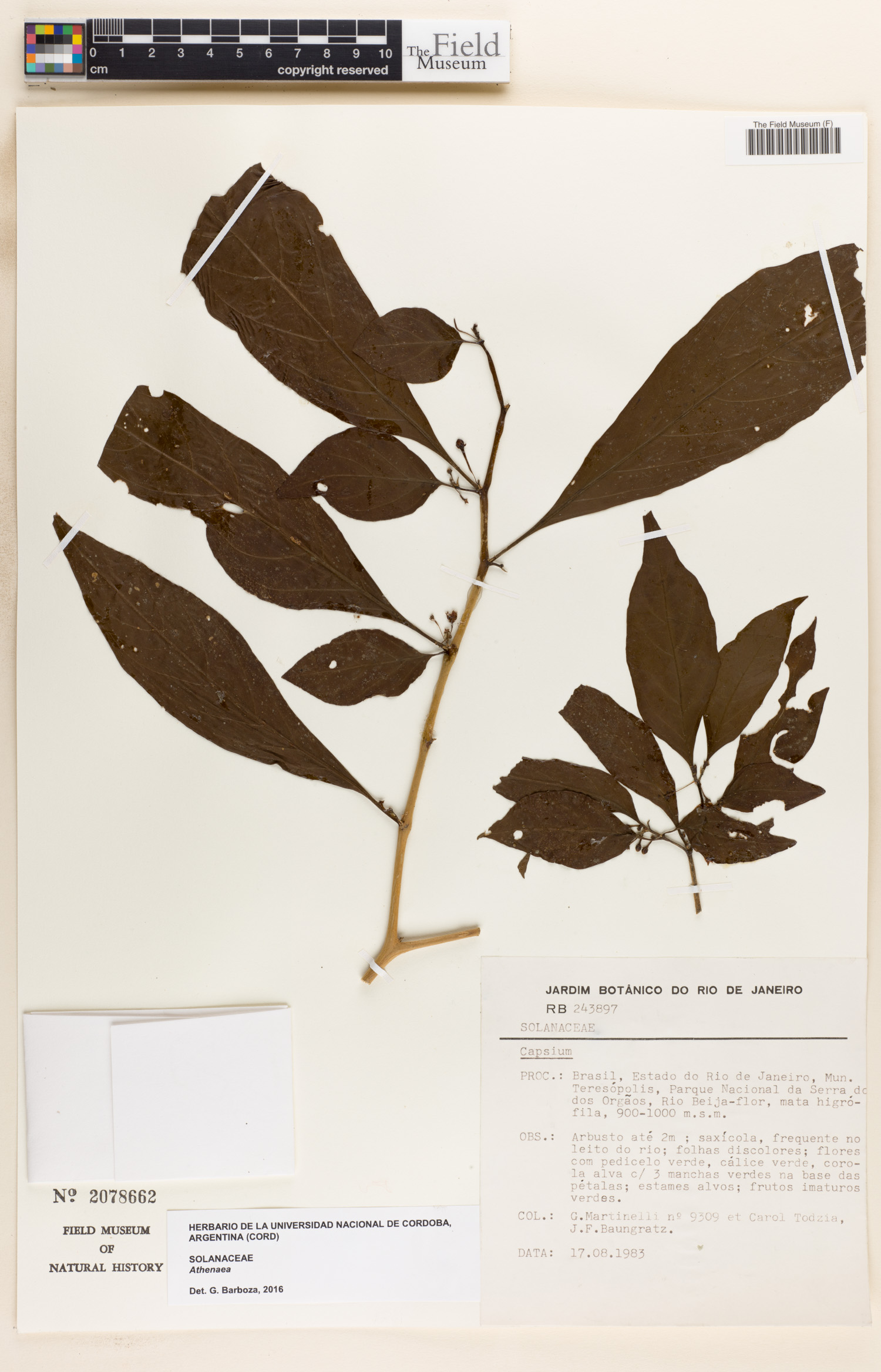
Athenaea
genus of plants

Reyesia
Reyesia is a small genus of four species of flowering plants belonging to the subfamily Cestroideae of the nightshade family Solanaceae. It is closely related to the genus Salpiglossis, which provides the ornamental species Salpiglossis sinuata. Together, the genera Reyesia and Salpiglossis form the tribe Salpiglossideae within the Cestroideae. Historically, the species now placed in Reyesia have been held by some authors to belong to Salpiglossis, but are currently placed in a genus of their own by virtue of their tiny flowers and peculiar androecium (see description below).
Anthotroche
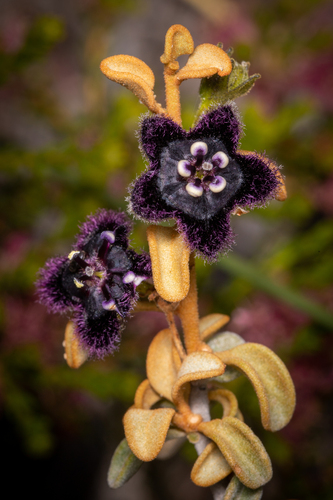
Anthotroche is a genus of shrubs in the family Solanaceae. The genus is endemic to Western Australia.

Nothocestrum
Nothocestrum is a genus of flowering plants in the nightshade family, Solanaceae. It contains four species of large shrubs or small trees that are endemic to Hawaii, where they are known as aiea.
Symonanthus
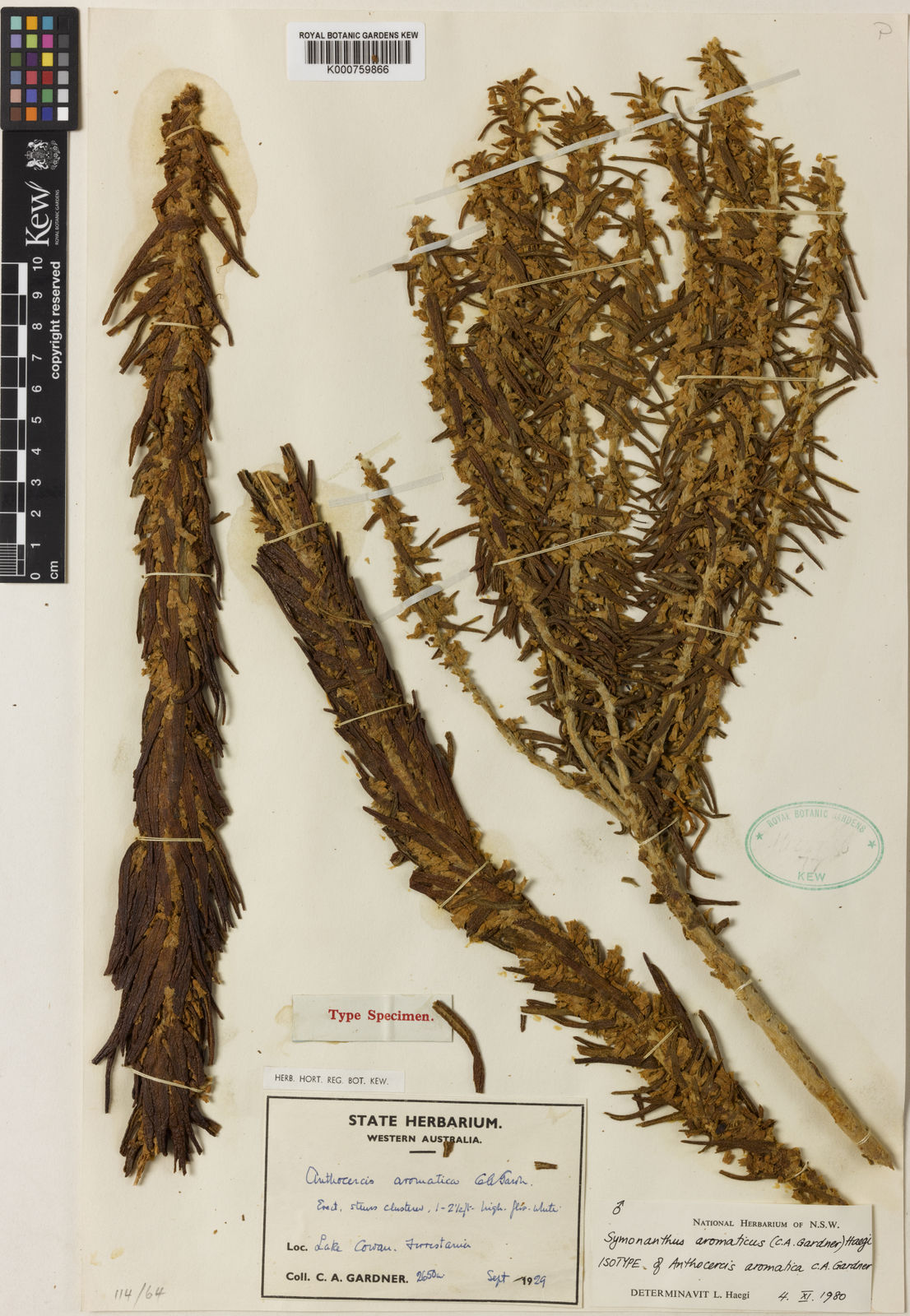
Symonanthus is a genus of flowering plants belonging to the family Solanaceae. The genus was circumscribed by Laurence Arnold Robert Haegi in Telopea vol.2 on page 175 in 1981.
Chamaesaracha
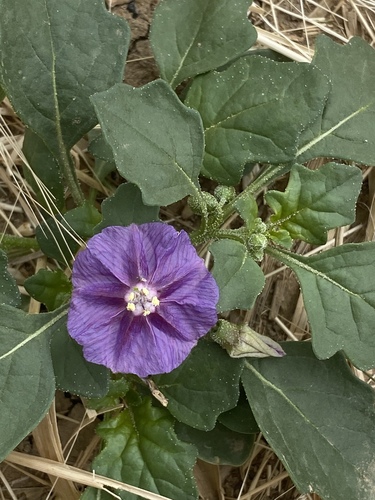
Chamaesaracha is a genus of perennial herbs in the nightshade family which are known commonly as five eyes. There are around nine species of five eyes, and they are native to the southwestern and western United States and parts of Mexico. These are hairy plants growing low to the ground and covered in crinkly dull green leaves. The flowers are star-shaped to wheel-shaped and their dried remnants can be found around the fruits, which are spherical berries filled with flat, kidney-shaped seeds.
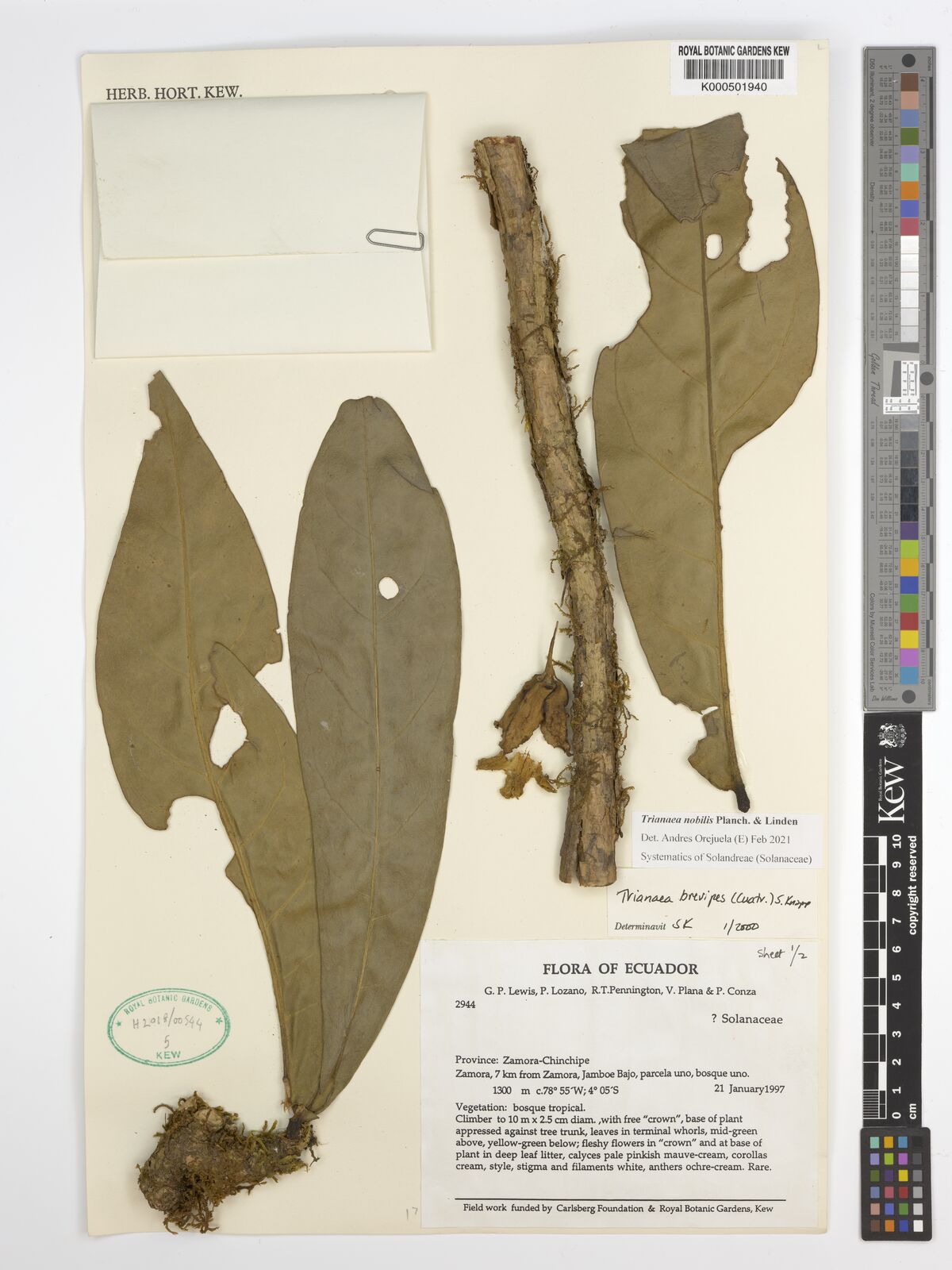
Trianaea
Trianaea is a genus of the plant family Solanaceae. It occurs in Colombia, Ecuador and Peru. It is placed in the subfamily Solanoideae, tribe Juanulloeae.
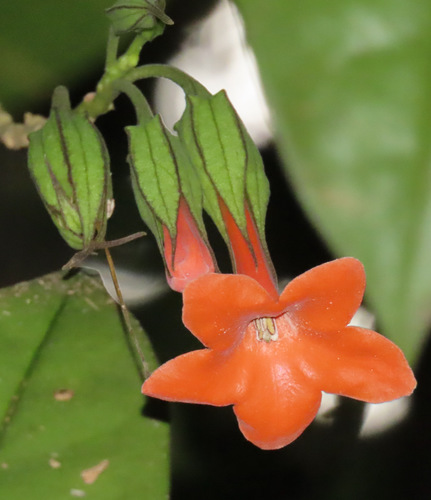
Markea
Markea is a genus of plant in family Solanaceae.
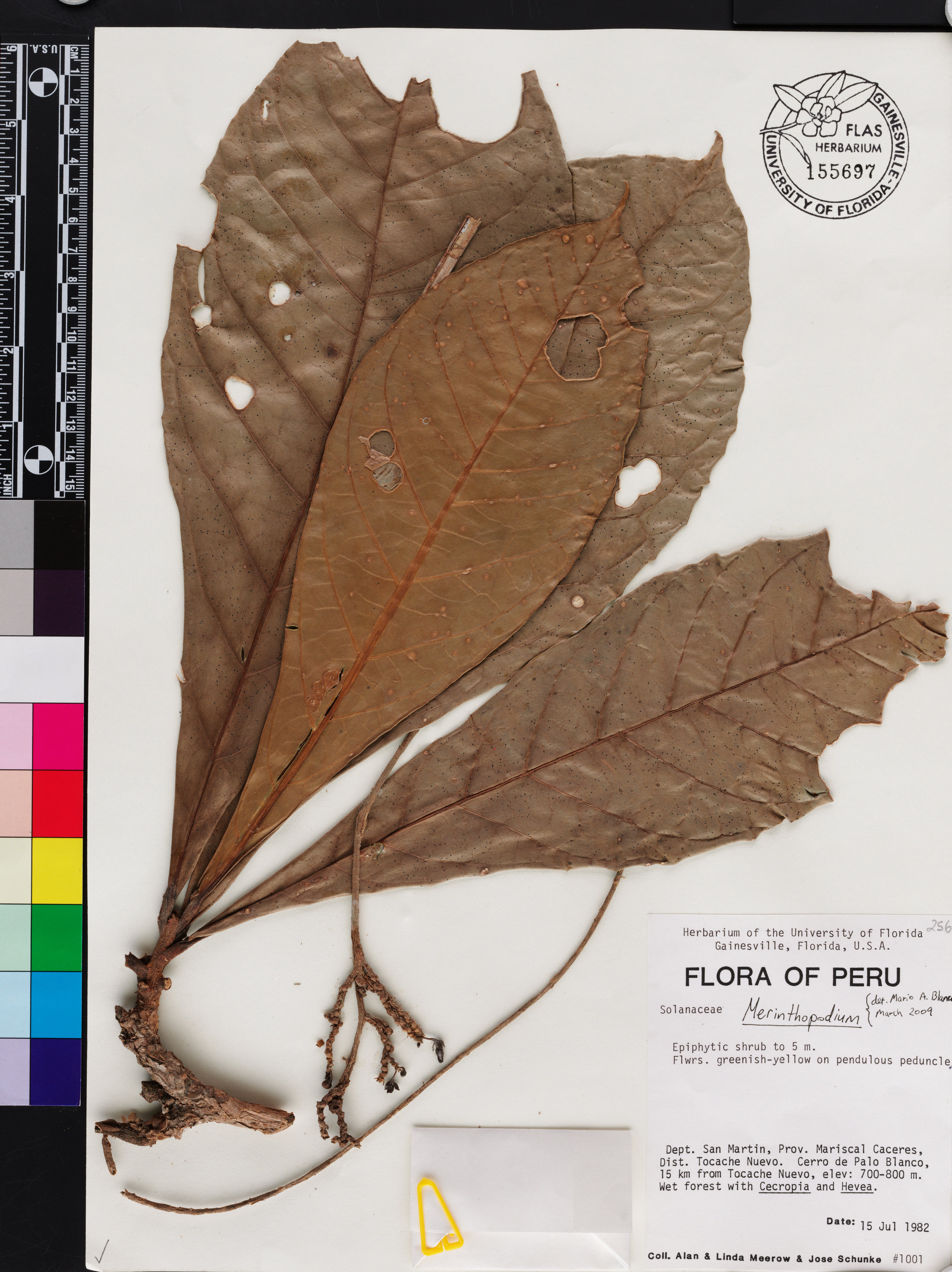
Merinthopodium
Merinthopodium is a genus of flowering plants belonging to the family Solanaceae.
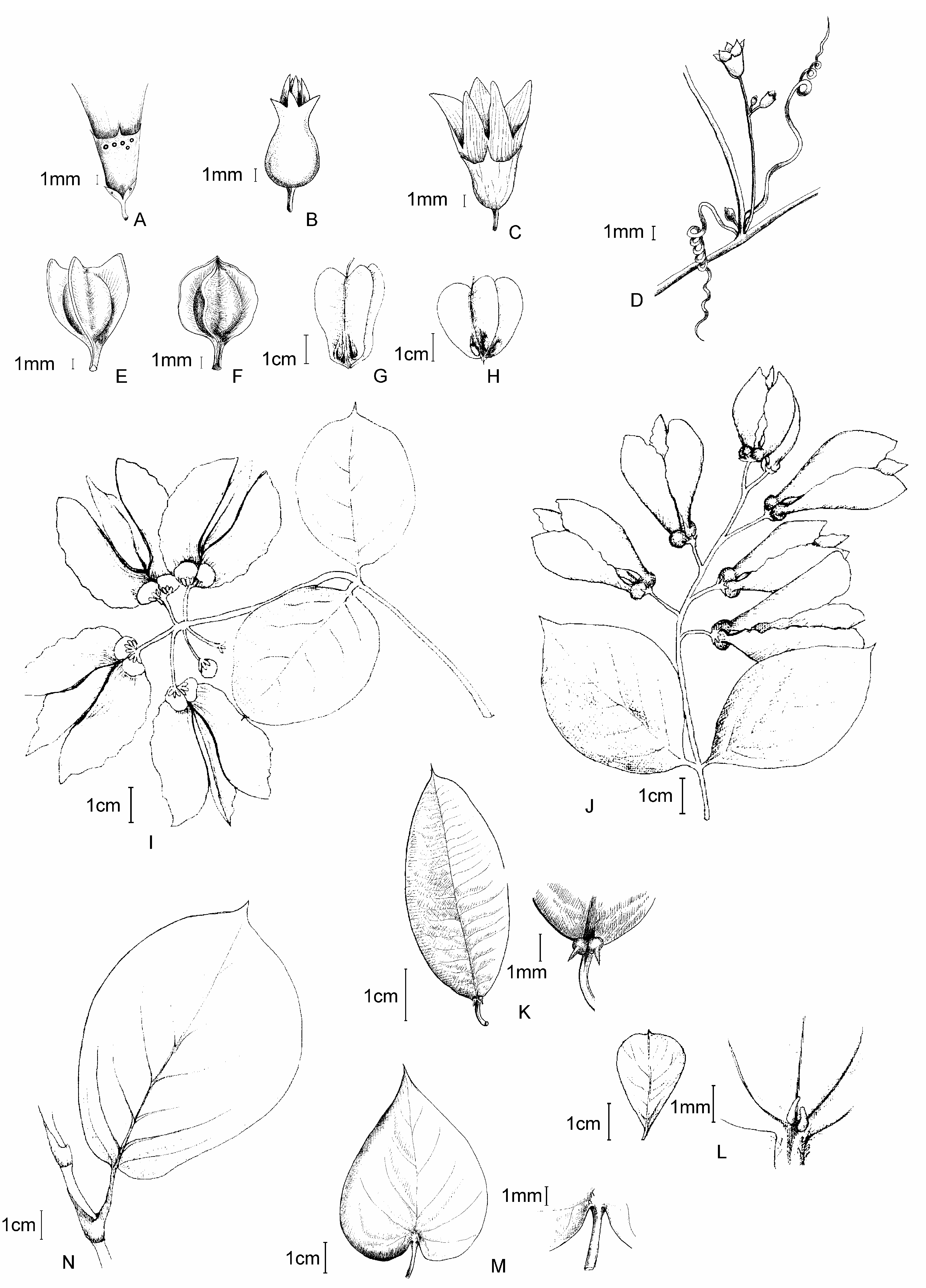
Discopodium
Discopodium is a genus of flowering plants belonging to the family Solanaceae.
Dunalia
Dunalia is a genus of flowering plants belonging to the family Solanaceae.