Category
page 1Withdrawn drugs

Pfizer–BioNTech COVID-19 vaccine
mRNA vaccine against COVID-19 from BioNTech in cooperation with Pfizer
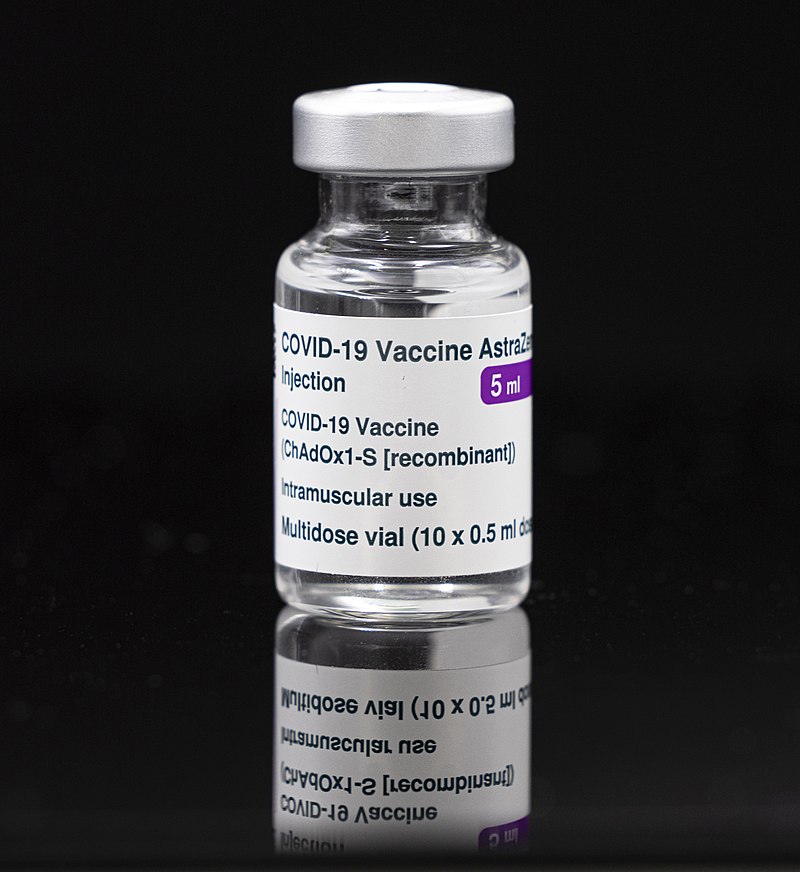
AZD1222
viral vector vaccine for prevention of COVID-19

thalidomide
Thalidomide, sold under the brand names Contergan, Distaval and Thalomid among others, is an oral administered medication used to treat a number of cancers (e.g., multiple myeloma), graft-versus-host disease, and many skin disorders (e.g., complications of leprosy such as skin lesions). Thalidomide has been used to treat conditions associated with HIV: aphthous ulcers, HIV-associated wasting syndrome, diarrhea, and Kaposi's sarcoma, but increases in HIV viral load have been reported.

halothane
Halothane (bromochlorotrifluoroethane), sold under the brand name Fluothane among others, is a halocarbon with the chemical formula . It is used as a general anaesthetic given by inhalation. It can be used to induce or maintain anaesthesia. Its use in developed countries has been mostly replaced by newer anesthetic agents such as sevoflurane. One of its benefits is that it does not increase the production of saliva, which can be particularly useful in those who are difficult to intubate.

Ad26.COV2.S
COVID-19 vaccine of Johnson & Johnson

ranitidine
Ranitidine, sold under the brand name Zantac among others, is a medication used to decrease stomach acid production. It is used in the treatment of peptic ulcer disease, gastroesophageal reflux disease, and Zollinger–Ellison syndrome. It can be given by mouth, injection into a muscle, or injection into a vein.

metamizole sodium
thumb|Oral solution bottle of dypirone in its packaging (Portuguese lettering)
Metamizole or dipyrone (informally known as the "Mexican aspirin") is a painkiller, spasm reliever, and fever reliever drug. It is most commonly given by mouth or by intravenous infusion. It belongs to the ampyrone sulfonate family of medicines and was patented in 1922. Metamizole is marketed under various trade names. It was first used medically in Germany under the brand name "Novalgin", later becoming widely known in Slavic nations and India under the name "Analgin".
.jpg)
procaine
Procaine is a local anesthetic drug of the amino ester group. It is most commonly used in dental procedures to numb the area around a tooth and is also used to reduce the pain of intramuscular injection of penicillin. Owing to the ubiquity of the trade name Novocain (without the "e" in the original German patent) or Novocaine (with the "e" in the US patent), in some regions, procaine is referred to generically as novocaine. It acts mainly as a sodium channel blocker. Today, it is used therapeutically in some countries due to its sympatholytic, anti-inflammatory, perfusion-enhancing, and mood-e
.JPG)
ondansetron
Ondansetron, sold under the brand name Zofran among others, is a medication used to prevent nausea and vomiting caused by chemotherapy, radiation therapy, migraines, or surgery. It is also effective for treating gastroenteritis. It can be given orally (by mouth), intramuscularly (injection into a muscle), or intravenously (injection into a vein).

acetanilide
thumb|Acetanilide crystals on a watch glass

salmeterol
Salmeterol is a long-acting β2 adrenergic receptor agonist (LABA) used in the treatment and prevention of asthma symptoms and control of chronic obstructive pulmonary disease (COPD) symptoms. Symptoms of bronchospasm include shortness of breath, wheezing, coughing and chest tightness. It is also used to prevent breathing difficulties during exercise (exercise-induced bronchoconstriction).
chymotrypsin
Chymotrypsin (, chymotrypsins A and B, alpha-chymar ophth, avazyme, chymar, chymotest, enzeon, quimar, quimotrase, alpha-chymar, alpha-chymotrypsin A, alpha-chymotrypsin) is a digestive enzyme component of pancreatic juice acting in the duodenum, where it performs proteolysis, the breakdown of proteins and polypeptides. Chymotrypsin preferentially cleaves peptide amide bonds where the side chain of the amino acid N-terminal to the scissile amide bond (the P1 position) is a large hydrophobic amino acid (tyrosine, tryptophan, and phenylalanine). These amino acids contain an aromatic ring in thei
levamisole
Levamisole, sold under the brand name Ergamisol among others, is a medication used to treat parasitic worm infections, specifically ascariasis and hookworm infections. It is taken by mouth.
fluphenazine
Fluphenazine, sold under the brand name Prolixin among others, is a high-potency typical antipsychotic medication of the phenothiazine class. It is used in the treatment of chronic psychoses such as schizophrenia, and is about equal in effectiveness to low-potency antipsychotics like chlorpromazine. It is also used to treat depression in combination with nortriptyline. In addition to the oral form, fluphenazine comes in decanoate and enanthate depot injection versions for increased adherence. Fluphenazine is given by mouth, intramuscularly, or just under the skin.
(RS)-sibutramine
Sibutramine, formerly sold under the brand name Meridia among others, is an appetite suppressant which has been discontinued in many countries. It works as a serotonin–norepinephrine reuptake inhibitor (SNRI) similar to certain antidepressants. Until 2010, it was widely marketed and prescribed as an adjunct in the treatment of obesity along with diet and exercise.

2,4-dinitrophenol
2,4-Dinitrophenol (2,4-DNP or simply DNP) is an organic compound with the formula . It occurs as yellow crystals or platelets. It has been used in explosives manufacturing and as a pesticide and herbicide.

phenacetin
Phenacetin (; acetophenetidin, '''N-(4-ethoxyphenyl)acetamide''') is a pain-relieving and fever-reducing drug, which was widely used following its introduction in 1887. It was withdrawn from medicinal use as dangerous from the 1970s (e.g., withdrawn in Canada in 1973, and by the U.S. Food and Drug Administration in 1983).

methaqualone
Methaqualone is a sedative-hypnotic medication that was widely prescribed during the mid-20th century. It was marketed under various brand names, including Quaalude ( ) and Sopor, typically containing 300 mg of methaqualone per tablet. A combination drug known as Mandrax was sold primarily in Europe, containing 250 mg of methaqualone and 20 mg of diphenhydramine in a single tablet.
stavudine
Stavudine (d4T), sold under the brand name Zerit among others, is an antiretroviral medication used to prevent and treat HIV/AIDS. It is generally recommended for use with other antiretrovirals. It may be used for prevention after a needlestick injury or other potential exposure. However, it is not a first-line treatment. It is given by mouth.

nimesulide
Nimesulide is a nonsteroidal anti-inflammatory drug (NSAID) with pain medication and fever reducing properties. Its approved indications are the treatment of acute pain, the symptomatic treatment of osteoarthritis, and primary dysmenorrhoea in adolescents and adults above 12 years old.

merbromin
Merbromin (marketed as Mercurochrome, Merbromine, Mercurocol, Sodium mercurescein, Asceptichrome, Supercrome, Brocasept and Cinfacromin) is an organomercuric disodium salt compound used as a topical antiseptic for minor cuts and scrapes and as a biological dye. While readily available in most countries, it is no longer sold in much of the West, including Switzerland, Brazil, France, Iran, Germany, Denmark, or the United States, due to its mercury content.

rofecoxib
Rofecoxib is a COX-2-selective nonsteroidal anti-inflammatory drug (NSAID). It was marketed by Merck & Co. to treat osteoarthritis, rheumatoid arthritis, juvenile rheumatoid arthritis, acute pain conditions, migraine, and dysmenorrhea. Rofecoxib was approved in the United States by the Food and Drug Administration (FDA) in May 1999, and was marketed under the brand names Vioxx, Ceoxx, and Ceeoxx. Rofecoxib was available by prescription in both tablets and as an oral suspension.

diethylstilbestrol
Diethylstilbestrol (DES), also known as stilbestrol or stilboestrol, is a nonsteroidal estrogen medication. Its use now rare; in the past, it was widely used for a variety of indications, including pregnancy support for those with a history of recurrent miscarriage, hormone therapy for menopausal symptoms and estrogen deficiency, treatment of prostate cancer and breast cancer, and other uses. By 2007, it was only used in the treatment of prostate cancer and breast cancer. In 2011, Hoover and colleagues reported adverse reproductive health outcomes linked to DES, including infertility, miscarri

Streptokinase
Streptokinase is a thrombolytic medication activating plasminogen by nonenzymatic mechanism. As a medication it is used to break down clots in some cases of myocardial infarction (heart attack), pulmonary embolism, and arterial thromboembolism. The type of heart attack it is used in is an ST elevation myocardial infarction (STEMI). It is given by injection into a vein.

oxandrolone
Oxandrolone is an androgen and synthetic anabolic steroid (AAS) medication to help promote weight gain in various situations, to help offset protein catabolism caused by long-term corticosteroid therapy, to support recovery from severe burns, to treat bone pain associated with osteoporosis, to aid in the development of girls with Turner syndrome, and for other indications. It is taken by mouth. It was sold under the brand names Oxandrin and Anavar, among others.

phentermine
Phentermine, sold under the brand name Adipex-P among others, is a medication used together with diet and exercise to treat obesity. It is available by itself or as the combination phentermine/topiramate. Phentermine is taken by mouth.
(RS)-pioglitazone
Pioglitazone, sold under the brand name Actos among others, is an anti-diabetic medication used to treat type 2 diabetes. It may be used with metformin, a sulfonylurea, or insulin. Use is recommended together with exercise and diet. It is not recommended in type 1 diabetes. It is taken by mouth.
alemtuzumab
Alemtuzumab, sold under the brand names Campath and Lemtrada among others, is a medication used to treat chronic lymphocytic leukemia and multiple sclerosis. In chronic lymphocytic leukemia, it has been used as both a first line and second line treatment. It is given by injection into a vein.

(RS)-rosiglitazone
Rosiglitazone (trade name Avandia) is an antidiabetic drug in the thiazolidinedione class. It works as an insulin sensitizer, by binding to the PPAR in fat cells and making the cells more responsive to insulin. It is marketed by the pharmaceutical company GlaxoSmithKline (GSK) as a stand-alone drug or for use in combination with metformin or with glimepiride. First released in 1999, annual sales peaked at approximately $2.5 billion in 2006; however, following a meta-analysis in 2007 that linked the drug's use to an increased risk of heart attack, sales plummeted to just $9.5 million in 2012. T
rotavirus vaccine
type of vaccine

dextropropoxyphene
Dextropropoxyphene is an opioid analgesic patented in 1955 and manufactured by Eli Lilly and Company. It is an optical isomer of levopropoxyphene. It is intended to treat mild pain and also has antitussive (cough suppressant) and local anesthetic effects. The drug has been taken off the market in Europe and the United States due to concerns of fatal overdoses and heart arrhythmias. It is still available in Australia, albeit with restrictions after an application by its manufacturer to review its proposed banning. Its onset of analgesia (pain relief) is said to be 20–30 minutes and peak effects
cisapride
Cisapride is a gastroprokinetic agent, a drug that increases motility in the upper gastrointestinal tract. It acts directly as a serotonin 5-HT4 receptor agonist and indirectly as a parasympathomimetic. Stimulation of the serotonin receptors increases acetylcholine release in the enteric nervous system. It has been sold under the trade names Prepulsid (Janssen-Ortho) and Propulsid (in the United States). It was discovered by Janssen Pharmaceuticals in 1980. In many countries, it has been either withdrawn from the market or had its indications limited due to incidence of serious cardiac side-ef

calomel
Calomel is a mercury chloride mineral with formula Hg2Cl2 (see mercury(I) chloride). It was used as a medicine from the 16th to early 20th century, despite frequently causing mercury poisoning in patients.

carisoprodol
domoic acid
chemical compound

natalizumab
Natalizumab, sold under the brand name Tysabri among others, is a medication used to treat multiple sclerosis and Crohn's disease. It is a humanized monoclonal antibody against the cell adhesion molecule α4-integrin. It is given by intravenous infusion. The drug is believed to work by reducing the ability of inflammatory immune cells to attach to and pass through the cell layers lining the intestines and blood–brain barrier.
(RS)-diethylpropion
Amfepramone, also known as diethylpropion, is a stimulant drug of the phenethylamine, amphetamine, and cathinone classes that is used as an appetite suppressant. It is used in the short-term management of obesity, along with dietary and lifestyle changes. Amfepramone has a similar chemical structure to the antidepressant and smoking cessation aid bupropion (previously called amfebutamone), which has also been developed as a weight-loss medicine when in a combination product with naltrexone.
astemizole
Astemizole (marketed under the brand name Hismanal, developmental code R43512) was a second-generation antihistamine drug that has a long duration of action. Astemizole was discovered by Janssen Pharmaceutica in 1977. It was withdrawn from the market globally in 1999 because of rare but potentially fatal side effects (QTc interval prolongation and related arrhythmias due to hERG channel blockade).
tacrine
Tacrine is a centrally acting acetylcholinesterase inhibitor and indirect cholinergic agonist (parasympathomimetic). It was the first centrally acting cholinesterase inhibitor approved for the treatment of Alzheimer's disease, and was marketed under the trade name Cognex. Tacrine was first synthesised by Adrien Albert at the University of Sydney in 1949. It also acts as a histamine N-methyltransferase inhibitor.
nalmefene
Nalmefene, sold under the brand name Revex among others, is a medication that is used in the treatment of opioid overdose and alcohol dependence. Nalmefene belongs to the class of opioid antagonists and can be taken by mouth, administered by injection, or delivered through nasal administration.

iproniazid
Iproniazid (Marsilid, Rivivol, Euphozid, Iprazid, Ipronid, Ipronin) is a non-selective, irreversible monoamine oxidase inhibitor (MAOI) of the hydrazine class. It is a xenobiotic that was originally designed to treat tuberculosis, but was later most prominently used as an antidepressant drug. However, it was withdrawn from the market because of its hepatotoxicity. The medical use of iproniazid was discontinued in most of the world in the 1960s, but remained in use in France until 2015.

methylhexanamine
Methylhexanamine (also known as methylhexamine, 1,3-dimethylamylamine, 1,3-DMAA, dimethylamylamine, and DMAA; trade names Forthane and Geranamine) is an indirect sympathomimetic drug invented and developed by Eli Lilly and Company and marketed as an inhaled nasal decongestant from 1948 until it was voluntarily withdrawn from the market in the 1980s.
peginterferon alfa-2a
pharmaceutical drug
pemoline
Pemoline, formerly sold under the brand name Cylert among others, is a stimulant medication which was used in the treatment of attention deficit hyperactivity disorder (ADHD) and narcolepsy. It has since been discontinued in most countries due to rare but serious liver toxicity. The medication was taken by mouth.
mercury(I) iodide
chemical compound
cerivastatin
Cerivastatin (INN, brand names: Baycol, Lipobay) is a synthetic member of the class of statins used to lower cholesterol and prevent cardiovascular disease. It was marketed by the pharmaceutical company Bayer A.G. in the late 1990s, competing with Pfizer's highly successful atorvastatin (Lipitor). Cerivastatin was voluntarily withdrawn from the market worldwide in 2001, due to reports of fatal rhabdomyolysis.
daclatasvir
Daclatasvir, sold under the brand name Daklinza, is an antiviral medication used in combination with other medications to treat hepatitis C (HCV). The other medications used in combination include sofosbuvir, ribavirin, and interferon, vary depending on the virus type and whether the person has cirrhosis. It is taken by mouth.
gatifloxacin
Gatifloxacin (brand names Gatiflo, Tequin, and Zymar) is an antibiotic of the fourth-generation fluoroquinolone family, that like other members of that family, inhibits the bacterial enzymes DNA gyrase and topoisomerase IV.
potassium metaarsenite
chemical compound
indopan
α-Methyltryptamine (αMT, AMT) is a psychedelic, stimulant, and entactogen drug of the tryptamine and α-alkyltryptamine families. It was originally developed as an antidepressant at Upjohn in the 1960s, and was used briefly as an antidepressant in the Soviet Union under the brand name Indopan or Indopane before being discontinued.
nefazodone
Nefazodone, sold formerly under the brand names Serzone, Dutonin, and Nefadar among others, is an atypical antidepressant medication which is used in the treatment of depression and for other uses. Nefazodone was withdrawn in most countries by 2004 (due to liver toxicity). On December 2021, it was published that despite shortage it is still available in the United States.As of February 2026 it is available in the United States in generic form. The medication is taken by mouth.
amineptine
Amineptine, formerly sold under the brand name Survector among others, is an atypical antidepressant of the tricyclic antidepressant (TCA) family. It acts as a selective and mixed dopamine reuptake inhibitor and releasing agent, and to a lesser extent as a norepinephrine reuptake inhibitor.

phenmetrazine
Phenmetrazine, sold under the brand name Preludin among others, is a stimulant drug first synthesized in 1952 and originally used as an appetite suppressant, but withdrawn from the market in the 1980s due to widespread misuse. It was initially replaced by its analogue phendimetrazine (under the brand name Prelu-2) which functions as a prodrug to phenmetrazine, but now it is rarely prescribed, due to concerns of misuse and addiction. Chemically, phenmetrazine is a substituted amphetamine containing a morpholine ring or a substituted phenylmorpholine.
halazepam
Halazepam is a benzodiazepine derivative that was marketed under the brand names Paxipam in the United States, Alapryl in Spain, and Pacinone in Portugal.
bivalirudin
Bivalirudin, sold under the brand names Angiomax and Angiox, among others, is a specific and reversible direct thrombin inhibitor (DTI). Chemically, it is a synthetic congener of the naturally occurring drug hirudin, found in the saliva of the medicinal leech Hirudo medicinalis. It is manufactured by The Medicines Company.
(RS)-fenfluramine
Fenfluramine, sold under the brand name Fintepla, is a serotonergic medication used for the treatment of seizures associated with Dravet syndrome and Lennox–Gastaut syndrome. It was formerly used as an appetite suppressant in the treatment of obesity, but was discontinued for this use due to cardiovascular toxicity before being repurposed for new indications. Fenfluramine was used for weight loss both alone under the brand name Pondimin and in combination with phentermine commonly known as fen-phen.
hydroxyethyl starch
pharmaceutical drug
sparfloxacin
Sparfloxacin is a fluoroquinolone antibiotic used in the treatment of bacterial infections. It has a controversial safety profile.
kainic acid
natural marine acid present in some seaweed

ethchlorvynol
Ethchlorvynol is a GABA-ergic hypnotic sedative medication first developed by Pfizer in the 1950s. In the United States, it was sold by Abbott Laboratories under the trade name Placidyl. Placidyl was available in 200 mg, 500 mg, and 750 mg strength gel filled capsules. While the 500 mg and 750 mg strength capsules were for use in reducing sleep latency, the 200 mg strength capsules were intended to be used to re-induce sleep in case of early awakening. Abbott discontinued production in 1999 due to problems of the widespread abuse of minor tranquilizers, and non-ba