
Daemokjang
Sign in to saveAlso known as 대목장
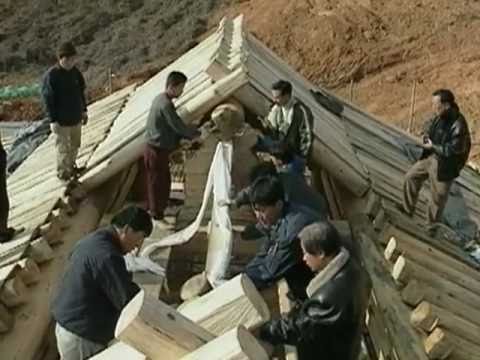
thumb|upright|The work of a Daemokjang Daemokjang (; alternatively Daimokjang) is a style of traditional Korean wooden architecture and a term for the woodworking artisans who create it. The word literally means carpenter. Mokjang means woodworker, and are divided into Somokjang (lit. lesser woodworker) and Daemokjang (lit. greater woodworker). Somokjang who make small wooden objects are joiners; Daemokjang who builds wooden buildings are carpenters. Daemokjang covers the entire field of woodworking and the entire construction process.
Described at
Daemokjang, traditional wooden architecture - UNESCO Intangible Cultural Heritage
ich.unesco.org →The term ‘Daemokjang’ refers to traditional Korean wooden architecture and specifically to the woodworkers who employ the traditional carpentry techniques. The activities of these practitioners also extend to the maintenance, repair and reconstruction of historic buildings, ranging from traditional Korean houses to monumental wooden palaces and temples. The Daemokjang are in charge of the entire construction process, including the planning, design and construction of buildings, and the supervision of subordinate carpenters. The wooden structures created by Daemokjang are smooth, simple and unadorned – distinctive features of traditional Korean architecture. The traditional construction processes require both technical skills to design the building with consideration to its size, site and function, and aesthetic sense to select the lumber for the construction materials, cut and shape the wood, and assemble and interlock the separate wooden pieces without using nails, creating the so-called ‘joints that withstand a millennium’. The know-how of Daemokjang has been handed down from generation to generation and takes decades of education and field experience to master. In working to restore monumental buildings using traditional techniques, Daemokjang practitioners reinterpret the beauty of traditional architecture with their artistic creativity and re-create it with their technical skills.
Excerpt from a page describing this subject · 8,993 chars · not written by Vinony
Wikidata facts
- Instance of
- craft
- Subclass of
- carpentry
- Country
- South Korea
- Country of origin
- South Korea
Show 2 more facts
- intangible cultural heritage status
- National Intangible Cultural Heritage in South Korea
Sources (3)
via Wikidata · CC0
~4 min read
Encyclopedic overview
5 sectionsContents
- History
- Architecture
- Recognition
- Present day
- References
thumb|upright|The work of a Daemokjang Daemokjang (; alternatively Daimokjang) is a style of traditional Korean wooden architecture and a term for the woodworking artisans who create it. The word literally means carpenter. Mokjang means woodworker, and are divided into Somokjang (lit. lesser woodworker) and Daemokjang (lit. greater woodworker). Somokjang who make small wooden objects are joiners; Daemokjang who builds wooden buildings are carpenters. Daemokjang covers the entire field of woodworking and the entire construction process.
== History == Daemokjang builders acquire skills through education and practice. At times, the Daemokjang were treated with prestige, and were offered governmental positions. The "Daemokjang Architectural Method and Theorem" originated in Korea during the Joseon Dynasty. However, towards the end of that dynasty (in the 18th century), the term declined in usage. Instead, their surnames changed to 'Fiansu', and other artisans became known as 'Dofiansu'. Their job was to teach and oversee the construction of government buildings and temples.
Excerpted from Wikipedia’s “Daemokjang” article, available under the CC BY-SA 4.0 licence.