Category
page 2Chembox having GHS data

TNT
thumb|Trinitrotoluene spin view

sulfur dioxide
chemical compound

camphor
Camphor () is a waxy, colorless solid with a strong aroma. It is classified as a terpenoid and a cyclic ketone. It is found in the wood of the camphor laurel (Cinnamomum camphora), a large evergreen tree found in East Asia; and in the kapur tree (Dryobalanops sp.), a tall timber tree from South East Asia. It also occurs in some other related trees in the laurel family, notably Ocotea usambarensis. Rosemary leaves (Rosmarinus officinalis) contain 0.05 to 0.5% camphor, while camphorweed (Heterotheca) contains some 5%. A major source of camphor in Asia is camphor basil (the parent of African blue

sodium carbonate
chemical compound

acetylene
Acetylene (systematic name: ethyne) is a chemical compound with the formula and structure . It is a hydrocarbon and the simplest alkyne. This colorless gas is widely used as a fuel and a chemical building block. It is unstable in its pure form and thus is usually handled as a solution. Pure acetylene is odorless, but commercial grades usually have a marked odor due to impurities such as divinyl sulfide and phosphine.

hydrogen sulfide
chemical compound

propane
thumb|A 20 lb () steel propane cylinder. This cylinder is fitted with an overfill prevention device (OPD) valve, as evidenced by the trilobular handwheel.
Propane () is a three-carbon chain alkane with the molecular formula . It is a gas at standard temperature and pressure, but becomes liquid when compressed for transportation and storage. A by-product of natural gas processing and petroleum refining, it is often a constituent of liquefied petroleum gas (LPG), which is commonly used as a fuel in domestic and industrial applications and in low-emissions public transportation; other constituent

DL-lactic acid
group of stereoisomers

hydrogen peroxide
chemical compound

formic acid
chemical compound

hydrogen cyanide
chemical compound

formaldehyde
Formaldehyde ( , ) (systematic name methanal) is a pungent colorless gas mainly used in the production of industrial resins, such as for particle board, coatings, plastics, pulp, paper, synthetic fibers, and textiles. A ~5% solution in water of formaldehyde is used as a disinfectant and fumigant in industrial, agricultural, and healthcare settings, and a ~37% solution is used to preserve tissue samples in labs. In 2024, the global production of formaldehyde was estimated at 26 million tons per year, and is a precursor to many other materials and chemical compounds.
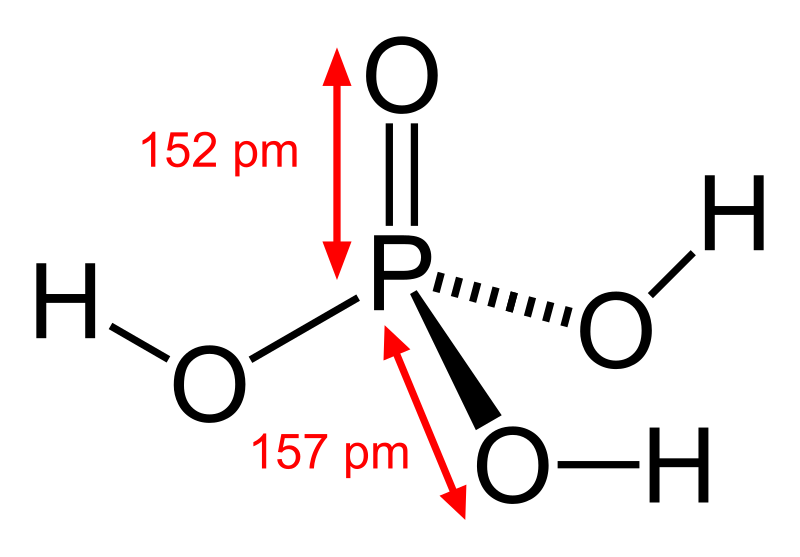
phosphoric acid
chemical compound

calcium hydroxide
chemical compound

ammonium nitrate
chemical compound

chloroform
Chloroform, or trichloromethane (often abbreviated as TCM), is an organochloride with the formula and a common solvent. It is a volatile, colorless, sweet-smelling, dense liquid produced on a large scale as a precursor to refrigerants and polytetrafluoroethylene (PTFE). Chloroform was once used as an inhalational anesthetic between the 19th century and the first half of the 20th century. It is miscible with many solvents but it is only very slightly soluble in water (only 8 g/L at 20°C).

potassium permanganate
inorganic chemical compound with the chemical formula KMnO4

aluminium oxide
chemical compound

DDT
Dichlorodiphenyltrichloroethane (DDT) is a colorless, tasteless, and almost odorless crystalline chemical compound, an organochloride. Originally developed as an insecticide, it became infamous for its environmental impacts. DDT was first synthesized in 1874 by the Austrian chemist Othmar Zeidler. DDT's insecticidal action was discovered by the Swiss chemist Paul Hermann Müller in 1939. DDT was used in the second half of World War II to limit the spread of the insect-borne diseases malaria and typhus among civilians and troops. Müller was awarded the Nobel Prize in Physiology or Medicine in 19

ammonium chloride
chemical compound

orthoboric acid
chemical compound

hydrofluoric acid
solution of hydrogen fluoride in water

calcium oxide
chemical compound

oxalic acid
chemical compound

borax
Borax (also referred to as sodium borate, tincal () and tincar ()) is a salt (ionic compound) normally encountered as a hydrated borate of sodium, with the chemical formula . Borax mineral is a crystalline borate mineral that occurs in only a few places worldwide in quantities that enable it to be mined economically.

sarin
Sarin (NATO designation GB short for G-series, B) is an extremely toxic organophosphorus compound that has been often used as a chemical weapon due to its extreme potency as a nerve agent.
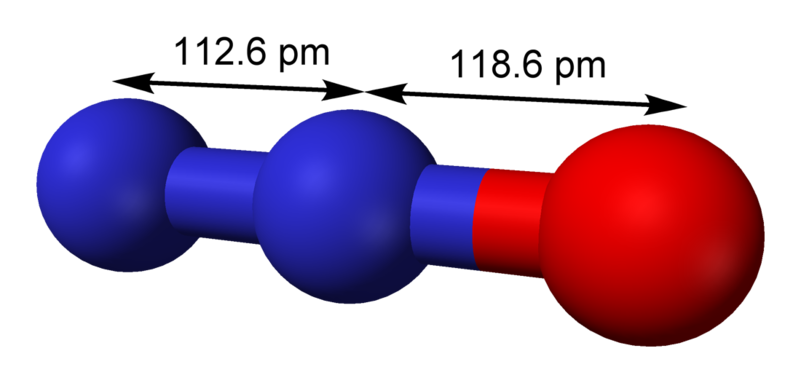
nitrous oxide
chemical compound

DL-glutamic acid
amino acid and neurotransmitter

mustard gas
chemical compound

L-arginine
thumb|Arginine ball and stick model spinning
Arginine is the amino acid with the formula (H2N)(HN)CN(H)(CH2)3CH(NH2)CO2H. The molecule features a guanidino group appended to a standard amino acid framework. At physiological pH, the carboxylic acid is deprotonated (−CO2−) and both the amino and guanidino groups are protonated, resulting in a cation. Only the L-arginine (symbol Arg or R) enantiomer is found naturally. Arg residues are common components of proteins. It is encoded by the codons CGU, CGC, CGA, CGG, AGA, and AGG. The guanidine group in arginine is the precursor for the biosynthesis

toluene
Toluene (), also known as toluol (), is a substituted aromatic hydrocarbon with the chemical formula , often abbreviated as , where Ph stands for the phenyl group. It is a colorless, water-insoluble liquid with the odor associated with paint thinners. It is a mono-substituted benzene derivative, consisting of a methyl group (CH3) attached to a phenyl group by a single bond. As such, its systematic IUPAC name is methylbenzene. Toluene is predominantly used as an industrial feedstock and a solvent.
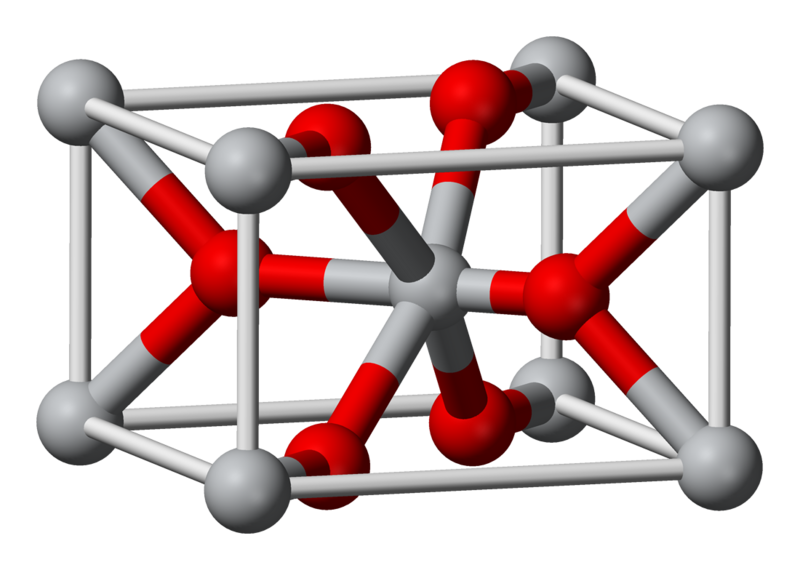
titanium dioxide
chemical compound

cupric sulfate
chemical compound

potassium hydroxide
inorganic compound with the formula KOH

diethyl ether
chemical compound

naphthalene
Naphthalene is an organic compound with the chemical formula . It is the simplest polycyclic aromatic hydrocarbon, and is a white crystalline solid with a characteristic odor that is detectable at concentrations as low as 0.08 ppm by mass. As an aromatic hydrocarbon, naphthalene's structure consists of a fused pair of benzene rings. It is the main ingredient of traditional mothballs.

propylene
Propylene, also known as propene, is an unsaturated organic compound with the chemical formula . It has one double bond, and is the second simplest member of the alkene class of hydrocarbons. It is a colorless gas with a faint petroleum-like odor.

salicylic acid
chemical compound

potassium carbonate
chemical compound

n-pentane
Pentane is an organic compound with the formula C5H12—that is, an alkane with five carbon atoms. The term may refer to any of three structural isomers, or to a mixture of them: in the IUPAC nomenclature, however, pentane means exclusively the n-pentane isomer, in which case pentanes refers to a mixture of them; the other two are called isopentane (methylbutane) and neopentane (dimethylpropane). Cyclopentane is not an isomer of pentane because it has only 10 hydrogen atoms where pentane has 12.

hydrazine

uracil
Uracil () (symbol U or Ura) is one of the four nucleotide bases in the nucleic acid RNA. The others are adenine (A), cytosine (C), and guanine (G). In RNA, uracil binds to adenine via two hydrogen bonds. In DNA, the uracil nucleobase is replaced by thymine (T). Uracil is a demethylated form of thymine.
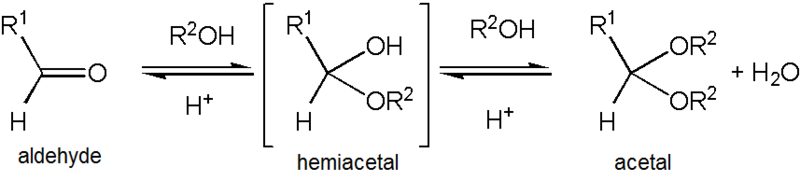
acetaldehyde
Acetaldehyde (IUPAC systematic name ethanal) is an organic chemical compound with the formula . It is a colorless liquid or gas, boiling near room temperature. It is one of the most important aldehydes, occurring widely in nature and being produced on a large scale in industry. Acetaldehyde occurs naturally in coffee, bread, and ripe fruit, and is produced by plants. It is also produced by the partial oxidation of ethanol by the liver enzyme alcohol dehydrogenase and is a contributing cause of hangover after alcohol consumption. Pathways of exposure include air, water, land, or groundwater, as

silver nitrate
chemical compound

sodium nitrate
chemical compound

zinc oxide
ZnO is a white powder insoluble in water

hexane
Hexane () or '''n-hexane''' is an organic compound, a straight-chain alkane with six carbon atoms and the molecular formula C6H14.

octane
Octane is a hydrocarbon and also an alkane with the chemical formula C8H18, and the condensed structural formula CH3(CH2)6CH3. Octane has many structural isomers that differ by the location of branching in the carbon chain. One of these isomers, 2,2,4-trimethylpentane (commonly called iso-octane), is used as one of the standard values in the octane rating scale.

calcium chloride
chemical compound

phosgene
Phosgene is an organic chemical compound with the formula . It is a toxic, colorless gas; in low concentrations, its musty odor resembles that of freshly cut hay or grass. It can be thought of chemically as the double acyl chloride analog of carbonic acid, or structurally as formaldehyde with the hydrogen atoms replaced by chlorine atoms. In 2013, about 75–80 % of global phosgene was consumed for isocyanates, 18% for polycarbonates and about 5% for other fine chemicals.

aniline
Aniline (From , meaning 'indigo shrub', and -ine indicating a derived substance) is an organic compound with the formula . Consisting of a phenyl group () attached to an amino group (), aniline is the simplest aromatic amine. It is an industrially significant commodity chemical, as well as a versatile starting material for fine chemical synthesis. Its main use is in the manufacture of precursors to polyurethane, dyes, and other industrial chemicals. Like most volatile amines, it has the odor of rotten fish. It ignites readily, burning with a smoky flame characteristic of aromatic compounds. It

hydrogen chloride
chemical compound
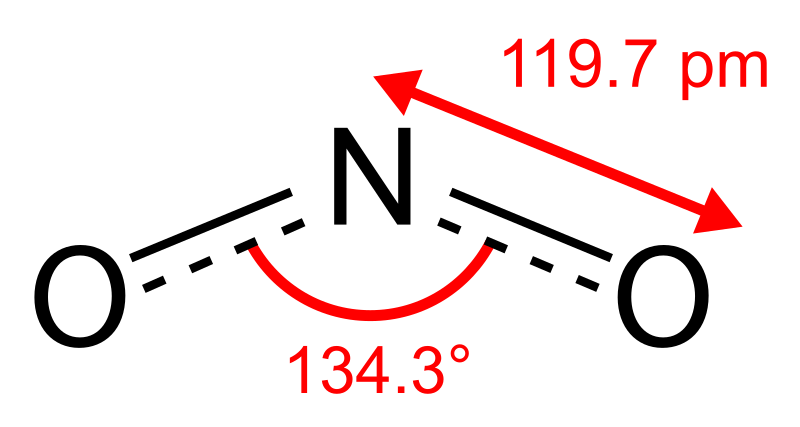
nitrogen dioxide
chemical compound

benzoic acid
chemical compound

magnesium oxide
chemical compound naturally occurring as periclase

picric acid
chemical compound

nitric oxide
chemical compound

oleic acid
monounsaturated omega-9 fatty acid, abbreviated with a lipid number of 18:1 cis-9

ammonium sulfate
chemical compound

barium sulfate
inorganic compound