Category
page 1Edible fruits

banana
A banana is an elongated, edible fruit—botanically a berry—produced by several kinds of large treelike herbaceous flowering plants in the genus Musa. In some countries, cooking bananas are called plantains, distinguishing them from dessert bananas. The fruit is variable in size, color and firmness, but is usually elongated and curved, with soft flesh rich in starch covered with a peel, which may have a variety of colors when ripe. It grows upward in clusters near the top of the plant. Almost all modern edible seedless (parthenocarp) cultivated bananas come from two wild species – Musa acuminat

grape
thumb| "Black" (dark blue) and "white" (light green) table grapes
A grape is a fruit, botanically a berry, of the deciduous woody vines of the flowering plant genus Vitis. Grapes are a non-climacteric type of fruit, generally occurring in clusters.

watermelon
thumb|Naturalized in Australia

Ananas comosus
The pineapple (Ananas comosus) is a tropical plant with an edible fruit; it is the most economically significant plant in the family Bromeliaceae.
Ficus carica
The fig is the edible fruit of Ficus carica (the common fig), a species of tree or shrub in the flowering plant family Moraceae, native to the Mediterranean region, and to western and southern Asia. It has been cultivated since ancient times and is now widely grown throughout the world. Ficus carica is the type species of the genus Ficus, which comprises over 800 tropical and subtropical plant species.

mango
thumb|upright=1.35|Mango fruits – single and halved

pomegranate
The pomegranate (Punica granatum) is a fruit-bearing, deciduous shrub in the family Lythraceae, subfamily Punicoideae, that grows to between tall. Rich in symbolic and mythological associations in many cultures, it originated in the region spanning the Caucasus and Iranian plateau — including modern-day Iran,Turkmenistan, Afghanistan and Pakistan. Pomegranate was first domesticated by ancient Iranians in the Persian plateau and nearby regions about 5,000 years ago. It is extensively cultivated for its fruit.

Cydonia oblonga
The quince (; Cydonia oblonga) is the sole member of the genus Cydonia in the Malinae subtribe (which contains apples, pears, and other fruits) of the Rosaceae family. It is a deciduous tree that bears hard, aromatic bright golden-yellow pome fruit, similar in appearance to a pear. Ripe quince fruits are hard, tart, and astringent. They are eaten raw or processed into jam, quince cheese, or alcoholic drinks.

Litchi chinensis
Lychee ( , ; Litchi chinensis; ) is a monotypic taxon and the sole member in the genus Litchi in the soapberry family, Sapindaceae.
The fruit is edible and has a sweet, mildly tart flavor and a distinctive floral aroma often described as rose-like.

kiwifruit
right|thumb|Kiwifruit by species: A = Actinidia arguta|A. arguta, C = A. chinensis var. chinensis, D = A. chinensis var. deliciosa, E = A. eriantha, I = A. indochinensis, P = A. polygama, S = A. chinensis var. setosa.
thumb|Green kiwifruit cross section
thumb|Gold kiwifruit cross section
thumb|Kiwifruit's morphology

breadfruit
Breadfruit (Artocarpus altilis) is a species of flowering tree in the mulberry and jackfruit family (Moraceae) believed to have been selectively bred in Polynesia from the breadnut (Artocarpus camansi). Breadfruit was spread into Oceania via the Austronesian expansion and to further tropical areas during the Colonial Era. British and French navigators introduced a few Polynesian seedless varieties to Caribbean islands during the late 18th century.

Nephelium lappaceum
Rambutan ( ; ;Nephelium lappaceum) is a medium-sized tropical tree in the family Sapindaceae. The name also refers to the edible fruit produced by this tree. The rambutan is native to Southeast Asia. It is closely related to several other edible tropical fruits, including the lychee, longan, pulasan, and quenepa.

Eriobotrya japonica
The loquat (Eriobotrya japonica, Chinese: 枇杷; Pinyin: pípá) is a large evergreen shrub or tree grown commercially for its orange coloured fruits. It is also cultivated as an ornamental plant.

Garcinia mangostana
Mangosteen (Garcinia mangostana), sometimes rendered mangostan, and commonly known as the purple mangosteen, is a tropical evergreen tree with edible fruit native to the Malay Peninsula and Borneo. It has been cultivated extensively in tropical Asia since ancient times. It is grown mainly in Southeast Asia, southwest India and other tropical areas such as Colombia, Puerto Rico and Florida, where the tree has been introduced. The tree grows from tall.

Sambucus nigra
species of plant

dragon fruit
frameless|right|alt=Ripe, longitudinal section
thumb|Dragon fruit sold in a market in Chiayi, Taiwan|alt=Market stall in [[Taiwan]]

apricot

Annona squamosa
species of plant

Mespilus germanica
species of plant medlar

Cornus mas
species of plant

Morinda citrifolia
species of plant

Morus nigra
species of plant

Dimocarpus longan
Dimocarpus longan, commonly known as the longan () and '''dragon's eye''', is a tropical tree species that produces edible fruit. It is one of the better-known tropical members of the soapberry family Sapindaceae, to which the lychee and rambutan also belong. The fruit of the longan is similar to that of the lychee, but is less aromatic in taste.

guava
thumb|Guava with slice
thumb|right|Ripe apple guavas (Psidium guajava)

Averrhoa bilimbi
species of plant

Passiflora
Passiflora, known also as the passion flowers or passion vines, is a genus of about 550 species of flowering plants, and the type genus of the family Passifloraceae.

Arbutus unedo
species of plant

Annona cherimola
The cherimoya (Annona cherimola), also spelled cherimoyer and chirimoya, and called chirimuya by the Quechua people, is a species of edible fruit-bearing plant in the genus Annona, within the family Annonaceae, which also includes the closely related sweetsop and soursop. Native to mountainous regions of Honduras and Guatemala, the plant has a long history of cultivation in the Andes and Central America

Annonaceae
The Annonaceae are a family of flowering plants consisting of trees, shrubs, or rarely lianas commonly known as the custard apple family or soursop family. With 108 accepted genera and about 2400 known species, it is the largest family in the Magnoliales. Several genera produce edible fruit, most notably Annona, Anonidium, Asimina, Rollinia, and Uvaria. Its type genus is Annona. The family is concentrated in the tropics, with few species found in temperate regions. About 900 species are Neotropical, 450 are Afrotropical, and the remaining are Indomalayan.

Solanum betaceum
The tamarillo (Solanum betaceum) is a tree or shrub in the flowering plant family Solanaceae (the nightshade family). It bears an egg-shaped edible fruit. It is common globally, especially in its native South America (as the Quechuan in Peru, Colombia, and Ecuador, or as tomate andino in other Andean countries), and has been introduced in New Zealand, Nepal, Rwanda, Burundi, the Democratic Republic of the Congo, Australia, and Bhutan.

persimmon
thumb|Oriental persimmon fruit, whole and halved, of the firm cultivar 'fuyu'
thumb|Persimmon fruit seed
thumb|Persimmons on a tree at Bilpin, New South Wales

Asimina triloba
species of plant

Santol
species of plant

Rhus typhina
species of plant

list of culinary fruits
Wikimedia list article

Chrysophyllum cainito
species of plant
fruit tree
tree which bears fruit that is consumed or used by humans and some animals

Pandanus tectorius
species of plant

Lonicera caerulea
species of plant

fruitarianism
200px|thumb|right|Varied fruits
Fruitarianism () is a diet that consists primarily of consuming fruits and possibly nuts and seeds, but without any animal products. Fruitarian diets are subject to criticism and health concerns.

Diospyros lotus
The date-plum (Diospyros lotus), also known by the common names Caucasian persimmon and lilac persimmon, is a widely cultivated species of the genus Diospyros, native to temperate Asia and southeast Europe. Its English name derives from the small fruit, which have a taste reminiscent of both plums and dates. It is among the oldest plants in cultivation.
sunflower seed
fruit of the sunflower (Helianthus annuus)

Diospyros blancoi
species of plant

Rubus ulmifolius
species of plant

Momordica cochinchinensis
Gac, from the Vietnamese (), scientific name Momordica cochinchinensis, is a species of plant in the melon and cucumber family Cucurbitaceae native to countries throughout Southeast Asia and to Queensland, Australia. It is notable for its vivid orange-reddish color resulting from a mix of beta-carotene and lycopene.

Ficus pumila
species of plant

Genipa americana
species of plant

Cornus canadensis
species of plant

White sapote
species of tree

Rubus spectabilis
species of plant

Clausena lansium
species of plant
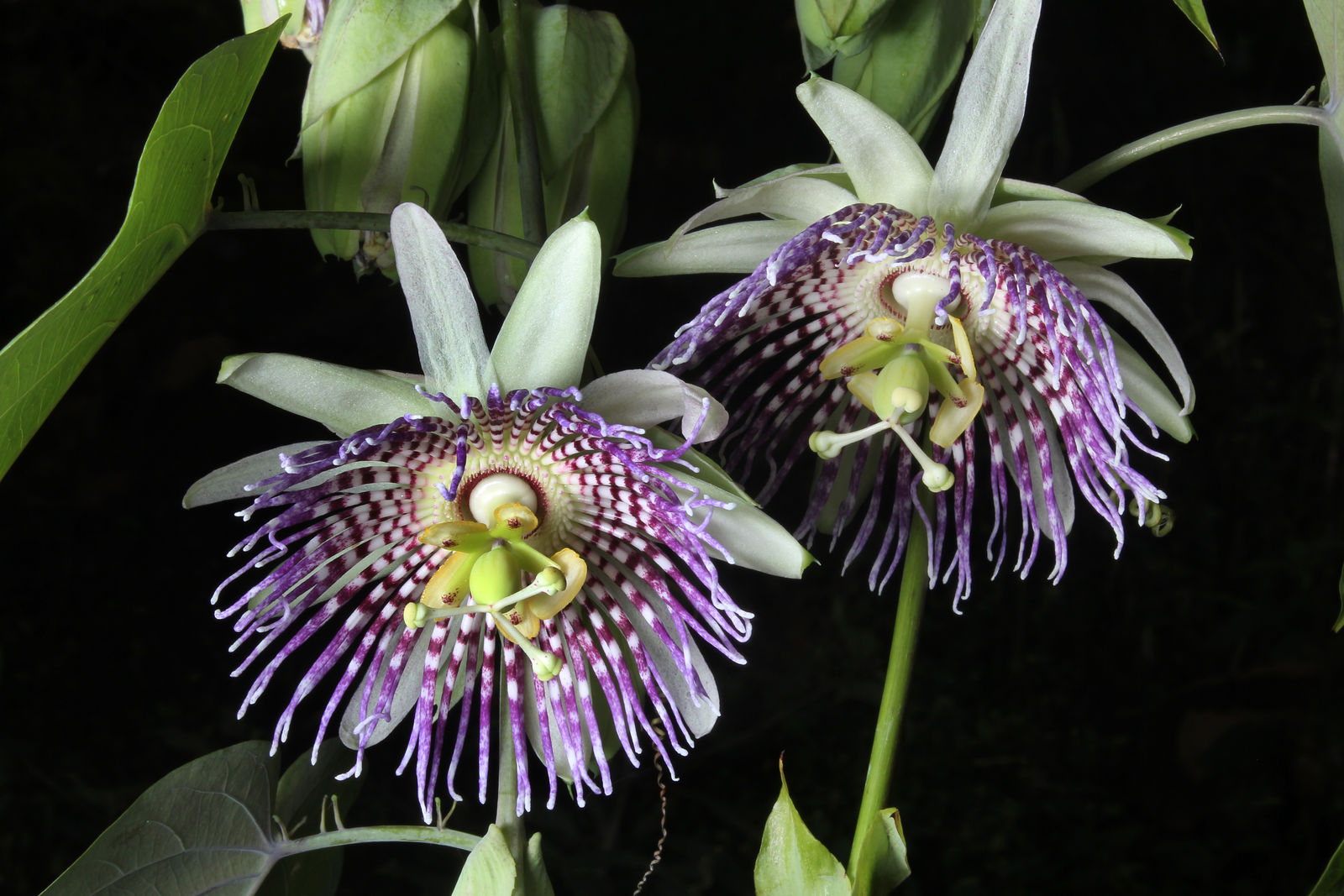
Passiflora ligularis
species of plant

Citrus australasica
species of flowering plant

Nephelium ramboutan-ake
thumb|right|275px|Fruit
thumb|right|250px|A trio of pulasan fruits, one of which has been opened to reveal the sweet edible flesh.
thumb|Pulasan tree with ripe fruits photographed in Kerala

Crataegus pinnatifida
species of plant

honeydew
cultivar group of the muskmelon, Cucumis melo Inodorus group
Physalis pubescens
species of plant

cherry silverberry
species of plant

Crataegus crus-galli
species of plant

Himalayan honeysuckle
species of plant