Category
page 1Extant Pliocene first appearances

lion
The lion (Panthera leo) is a large cat of the genus Panthera, currently ranging only in Sub-Saharan Africa and India. It has a muscular, broad-chested body; a short, rounded head; round ears; and a dark, hairy tuft at the tip of its tail. It is sexually dimorphic; adult male lions are larger than females and have a prominent mane that which extends from the head to the shoulders and chest.

platypus
The platypus (Ornithorhynchus anatinus), sometimes referred to as the duck-billed platypus, is a semiaquatic, egg-laying mammal endemic to eastern Australia, including Tasmania. The platypus is the sole living representative of its family Ornithorhynchidae and genus Ornithorhynchus, though a number of related species appear in the fossil record. Together with the four species of echidna, it is one of the five extant species of monotremes, mammals that lay eggs instead of giving birth to live young. Like other monotremes, the platypus has a sense of electrolocation, which it uses to detect prey

Pan
genus of mammals, includes 2 species: common chimpanzee and bonobo

chimpanzee
The chimpanzee (; Pan troglodytes), also simply known as the chimp, is an endangered species of great ape native to the forests and savannahs of tropical Africa. It has four confirmed subspecies and a fifth proposed one. When its close relative, the bonobo, was more commonly known as the pygmy chimpanzee, this species was often called the common chimpanzee or the robust chimpanzee. The chimpanzee and the bonobo are the only species in the genus Pan.

Asian elephant
species of mammal

honey badger
species of mammal

Elephantidae
Elephantidae is a family of large, herbivorous proboscidean mammals which includes the living elephants (belonging to the genera Elephas and Loxodonta), as well as a number of extinct genera like Mammuthus (mammoths) and Palaeoloxodon. They are large terrestrial mammals with a snout modified into a trunk and teeth modified into tusks. Most genera and species in the family are extinct. Some extinct members are among the largest known terrestrial mammals ever.

Homo
Homo () is a genus of great ape (family Hominidae) that emerged from the early homininian genus Australopithecus, encompassing a single extant species, Homo sapiens (modern humans), along with a number of extinct species (e.g. Homo erectus and Homo neanderthalensis) classified as either ancestral or closely related to modern humans, collectively called archaic humans. Homo, together with the genus Paranthropus, is probably most closely related to the species Australopithecus africanus within Australopithecus.'' The closest living relatives of Homo are of the hominin genus Pan (chimpanzees and

Budgerigar
The budgerigar ( ; Melopsittacus undulatus), also known as the common parakeet, shell parakeet or budgie ( ), is a small, long-tailed, seed-eating parrot native to Australia. Naturally, the species is green and yellow with black, scalloped markings on the nape, back, and wings. Budgies are bred in captivity with colouring of blues, whites, yellows, greys, and even with small crests. Juveniles and chicks are monomorphic (the sexes are visually indistinguishable), while adults are told apart by their cere colouring and their behaviour.

swordfish
The swordfish (Xiphias gladius), also known as the broadbill in some countries, are large, highly migratory predatory fish characterized by a long, flat, pointed bill. They are the sole member of the family Xiphiidae. They are a popular sport fish of the billfish category. Swordfish are elongated, round-bodied, and lose all teeth and scales by adulthood. These fish are found widely in tropical and temperate parts of the Atlantic, Pacific, and Indian Oceans, and can typically be found from near the surface to a depth of , and exceptionally up to depths of . They commonly reach in length, and th

Nuckles
Echidnas (), sometimes known as spiny anteaters, are quill-covered monotremes (egg-laying mammals) belonging to the family Tachyglossidae , living in Australia and New Guinea. The four extant species of echidnas and the platypus are the only living mammals that lay eggs and the only surviving members of the order Monotremata. The diet of some species consists of ants and termites, but they are not closely related to the American true anteaters or to hedgehogs. Their young are called puggles.

Gharial
The gharial (Gavialis gangeticus), also known as gavial or fish-eating crocodile, is a crocodilian in the family Gavialidae and among the longest of all living crocodilians. Mature females are long, and males . Adult males have a distinct boss at the end of the snout, which resembles an earthenware pot known as a ghara, hence the name "gharial". The gharial is well adapted to catching fish because of its long, narrow snout and 110 sharp, interlocking teeth.

African elephant
genus comprising two living elephant species

Prionace glauca
species of fish

onager
The onager (, ) (Equus hemionus), also known as hemione or Asiatic wild ass, is a species of the family Equidae native to Asia. A member of the subgenus Asinus, the onager was described and given its binomial name by German zoologist Peter Simon Pallas in 1775. Six subspecies are accepted.

Ursus
genus of mammals

minke whale
species of mammal

Chinese alligator
species of alligator

Procyon
genus of mammals

Fulica
Coots are medium-sized water birds that are members of the rail family, Rallidae. They constitute the genus Fulica, the name being the Latin term for "coot". Coots have predominantly black plumage, and—unlike many rails—they are usually easy to see, often swimming in open water.
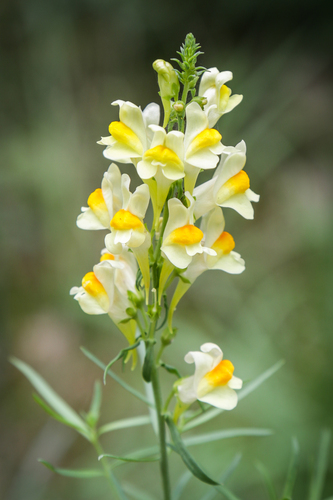
Antirrhinum
Antirrhinum is a genus of plants in the Plantaginaceae family, commonly known as dragon flowers or snapdragons because of the flowers' fancied resemblance to the face of a dragon that opens and closes its mouth when laterally squeezed. They are also sometimes called toadflax or dog flower. They are native to rocky areas of Europe, the United States, Canada, and North Africa. Antirrhinum species are widely used as ornamental plants in borders and as cut flowers.

Taxodium distichum
species of cypress tree
Aptenodytes
The genus Aptenodytes contains two extant and one extinct species of penguins, collectively known as the great penguins.

Mata mata
species of turtle

water opossum
species of mammal

Acinonyx
Acinonyx is a genus that is within the Felidae family, also known as the cat family. The only living species of the genus and most commonly known, the cheetah (A. jubatus) inhabits the open grasslands of Africa and Asia along with parts of Iran. This genus represents a highly adapted lineage within the felids, which specialize in speed and open-terrain hunting. Evidence suggest the Acinonyx genus evolved from other feline ancestors early on, to become specialized in stealth and running.
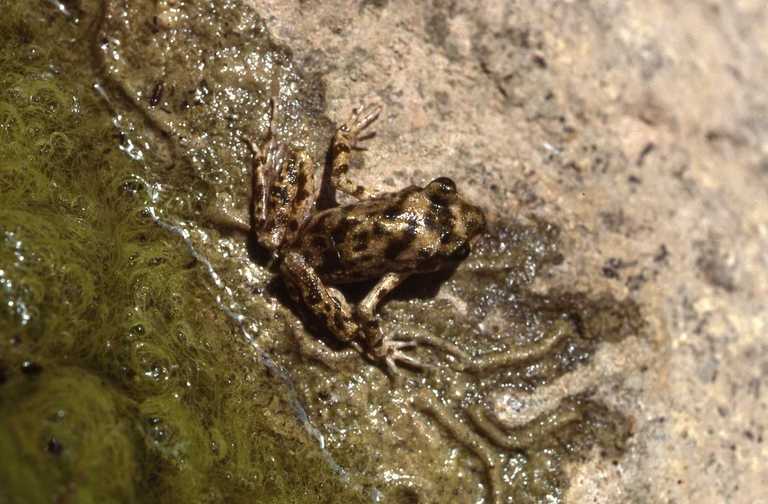
Alytes
genus of amphibians

Bombinatoridae
Bombinatoridae is a family of toads found in Eurasia. Species of the family have flattened bodies and some are highly toxic.
.jpg)
Ailuropoda
Ailuropoda is the only extant genus in the ursid (bear) subfamily Ailuropodinae. It contains one living and one or more fossil species of panda.

Lithobates sylvaticus
species of amphibian

gazelle
A gazelle is one of many antelope species in the genus Gazella . There are also seven species included in two further genera; Eudorcas and Nanger, which were formerly considered subgenera of Gazella. A third former subgenus, Procapra, includes three living species of Asian gazelles.

Neomys
The genus Neomys is a group of four Eurasian water shrews from the subfamily Soricinae of the family Soricidae. These shrews are found in most of Europe and parts of northern Asia, as well as Turkey and Iran. Its member species are:

black-backed jackal
species of mammal

Sisoridae
Sisoridae is a family of catfishes. These Asian catfishes live in fast-moving waters and often have adaptations that allow them to adhere to objects in their habitats. The family includes about 235 species.
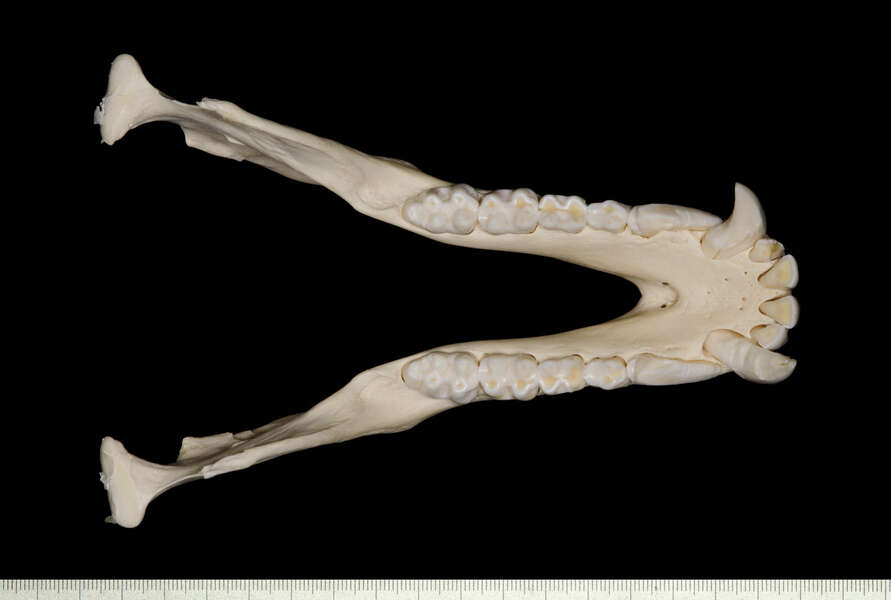
Papionini
Papionini is a tribe of Old World monkeys that includes several large monkey species, which include the macaques of North Africa and Asia, as well as the baboons, geladas, mangabeys, kipunji, drills, and mandrills, which are essentially from sub-Saharan Africa (although some baboons also occur in southern Arabia). It is typically divided into two subtribes: Macacina for the genus Macaca and its extinct relatives and the Papionina for all other genera.
%20(white%20background).jpg)
Tremarctos
Tremarctos is a genus of the monophyletic bear subfamily Tremarctinae, endemic to Americas from the Pliocene to recent. The northern species, the Florida short-faced bear (T. floridanus), went extinct in the Late Pleistocene. The sole living Tremarctos species is the South American spectacled bear (T. ornatus). Tremarctos is also the only living genus under the Tremarctinae subfamily, with the other short-faced bears (Plionarctos, Arctodus, and Arctotherium) all being extinct.

Ambystoma opacum
species of mole salamander found in the eastern United States
Cyclopedidae
The Cyclopedidae is a family of anteaters that includes the silky anteater and its extinct relative, Palaeomyrmidon.

Northern cricket frog
species of amphibian

Checkered garter snake
species of reptile

Aetomylaeus
Aetomylaeus is a genus of eagle rays in the family Myliobatidae.

Trout cod
species of fish
Ceratoscopelus
Ceratoscopelus is a genus of lanternfish.

Menidia
Menidia is a genus of Neotropical silversides native to freshwater, brackish and marine habitats along the Atlantic and Gulf of Mexico coasts of North America, ranging from the Gulf of Saint Lawrence in Canada to the Yucatán Peninsula in Mexico. The species M. clarkhubbsi, an all-female species, reproduces asexually.

Chirostoma
Chirostoma is a genus of Neotropical silversides from the Lerma River basin in Mexico, including lakes Chapala and Pátzcuaro. Fish in the genus collectively go by the common name charal/charales in their native range (a name also used for the related Poblana). They are heavily fished, but several of the species have become threatened due to habitat loss (pollution, water extraction and drought), introduced species and overfishing. Three species are considered extinct: C. bartoni (disappeared 2006), C. charari (1957) and C. compressum (1900). Four others have not been recorded recently and may
Gymnoscopelus
Gymnoscopelus is a genus of lanternfishes. The name is from the Greek gymnos, "naked" and skopelos, "lanternfish."
Parvilux
Parvilux is a genus of lanternfishes.

Protomyctophum
Protomyctophum is a genus of lanternfishes.
Spirinchus
Spirinchus is a genus of smelts (Osmeridae) from the North Pacific Ocean and adjacent streams.
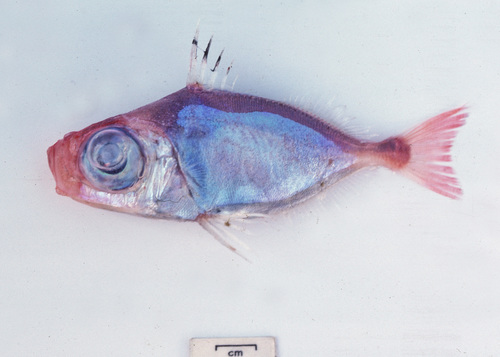
Zenion
Zenion is a genus of zeniontid fish that is known from the fossil record, but is still extant.
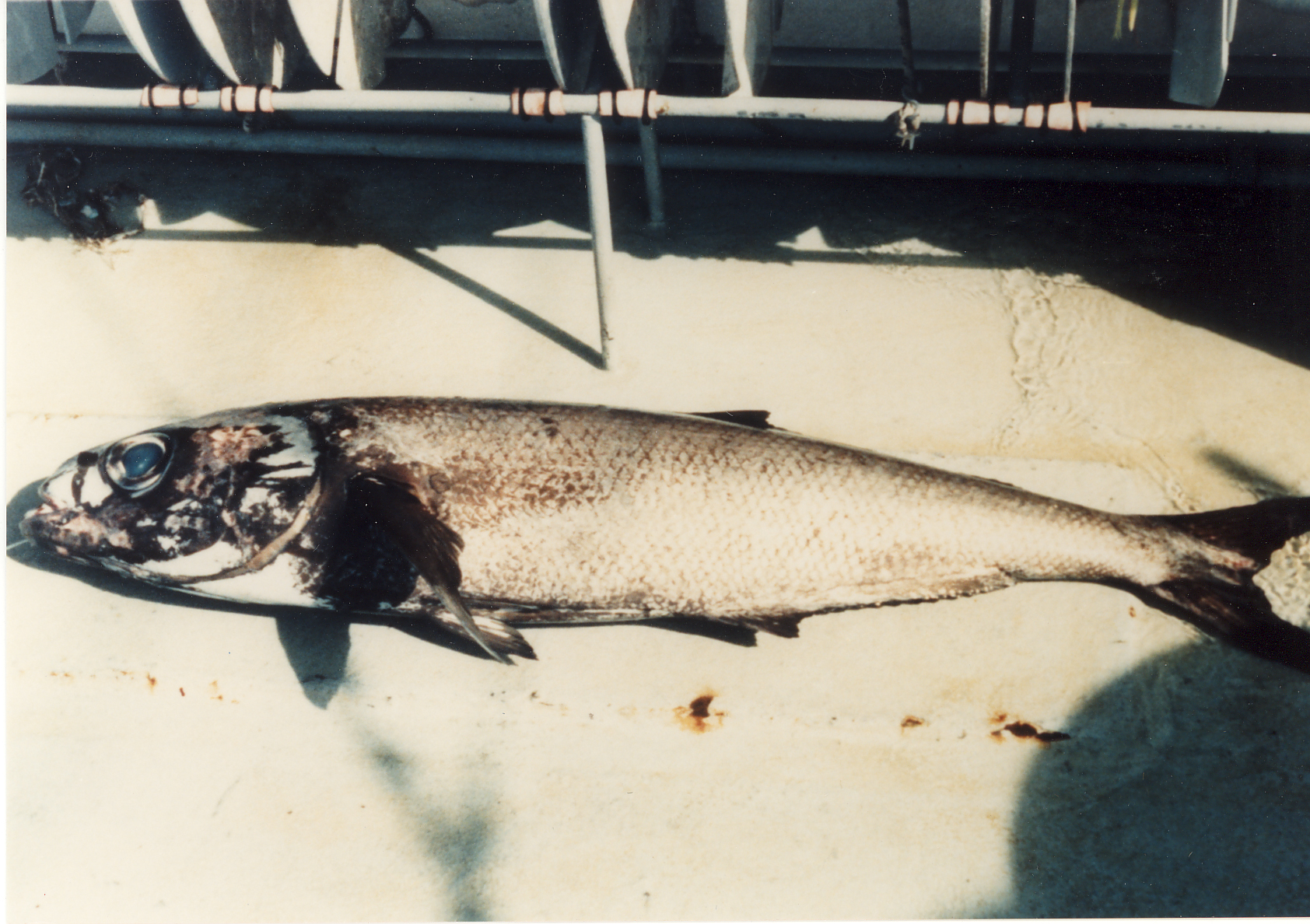
Cubiceps
Cubiceps is a genus of driftfishes found circumglobally.
Chelus orinocensis
species of turtle
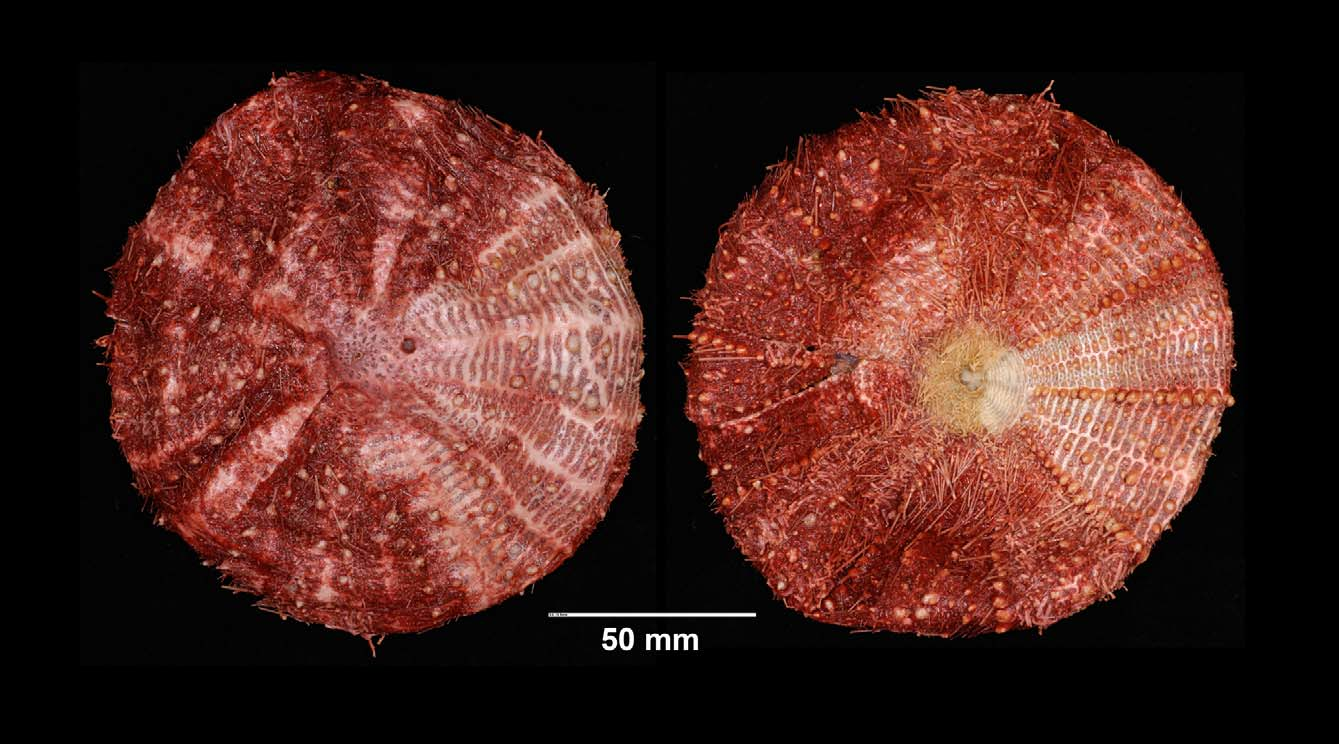
Araeosoma
Araeosoma is a genus of deep-sea sea urchins in the family Echinothuriidae.
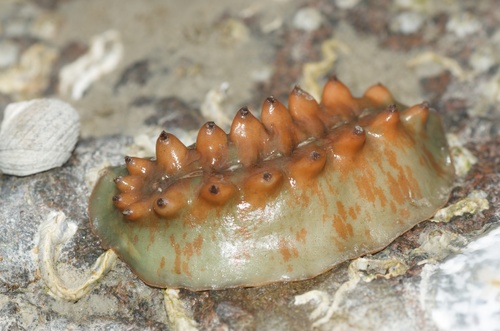
Cryptoconchus
Cryptoconchus is a genus of chitons in the family Acanthochitonidae.
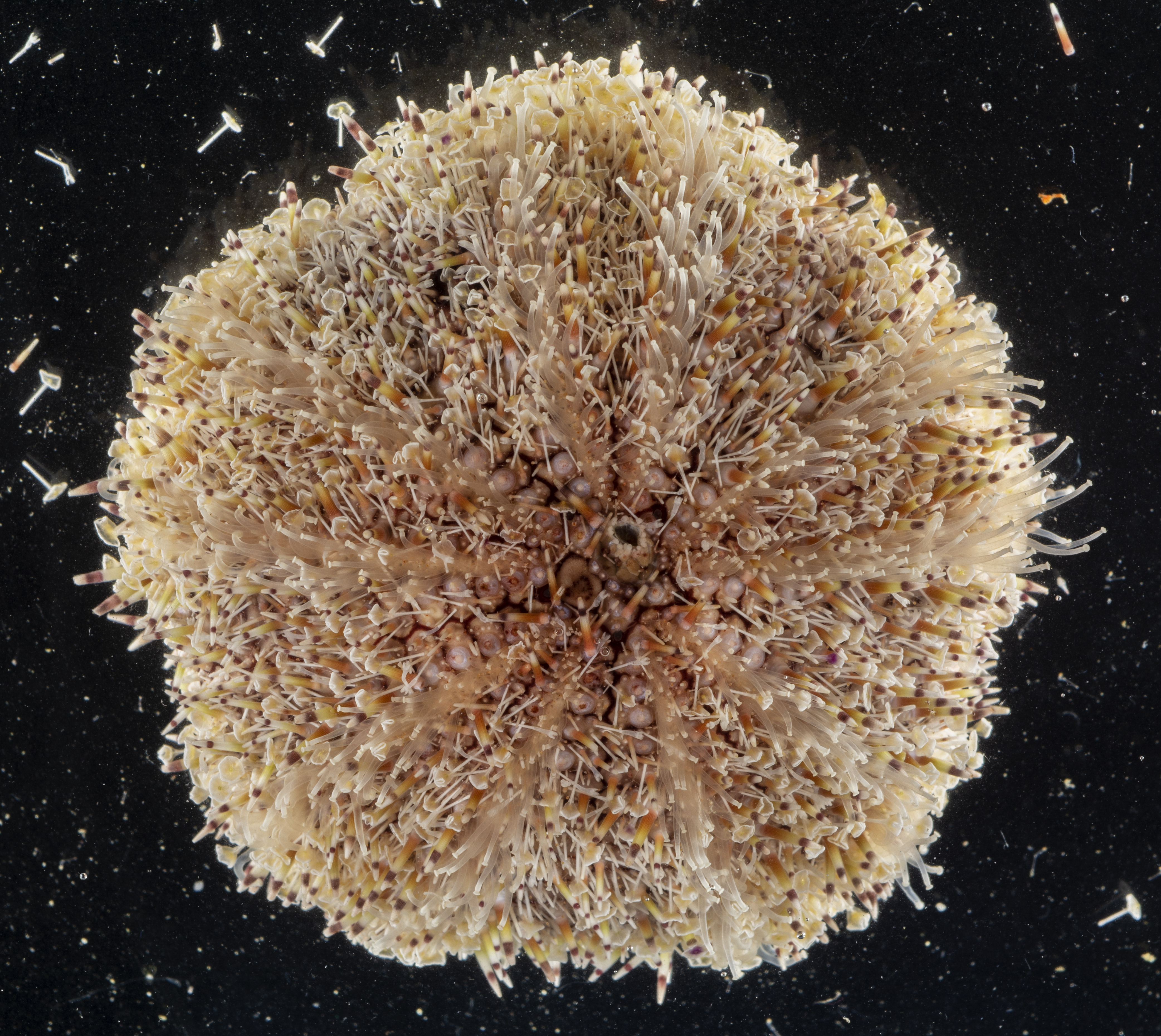
Toxopneustes
Toxopneustes is a genus of sea urchins from the tropical Indo-Pacific. It contains four species. They are known to possess medically significant venom to humans on their pedicellariae (tiny claw-like structures). They are sometimes collectively known as flower urchins, after the most widespread and most commonly encountered species in the genus, the flower urchin (Toxopneustes pileolus).
==Species==
Species included in the genus are the following:
{| class="wikitable"
|-
! Image !! Scientific name !! Description !! Distribution
|-
|120px ||Toxopneustes elegans Döderlein, 1885|| Can be distin