Category
page 1Hepatology

bile
thumb|Bile (yellow material) in a liver [[biopsy stained with hematoxylin-eosin in a condition called cholestasis (setting of bile stasi)]]

glycogen
thumb|upright=1.25|Schematic two-dimensional cross-sectional view of glycogen: A core protein of glycogenin is surrounded by branches of [[glucose units. The entire globular granule may contain around 30,000 glucose units.]] thumb|A view of the atomic structure of a single branched strand of [[glucose units in a glycogen molecule.]]

schistosomiasis
Schistosomiasis, also known as snail fever, bilharzia, and Katayama fever is a neglected tropical disease, specifically a helminthiasis caused by parasitic flatworms called schistosomes. It affects humans and many other animals. It affects the urinary tract or the intestines. Symptoms include abdominal pain, diarrhea, bloody stool, or blood in the urine. Those who have been infected for a long time may experience liver damage, kidney failure, infertility, or bladder cancer. In children, schistosomiasis may cause poor growth and learning difficulties. Schistosomiasis belongs to the group of hel

bilirubin
Bilirubin (BR) (adopted from German, originally bili, for bile, plus ruber, Latin for red) is a red-orange compound that occurs as the reduction product of biliverdin, a breakdown product of heme. It is further broken down in the colon to urobilinogen, most of which becomes stercobilin, causing the brown color of feces. Some unconverted urobilinogen, metabolised to urobilin, provides the straw-yellow color in urine.

gallstone disease
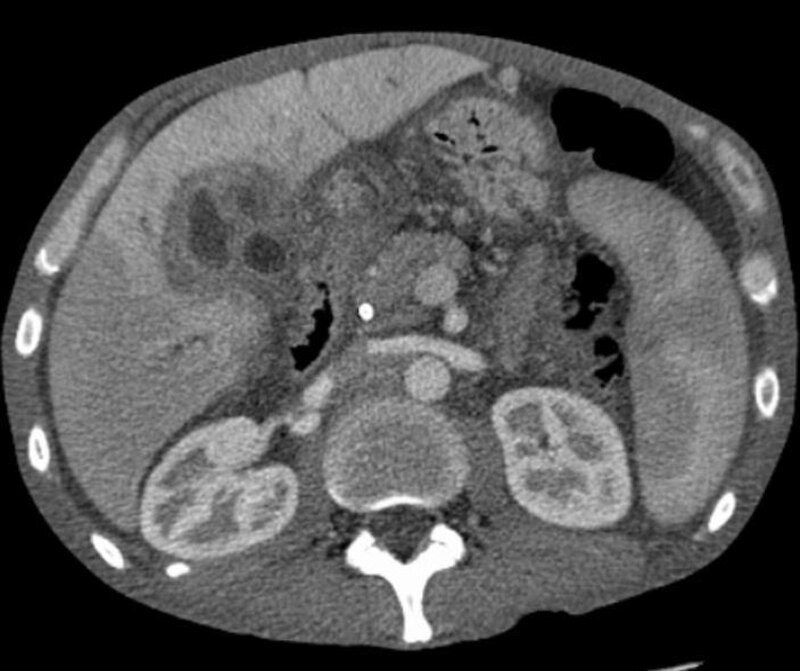
liver cancer
human disease

Wilson disease
multisystem disease due to abnormal accumulation of copper

cholecystitis
Cholecystitis is inflammation of the gallbladder. Symptoms include right upper abdominal pain, pain in the right shoulder, nausea, vomiting, and occasionally fever. Often gallbladder attacks (biliary colic) precede acute cholecystitis. The pain lasts longer in cholecystitis than in a typical gallbladder attack. Without appropriate treatment, recurrent episodes of cholecystitis are common. Complications of acute cholecystitis include gallstone pancreatitis, common bile duct stones, or inflammation of the common bile duct.

gluconeogenesis
Gluconeogenesis (GNG) is a metabolic pathway that results in the biosynthesis of glucose from certain non-carbohydrate carbon substrates. It is a ubiquitous process, present in plants, animals, fungi, bacteria, and other microorganisms. In vertebrates, gluconeogenesis occurs mainly in the liver and, to a lesser extent, in the cortex of the kidneys. It is one of two primary mechanisms – the other being degradation of glycogen (glycogenolysis) – used by humans and many other animals to maintain blood sugar levels, avoiding low levels (hypoglycemia). In ruminants, because dietary carbohydrates te
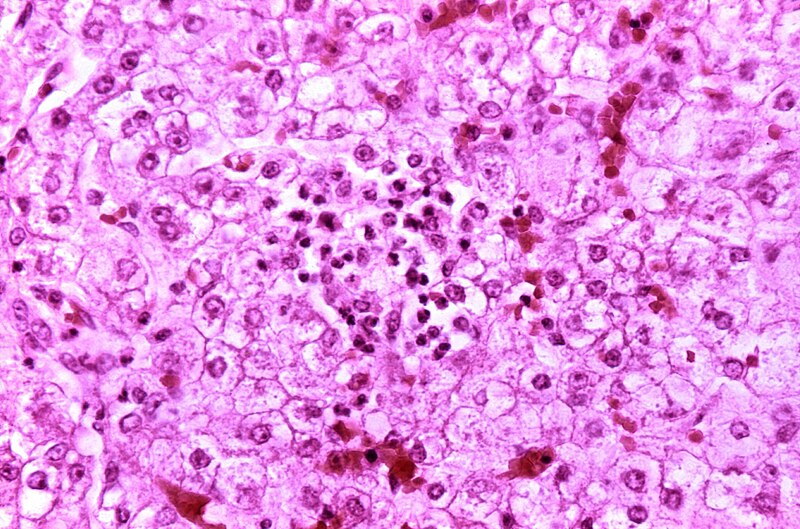
Reye syndrome
syndrome characterized by acute brain damage and liver function problems

hepatology
right|thumb|Fluoroscopic image of common bile duct
Hepatology is the branch of medicine that incorporates the study of liver, gallbladder, biliary tree, and pancreas as well as management of their disorders. Although traditionally considered a sub-specialty of gastroenterology, rapid expansion has led in some countries to doctors specializing solely on this area, who are called hepatologists.

bile acids
steroid acids and salts, derived from cholesterol in the liver and usually conjugated with glycine or taurine, and sometimes further modified by bacteria in the intestine
D-glucouronic acid
chemical compound arising from glucose oxidation

cholecystokinin
Cholecystokinin (CCK or CCK-PZ; from Greek chole, "bile"; cysto, "sac"; kinin, "move"; hence, move the bile-sac (gallbladder)) is a peptide hormone of the gastrointestinal system responsible for stimulating the digestion of fat and protein. Cholecystokinin, formerly called pancreozymin, is synthesized and secreted by enteroendocrine cells in the duodenum, the first segment of the small intestine. Its presence causes the release of pancreatic juice from the pancreas and bile from the gallbladder.
bile duct
type of organ

glycogen catabolic process
class=skin-invert-image|thumb|Glycogen|346x346px
class=skin-invert-image|thumb|Glucose
class=skin-invert-image|thumb|Glucose-6-phosphate
Glycogenolysis is the breakdown of glycogen (n) to glucose-1-phosphate and glycogen (n-1). Glycogen branches are catabolized by the sequential removal of glucose monomers via phosphorolysis, by the enzyme glycogen phosphorylase.
hepatocellular carcinoma
liver carcinoma that has material basis in undifferentiated hepatocytes
Gilbert syndrome
metabolic disorder in which the liver processes bilirubin slowly
hepatic encephalopathy
brain disease that is characterized by loss of brain function, the occurrence of confusion, altered level of consciousness, and coma that results when the liver is unable to remove toxins from the blood
glutamic-pyruvic transaminase
mammalian protein found in Homo sapiens
liver transplantation
kind of organ transplantation

transaminase
Transaminases or aminotransferases are enzymes that catalyze a transamination reaction between an amino acid and an α-keto acid. They are important in the synthesis of amino acids, which form proteins.
ascending cholangitis
bile duct disease that is an inflammation of the bile duct
drug metabolism
biochemical modification of drugs or foreign compounds by living organisms
glycogen storage disease II
human disease
portal hypertension
hypertension in the hepatic portal system
primary sclerosing cholangitis
sclerosing cholangitis characterized by fibroobliterative inflammation of the biliary tract, leading to cirrhosis and portal hypertension
neonatal jaundice
pigmentation disease characterized by a high level of bilirubin in the blood, causing a yellowing of the skin and other tissues of a newborn infant

Echinococcus
thumb|400px|right|schematic representation of the life cycle of Echinococcus
thumb|General description of the egg and oncosphere of Echinococcus spp.
alpha-1-antitrypsin deficiency
genetic disorder that may result in lung disease or liver disease

Ceruloplasmin
Ceruloplasmin (or caeruloplasmin) is a ferroxidase enzyme that in humans is encoded by the CP gene.

lipolysis
thumb|right|upright=1.8|This image illustrates the three separate steps of hydrolysis involved in lipolysis. In the first step, Triglyceride|triacylglycerol is hydrolyzed to make diacylglycerol and this is catalyzed by [[adipose triglyceride lipase (ATGL). In the second step, diacylglycerol is hydrolyzed to make monoacylglycerol and this is catalyzed by hormone-sensitive lipase (HSL). In the last step, monoacylglycerol is hydrolyzed to make glycerol and this is catalyzed by monoacylglycerol lipase (MGL). ]]
thumb|upright=1.8|Example of a triacylglycerol
Lipolysis is the metabolic pathway throu

hepatomegaly
Hepatomegaly is enlargement of the liver. It is a non-specific medical sign, having many causes, which can broadly be broken down into infection, hepatic tumours, and metabolic disorder. Often, hepatomegaly presents as an abdominal mass. Depending on the cause, it may sometimes present along with jaundice.
hepatic vein thrombosis
Human disease
common bile duct
gastrointestinal duct
i-urobilinogen
Urobilinogen is a colorless by-product of bilirubin reduction. It is formed in the intestines by the bacterial enzyme bilirubin reductase. About half of the urobilinogen formed is reabsorbed and taken up via the portal vein to the liver, enters circulation and is excreted by the kidney.

cholestasis
Cholestasis is a condition where the flow of bile from the liver to the duodenum is impaired. The two basic distinctions are:
colestyramine
Colestyramine (INN) or cholestyramine (USAN) (trade names Questran, Questran Light, Cholybar, Olestyr, Quantalan, Vasosan) is a bile acid sequestrant, which binds bile in the gastrointestinal tract to prevent its reabsorption. It is a strong ion exchange resin, which means it can exchange its chloride anions with anionic bile acids in the gastrointestinal tract and bind them strongly in the resin matrix. The functional group of the anion exchange resin is a quaternary ammonium group attached to an inert styrene-divinylbenzene copolymer.
glycogen storage disease
glycogen metabolism disorder that has material basis in enzymes deficiencies necessary in the processing of glycogen synthesis or breakdown within muscles, liver, and other cell types

hepatotoxicity
{| class="infobox" style="font-size: 88%; text-align: center; width: 22em; line-height: 1.5em"
! Synonyms
|-
|
Drug-induced liver injury (DILI)
Toxin-induced hepatitis
Drug-induced hepatitis
Drug-induced hepatic necrosis
Drug-induced hepatic fibrosis
Drug-induced hepatic granuloma
Toxic liver disease with hepatitis
Toxic liver disease with cholestasisToxic hepatitis
Toxic liver diseaseToxin-induced liver diseaseDrug-induced liver diseaseDrug-induced liver damageHepatogenous poisoning
|}
common hepatic duct
exocrine duct
primary biliary cholangitis
liver cirrhosis characterized by chronic and slow progressive destruction of intrahepatic bile ducts
cystic duct
organ duct
Zellweger syndrome
congenital disorder of nervous system
Crigler-Najjar syndrome
bilirubin metabolic disorder that involves a build up of bilirubin as bilirubin is not being broken down as a result of a lack or deficiency of the enzyme uridine diphosphate glycosyltransferase (UGT)
Alagille syndrome
congenital disorder of digestive system

xanthoma
A xanthoma (pl. xanthomas or xanthomata) (condition: xanthomatosis) is a deposition of yellowish cholesterol-rich material that can appear anywhere in the body in various disease states. They are cutaneous manifestations of lipidosis in which lipids accumulate in large foam cells within the skin. They are associated with hyperlipidemias, both primary and secondary types.
glycogen storage disease I
rare disease
Dubin-Johnson syndrome
rare, autosomal recessive, benign disorder that causes an isolated increase of conjugated bilirubin in the serum
fatty acid metabolic process
The chemical reactions and pathways involving fatty acids, aliphatic monocarboxylic acids liberated from naturally occurring fats and oils by hydrolysis.
Liver fluke
group of liver parasites
enterohepatic circulation
the circulation of substances from the liver to the bile, to the intestine, and back to the liver
Child-Pugh score
Scoring system to assess the prognosis of chronic liver disease

hepatoblastoma
Hepatoblastoma is a malignant liver cancer occurring in infants and children and composed of tissue resembling fetal liver cells, mature liver cells, or bile duct cells. They usually present with an abdominal mass. The disease is most commonly diagnosed during a child's first three years of life. Alpha-fetoprotein (AFP) levels are commonly elevated, but when AFP is not elevated at diagnosis the prognosis is poor.
biliary atresia
congenital disorder of digestive system investigation of choice of the disease is MRCP
colesevelam
Colesevelam is a bile acid sequestrant administered orally. It was developed by GelTex Pharmaceuticals and later acquired by Genzyme. It is marketed in the US by Daiichi Sankyo under the brand name Welchol and elsewhere by Genzyme as Cholestagel. In Canada, it is marketed by Valeant as Lodalis.
ATC code A05
Bile and liver therapy is a therapeutic subgroup of the Anatomical Therapeutic Chemical Classification System
Rotor syndrome
rare disease
hereditary haemochromatosis
metal metabolism disorder characterized by the accumulation of iron in various organs of the body
liver function test
measure of the levels of enzymes and proteins in the blood to assess liver health and functionality