Category
page 1Pathogenic bacteria

Helicobacter pylori
species of bacteria
.jpg)
Salmonella
Salmonella is a genus of rod-shaped, (bacillus) Gram-negative bacteria of the family Enterobacteriaceae. The two known species of Salmonella are Salmonella enterica and Salmonella bongori. S. enterica is the type species and is further divided into six subspecies that include over 2,650 serotypes. Salmonella was named after Daniel Elmer Salmon (1850–1914), an American veterinary surgeon.

Staphylococcus
Staphylococcus, from Ancient Greek σταφυλή (staphulḗ), meaning "bunch of grapes", and (kókkos), meaning "kernel" or "Kermes", is a genus of Gram-positive bacteria in the family Staphylococcaceae from the order Bacillales. Under the microscope, they appear spherical (cocci), and form in grape-like clusters. Staphylococcus species are facultative anaerobic organisms (capable of growth both aerobically and anaerobically).

Streptococcus
Streptococcus, from Ancient Greek στρεπτός (streptós), meaning "twisted", and κόκκος (kókkos), meaning "grain", is a genus of gram-positive spherical bacteria that belongs to the family Streptococcaceae, within the order Lactobacillales (lactic acid bacteria), in the phylum Bacillota. Cell division in streptococci occurs along a single axis, thus when growing they tend to form pairs or chains, which may appear bent or twisted. This differs from staphylococci, which divide along multiple axes, thereby generating irregular, grape-like clusters of cells. Most streptococci are oxidase-negative and

Yersinia pestis
species of bacteria, cause of plague

Staphylococcus aureus
species of bacterium

Mycobacterium tuberculosis
species of bacterium

Bacillus anthracis
species of bacteria, causes anthrax

Streptococcus pneumoniae
species of bacterium

Mycobacterium
Mycobacterium is a genus of over 190 species of Gram-positive bacteria in the phylum Actinomycetota, assigned its own family, Mycobacteriaceae. This genus includes pathogens known to cause serious diseases in mammals, including tuberculosis (M. tuberculosis) and leprosy (M. leprae) in humans. The Greek prefix myco- means 'fungus', alluding to this genus's mold-like colony surfaces. Since this genus has cell walls with a waxy lipid-rich outer layer containing high concentrations of mycolic acid, acid-fast staining is used to emphasize their resistance to acids, compared to other cell types.

Clostridium
Clostridium is a genus of anaerobic, Gram-positive bacteria. Species of Clostridium inhabit soils and the intestinal tracts of animals, including humans. This genus includes several significant human pathogens, including the causative agents of botulism and tetanus. It also formerly included an important cause of diarrhea, Clostridioides difficile, which was reclassified into the Clostridioides genus in 2016.
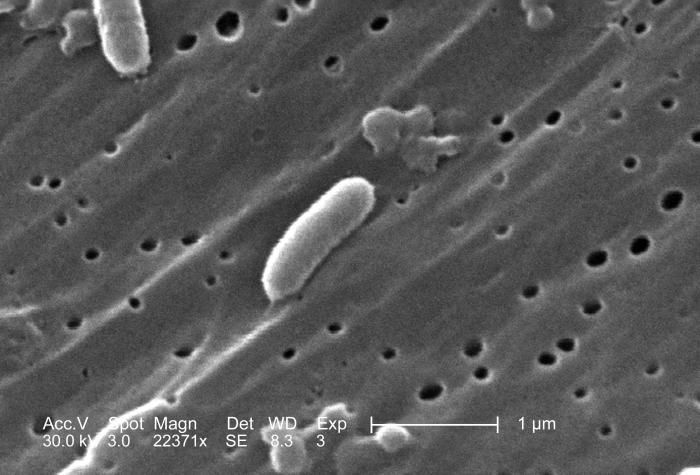
Vibrio cholerae
species of bacterium
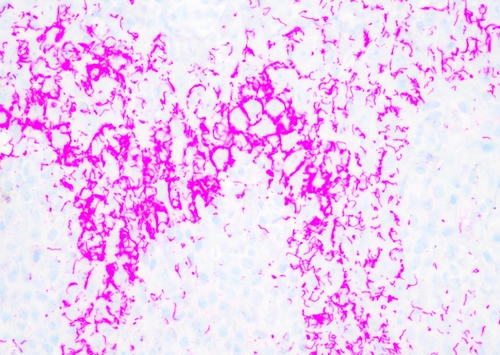
Treponema pallidum
species

Mycobacterium leprae
species of bacterium; form of leprosy

Neisseria meningitidis
species of bacterium

Clostridium tetani
common soil bacterium and the causative agent of tetanus

Shigella
Shigella is a genus of bacteria that is Gram negative, facultatively anaerobic, non–spore-forming, nonmotile, rod shaped, and is genetically nested within Escherichia coli. The genus is named after Japanese physician Kiyoshi Shiga, who discovered it in 1897.

Clostridium botulinum
species of bacterium

Clostridium perfringens
species of bacteria
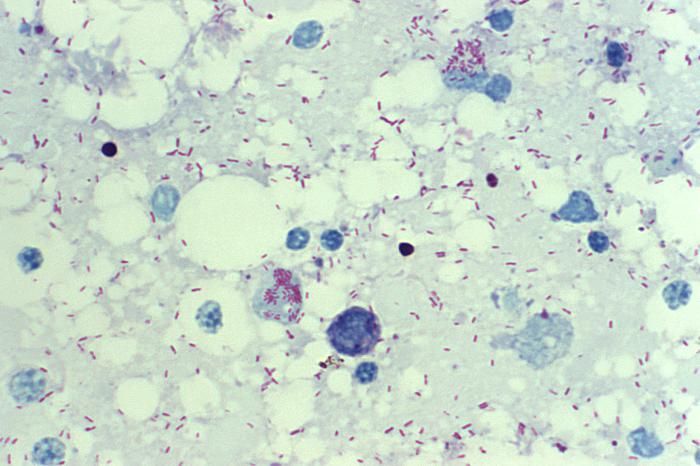
Rickettsia
Rickettsia is a genus of nonmotile, gram-negative, nonspore-forming, highly pleomorphic bacteria that may occur in the forms of cocci (0.1 μm in diameter), bacilli (1–4 μm long), or threads (up to about 10 μm long). The genus was named after Howard Taylor Ricketts in honor of his pioneering work on tick-borne spotted fever.

Pseudomonas aeruginosa
species of bacterium
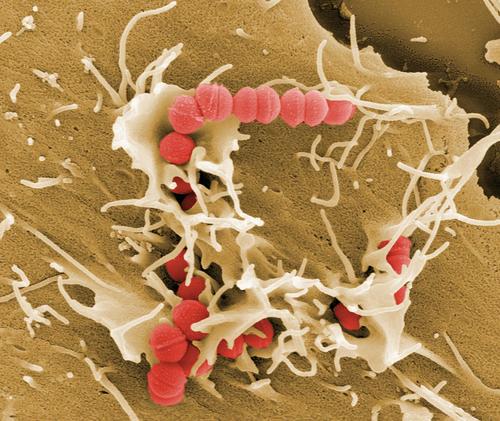
Streptococcus pyogenes
species of bacterium

Haemophilus influenzae
species of bacterium

Neisseria gonorrhoeae
species of bacterium
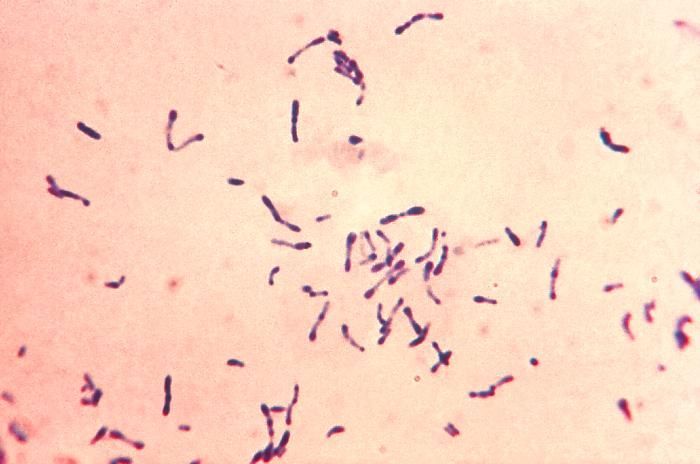
Corynebacterium diphtheriae
species of bacterium
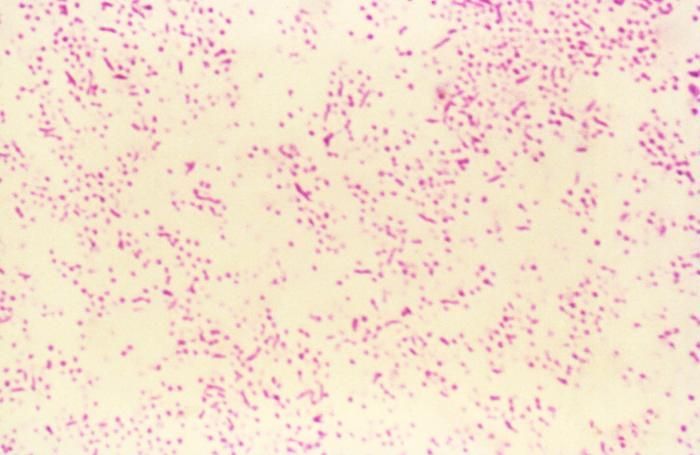
Campylobacter
Campylobacter is a type of bacteria that can cause a diarrheal disease in people. Its name means 'curved bacterium' because the germ typically appears in a comma or s shape. According to its scientific classification, it is a genus of gram-negative bacteria that is motile.

Enterococcus
Enterococcus is a large genus of lactic acid bacteria of the phylum Bacillota. Enterococci are Gram-positive cocci that often occur in pairs (diplococci) or short chains, and are difficult to distinguish from streptococci on physical characteristics alone. Two species are common commensal organisms in the intestines of humans: E. faecalis (90–95%) and E. faecium (5–10%). Rare clusters of infections occur with other species, including E. durans, E. casseliflavus, E. gallinarum, and E. raffinosus.
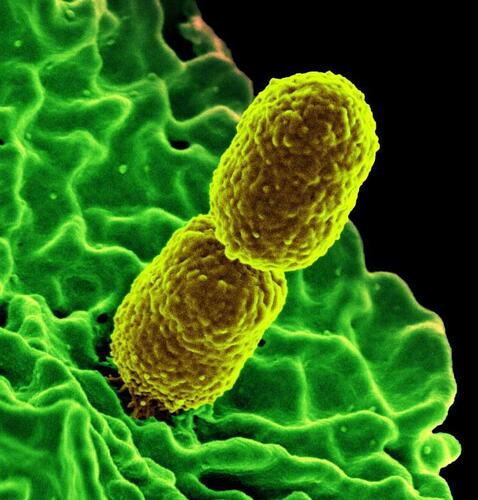
Klebsiella pneumoniae
species of bacterium

Chlamydia trachomatis
species of bacterium

Chlamydia
genus of bacteria

Legionella
Legionella is a genus of Gram-negative bacteria that can be seen using a silver stain or grown in a special media that contains cysteine, an amino acid. Most Legionella species are intracellular pathogens whose primary hosts are amoebae, however many Legionella are accidental pathogens of humans. Legionella bacteria are known to cause legionellosis (all illnesses caused by Legionella) including a pneumonia-type illness called Legionnaires' disease and a mild flu-like illness called Pontiac fever. These bacteria are common in many places, like soil and water. Legionella are aerobic and motile.
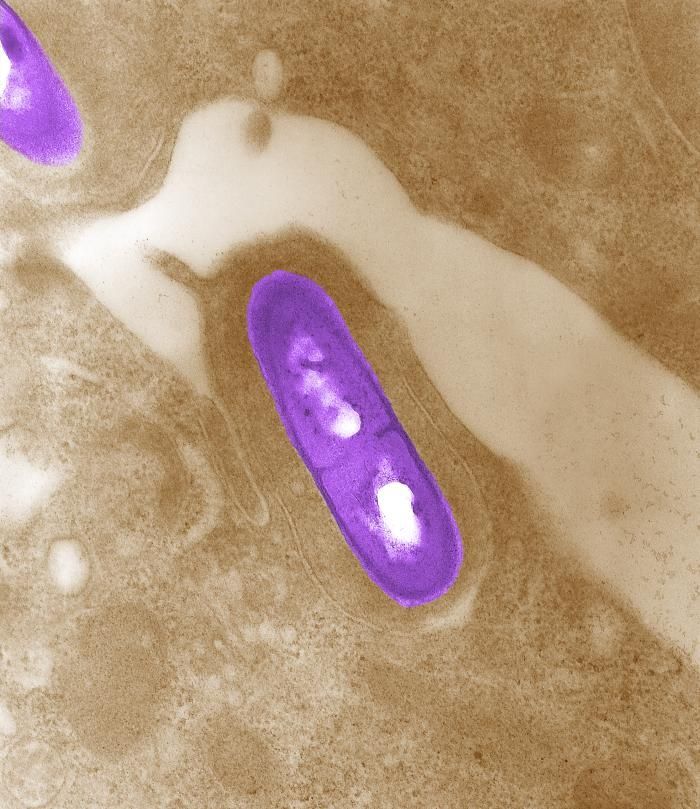
Listeria monocytogenes
species of bacterium
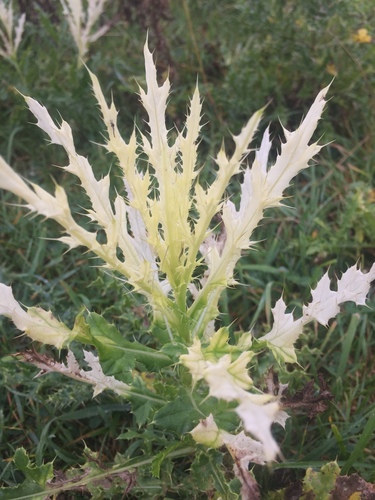
Pseudomonas
Pseudomonas is a genus of Gram-negative bacteria belonging to the family Pseudomonadaceae in the class Gammaproteobacteria. The 348 members of the genus demonstrate a great deal of metabolic diversity and consequently are able to colonize a wide range of niches and hosts. Their ease of culture in vitro and availability of an increasing number of Pseudomonas strain genome sequences has made the genus an excellent focus for scientific research; the best studied species include P. aeruginosa in its role as an opportunistic human pathogen, the plant pathogen P. syringae, the soil bacterium P. puti
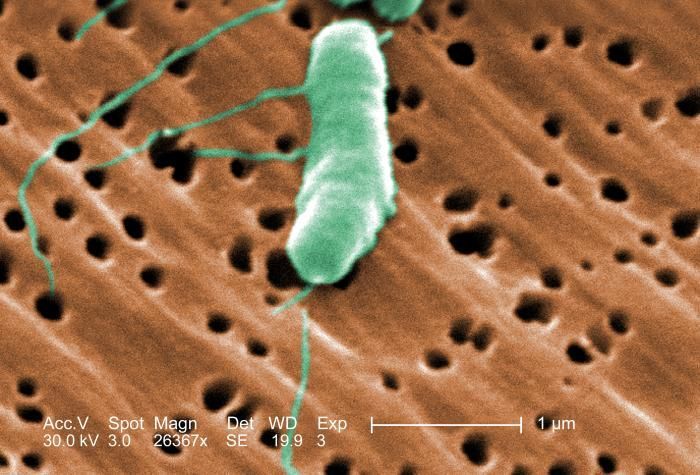
Vibrio vulnificus
species of bacterium
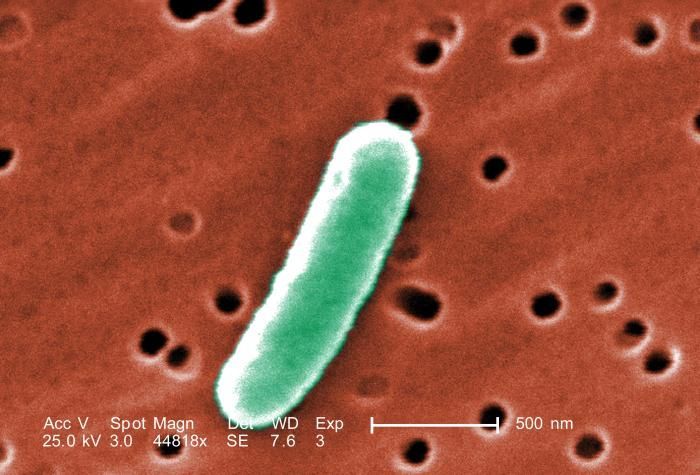
Escherichia
Escherichia ( ) is a genus of Gram-negative, non-spore-forming, facultatively anaerobic, rod-shaped bacteria from the family Enterobacteriaceae. In those species which are inhabitants of the gastrointestinal tracts of warm-blooded animals, Escherichia species provide a portion of the microbially derived vitamin K for their host. A number of the species of Escherichia are pathogenic. The genus is named after Theodor Escherich, the discoverer of Escherichia coli. Escherichia are facultative aerobes, with both aerobic and anaerobic growth, and an optimum temperature of 37 °C. Escherichia are
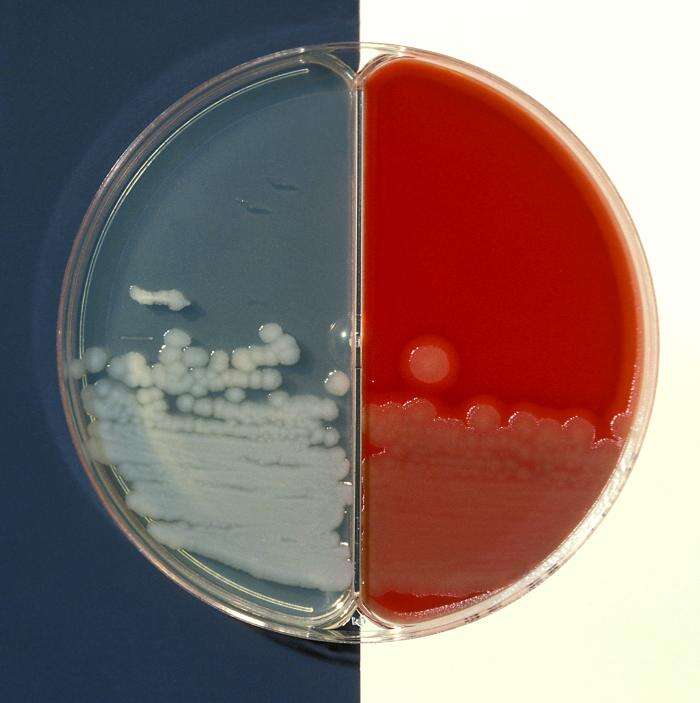
Bacillus cereus
species of bacterium

Acinetobacter baumannii
species of bacterium
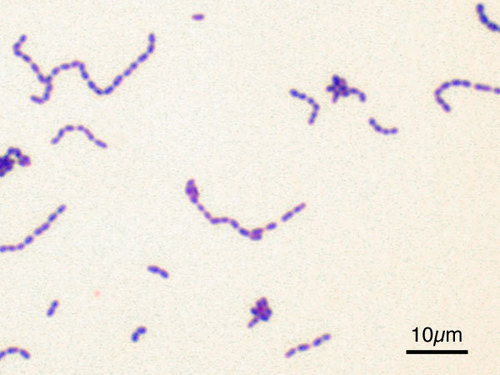
Streptococcus mutans
species of bacterium
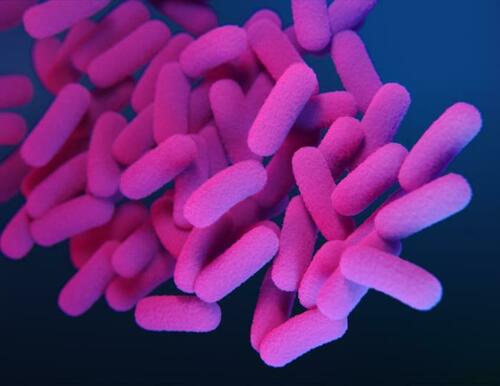
Bordetella pertussis
species of bacterium
Mycoplasma genitalium
species of bacterium

Staphylococcus epidermidis
species of bacterium
Corynebacterium
Corynebacterium () is a genus of Gram-positive bacteria and most are aerobic. They are bacilli (rod-shaped), and in some phases of life they are, more specifically, club-shaped, which inspired the genus name (coryneform means "club-shaped").
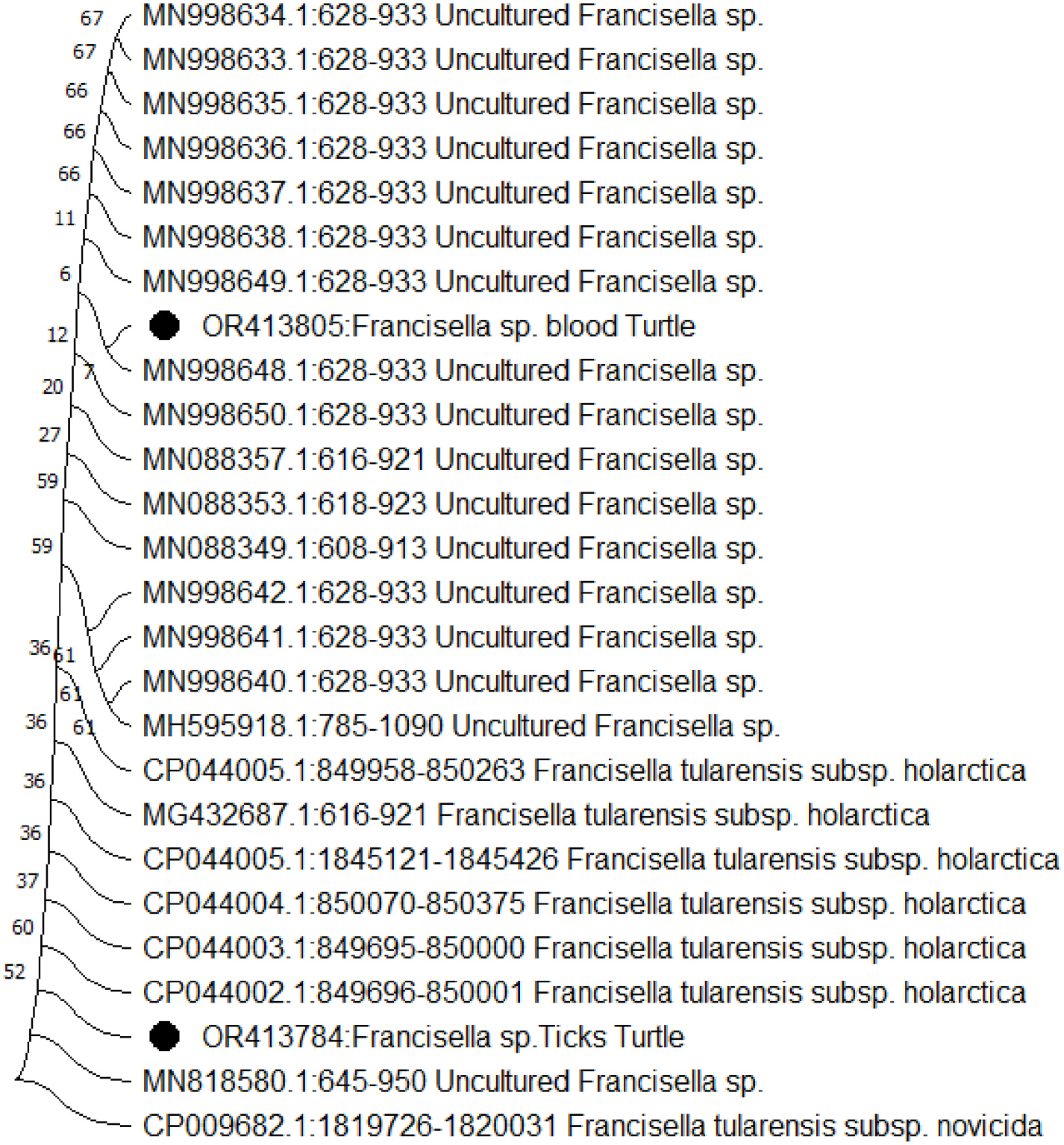
Francisella tularensis
species of bacterium

Borrelia burgdorferi
species of bacteria

Legionella pneumophila
species of bacterium

Nocardia
thumb|Nocardia as found on a brain biopsy.
Nocardia is a genus of weakly staining Gram-positive, catalase-positive, rod-shaped bacteria. It forms partially acid-fast beaded branching filaments (appearing similar to fungi, but being truly bacteria). It contains a total of 85 species. Some species are nonpathogenic, while others are responsible for nocardiosis. Nocardia species are found worldwide in soil rich in organic matter. In addition, they are oral microflora found in healthy human gingiva, as well as periodontal pockets. Most Nocardia infections are acquired by inhalation of the bacteria

pasteurella multocida
species of bacterium
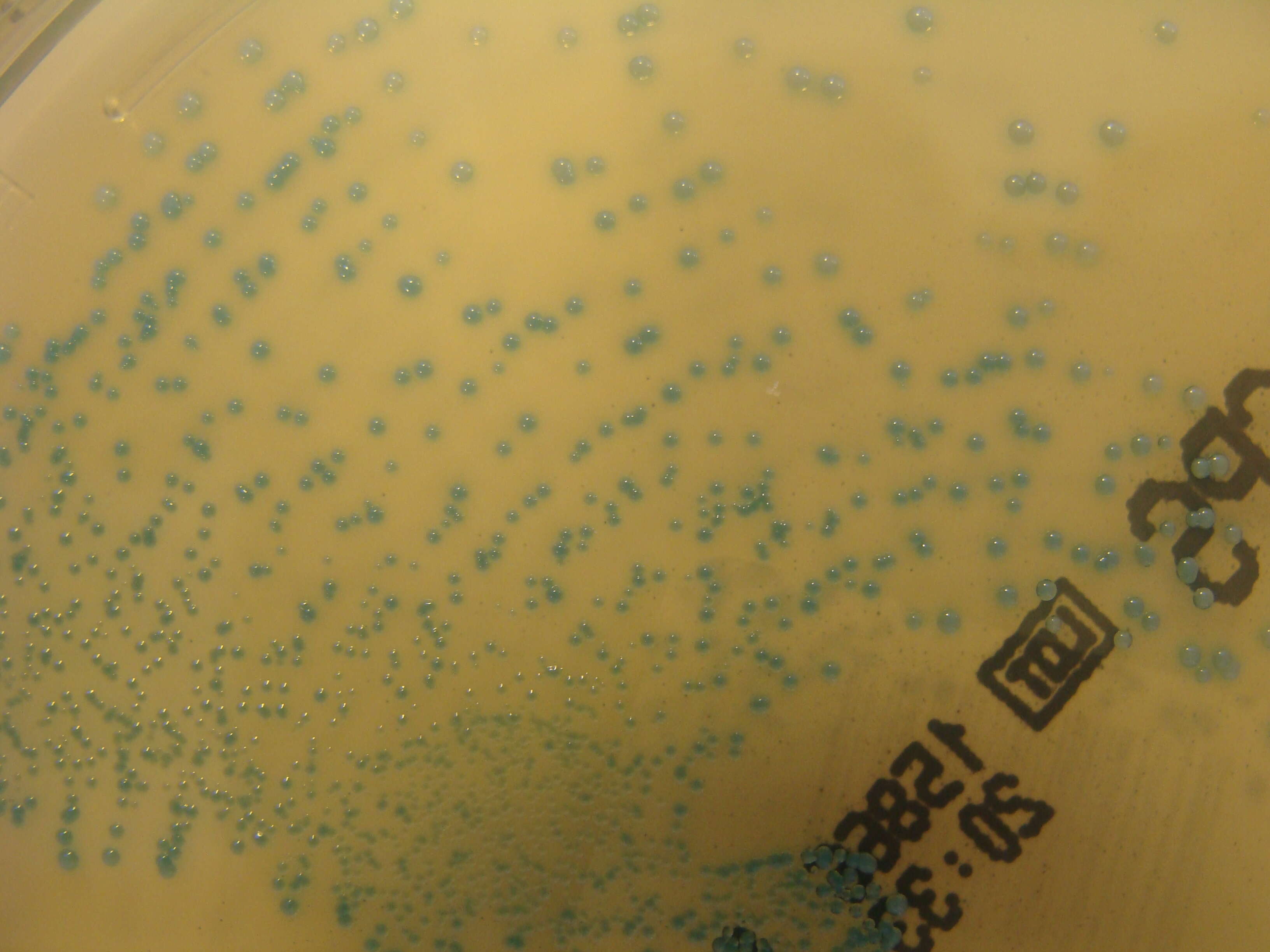
Streptococcus agalactiae
species of bacterium
Helicobacter
Helicobacter is a genus of gram-negative bacteria possessing a characteristic helical shape. They were initially considered to be members of the genus Campylobacter, but in 1989, Goodwin et al. published sufficient reasons to justify the new genus name Helicobacter. The genus Helicobacter contains about 35 species.
Campylobacter jejuni
species of bacterium
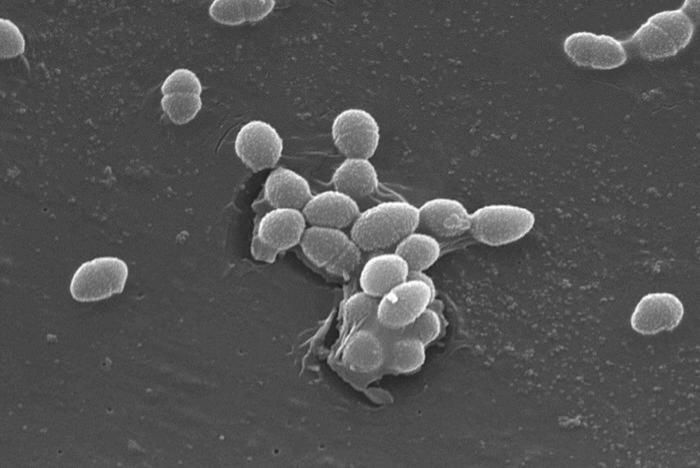
Enterococcus faecalis
species of bacterium
Citrobacter
Citrobacter is a genus of Gram-negative, aerobic, rod-shaped coliform bacteria of the Enterobacteriaceae family.
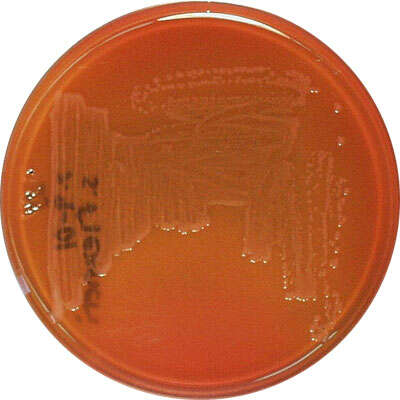
Shigella dysenteriae
species of bacterium
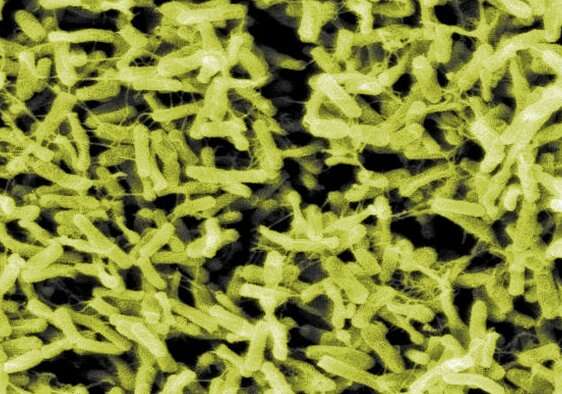
Clostridioides difficile
species of bacterium
Proteus
genus of bacteria

Cutibacterium acnes
gram-positive bacterium

Salmonella enterica
a species of the bacterial genus Salmonella
Escherichia coli O157:H7
Serotype of the bacteria Escherichia coli

Mycobacterium bovis
species of bacterium
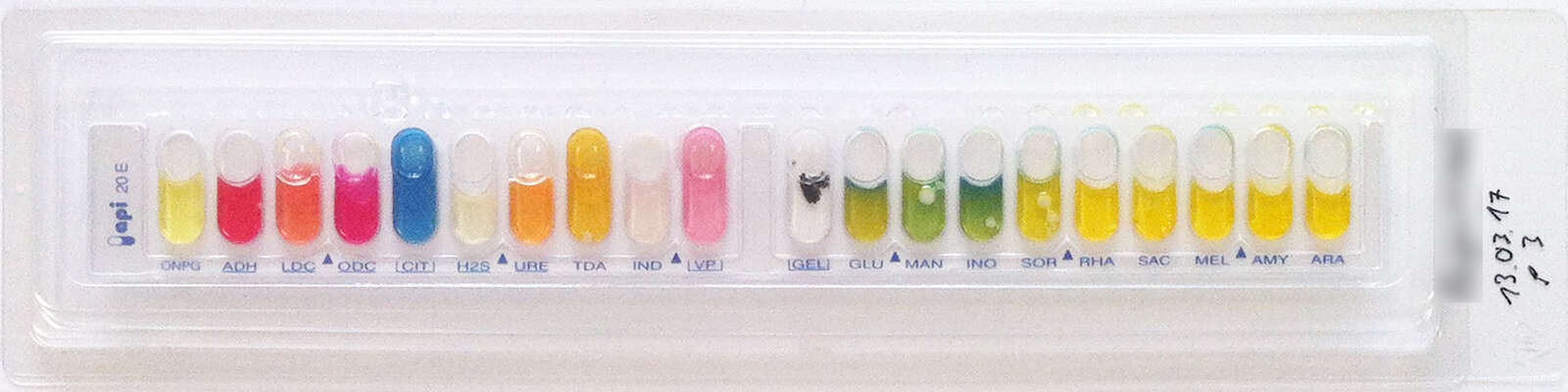
Enterobacter
Enterobacter is a genus of Gram-negative, facultatively anaerobic, rod-shaped, non-spore-forming bacteria in the family Enterobacteriaceae. Enterobacter spp. are found in soil, water, sewage, feces and gut environments. It is the type genus of the order Enterobacterales. Several strains of these bacteria are pathogenic and cause opportunistic infections in immunocompromised (usually hospitalized) hosts and in those who are on mechanical ventilation. The urinary and respiratory tracts are the most common sites of infection. The genus Enterobacter is a member of the coliform group of bacteria. I