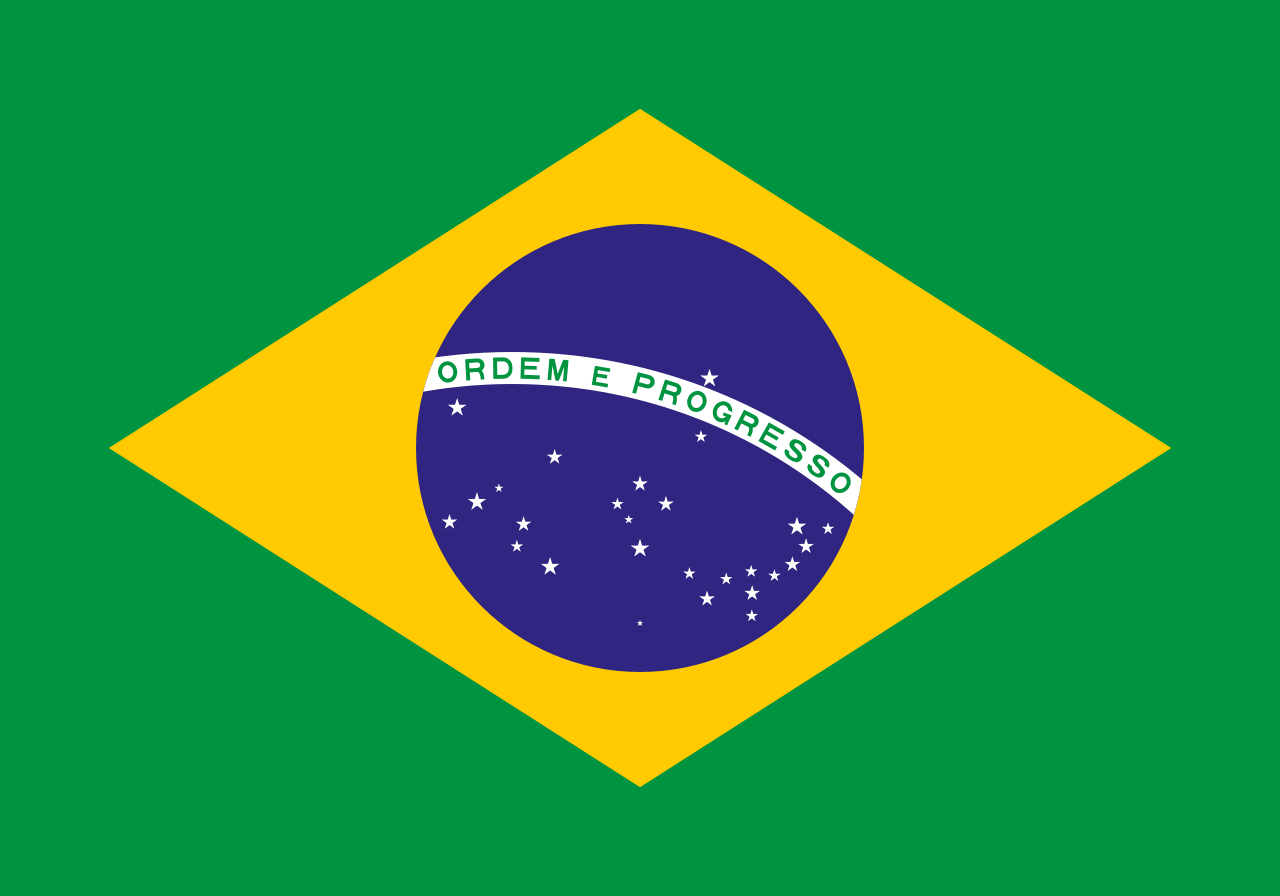
Brasil
Also known as Federative Republic of Brazil
país na América do Sul
AI overview
Brazil is the largest country in South America and the world's fifth-largest by area, with over 213 million people making it the seventh-most populous nation globally. It matters as the world's primary Portuguese-speaking nation and the only country in the Americas where Portuguese is official, giving it unique cultural and linguistic significance in the region.
AI-generated from the Wikipedia summary — may contain errors.
Weather now
cached 27h ago21°clear sky
53% 1.0 m/s OpenWeatherMap
7-day forecast
via Open-Meteo
Country

- Capital
- Brasília
- Population
- 213,421,037
- Region
Travel guide
Understand
Brazil is the largest country in South America. The country has a soul of history and culture and includes nightlife, scenic beauty, white sandy beaches, inland waterways and lush green forests that are among the largest in the world.
Get in
thumb|375px|A map showing the visa requirements of Brazil, with countries in green and light blue having visa-free access
Get around
Travelling between major cities in Brazil can take a lot of time.
Sleep
thumb|Night in [[Campinas]] High season in Brazil follows the school holidays calendar, December and January (summer) being the busiest months. New Year, Carnival (movable between February and March, see Understand above) and Holy week are the peak periods, and prices can skyrocket, especially in coastal cities like Rio and Salvador. Also, during those holidays, many hotels restrict bookings to a 3 or 4-day minimum and charge in advance.
Hotels are plentiful in just about all areas of Brazil and can range from luxury beach resorts to very modest and inexpensive choices. The Brazilian tourism regulation board imposes specific minimum attributes for each type of facility, but as the 1-5 star rating is no longer enforced, check in advance if your hotel provides the kind of services you expect.
Pousada means guesthouse (the local equivalent of a French auberge or a British boarding house), and are usually simpler than hotels, and will offer fewer services (room service, laundry etc.). Pousadas are even more widespread than hotels.
In wilderness areas like the Pantanal, travelers usually stay in fazendas, which are ranches with guest facilities. In small towns of Minas Gerais people are fond of hotéis-fazenda (farm hotels) where you can swim, ride, walk, play football, and camp as well as sleep in picturesque barracks.
Also there is great fun in going on a boat hotel which will take you to inaccessible places on the rivers and lakes for great fishing trips or for simply relaxi…
Stay healthy
When visiting the Midwestern states of Brazil, the relative humidity can be below 30% during the dry season from June to September. It is important to drink plenty of water to avoid the unpleasant effects of dehydration.
Article · Português
Brasil (localmente [bɾaˈziw]), oficialmente República Federativa do Brasil (? ), é o maior país da América do Sul e da região da América Latina, sendo o quinto maior do mundo em área territorial (equivalente a 47,3% do território sul-americano), com 8 510 345,538 km², e o sexto em população (com mais de 213 milhões de habitantes). É o único país na América onde se fala majoritariamente a língua portuguesa e o maior país lusófono do planeta, além de ser uma das nações mais multiculturais e etnicamente diversas, em decorrência da forte imigração oriunda de variados locais do mundo. Sua atual Constituição, promulgada em 1988, concebe o Brasil como uma república federativa presidencialista, formada pela união dos 26 estados, do Distrito Federal e dos 5 570 municípios. Banhado pelo Oceano Atlântico, o Brasil tem um litoral de 7 491 km e faz fronteira com todos os outros países sul-americanos, exceto Chile e Equador, sendo limitado a norte pela Venezuela, Guiana, Suriname e pelo departamento ultramarino francês da Guiana Francesa; a noroeste pela Colômbia; a oeste pela Bolívia e Peru; a sudoeste pela Argentina e Paraguai e ao sul pelo Uruguai. Vários arquipélagos formam parte do território brasileiro, como o Atol das Rocas, o Arquipélago de São Pedro e São Paulo, Fernando de Noronha (o único destes habitado por civis) e Trindade e Martim Vaz. O Brasil também é o lar de uma diversidade de animais selvagens, ecossistemas e de vastos recursos naturais em uma grande variedade de habitats protegidos. O território que atualmente forma o Brasil foi oficialmente descoberto pelos portugueses em 22 de abril de 1500, em expedição liderada por Pedro Álvares Cabral. Segundo alguns historiadores como Antonio de Herrera e Pietro d'Anghiera, o encontro do território teria sido três meses antes, em 26 de janeiro, pelo navegador espanhol Vicente Yáñez Pinzón, durante uma expedição sob seu comando. A região, então habitada por indígenas ameríndios divididos entre milhares de grupos étnicos e linguísticos diferentes, cabia a Portugal pelo Tratado de Tordesilhas, e tornou-se uma colônia do Império Português. O vínculo colonial foi rompido, de fato, quando em 1808 a capital do reino foi transferida de Lisboa para a cidade do Rio de Janeiro, depois de tropas francesas comandadas por Napoleão Bonaparte invadirem o território português. Em 1815, o Brasil se torna parte de um reino unido com Portugal. Dom Pedro I, o primeiro imperador, proclamou a independência política do país em 1822. Inicialmente independente como um império, período no qual foi uma monarquia constitucional parlamentarista, o Brasil tornou-se uma república em 1889, em razão de um golpe militar chefiado pelo marechal Deodoro da Fonseca (o primeiro presidente), embora uma legislatura bicameral, agora chamada de Congresso Nacional, já existisse desde a ratificação da primeira Constituição, em 1824. Desde o início do período republicano, a governança democrática foi interrompida por longos períodos de regimes autoritários, até um governo civil e eleito democraticamente assumir o poder em 1985, com o fim da ditadura militar. Como potência regional e média, a nação tem reconhecimento e influência internacional, sendo que também é classificada como uma potência global emergente e como uma potencial superpotência por vários analistas. O PIB nominal brasileiro foi o décimo segundo maior do mundo e o oitavo por paridade do poder de compra (PPC) em 2020. O país é um dos principais celeiros do planeta, sendo o maior produtor de café dos últimos 150 anos, além de ser classificado como uma economia de renda média-alta pelo Banco Mundial e como um país recentemente industrializado, que detém a maior parcela de riqueza global da América do Sul. No entanto, o país ainda mantém níveis notáveis de corrupção, criminalidade e desigualdade social. É membro fundador da Organização das Nações Unidas (ONU), G20, BRICS, Comunidade dos Países de Língua Portuguesa (CPLP), União Latina, Organização dos Estados Americanos (OEA), Organização dos Estados Ibero-americanos (OEI) e Mercado Comum do Sul (Mercosul).
Gallery (639)
On the map
60 mapped locations
Connections
Categories
BrazilBRICS nationsCountries and territories where Portuguese is an official languageCountries in South AmericaFederal constitutional republicsFormer Portuguese coloniesG15 nationsG20 membersMember states of MercosurMember states of the Community of Portuguese Language CountriesMember states of the United NationsStates and territories established in 1822