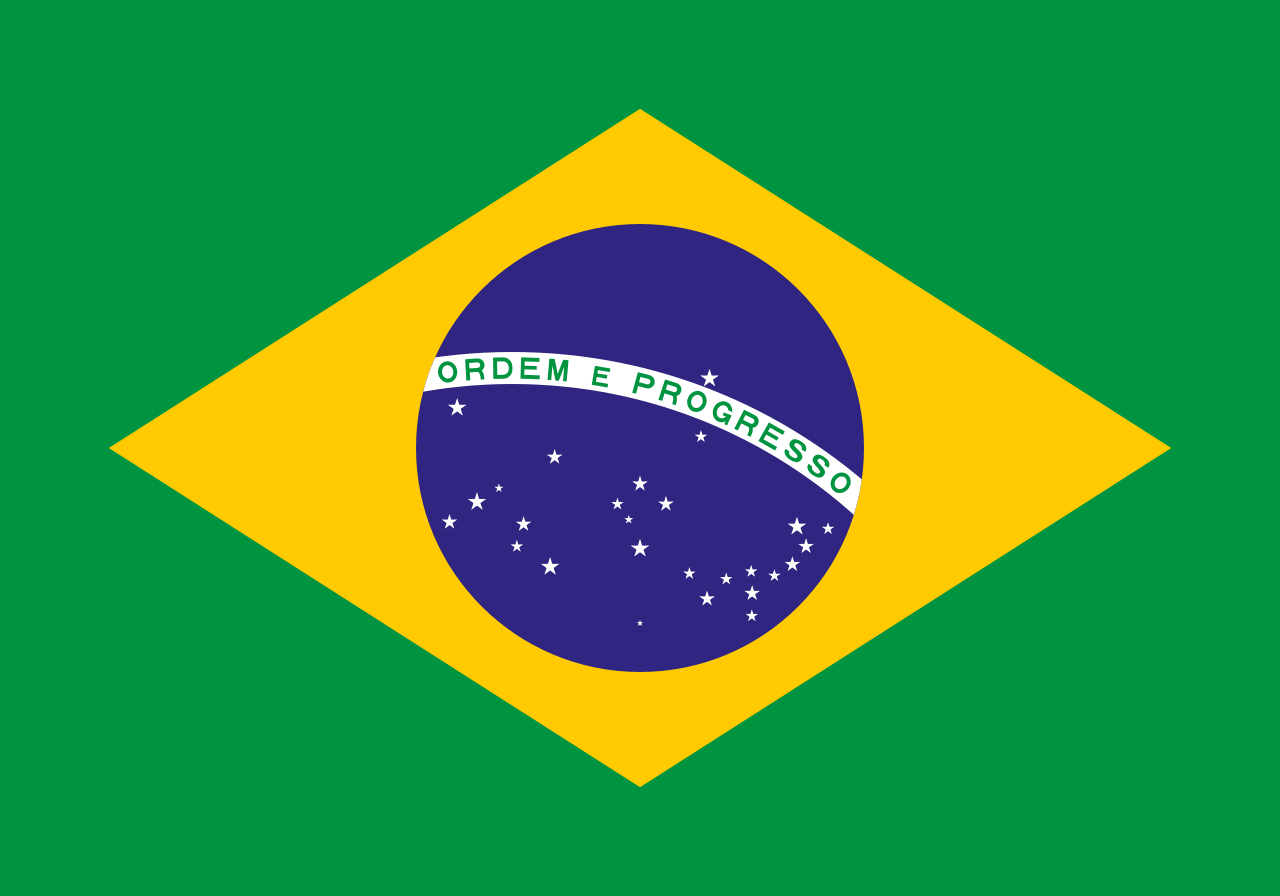
Бразилия
Also known as Federative Republic of Brazil, Brasil
страна в Южной Америке
AI overview
Brazil is the largest country in South America and the world's fifth-largest by area, with over 213 million people making it the seventh-most populous nation globally. It matters as the world's primary Portuguese-speaking nation and the only country in the Americas where Portuguese is official, giving it unique cultural and linguistic significance in the region.
AI-generated from the Wikipedia summary — may contain errors.
Weather now
cached 27h ago21°clear sky
53% 1.0 m/s OpenWeatherMap
7-day forecast
via Open-Meteo
Country

- Capital
- Brasília
- Population
- 213,421,037
- Region
Travel guide
Understand
Brazil is the largest country in South America. The country has a soul of history and culture and includes nightlife, scenic beauty, white sandy beaches, inland waterways and lush green forests that are among the largest in the world.
Get in
thumb|375px|A map showing the visa requirements of Brazil, with countries in green and light blue having visa-free access
Get around
Travelling between major cities in Brazil can take a lot of time.
Sleep
thumb|Night in [[Campinas]] High season in Brazil follows the school holidays calendar, December and January (summer) being the busiest months. New Year, Carnival (movable between February and March, see Understand above) and Holy week are the peak periods, and prices can skyrocket, especially in coastal cities like Rio and Salvador. Also, during those holidays, many hotels restrict bookings to a 3 or 4-day minimum and charge in advance.
Hotels are plentiful in just about all areas of Brazil and can range from luxury beach resorts to very modest and inexpensive choices. The Brazilian tourism regulation board imposes specific minimum attributes for each type of facility, but as the 1-5 star rating is no longer enforced, check in advance if your hotel provides the kind of services you expect.
Pousada means guesthouse (the local equivalent of a French auberge or a British boarding house), and are usually simpler than hotels, and will offer fewer services (room service, laundry etc.). Pousadas are even more widespread than hotels.
In wilderness areas like the Pantanal, travelers usually stay in fazendas, which are ranches with guest facilities. In small towns of Minas Gerais people are fond of hotéis-fazenda (farm hotels) where you can swim, ride, walk, play football, and camp as well as sleep in picturesque barracks.
Also there is great fun in going on a boat hotel which will take you to inaccessible places on the rivers and lakes for great fishing trips or for simply relaxi…
Stay healthy
When visiting the Midwestern states of Brazil, the relative humidity can be below 30% during the dry season from June to September. It is important to drink plenty of water to avoid the unpleasant effects of dehydration.
Article · Русский
Брази́лия (порт. Brasil [bɾaˈziw]), официально — Федерати́вная Респу́блика Брази́лия или Федеративная Республика Бразилии (порт. República Federativa do Brasil [ʁe'publikɐ fedeɾaˈt͡ʃivɐ 'dʊ braˈziw], (инф.)) — суверенное государство в Южной Америке. Площадь — 8 515 767 км² (эквивалентна 47,3 % южноамериканской территории). Будучи пятой среди стран мира по площади и седьмой по численности населения (с более чем 209 млн жителей), Бразилия является крупнейшей страной Южной Америки и всей Латинской Америки как по территории, так и по численности населения. Единственная португалоязычная страна во всей Америке, а также самая большая лузофонная страна на планете. Столица — город Бразилиа. Другой вариант названия города — Бразилия — совпадает с русским произношением наименования страны. Бразилия была колонией Португалии с момента высадки Педру Алвариша Кабрала на берегу Южной Америки в 1500 году до объявления независимости в 1822 году в виде Бразильской империи. Бразилия стала республикой в 1889 году, хотя двухпалатный парламент, сегодня называемый Конгрессом, уходит корнями к 1824 году, когда была ратифицирована первая конституция. Действующая конституция определяет Бразилию как федеративную республику, являющуюся союзом Федерального округа, 26 штатов и 5564 муниципалитетов. Бразилия имеет девятую по величине номинального ВВП экономику в мире и седьмую по ВВП, рассчитанному по паритету покупательной способности. Экономические реформы принесли стране международное признание. Бразилия состоит в таких международных организациях, как ООН, G20, ВТО и МЕРКОСУР, а также является одной из стран БРИКС. Значительное влияние на культуру страны оказала Португалия, бывшая метрополия. Официальным и практически единственным разговорным языком страны является португальский. По вероисповеданию большинство бразильцев — католики, что делает Бразилию страной с самым многочисленным католическим населением в мире. Денежная единица — бразильский реал.
Abstract from DBpedia / Wikipedia · CC BY-SA
Gallery (639)
On the map
60 mapped locations
Connections
Categories
BrazilBRICS nationsCountries and territories where Portuguese is an official languageCountries in South AmericaFederal constitutional republicsFormer Portuguese coloniesG15 nationsG20 membersMember states of MercosurMember states of the Community of Portuguese Language CountriesMember states of the United NationsStates and territories established in 1822