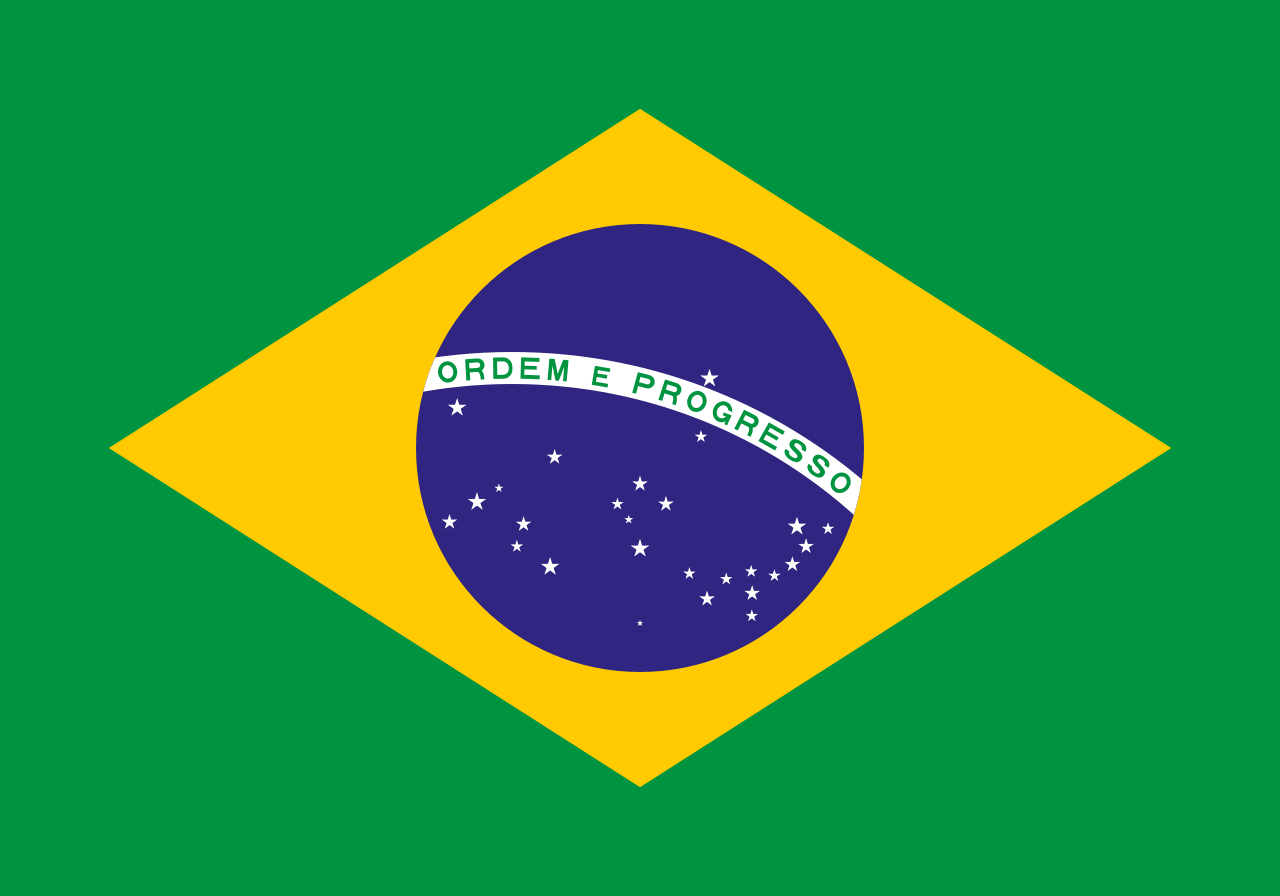
巴西
Also known as Federative Republic of Brazil, Brasil
南美洲國家
AI overview
Brazil is the largest country in South America and the world's fifth-largest by area, with over 213 million people making it the seventh-most populous nation globally. It matters as the world's primary Portuguese-speaking nation and the only country in the Americas where Portuguese is official, giving it unique cultural and linguistic significance in the region.
AI-generated from the Wikipedia summary — may contain errors.
Weather now
cached 27h ago21°clear sky
53% 1.0 m/s OpenWeatherMap
7-day forecast
via Open-Meteo
Country

- Capital
- Brasília
- Population
- 213,421,037
- Region
Travel guide
Understand
Brazil is the largest country in South America. The country has a soul of history and culture and includes nightlife, scenic beauty, white sandy beaches, inland waterways and lush green forests that are among the largest in the world.
Get in
thumb|375px|A map showing the visa requirements of Brazil, with countries in green and light blue having visa-free access
Get around
Travelling between major cities in Brazil can take a lot of time.
Sleep
thumb|Night in [[Campinas]] High season in Brazil follows the school holidays calendar, December and January (summer) being the busiest months. New Year, Carnival (movable between February and March, see Understand above) and Holy week are the peak periods, and prices can skyrocket, especially in coastal cities like Rio and Salvador. Also, during those holidays, many hotels restrict bookings to a 3 or 4-day minimum and charge in advance.
Hotels are plentiful in just about all areas of Brazil and can range from luxury beach resorts to very modest and inexpensive choices. The Brazilian tourism regulation board imposes specific minimum attributes for each type of facility, but as the 1-5 star rating is no longer enforced, check in advance if your hotel provides the kind of services you expect.
Pousada means guesthouse (the local equivalent of a French auberge or a British boarding house), and are usually simpler than hotels, and will offer fewer services (room service, laundry etc.). Pousadas are even more widespread than hotels.
In wilderness areas like the Pantanal, travelers usually stay in fazendas, which are ranches with guest facilities. In small towns of Minas Gerais people are fond of hotéis-fazenda (farm hotels) where you can swim, ride, walk, play football, and camp as well as sleep in picturesque barracks.
Also there is great fun in going on a boat hotel which will take you to inaccessible places on the rivers and lakes for great fishing trips or for simply relaxi…
Stay healthy
When visiting the Midwestern states of Brazil, the relative humidity can be below 30% during the dry season from June to September. It is important to drink plenty of water to avoid the unpleasant effects of dehydration.
Article · 中文
巴西联邦共和国(葡萄牙語:República Federativa do Brasil),通稱巴西(葡萄牙語:Brasil),是南美洲的國家,也是拉丁美洲最大的国家,占南美洲約一半的領土。人口2.15億,居世界第六。其國土位於南美洲東部,大部分位于赤道、南回归线之间,毗鄰大西洋,面積8,515,767平方公里,世界第五大,僅次於俄羅斯、加拿大、中华人民共和国、美國。巴西和乌拉圭、阿根廷、巴拉圭、玻利维亚、秘鲁、哥伦比亚、委内瑞拉、圭亚那、苏里南、法属圭亚那接壤。 巴西拥有世界面积最大的热带雨林,国名源于巴西红木。首都為巴西利亞,拥有圣保罗和里约热内卢等大城市。巴西铁矿储量大、质地优良,产量和出口量都居世界前列。巴西是热带经济作物的重要出口国,咖啡、甘蔗、柑橘的产量居世界第一位,得益于丰厚的自然资源和充足的劳动力,巴西的国内生产总值位居南美洲第一,世界第六,西半球第三,南半球第一。由于历史上曾为葡萄牙的殖民地,巴西的官方语言为葡萄牙语,主要信奉天主教、基督新教。巴西是五个金砖国家之一。
Abstract from DBpedia / Wikipedia · CC BY-SA
Gallery (639)
On the map
60 mapped locations
Connections
Categories
BrazilBRICS nationsCountries and territories where Portuguese is an official languageCountries in South AmericaFederal constitutional republicsFormer Portuguese coloniesG15 nationsG20 membersMember states of MercosurMember states of the Community of Portuguese Language CountriesMember states of the United NationsStates and territories established in 1822