File:There's_no_crying_in_baseball!_(4549295140)_2.jpg · Wikimedia Commons · See Wikimedia Commons
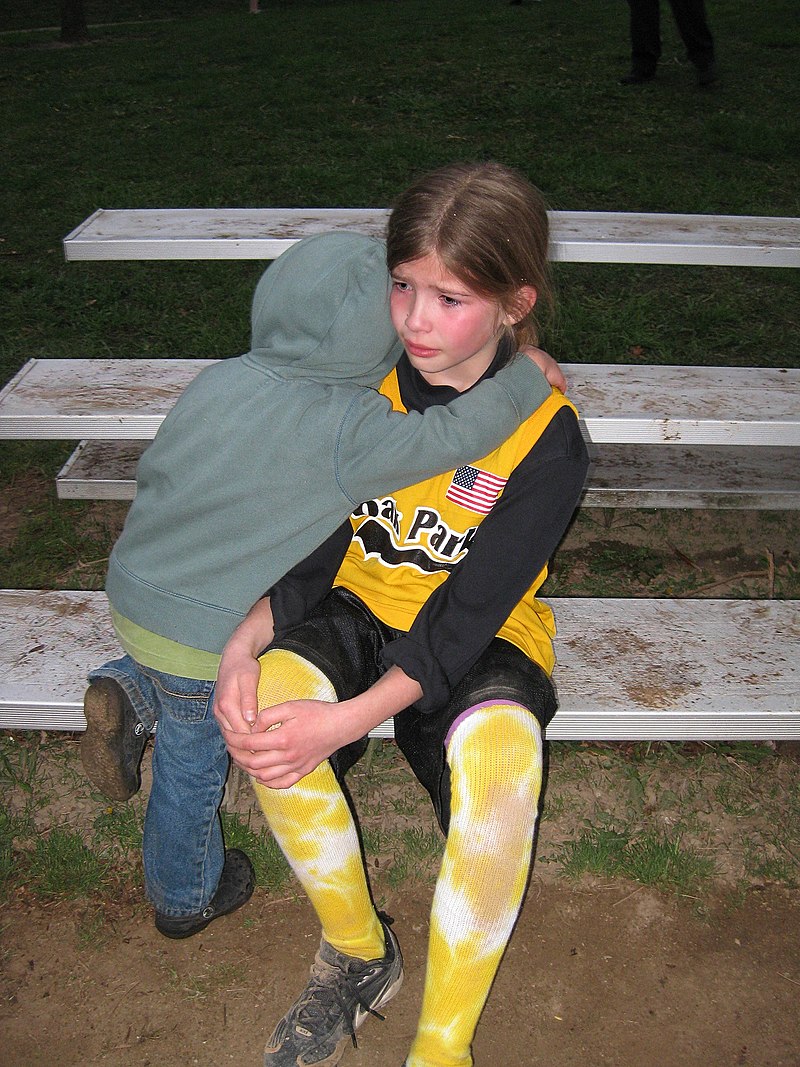
Empathy is the ability to understand and share the feelings of another person, often expressed through gestures like hugging or other forms of comfort. It matters because it allows people to connect with and support others who are experiencing difficulty or pain.
AI-generated from the Wikipedia summary — may contain errors.
同理心(英語:empathy),或稱同感心、共情等,是從他人的參照系統中理解或感受他人正在經歷的事情的能力,也就是運用理解力與想像力等,嘗試(在想像中)將自身置於他人處境或所在「位置」的能力。 或者,也可以這麼說,同理心描述了識別、理解和同情他人的感覺、情緒、思想、動機和人格特質的能力和意願。 同理心通常還包括對他人的感受做出適當反應的能力,例如憐憫、哀悼和出於同情的幫助等。 同理心的基礎是自我認知—一個人對自己的情緒越開放,他們就越能理解他人的感受,以及自我超越,以便能夠克服以自我(認知)為中心的態度。 同理心的定義涵蓋了廣泛的情緒狀態。 同理心的類型包括認知同理心、情緒(或感情)同理心、身體同理心和精神同理心等。 同理心在許多科學和應用領域(例如音樂)中發揮著重要作用,從犯罪學到政治學、心理治療、心理學、生理學、物理治療、護理科學、教育、哲學、語言學、醫學和精神病學,再到管理或營銷。 對於所有和人相關的事情,同理心都至為重要,在日常社交、醫病關係、公共政策制定、司法正義的實踐等各方面,對他人展現同理心,尤其是對當事人主觀感受展現出充分的同理心這點,都是至為重要且不可忽略的;而一個人是否展現充分的同理心,應當由被同理者決定。 同理心與同情心有相似之,但並不相同。
Abstract from DBpedia / Wikipedia · CC BY-SA
via PubMed

Empaths: 7 signs you might be an empath, and what that means
Do you find it hard to switch off from the emotions of those around you, and often adopt them as if they’re your own? You could be an empath.
stylist.co.uk →Most people experience varying degrees of empathy – aka, the ability to share and understand the emotions of the people around you – but for empaths, this skill is on a whole other level. Not only are they highly attuned to the emotions and energy of the people around them, but they also have a tendency to absorb other people’s feelings – something which can lead to feelings of overwhelm and burnout if not properly managed. However, while empaths are often described by those around them as ‘sensitive’, an empath is not the same as a highly sensitive person (HSP) . Because being affected by other people’s emotions is just one of the many signs of a highly sensitive person, it’s believed that most empaths are HSPs, but not all HSPs are empaths. So, how can you tell whether you’re an empath? On top of feeling particularly in tune with other people’s emotions, here are seven key signs that you might be an empath. One of the key traits often associated with empaths is a strong sense of intuition or ‘knowing’. For example, they might know not to trust someone before they show their true colours, or feel confident diving into a situation because they just ‘know’ they can trust the people involved. This is usually because empaths are able to read others pretty well. Because empaths are able to connect with the emotions of others no matter how well they know them, being in a crowded place with lots of people (and therefore emotions) can feel particularly overwhelming. People often come to empaths with their problems because they know they’ll be able to listen and understand what they’re going through. However, this can become a problem if empaths constantly find themselves being bombarded by other people’s experiences – especially if they struggle not to ‘adopt’ other people’s emotions as their own. Empaths often struggle with conflict because the emotions involved are so intense, and can often leave them feeling overwhelmed and riddled with guilt. As such, they tend to avoid it at all costs – and can struggle to get what they want out of a resolution if forced to engage. Because empaths tend to find being around lots of people overwhelming, spending time in nature away from the emotions of others can provide a much-needed break and chance to relax. An empath’s ability to tune into the subtle emotional cues of those around them often makes them brilliant lie detectors. This can be a gift and a curse – while being able to know who not to trust is helpful, knowing that someone they love or admire is lying to them can bring about additional stress .
Excerpt from a page describing this subject · 7,886 chars · not written by Vinony
via Wikidata · CC0
via Wikidata sitelinks · CC0
Discovered by embedding cosine similarity (sentence-transformers MiniLM, 384-dim).