Browse
page 1People

Aristotle
Aristotle (; 384–322 BC) was an ancient Greek philosopher and polymath. His writings cover a broad range of subjects spanning the natural sciences, philosophy, linguistics, economics, politics, psychology, and the arts. As the founder of the Peripatetic school of philosophy in the Lyceum in Athens, he began the wider Aristotelian tradition that followed, which set the groundwork for the development of modern science.

Confucius
Confucius (), born Kong Qiu, was a Chinese philosopher of the Spring and Autumn period who is traditionally considered the paragon of Chinese sages. Much of the shared cultural heritage of the Sinosphere originates in the philosophy and teachings of Confucius. His philosophical teachings, called Confucianism, emphasized personal and governmental morality, harmonious social relationships, righteousness, kindness, sincerity, and a ruler's responsibilities to lead by virtue.

Karl Marx
German-born philosopher (1818-1883)

Leonardo da Vinci
Italian Renaissance polymath (1452−1519)

Plato
Plato ( ; Greek: , ; born BC, died 348/347 BC) was an ancient Greek philosopher of Classical Athens who is most commonly considered the foundational thinker of the Western philosophical tradition. An innovator of the literary dialogue and dialectic forms, Plato influenced all the major areas of theoretical philosophy and practical philosophy, and was the founder of the Academy, a philosophical school in Athens where Plato taught the collection of philosophical theories that would later become known as Platonism.

Vladimir Lenin
founding leader of the Soviet Union (1870–1924)
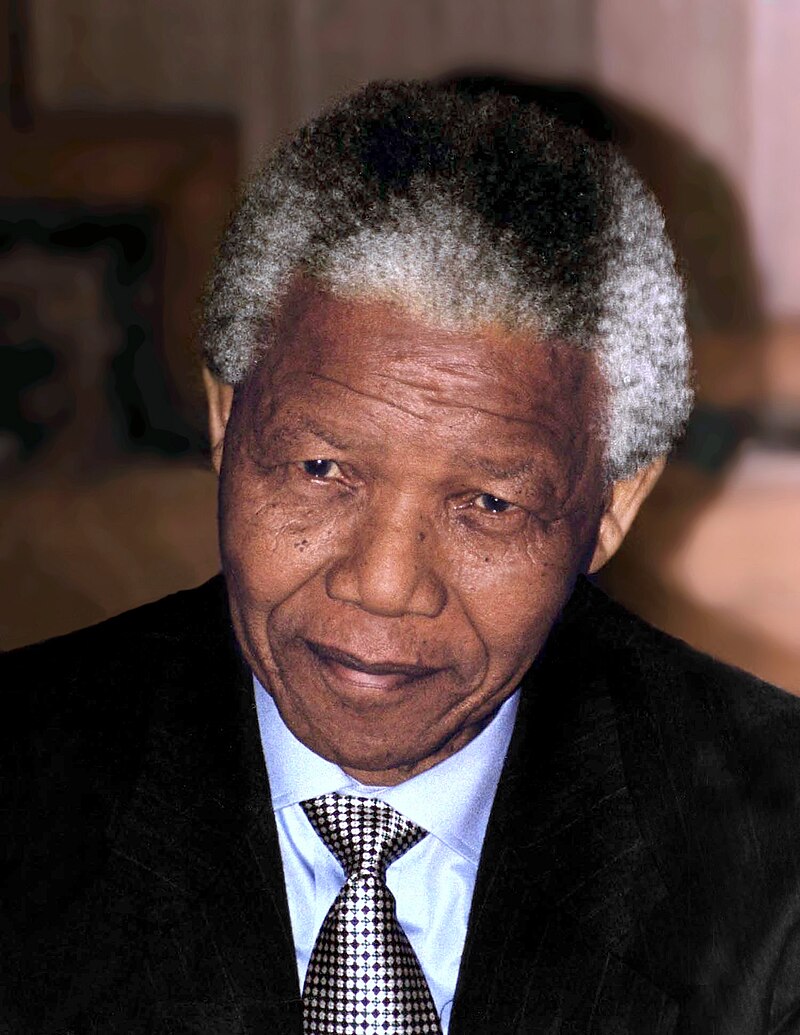
Nelson Mandela
First President of South Africa and anti-apartheid activist (1918–2013)

Leo Tolstoy
Russian author (1828–1910)

Charles Darwin
English naturalist and biologist (1809-1882)

Johann Wolfgang von Goethe
German writer, artist, natural scientist and politician (1749–1832)
.jpg)
Socrates
Socrates (; ; – 399 BC) was an ancient Greek philosopher from Classical Athens, perhaps the first Western moral philosopher, and a major inspiration on his student Plato, who largely founded the tradition of Western philosophy. An enigmatic figure, Socrates authored no texts and is known mainly through the posthumous accounts of classical writers, particularly his students Plato and Xenophon. These accounts are written as dialogues, in which Socrates and his interlocutors examine a subject in the style of question and answer; they gave rise to the Socratic dialogue literary genre. Contrad

Ludwig van Beethoven
German composer (1770-1827)

The Buddha
Indian philosopher and the founder of Buddhism (623 or 563 BCE – 543 or 483 BCE)

Dante Alighieri
Florentine poet, writer, and philosopher (c. 1265–1321)

Galileo Galilei
Italian polymath (1564-1642)

Victor Hugo
French novelist, poet, dramatist and politician (1802–1885)
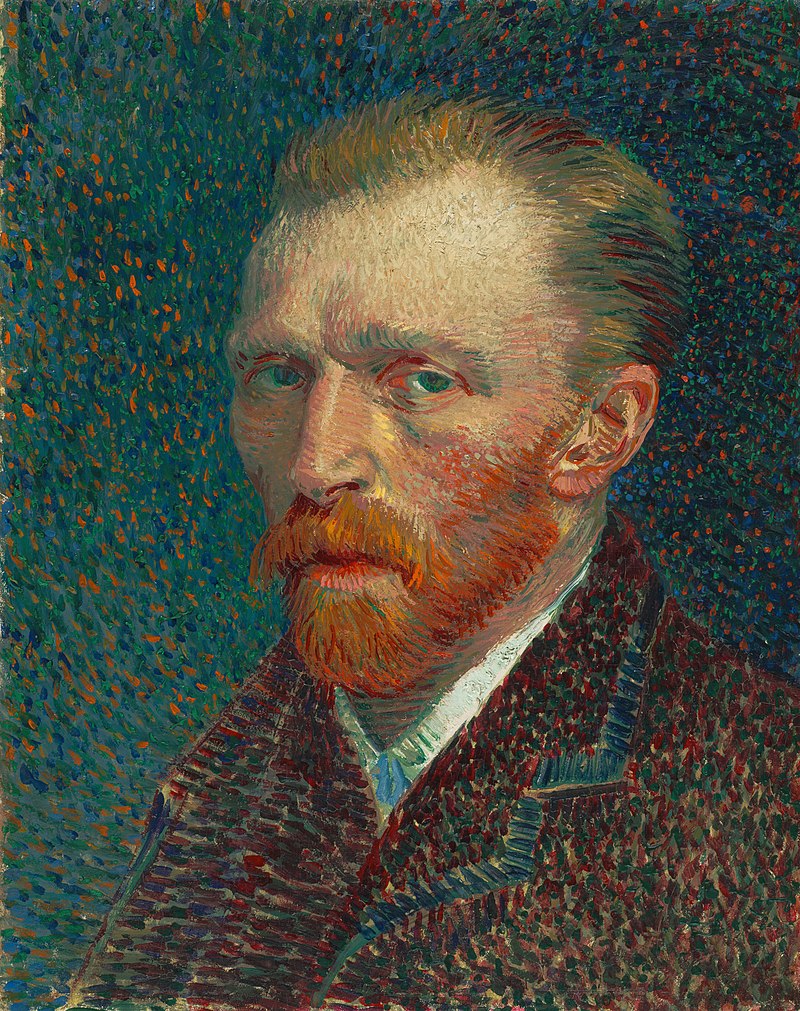
Vincent van Gogh
Dutch painter (1853–1890)
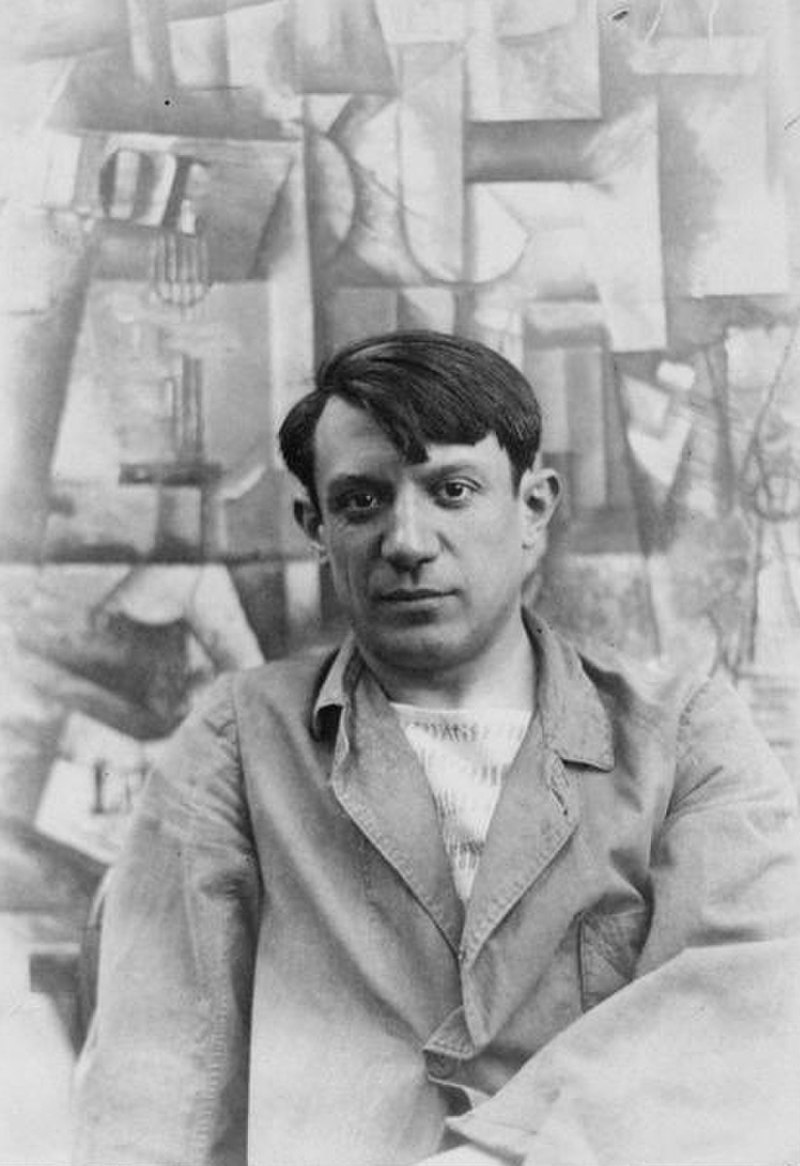
Pablo Picasso
Spanish painter and sculptor (1881–1973)

Michelangelo
Michelangelo di Lodovico Buonarroti Simoni (6March 147518February 1564), known mononymously as Michelangelo, was an Italian sculptor, painter, architect, and poet of the High Renaissance. He was born in the Republic of Florence but was mostly active in Rome from his 30s onwards. His work was inspired by models from classical antiquity and had a lasting influence on Western art. Michelangelo's creative abilities and mastery in a range of artistic arenas define him as an archetypal Renaissance man, along with his rival and elder contemporary, Leonardo da Vinci. Given the sheer volume of survivin

Johann Sebastian Bach
German composer (1685–1750)

Martin Luther
German priest and theologian (1483–1546)

Voltaire
François-Marie Arouet (; 21 November 169430 May 1778), known by his pen name Voltaire (, ; ), was a French Enlightenment writer, philosopher (philosophe), satirist, and historian. Famous for his wit and his criticism of Christianity (especially of the Catholic Church) and of slavery, Voltaire was an advocate of freedom of speech, freedom of religion, and separation of church and state.
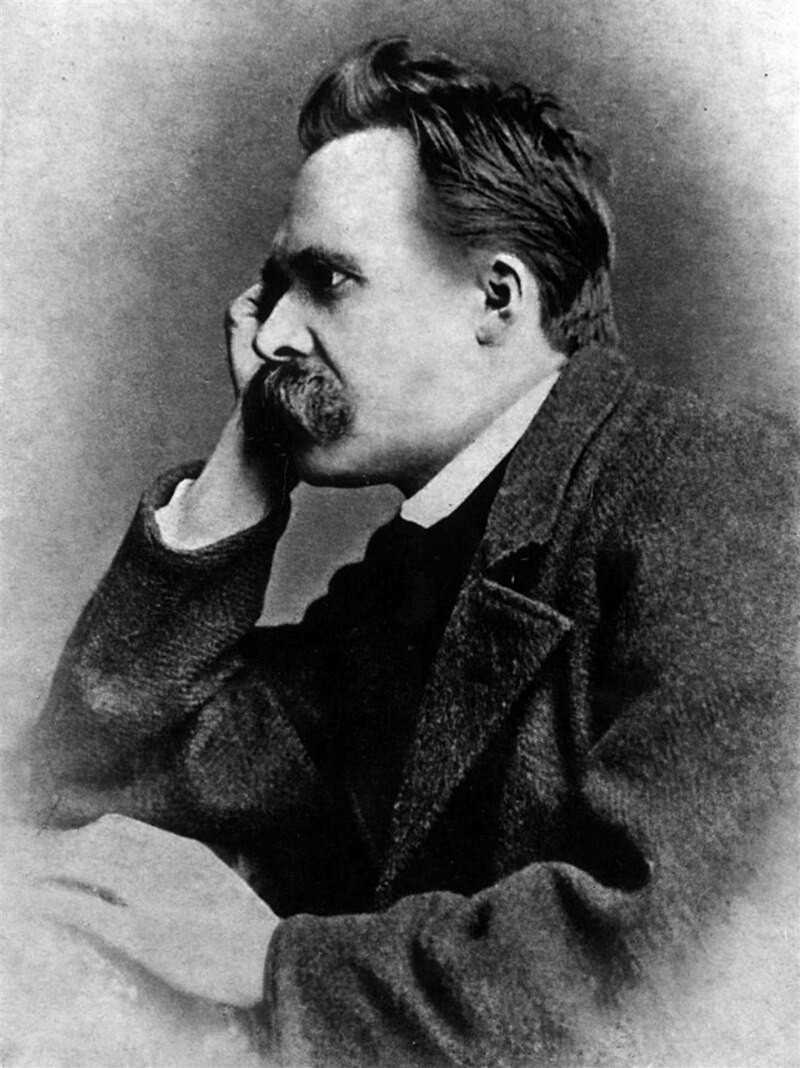
Friedrich Nietzsche
German philosopher (1844-1900)

Mustafa Kemal Atatürk
founding father of the Republic of Turkey (c. 1881–1938)
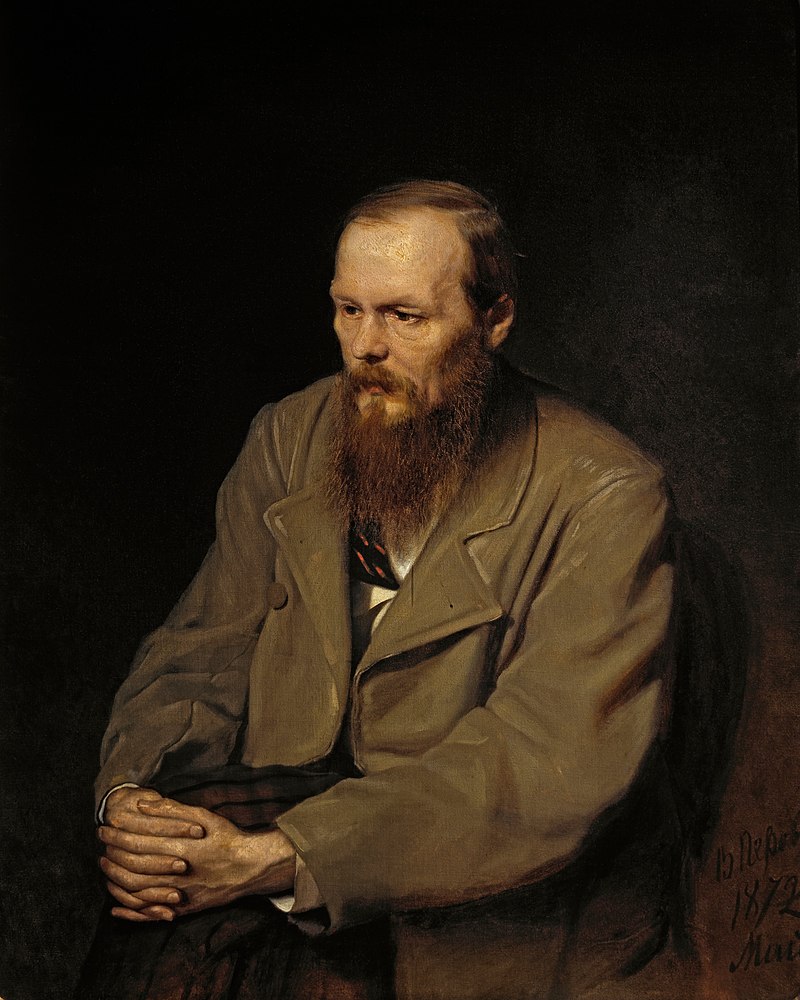
Fyodor Dostoyevsky
Russian novelist (1821–1881)

Immanuel Kant
German philosopher (1724-1804)
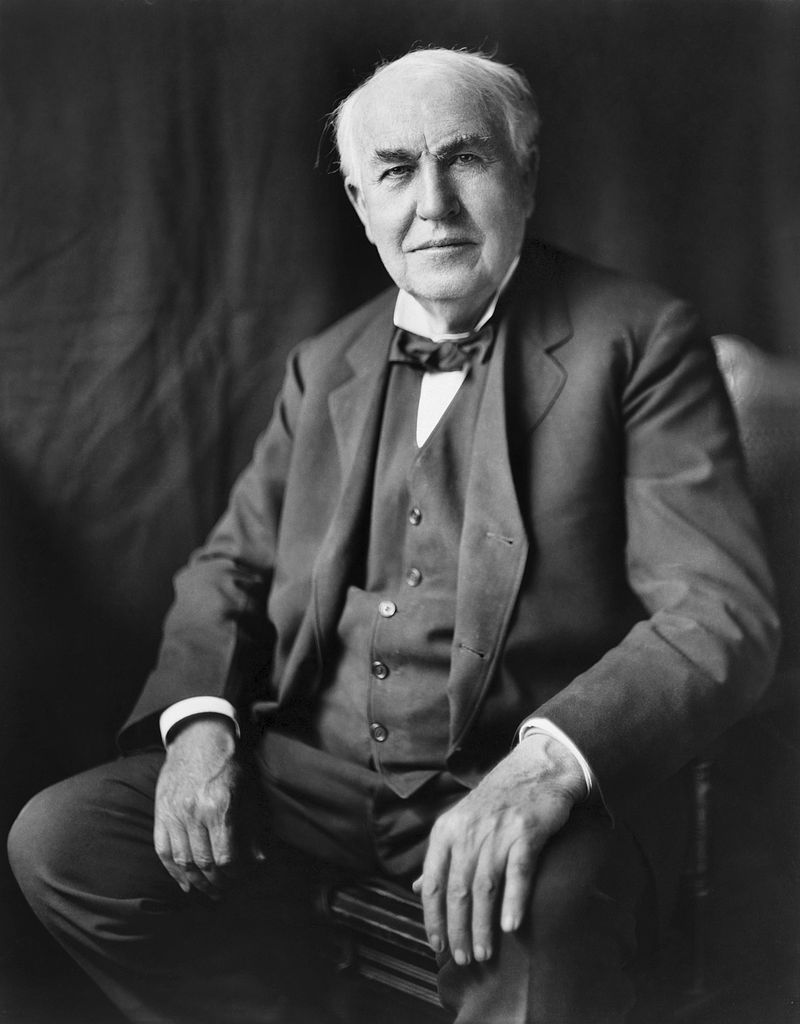
Thomas Edison
American inventor and businessman (1847–1931)

René Descartes
French philosopher, mathematician, and scientist (1596–1650)

Mark Twain
American author and humorist (1835–1910)

Sigmund Freud
Austrian neurologist and founder of psychoanalysis (1856–1939)

Augustus
Augustus (born Gaius Octavius; 23 September 63 BC – 19 August AD 14), also known as Octavian (), was the founder of the Roman Empire and the first Roman emperor from 27 BC until his death in AD 14. The reign of Augustus initiated an imperial cult and an era of imperial peace (the or ) in which the Roman world was largely free of armed conflict. The principate, a style of government where the emperor showed nominal deference to the Senate, was established during his reign and lasted until the Crisis of the Third Century.

Salvador Dalí
Spanish artist (1904–1989)

Miguel de Cervantes
Spanish novelist, poet, and playwright (1547-1616)

Archimedes
Archimedes of Syracuse ( ; ) was an Ancient Greek mathematician, physicist, engineer, astronomer, and inventor from the city of Syracuse in Sicily. Although few details of his life are known, based on his surviving work, he is considered one of the leading scientists in classical antiquity, and one of the greatest mathematicians of all time. Archimedes anticipated modern calculus and analysis by applying the concept of the infinitesimals and the method of exhaustion to derive and rigorously prove many geometrical theorems, including the area of a circle, the surface area and volume of a sphere
.jpg)
Virgil
Publius Vergilius Maro (; 15 October 70 BC21 September 19 BC), usually called Virgil or Vergil ( ) in English, was an ancient Roman poet of the Augustan period. He composed three of the most famous poems in Latin literature: the Eclogues (or Bucolics), the Georgics, and the epic Aeneid. Some minor poems, collected in the Appendix Vergiliana, were attributed to him in ancient times, but modern scholars regard these as spurious, with the possible exception of some short pieces.

Marie Curie
Polish-French physicist and chemist (1867–1934)
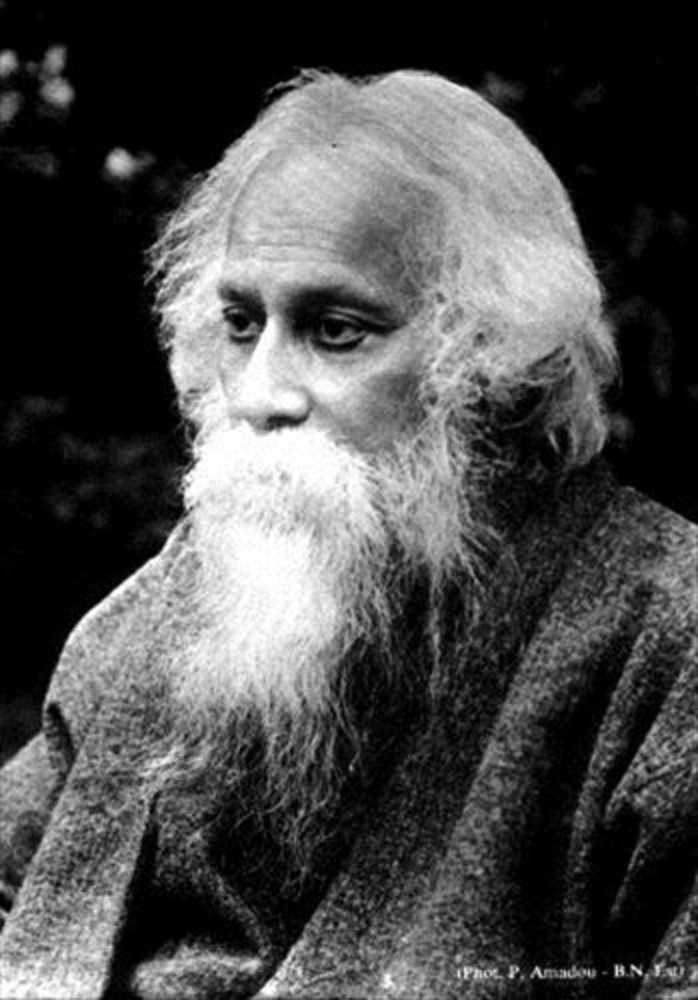
Rabindranath Tagore
Bengali poet, philosopher and polymath (1861–1941)

Hans Christian Andersen
Danish writer and poet (1805–1875)

Alexander Pushkin
Russian poet, playwright, and novelist (1799–1837)

Anton Chekhov
Russian dramatist and author (1860–1904)

Jimmy Wales
co-founder of Wikipedia (born 1966)

Franz Kafka
Bohemian writer from Prague (1883–1924)

Mao Zedong
1st chairman of the Chinese Communist Party and founder of the People's Republic of China (1893–1976)
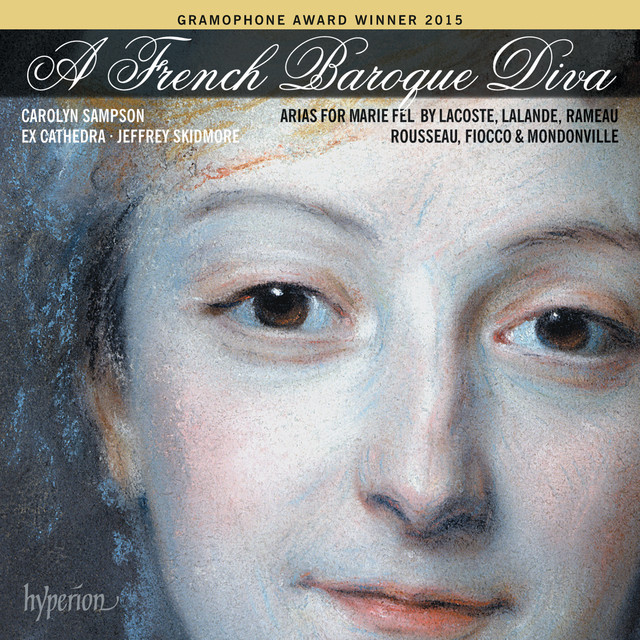
Jean-Jacques Rousseau
Genevan philosopher, writer, and composer (1712-1778)

Augustine of Hippo
Christian theologian, philosopher, and saint (354–430)
.jpg)
Molière
Jean-Baptiste Poquelin (; 15 January 1622 (baptised) – 17 February 1673), known by his stage name Molière (, ; ), was a French playwright, actor, and poet, widely regarded as one of the great writers in the French language and world literature. His extant works include comedies, farces, tragicomedies, comédie-ballets, and more. His plays have been translated into every major living language and are performed at the Comédie-Française more often than those of any other playwright today. His influence is such that the French language is often referred to as the "language of Molière".

Niccolò Machiavelli
Italian diplomat and political and military theorist (1469–1527)

Corbin Bleu
American actor (born 1989)

Thomas Jefferson
president of the United States from 1801 to 1809 (1743–1826)

Basshunter
Jonas Erik Altberg (; born 22 December 1984), known professionally as Basshunter, is a Swedish singer, record producer, songwriter and DJ. As indicated by his stage name, Basshunter is known for bass-heavy Eurodance music.

Adam Smith
Scottish moral philosopher and political economist (1723–1790)

Angela Merkel
chancellor of Germany from 2005 to 2021 (born 1954)

Oscar Wilde
Irish poet, playwright, and aesthete (1854-1900)

François Hollande
President of France from 2012 to 2017 (born 1954)

Otto von Bismarck
German statesman and Chancellor (1815-1898)

Lord Byron
English Romantic poet and lyricist (1788–1824)

Benjamin Franklin
American polymath and statesman (1706–1790)

Charles de Gaulle
French general and statesman (1890–1970)

Nikola Tesla
Serbian-American engineer and inventor (1856–1943)

Volodymyr Zelenskyy
President of Ukraine since 2019