File:Mirinbowl.jpg · Wikimedia Commons · See Wikimedia Commons
mirin
Sign in to saveis a type of rice wine and a common ingredient in Japanese cooking. It is similar to sake but with a lower alcohol content and higher sugar content. The sugar content is a complex carbohydrate that forms naturally during the fermentation process; no sugars are added. The alcohol content is further lowered when the liquid is heated.
Key facts
- Food.name
- Mirin
- Food.image
- Mirinbowl.jpg
- Food.image_size
- 300px
- Food.caption
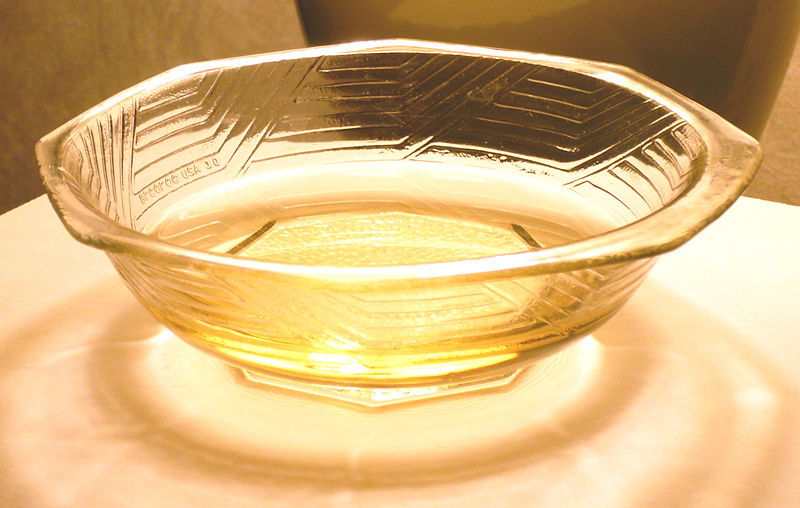
- Mirin, sweet rice wine
- Food.country
- Japan
- Food.type
- Cooking wine
- Food.main_ingredient
- Rice
via Wikipedia infobox
Wikidata facts
- Subclass of
- condiment
- Country of origin
- Japan
- Material used
- glutinous rice
- Image
- Mirinbowl.jpg
Show 2 more facts
- native label
- 味醂
- Commons category
- Mirin
Sources (1)
via Wikidata · CC0
~4 min read
Encyclopedic overview
5 sectionsContents
- Preparation
- Types
- Uses
- See also
- References
is a type of rice wine and a common ingredient in Japanese cooking. It is similar to sake but with a lower alcohol content and higher sugar content. The sugar content is a complex carbohydrate that forms naturally during the fermentation process; no sugars are added. The alcohol content is further lowered when the liquid is heated.
==Preparation== Traditional mirin is produced through the saccharification of steamed glutinous rice (mochi-gome) mixed with rice kōji (rice cultured with the fungus Aspergillus oryzae) and a distilled spirit, typically shōchū or a neutral brewed alcohol. The process begins with the preparation of moromi (the mash), where the starch and proteins in the rice are broken down by enzymes in the kōji into sugars, such as glucose and oligosaccharides, and savory amino acids. Unlike sake production, alcohol is present from early in production to inhibit excessive yeast fermentation (which preserves more natural sugars) and to act as an antiseptic against spoilage.
Excerpted from Wikipedia’s “mirin” article, available under the CC BY-SA 4.0 licence.