Category
page 1Antifungals

cinnamon
thumb|Dried bark strips, bark powder and flowers of the small tree Cinnamomum verum

clotrimazole
Clotrimazole, sold under the brand name Lotrimin, among others, is an antifungal medication. It is used to treat vaginal yeast infections, oral thrush, diaper rash, tinea versicolor, and types of ringworm including athlete's foot and jock itch. It is in the azole class of medications and works by disrupting the fungal cell membrane. It can be taken by mouth or applied as a cream to the skin or in the vagina.

antifungal
An antifungal medication, also known as an antimycotic medication, is a pharmaceutical fungicide or fungistatic used to treat and prevent mycosis such as athlete's foot, ringworm, candidiasis (thrush), serious systemic infections such as cryptococcal meningitis, and others. Such drugs are usually obtained by a doctor's prescription, but a few are available over the counter (OTC). The evolution of antifungal resistance is a growing threat to health globally.

nystatin
Nystatin, sold under the brand name Mycostatin among others, is an antifungal medication. It is used to treat Candida infections of the skin including diaper rash, thrush, esophageal candidiasis, and vaginal yeast infections. It may also be used to prevent candidiasis in those who are at high risk. Nystatin may be used by mouth, in the vagina, or applied to the skin.
amphotericin B
chemical compound
triclosan
Triclosan (sometimes abbreviated as TCS) is an antibacterial and antifungal agent present in some consumer products, including toothpaste, soaps, detergents, toys, and surgical cleaning treatments. It is similar in its uses and mechanism of action to triclocarban. Its efficacy as an antimicrobial agent, the risk of antimicrobial resistance, and its possible role in disrupted hormonal development remains controversial. Additional research seeks to understand its potential effects on organisms and environmental health.
crystal violet
triarylmethane dye used as a histological stain and in Gram's method of classifying bacteria
allicin
Allicin is an organosulfur compound obtained from garlic and leeks. When fresh garlic is chopped or crushed, the enzyme alliinase converts alliin into allicin, which is responsible for the aroma of fresh garlic. Allicin is unstable and quickly changes into a series of other sulfur-containing compounds such as diallyl disulfide. Allicin is an antifeedant, i.e. the defense mechanism against attacks by pests on the garlic plant.
caprylic acid
chemical compound
natamycin
Natamycin, also known as pimaricin, is an antifungal medication used to treat fungal infections around the eye. This includes infections of the eyelids, conjunctiva, and cornea. It is used as eyedrops. Natamycin is also used in the food industry as a preservative.

terbinafine
Terbinafine, sold under the brand name Lamisil among others, is an antifungal medication used to treat pityriasis versicolor, fungal nail infections, and ringworm including jock itch and athlete's foot. It is either taken by mouth or applied to the skin as a cream or ointment.
griseofulvin
Griseofulvin is an antifungal medication used to treat dermatophytoses (ringworm). This includes fungal infections of the nails and scalp, as well as the skin when antifungal creams have not worked. It is taken by mouth.

thyme
Thyme () is a culinary herb consisting of the dried aerial parts of some members of the genus Thymus of flowering plants in the mint family Lamiaceae. Thymes are native to Eurasia and North Africa. Thymes have culinary, medicinal, and ornamental uses. The species most commonly cultivated and used for culinary purposes is Thymus vulgaris, native to Southeast Europe.
selenium disulfide
mixture of selenium sulfides
chloroxylenol
Chloroxylenol, also known as '''para-chloro-meta-xylenol''', is an organic compound with the formula . It is a chlorine-substituted xylenol. The compound is a colorless solid although impure samples can appear off-white. It has a phenolic odor. It is a common antiseptic.
tea tree oil
essential oil derived from leaves
caspofungin
Caspofungin (INN; brand name Cancidas) is a lipopeptide antifungal drug from Merck & Co., Inc. It is a member of a class of antifungals termed the echinocandins. It works by inhibiting the enzyme (1→3)-β-D-glucan synthase and thereby disturbing the integrity of the fungal cell wall.
pentamidine
Pentamidine is an antimicrobial medication used to treat African trypanosomiasis, leishmaniasis, Balamuthia infections, babesiosis, and to prevent and treat pneumocystis pneumonia (PCP) in people with poor immune function. In African trypanosomiasis it is used for early disease before central nervous system involvement, as a second line option to suramin. It is an option for both visceral leishmaniasis and cutaneous leishmaniasis. Pentamidine can be given by injection into a vein or muscle or by inhalation.
tolnaftate
Tolnaftate (INN), sold under the brand names TAGRID, and Tinactin, among others, is a synthetic thiocarbamate used as an anti-fungal agent that may be sold without medical prescription in most jurisdictions. It is supplied as a cream, powder, spray, liquid, and liquid aerosol. Tolnaftate is used to treat fungal conditions such as jock itch, athlete's foot and ringworm. Tolnaftate was discovered by Teruhisa Noguchi in 1962 while he was working for the Nippon Soda Company.
undecylenic acid
chemical compound

bifonazole
Bifonazole (trade name Canespor among others) is an imidazole antifungal drug used in form of ointments.
ciclopirox
Ciclopirox is a medication used for the treatment of moderate onychomycosis of fingernails and toenails, and for the treatment of seborrheic dermatitis.
miltefosine
Miltefosine, sold under the trade name Impavido among others, is a medication mainly used to treat leishmaniasis and infectious diseases caused by Naegleria fowleri and Balamuthia mandrillaris. This includes the three forms of leishmaniasis: cutaneous, visceral and mucosal/mucocutaneous. It may be used with liposomal amphotericin B or paromomycin. It is taken by mouth.
pyrithione zinc
chemical compound
micafungin
Micafungin, sold under the brand name Mycamine, is an echinocandin antifungal medication used to treat and prevent invasive fungal infections including candidemia, abscesses, and esophageal candidiasis. It inhibits the production of beta-1,3-glucan, an essential component of fungal cell walls that is not found in mammals.
butenafine
Butenafine, sold under the brand names Lotrimin Ultra, Mentax, and Butop (In India only), is a synthetic benzylamine derived antifungal drug.
anidulafungin
Anidulafungin (INN) (sold under the brand name Eraxis among others, is a semisynthetic echinocandin used as an antifungal medication. It may also have application in treating invasive Aspergillus infection when used in combination with voriconazole. It is a member of the class of antifungal drugs known as the echinocandins; its mechanism of action is by inhibition of (1→3)-β-D-glucan synthase, an enzyme important to the synthesis of the fungal cell wall.
amorolfine
Amorolfine (or amorolfin), is a morpholine antifungal drug that inhibits Δ14-sterol reductase and cholestenol Δ-isomerase, which depletes ergosterol and causes ignosterol to accumulate in the fungal cytoplasmic cell membranes. Sold under the brand name Loceryl among others, amorolfine is commonly available in the form of a nail lacquer, containing 5% amorolfine hydrochloride as the active ingredient. It is used to treat onychomycosis (fungal infection of the toe- and fingernails). Amorolfine 5% nail lacquer in once-weekly or twice-weekly applications was shown in two decades-old studies to be
clioquinol
Clioquinol (iodochlorhydroxyquin) tradename Entero-Vioform is an antifungal drug and antiprotozoal drug. It is neurotoxic in large doses. It is a member of a family of drugs called hydroxyquinolines which inhibit certain enzymes related to DNA replication. The drugs have been found to have activity against both viral and protozoal infections.
medicinal mushrooms
fungi which are ingested to improve health and well-being
piroctone olamine
chemical compound
lufenuron
Lufenuron is the active ingredient in the veterinary flea control medication program, and one of the two active ingredients in the flea, heartworm, and anthelmintic medicine milbemycin oxime/lufenuron (Sentinel).
luliconazole
Luliconazole, trade names Luzu among others, is an imidazole antifungal medication. As a 1% topical cream, It is indicated for the treatment of athlete's foot, jock itch, and ringworm caused by dermatophytes such as Trichophyton rubrum, Microsporum gypseum, and Epidermophyton floccosum.
ibrexafungerp
Ibrexafungerp, sold under the brand name Brexafemme, is an antifungal medication used to treat vulvovaginal candidiasis (VVC) (vaginal yeast infection). It is taken orally (by mouth). It is also currently undergoing clinical trials for other indications via an intravenous (IV) formulation. An estimated 75% of women will have at least one episode of VVC and 40 to 45% will have two or more episodes in their lifetime.

echinocandin
thumb|right|class=skin-invert-image|Echinocandin B
Echinocandins are a class of antifungal drugs that inhibit the synthesis of β-glucan in the fungal cell wall via noncompetitive inhibition of the enzyme 1,3-β glucan synthase. The class has been dubbed the "penicillin of antifungals," along with the related papulacandins, as their mechanism of action resembles that of penicillin in bacteria. β-glucans are carbohydrate polymers that are cross-linked with other fungal cell wall components, the fungal equivalent to bacterial peptidoglycan. Caspofungin, micafungin, and anidulafungin are semisynthe
pyrrolnitrin
Pyrrolnitrin (PRN) is a naturally occurring phenylpyrrole fungicide. Pseudomonas and Burkholderia species produce pyrrolnitrin from tryptophan as secondary metabolite. It is believed that the antifungal properties come from inhibition of electron transport system.
parietin
Parietin, or physcion, is the predominant cortical pigment of lichens in the genus Caloplaca, a secondary product of the lichen Xanthoria parietina, and a pigment found in the roots of curled dock (Rumex crispus). It has an orange-yellow color and absorbs blue light.
tavaborole
Tavaborole, sold under the brand name Kerydin, is a topical antifungal medication for the treatment of onychomycosis, a fungal infection of the nail and nail bed with a complete clearance rate of 6-7% and partial clearance rate of 23-24% in individuals whose “infection border does not reach the cuticle at the base of the large toenail.” Tavaborole was approved by the US FDA in July 2014. The medication inhibits an essential fungal enzyme, leucyl-tRNA synthetase, that is required for protein synthesis. The inhibition of protein synthesis leads to termination of cell growth and then cell death,
trichostatin A
chemical compound
filipin III
Filipin is a mixture of chemical compounds first isolated by chemists at the Upjohn company in 1955 from the mycelium and culture filtrates of a previously unknown actinomycete, Streptomyces filipinensis. It was discovered in a soil sample collected in the Philippine Islands, hence the name filipin. The isolate possessed potent antifungal activity. It was identified as a polyene macrolide based on its characteristic UV-Vis and IR spectra.

chlormidazole
Chlormidazole (INN, also known as clomidazole) is used as a spasmolytic and azole antifungal drug.
tolciclate
Tolciclate (INN) is an antifungal medication.
haloprogin
Haloprogin is an antifungal drug used to treat athlete's foot and other fungal infections. It is marketed in creams under the trade names Halotex, Mycanden, Mycilan, and Polik.
biafungin
Rezafungin, sold under the brand name Rezzayo (by Melinta Therapeutics), is a medication used for the treatment of invasive candidiasis. It is an echinocandin antifungal that acts as a fungal β-glucan synthase inhibitor.
trimetrexate
Trimetrexate is a quinazoline derivative. It is a dihydrofolate reductase inhibitor.
cilofungin
Cilofungin (INN) is the first clinically applied member of the echinocandin family of antifungal drugs. It was derived from a fungus in the genus Aspergillus. It accomplishes this by interfering with an invading fungus' ability to synthesize the cell wall (specifically, it inhibits the synthesis of (1→3)-β-D-glucan).
candicidin
Candicidin is an antifungal compound obtained from Streptomyces griseus. It is active against some fungi including Candida albicans. Candicidin is administered intravaginally in the treatment of vulvovaginal candidiasis.
polyene antimycotic
class of antifungal compounds
chlordantoin
Chlordantoin (clodantoin) is an antifungal drug used in gynecology.
bacillomycin
Bacillomycins are a group of antifungal polypeptide antibiotics isolated from Bacillus subtilis.
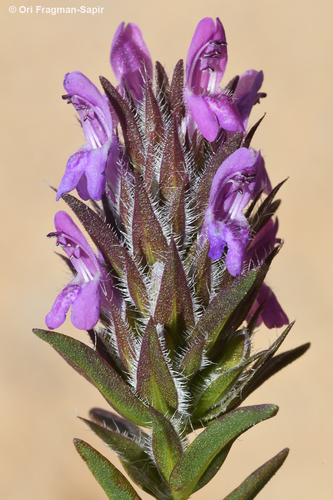
Thymbra spicata
species of plant
echinocandin B
chemical compound
abafungin
Abafungin (INN) is a broad-spectrum arylguanidines-class antifungal agent with a novel mechanism of action for the treatment of dermatomycoses.
sulbentine
Sulbentine (or dibenzthione) is an antifungal.
pecilocin
Pecilocin (brand name Variotin) is a pyrrolidine anti-fungal. It is produced by Paecilomyces varioti Bainer var. antibioticus and was first isolated by Setsuo Takeuchi in 1959. Later, it was established that other fungi also produce this compound, which include Aspergillus candidus and Aspergillus montenegroi.
bromochlorosalicylanilide
Bromochlorosalicylanilide is an antifungal. It may cause allergic contact dermatitis in some individuals.
mycobacillin
Mycobacillin is an antifungal cyclic peptide. It was first isolated in 1958 from the bacteria Bacillus subtilis.
perimycin A
Perimycin, also known as aminomycin and fungimycin, is polyene antibiotic produced by Streptomyces coelicolor var. aminophilus. The compound exhibits antifungal properties.
__TOC__
== Composition ==
Perimycin is produced naturally as a mixture of three types: A, B and C, with type A being the major component. All types consist of a polyketide core with a perosamine sugar moiety. The variations occur at the end of the core opposite the perosamine moiety. Perimycin A has an aromatic group in this position, whereas the identities of the analogous groups in the other perimycin types are currently
diamthazole
Dimazole (or diamthazole) is an antifungal compound.
crocodile oil
extract of fatty tissues of crocodiles