Category
page 1Chemical articles with multiple compound IDs

carbon dioxide
chemical compound

glucose
Glucose is a sugar with the molecular formula . It is the most abundant monosaccharide, a subcategory of carbohydrates. It is made from water and carbon dioxide during photosynthesis by plants and most algae. It is used by plants to make cellulose, the most abundant carbohydrate in the world, for use in cell walls, and by all living organisms to make adenosine triphosphate (ATP), which is used by the cell as energy. Glucose is often abbreviated as Glc.

nitric acid
strong, oxidising mineral acid

hydrochloric acid
highly corrosive, strong mineral acid in aqueous solution
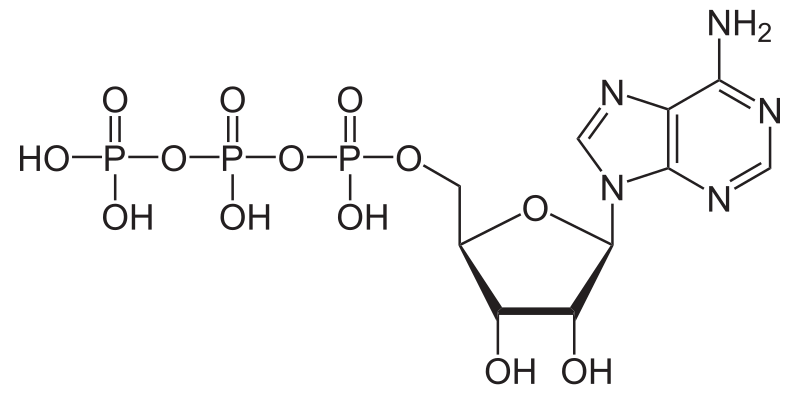
adenosine triphosphate
the energy-carrying molecule in living cells

calcium carbonate
chemical compound

citric acid
weak organic acid

TNT
thumb|Trinitrotoluene spin view

glycine
thumb|Glycine ball and stick model spinning
Glycine (symbol Gly or G; ) is an organic compound with the formula C2H5NO2, and is the simplest stable amino acid, distinguished by having a single hydrogen atom as its side chain. As one of the 20 proteinogenic amino acids, glycine is a fundamental building block of proteins in all life and is encoded by all codons starting with GG (GGU, GGC, GGA, and GGG). Because of its minimal side chain, it is the only common amino acid that is not chiral, meaning it is superimposable on its mirror image.

adenine
Adenine (symbol A, or Ade) is a purine nucleotide base that is found in DNA, RNA, and ATP. Usually a white crystalline subtance. The shape of adenine is complementary and pairs to either thymine in DNA or uracil in RNA. In cells adenine, as an independent molecule, is rare. It is almost always covalently bound to become a part of a larger biomolecule.

sodium carbonate
chemical compound

camphor
Camphor () is a waxy, colorless solid with a strong aroma. It is classified as a terpenoid and a cyclic ketone. It is found in the wood of the camphor laurel (Cinnamomum camphora), a large evergreen tree found in East Asia; and in the kapur tree (Dryobalanops sp.), a tall timber tree from South East Asia. It also occurs in some other related trees in the laurel family, notably Ocotea usambarensis. Rosemary leaves (Rosmarinus officinalis) contain 0.05 to 0.5% camphor, while camphorweed (Heterotheca) contains some 5%. A major source of camphor in Asia is camphor basil (the parent of African blue

phosphates
In chemistry, a phosphate is an anion, salt, functional group or ester derived from a phosphoric acid. It most commonly means orthophosphate, a derivative of orthophosphoric acid, phosphoric acid .

L-alanine
thumb|Spin view of ball-stick model
Alanine (symbol Ala or A), or α-alanine, is an α-amino acid that is used in the biosynthesis of proteins. It contains an amine group and a carboxylic acid group, both attached to the central carbon atom which also carries a methyl group side chain. Consequently it is classified as a non-polar, aliphatic α-amino acid. Under biological conditions, it exists in its zwitterionic form with its amine group protonated (as ) and its carboxyl group deprotonated (as ). It is non-essential to humans as it can be synthesized metabolically and does not need to be present

DL-lactic acid
group of stereoisomers

calcium hydroxide
chemical compound

maltose
thumb|right|260px|Amylase reaction consisting of hydrolyzing amylose, producing maltose

guanine
Guanine () (symbol G or Gua) is one of the four main nucleotide bases found in the nucleic acids DNA and RNA, the others being adenine, cytosine, and thymine (uracil in RNA). In DNA, guanine is paired with cytosine. The guanine nucleoside is called guanosine.

aluminium oxide
chemical compound

orthoboric acid
chemical compound

hydrofluoric acid
solution of hydrogen fluoride in water

oxalic acid
chemical compound

DL-glutamic acid
amino acid and neurotransmitter

sarin
Sarin (NATO designation GB short for G-series, B) is an extremely toxic organophosphorus compound that has been often used as a chemical weapon due to its extreme potency as a nerve agent.
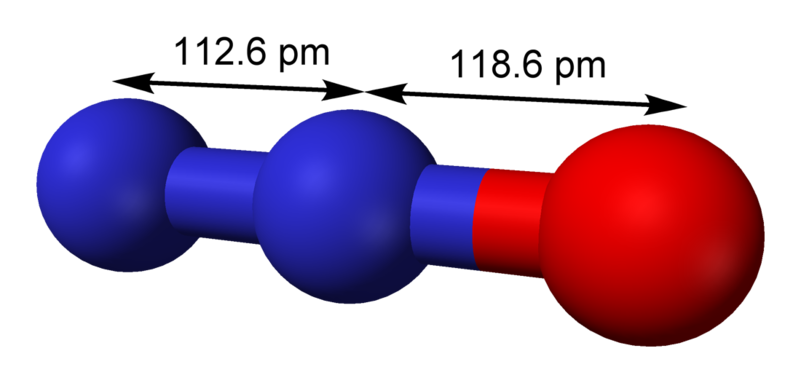
nitrous oxide
chemical compound

L-arginine
thumb|Arginine ball and stick model spinning
Arginine is the amino acid with the formula (H2N)(HN)CN(H)(CH2)3CH(NH2)CO2H. The molecule features a guanidino group appended to a standard amino acid framework. At physiological pH, the carboxylic acid is deprotonated (−CO2−) and both the amino and guanidino groups are protonated, resulting in a cation. Only the L-arginine (symbol Arg or R) enantiomer is found naturally. Arg residues are common components of proteins. It is encoded by the codons CGU, CGC, CGA, CGG, AGA, and AGG. The guanidine group in arginine is the precursor for the biosynthesis

tryptophan

bilirubin
Bilirubin (BR) (adopted from German, originally bili, for bile, plus ruber, Latin for red) is a red-orange compound that occurs as the reduction product of biliverdin, a breakdown product of heme. It is further broken down in the colon to urobilinogen, most of which becomes stercobilin, causing the brown color of feces. Some unconverted urobilinogen, metabolised to urobilin, provides the straw-yellow color in urine.

L-aspartic acid
chemical compound

cupric sulfate
chemical compound

L-valine
thumb|Valine ball and stick model spinning
Valine (symbol Val or V) is an α-amino acid that is used in the biosynthesis of proteins. It contains an α-amino group (which is in the protonated −NH3+ form under biological conditions), an α-carboxylic acid group (which is in the deprotonated −COO− form under biological conditions), and a side chain isopropyl group, making it a non-polar aliphatic amino acid. Valine is essential in humans, meaning the body cannot synthesize it; it must be obtained from dietary sources which are foods that contain proteins, such as meats, dairy products, soy products

propylene
Propylene, also known as propene, is an unsaturated organic compound with the chemical formula . It has one double bond, and is the second simplest member of the alkene class of hydrocarbons. It is a colorless gas with a faint petroleum-like odor.

L-leucine
thumb|Leucine ball and stick model spinning
Leucine or leucin (symbol Leu or L) is an essential amino acid that is used in the biosynthesis of proteins. Leucine is an α-amino acid, meaning it contains an α-amino group (which is in the protonated −NH3+ form under biological conditions), an α-carboxylic acid group (which is in the deprotonated −COO− form under biological conditions), and a side chain isobutyl group, making it a non-polar aliphatic amino acid. It is essential in humans, meaning the body cannot synthesize it; it must be obtained from the diet. Human dietary sources are foods that

uric acid
end product of nucleic acid degradation

L-tyrosine
thumb|Tyrosine ball and stick model spinning
-Tyrosine or tyrosine (symbol Tyr or Y) or 4-hydroxyphenylalanine is one of the 20 standard amino acids that are used by cells to synthesize proteins. It is a conditionally essential amino acid with a polar side group. The word "tyrosine" is from the Greek tyrós, meaning cheese, as it was first discovered in 1846 by German chemist Justus von Liebig in the protein casein from cheese. It is called tyrosyl when referred to as a functional group or side chain. While tyrosine is generally classified as a hydrophobic amino acid, it is more hydrophilic tha

phenylalanine

biotin
alt=3D space-filling model of Biotin rotating about an axis (GIF)|thumb|3D space-filling model of biotin rotating about an axis
Biotin (also known as vitamin B7 and Vitamin H) is one of the B vitamins – a group of essential dietary micronutrients. Present in every living cell, it is involved as a cofactor for enzymes in numerous metabolic processes, both in humans and in other organisms, primarily related to the biochemistry of fats, carbohydrates, and amino acids.

potassium carbonate
chemical compound

L-isoleucine
thumb|Isoleucine ball and stick model spinning
Isoleucine (symbol Ile or I) is an α-amino acid that is used in the biosynthesis of proteins. It contains an α-amino group (which is in the protonated −NH form under biological conditions), an α-carboxylic acid group (which is in the deprotonated −COO− form under biological conditions), and a hydrocarbon side chain with a branch (a central carbon atom bound to three other carbon atoms). It is classified as a non-polar, uncharged (at physiological pH), branched-chain, aliphatic amino acid. It is essential in humans, meaning the body cannot synthesi

L-glutamine
thumb|Glutamine ball and stick model spinning
Glutamine (symbol Gln or Q) is an α-amino acid that is used in the biosynthesis of proteins. Its side chain is similar to that of glutamic acid, except the carboxylic acid group is replaced by an amide. It is classified as a charge-neutral, polar amino acid. It is non-essential and conditionally essential in humans, meaning the body can usually synthesize sufficient amounts of it, but in some instances of stress, the body's demand for glutamine increases, and glutamine must be obtained from the diet. It is encoded by the codons CAA and CAG. It is n

L-histidine
thumb|Histidine ball and stick model spinning
Histidine or histidin (symbol His or H) is an essential amino acid that is used in the biosynthesis of proteins. It contains an α-amino group (which is in the protonated –NH3+ form under biological conditions), a carboxylic acid group (which is in the deprotonated –COO− form under biological conditions), and an imidazole side chain (which is partially protonated), classifying it as a positively charged amino acid at physiological pH. Initially thought essential only for infants, it has now been shown in longer-term studies to be essential for adult

uracil
Uracil () (symbol U or Ura) is one of the four nucleotide bases in the nucleic acid RNA. The others are adenine (A), cytosine (C), and guanine (G). In RNA, uracil binds to adenine via two hydrogen bonds. In DNA, the uracil nucleobase is replaced by thymine (T). Uracil is a demethylated form of thymine.

pantothenic acid
chemical compound

acetaldehyde
Acetaldehyde (IUPAC systematic name ethanal) is an organic chemical compound with the formula . It is a colorless liquid or gas, boiling near room temperature. It is one of the most important aldehydes, occurring widely in nature and being produced on a large scale in industry. Acetaldehyde occurs naturally in coffee, bread, and ripe fruit, and is produced by plants. It is also produced by the partial oxidation of ethanol by the liver enzyme alcohol dehydrogenase and is a contributing cause of hangover after alcohol consumption. Pathways of exposure include air, water, land, or groundwater, as

DL-methionine
thumb|Methionine ball and stick model spinning
Methionine (symbol Met or M) () is an essential amino acid in humans. Compared to other amino acids, methionine has particularly decisive biosynthetic roles. It is the precursor to the amino acid cysteine and the pervasive methylation agent rSAM. Methionine is required for protein synthesis, which is initiated by N-formylmethionine-sRNA.

L-serine
thumb|Serine ball and stick model spinning
Serine

L-Cysteine
thumb|Cysteine ball and stick model spinning
Cysteine (; symbol Cys or C) is a semiessential proteinogenic amino acid with the formula . The thiol side chain in cysteine enables the formation of disulfide bonds, and often participates in enzymatic reactions as a nucleophile. Cysteine is chiral, but both D and L-cysteine are found in nature. LCysteine is a protein monomer in all biota, and D-cysteine acts as a signaling molecule in mammalian nervous systems. Cysteine is named after its discovery in urine, which comes from the urinary bladder or cyst, from Greek κύστις kýstis, "bladder".

L-threonine
Threonine (symbol Thr or T) is an amino acid that is used in the biosynthesis of proteins. It contains an α-amino group (which is in the protonated −NH form when dissolved in water), a carboxyl group (which is in the deprotonated −COO− form when dissolved in water), and a side chain containing a hydroxyl group, making it a polar, uncharged amino acid. It is essential in humans, meaning the body cannot synthesize it: it must be obtained from the diet. Threonine is synthesized from aspartate in bacteria such as E. coli. It is encoded by all the codons starting AC (ACU, ACC, ACA, and ACG).

DL-lysine
thumb|Lysine ball and stick model spinning
Lysine (symbol Lys or K) is an α-amino acid that is a precursor to many proteins. Lysine contains an α-amino group (which is in the protonated form when the lysine is dissolved in water at physiological pH), an α-carboxylic acid group (which is in the deprotonated form when the lysine is dissolved in water at physiological pH), and a side chain (which is partially protonated when the lysine is dissolved in water at physiological pH), and so it is classified as a basic, charged (in water at physiological pH), aliphatic amino acid. It is encoded by the

DL-asparagine
thumb|Asparagine ball and stick model spinning
Asparagine (symbol Asn or N) is an α-amino acid that is used in the biosynthesis of proteins. It contains an α-amino group (which is in the protonated −NH form under biological conditions), an α-carboxylic acid group (which is in the deprotonated −COO− form under biological conditions), and a side chain carboxamide, classifying it as a polar (at physiological pH), aliphatic amino acid. It is non-essential in humans, meaning the body can synthesize it. It is encoded by the codons AAU and AAC.

DL-proline
thumb|Proline ball and stick model spinning
Proline (symbol Pro or P) is an organic acid classed as a proteinogenic amino acid (used in the biosynthesis of proteins), although it does not contain the amino group but is rather a secondary amine. The secondary amine nitrogen is in the protonated form (NH2+) under biological conditions, while the carboxyl group is in the deprotonated −COO− form. The "side chain" from the α carbon connects to the nitrogen forming a pyrrolidine loop, classifying it as a aliphatic amino acid. It is non-essential in humans, meaning the body can synthesize it from the

sodium sulfate
chemical compound

aniline
Aniline (From , meaning 'indigo shrub', and -ine indicating a derived substance) is an organic compound with the formula . Consisting of a phenyl group () attached to an amino group (), aniline is the simplest aromatic amine. It is an industrially significant commodity chemical, as well as a versatile starting material for fine chemical synthesis. Its main use is in the manufacture of precursors to polyurethane, dyes, and other industrial chemicals. Like most volatile amines, it has the odor of rotten fish. It ignites readily, burning with a smoky flame characteristic of aromatic compounds. It

calcium chloride
chemical compound
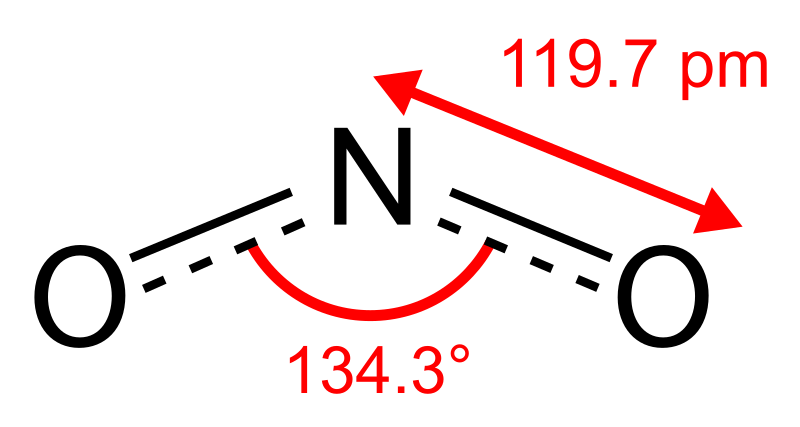
nitrogen dioxide
chemical compound

sulfurous acid
chemical compound

tartaric acid
C4-organic acid with different stereoisomers

sulfur trioxide
chemical compound

magnesium sulfate
chemical compound

DL-malic acid
group of stereoisomers