Category
page 1Garden plants

Rosa
A rose is either a woody perennial flowering plant of the genus Rosa (), in the family Rosaceae (), or the flower it bears. There are over three hundred species and tens of thousands of cultivars. They form a group of plants that can be erect shrubs, climbing, or trailing, with stems that are often armed with sharp prickles. Their flowers vary in size and shape and are usually large and showy, in colours ranging from white through pinks, reds, oranges and yellows. Most species are native to Asia, with smaller numbers native to Europe, North America, and Northwest Africa. Species, cultivars and
.jpg)
Tulipa
thumb|right|Tulipa alberti in Kazakhstan
thumb
Tulips are spring-blooming perennial herbaceous bulbiferous geophytes in the Tulipa genus. Their flowers are usually large, showy, and brightly coloured, generally red, orange, pink, yellow, or white. They often have a different coloured blotch at the base of the tepals, internally. Because of a degree of variability within the populations and a long history of cultivation, classification has been complex and controversial. The tulip is a member of the lily family, Liliaceae, along with 14 other genera, where it is most closely related to Amana, E

Lilium
Lilium ( ) is a genus of herbaceous flowering plants growing from bulbs, all with large and often prominent flowers. Lilies are a group of flowering plants which are important in culture and literature in much of the world. Most species are native to the Northern Hemisphere and their range is temperate climates and extends into the subtropics. Many other plants have "lily" in their common names, but do not belong to the same genus and are therefore not true lilies. True lilies are known to be highly toxic to cats.

Salvia rosmarinus
Salvia rosmarinus, synonym Rosmarinus officinalis, commonly known as rosemary, is a shrub with fragrant, evergreen, needle-like leaves and purple or sometimes white, pink, or blue flowers. It is a member of the mint family, Lamiaceae.
.png)
Citrus
Citrus is a genus of flowering trees and shrubs in the family Rutaceae. Plants in the genus produce citrus fruits, such as citrons, mandarins, and pomelos. Many important citrus crops have been developed through extensive hybridization, including oranges, lemons, grapefruits, and limes, all of which have many cultivars.

jasmine
thumb|Common jasmine

Chrysanthemum
Chrysanthemums ( ), sometimes abbreviated to mums or chrysanths, are perennial herbaceous flowering plants in the family Asteraceae that bloom in the autumn. They are native to East Asia and northeastern Europe. Most species originate from East Asia, and the center of diversity is in China. Many thousands of horticultural varieties and cultivars exist.

Trifolium
Clovers, also called trefoils, are plants of the genus Trifolium (), consisting of about 300 species of flowering plants in the legume family Fabaceae originating in Europe. The genus has a cosmopolitan distribution with the highest diversity in the temperate Northern Hemisphere, but many species also occur in South America and Africa, including at high altitudes on mountains in the tropics.

Viola
genus of plants; violets
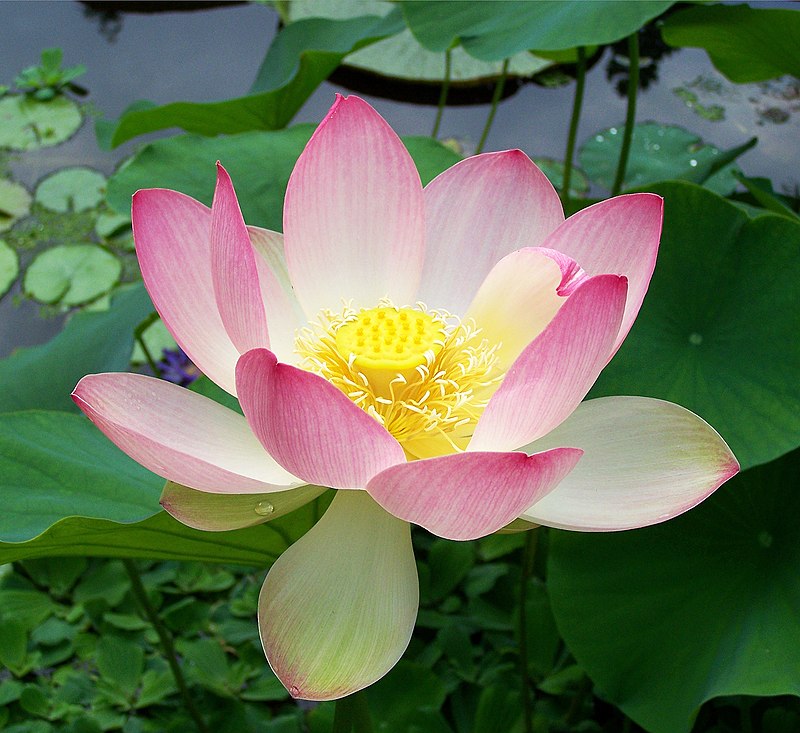
Nelumbo nucifera
species of plant

Narcissus
genus of plants in family Amaryllidaceae

Flor rara
Flowering plant in the daisy family Asteraceae

Allium schoenoprasum
Chives, scientific name Allium schoenoprasum, is a species of flowering plant in the family Amaryllidaceae.

Papaver rhoeas
species of plant

Gladiolus
Gladiolus (from Latin, the diminutive of , a sword) is a genus of perennial cormous flowering plants in the iris family (Iridaceae).
alt=Gladiolus Italicus, Behbahan|thumb|Gladiolus italicus, Behbahan County|Behbahan, Iran
It is sometimes called the 'sword lily', but is usually called by its generic name (plural gladioli).

Bambusoideae
Bamboos are a diverse group of mostly evergreen perennial flowering plants making up the subfamily Bambusoideae of the grass family Poaceae. Giant bamboos are the largest members of the grass family, in the case of Dendrocalamus sinicus having individual stalks (culms) reaching a length of , up to in diameter and a weight of up to . The internodes of bamboos can also be of great length. Kinabaluchloa wrayi has internodes up to in length, and Arthrostylidium schomburgkii has internodes up to in length, exceeded in length only by papyrus. By contrast, the stalks of the tiny bamboo Raddiella vane

Dianthus caryophyllus
species of plant

Diospyros kaki
species of plant

Syringa
Syringa is a genus of 12 currently recognized species of flowering woody plants in the olive family called lilacs. They are native to woodland and scrub from southeastern Europe to eastern Asia, and widely and commonly cultivated in temperate areas elsewhere.

Papaver
Papaver is a genus of 70–100 species of frost-tolerant annuals, biennials, and perennials native to temperate and cold regions of Eurasia, Africa and North America. It is the type genus of the poppy family, Papaveraceae.

Salvia
Salvia () is the largest genus of plants in the sage family Lamiaceae, with just under 1,000 species of shrubs, herbaceous perennials, and annuals. Within the Lamiaceae, Salvia is part of the tribe Mentheae within the subfamily Nepetoideae. One of several genera commonly referred to as sage, it includes two widely used herbs, Salvia officinalis (common sage, or just "sage") and Salvia rosmarinus (rosemary, formerly Rosmarinus officinalis).

Crocus
Crocus (; plural: crocuses or croci) is a genus of seasonal flowering plants in the family Iridaceae (iris family) comprising about 100 species of perennials growing from corms.

Paeonia
The peony or paeony () is any flowering plant in the genus Paeonia, the only genus in the family Paeoniaceae. Peonies are native to Asia, Europe, and Western North America. Scientists differ on the number of species that can be distinguished, ranging from 25 to 40, although the current consensus describes 33 known species. The relationships between the species need to be further clarified.

Hedera helix
species of plant

Geranium

Begonia
Begonia is a genus of perennial flowering plants in the family Begoniaceae. The genus contains more than 2,000 different plant species, distributed primarily across tropical and subtropical regions of Africa, Asia, and Central and South America, with Africa considered the center of origin. Some species are commonly grown indoors as ornamental houseplants in cooler climates, or cultivated outside in summertime for their bright colorful flowers, which have petals but no sepals.
left|thumb|A female flower on the left and a male flower on the right, from a Begonia johnstonii plant.
thumb|right|Pin

Aster
genus of plants

Primula
Primula () is a genus of herbaceous flowering plants in the family Primulaceae. They include the primrose (P. vulgaris), a familiar wildflower of banks and verges. Other common species are P. auricula (auricula), P. veris (cowslip), and P. elatior (oxlip). These species and many others are valued for their ornamental flowers. They have been extensively cultivated and hybridised (in the case of the primrose, for many hundreds of years). Primula are native to the temperate Northern Hemisphere, south into tropical mountains in Ethiopia, Indonesia, and New Guinea, and in temperate southern South A
%20II.jpg)
Lupinus
Lupinus, commonly known as lupin, lupine, or regionally bluebonnet, is a genus of plants in the legume family Fabaceae. The genus includes over 199 species, with centres of diversity in North and South America. Smaller centres occur in North Africa and the Mediterranean. They are widely cultivated both as a food source and as ornamental plants, but are invasive to some areas. For instance, lupine has become an ecological problem in Iceland since the beginning of the 21st century.

Viburnum opulus
species of plant

Thuja
Thuja ( ) is a genus of coniferous tree or shrub in the Cupressaceae (cypress family). There are five species in the genus, two native to North America and three native to eastern Asia. The genus is monophyletic and sister to Thujopsis. Members are commonly known as arborvitaes (from the Latin term for 'tree of life'), thujas, or New World false cedars.

Clematis
Clematis is a genus of about 380 species within the buttercup family, Ranunculaceae. Their garden hybrids and cultivars have been popular among gardeners, beginning with Clematis 'Jackmanii', a garden staple since 1862. More cultivars are being produced constantly, mainly of Chinese and Japanese origin.

Digitalis purpurea
toxic flowering plant in the family Plantaginaceae
.jpg)
Pelargonium
Pelargonium () is a genus of flowering plants commonly called geraniums, pelargoniums, or storksbills. It includes about 280 species of perennials, succulents, and shrubs. Taxonomist Carl Linnaeus originally included all the species of Pelargonium and Geranium under the latter name. In 1789, Charles Louis L'Héritier de Brutelle separated them into two genera.
%2002.jpg)
Aquilegia
Aquilegia, commonly known as columbines, is a genus of perennial flowering plants in the family Ranunculaceae (buttercups). The genus includes between 70 and 400 taxa (described species and subspecies) with natural ranges across the Northern Hemisphere. Natural and introduced populations of Aquilegia exist on all continents but Antarctica. Known for their high physical variability and ease of hybridization, columbines are popular garden plants and have been used to create many cultivated varieties.
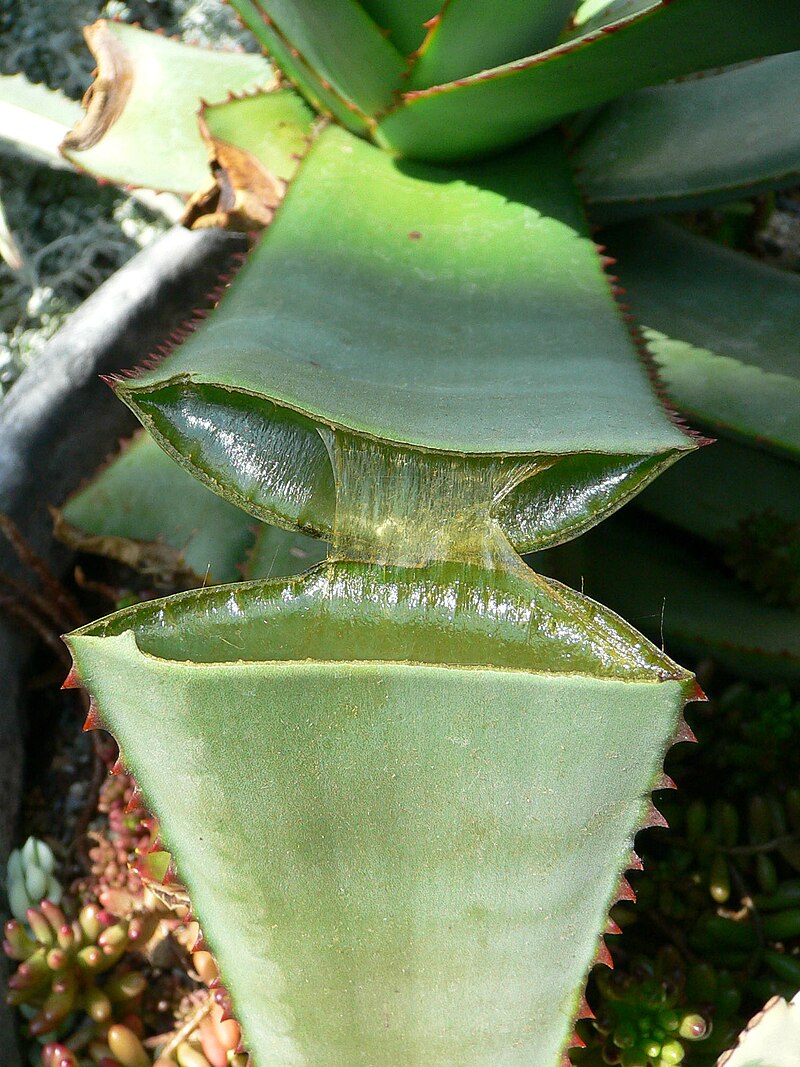
succulent plant
Plants having some parts that are more than normally thickened and fleshy

Calendula
Calendula () is a genus of about 15–20 species of annual and perennial herbaceous plants in the daisy family, Asteraceae that are often known as marigolds. They are native to Europe, North Africa, Macaronesia, West Asia and Western Himalayas and have their center of diversity in the Mediterranean Region. Other plants known as marigolds include corn marigold, desert marigold, marsh marigold, and plants of the genus Tagetes.

bulb
thumb|right|250px|Shallot bulbs
thumb|right|250px|Hippeastrum (amaryllis) bulb

Helleborus
Commonly known as hellebores (), the Eurasian genus Helleborus consists of approximately 20 species of herbaceous or evergreen perennial flowering plants in the family Ranunculaceae, within which it gave its name to the tribe of Helleboreae. Many hellebore species are poisonous.

Lilium martagon
species of plant

Petunia
Petunia is a genus of 20 species of flowering plants of South American origin. The popular flower of the same name derived its epithet from the French, which took the word , 'tobacco', from a Tupi–Guarani language. A tender perennial plant, most of the varieties seen in gardens are hybrids (Petunia × atkinsiana, also known as Petunia × hybrida).

Mentha spicata
Spearmint (Mentha spicata), also known as garden mint, common mint, lamb mint and mackerel mint, is native to Europe and southern temperate Asia, extending from Ireland in the west to southern China in the east. It is naturalized in many other temperate parts of the world, including northern and southern Africa, North America, and South America. It is used as a flavouring in food and herbal teas. The aromatic oil, called oil of spearmint, is also used as a flavoring and sometimes as a scent.

Agrostemma githago
species of plant

Delphinium
Delphinium is a genus of about 300 species of annual and perennial flowering plants in the family Ranunculaceae, native throughout the Northern Hemisphere and also on the high mountains of tropical Africa. The genus was erected by Carl Linnaeus.

Gerbera
Gerbera ( or ) L. is a genus of plants in the Asteraceae (Compositae) family. The first scientific description of a Gerbera was made by J. D. Hooker in Curtis's Botanical Magazine in 1889 when he described Gerbera jamesonii, a South African species also known as Transvaal daisy or Barberton daisy. Gerbera is also commonly known as the African daisy.
There are also different colors of gerberas.

Lathyrus
Lathyrus is a genus of flowering plants in the legume family Fabaceae, and contains approximately 160 species. Commonly known as peavines or vetchlings, they are native to temperate areas, with a breakdown of 52 species in Europe, 30 species in North America, 78 in Asia, 24 in tropical East Africa, and 24 in temperate South America. There are annual and perennial species which may be climbing or bushy. This genus has numerous sections, including Orobus, which was once a separate genus. The genus has numerous synonyms, including Pisum, the ancient Latin name for the pea.

Tanacetum vulgare
thumb|240px|Illustration of a tansy
Tansy (Tanacetum vulgare) is a perennial, herbaceous flowering plant in the genus Tanacetum in the aster family, native to temperate Europe and Asia. It has been introduced to other parts of the world, including North America, and in some areas has become invasive. It is also known as common tansy, bitter buttons, cow bitter, or golden buttons. The Latin word vulgare means "common".

Atriplex
Atriplex () is a plant genus of about 250 species, known by the common names of saltbush and orache (; also spelled orach). It belongs to the subfamily Chenopodioideae of the family Amaranthaceae s.l..
The genus is quite variable and widely distributed. It includes many desert and seashore plants and halophytes, as well as plants of moist environments.
The generic name originated in Latin and was applied by Pliny the Elder to the edible oraches. The name saltbush derives from the fact that the plants retain salt in their leaves; they are able to grow in areas affected by soil salination.

Hibiscus syriacus
species of plant

Syringa vulgaris
species of flowering plant

Lamium
Lamium (dead-nettles) is a genus of about 30 species of flowering plants in the family Lamiaceae, of which it is the type genus. They are all herbaceous plants native to Eurasia and northern Africa, with several widely naturalised across much of the temperate world.

Saxifraga
Saxifraga is the largest genus in the family Saxifragaceae, containing about 473 species of holarctic perennial plants, known as saxifrages or rockfoils. The Latin word saxifraga means literally "stone-breaker", from Latin ' ("rock" or "stone") + ' ("to break"). It is usually thought to indicate a medicinal use for treatment of urinary calculi (known as kidney or bladder stones), rather than breaking rocks apart.

Tropaeolum majus
species of plant

Sedum
Sedum is a large genus of flowering plants in the family Crassulaceae, members of which are commonly known as stonecrops. The genus has been described as containing up to 600 species, subsequently reduced to 400–500. They are leaf succulents found primarily in the Northern Hemisphere, but extending into the southern hemisphere in Africa and South America. The plants vary from annual and creeping herbs to shrubs. The plants have water-storing leaves. The flowers usually have five petals, seldom four or six. There are typically twice as many stamens as petals. Various species formerly classified

Verbena
Verbena (), also known as vervain or (in obsolete spelling) verveine, is a genus in the family Verbenaceae. It contains about 150 species of annual and perennial herbaceous or semi-woody flowering plants. The majority of the species are native to the Americas and Asia; however, Verbena officinalis, the common vervain or common verbena, is the type species and native to Europe.

Tagetes erecta
species of plant
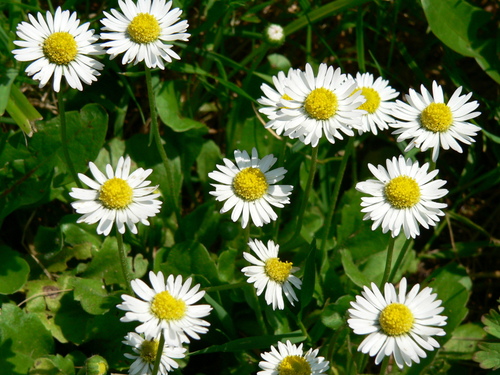
Bellis
Bellis () is a genus of flowering plants in the family Asteraceae.

sweet pea
species of flowering plant

Gardenia jasminoides
species of evergreen flowering plant

Sempervivum
Sempervivum () is a genus of about 40 species of flowering plants in the family Crassulaceae, commonly known as houseleeks. Other common names include liveforever (the source of the taxonomical designation Sempervivum, literally "always/forever alive") and hen and chicks, a name shared with plants of other genera as well. They are succulent perennials forming mats composed of tufted leaves in rosettes. In favourable conditions they spread rapidly via offsets, and several species are valued in cultivation as groundcover for dry, sunny locations.