Category
page 1Monoamine oxidase inhibitors

tobacco
thumb|Tobacco drying kiln in Myrtleford|Myrtleford, Victoria, Australia, 2018. This kiln was built in 1957, and moved to Rotary Park in 2000. Kilns of this design were built from the early 1930s through to the late 1960s.
thumb |Basma tobacco leaves drying in the sun at Pomak village in [[Xanthi, Greece]]

black pepper
species of plant
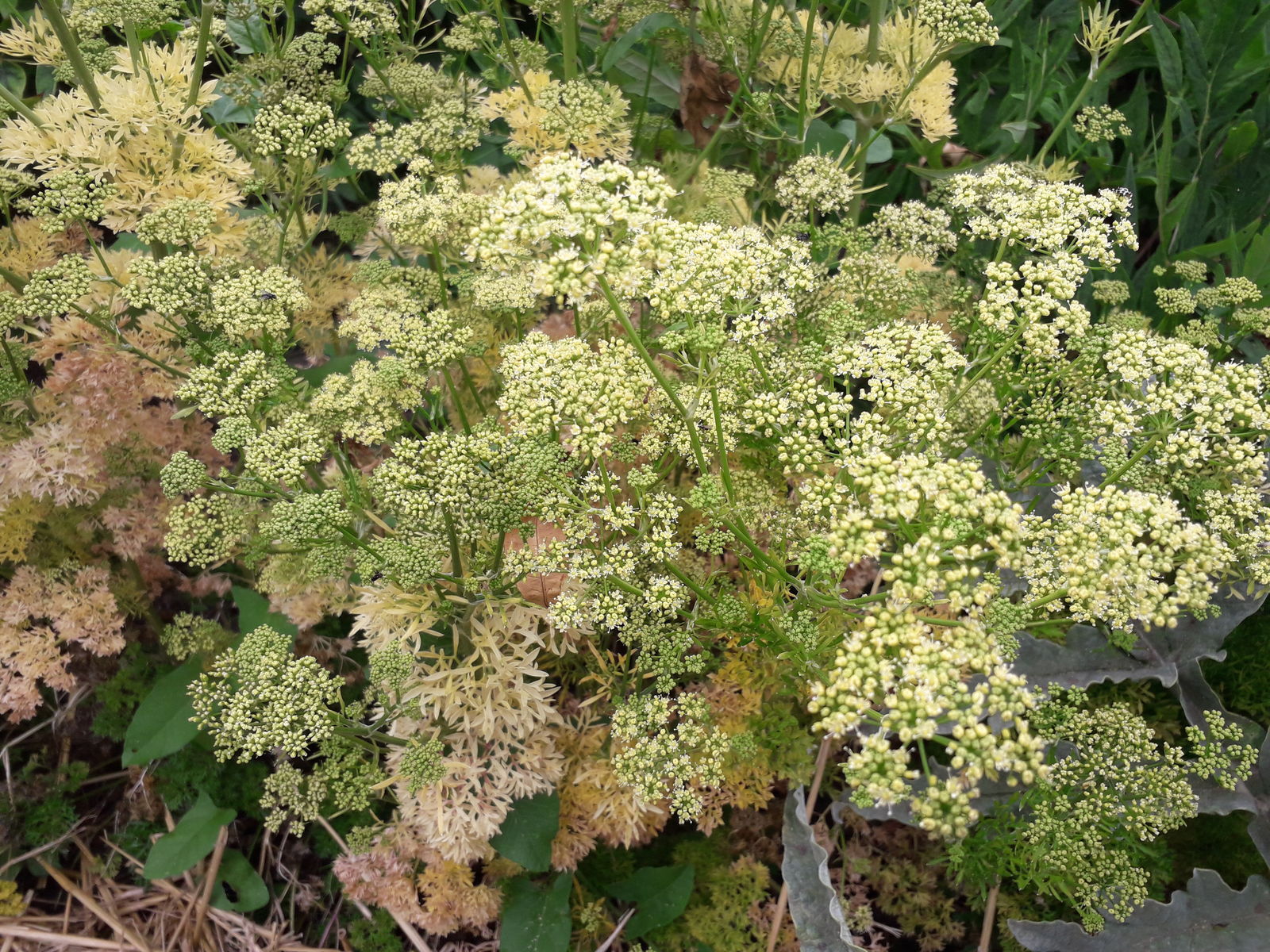
parsley
Parsley, or garden parsley (Petroselinum crispum), is a species of flowering plant in the family Apiaceae that is native to the Balkans. It has been introduced and naturalized in Europe and elsewhere in the world with suitable climates, and is widely cultivated as a herb and a vegetable.
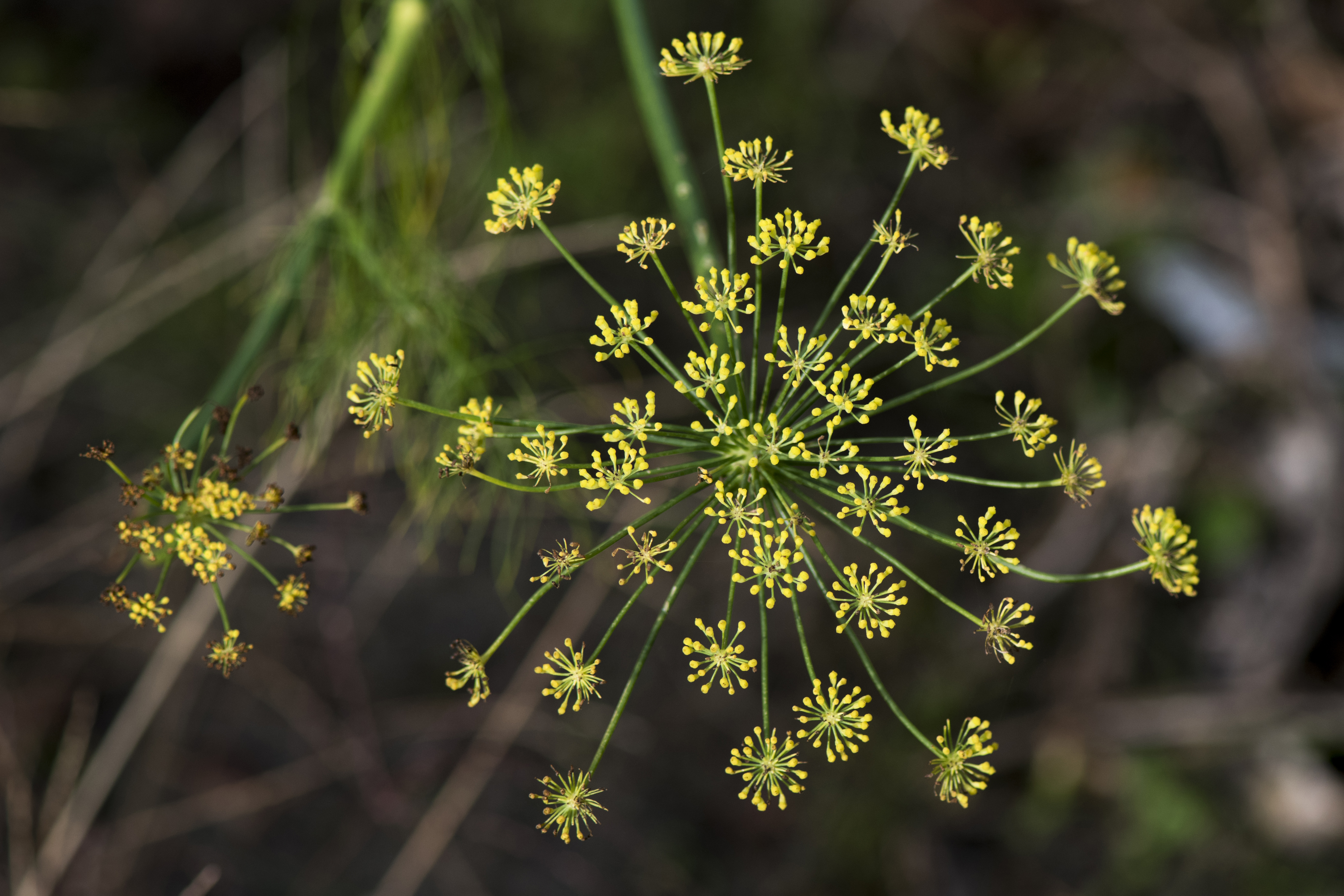
Anethum graveolens
Dill (Anethum graveolens) is an annual herb in the celery family Apiaceae. Native to North Africa and West Asia, dill is grown widely in Eurasia, where its leaves and seeds are used as a herb or spice for flavouring food.
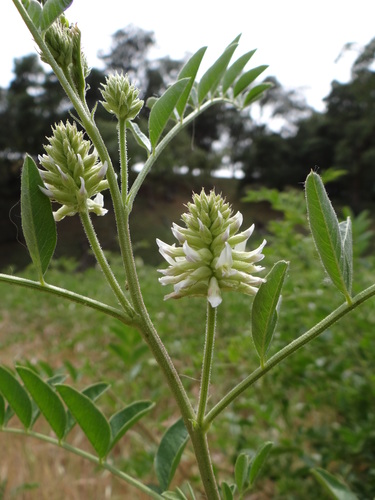
liquorice
Liquorice (Commonwealth English) or licorice (American English; see spelling differences; ) is the common name of Glycyrrhiza glabra, a flowering plant of the bean family Fabaceae, from the root of which a sweet, aromatic flavouring is extracted.

hydrazine

Piper methysticum
Kava or kava kava (Piper methysticum: Latin 'pepper' and Latinized Greek 'intoxicating') is a plant in the pepper family, native to the Pacific Islands. The name kava is from Tongan and Marquesan, meaning 'bitter'. Kava can refer to either the plant or a psychoactive beverage made from its root. The beverage is a traditional ceremonial and recreational drink from Polynesia, Micronesia, and Melanesia. Nakamals and kava bars exist in many countries. Traditional kava is made by grinding fresh or dried kava root, mixing it with water or coconut milk, and straining it into a communal bowl. Outside

Rhodiola rosea
species of plant

methylene blue
chemical compound
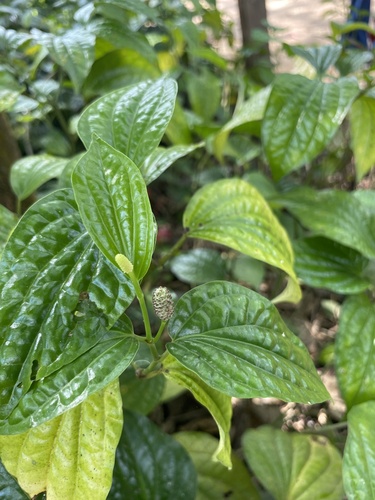
Piper longum
species of plant

ayahuasca
Ayahuasca is a South American psychoactive decoction prepared from Banisteriopsis caapi vine and a dimethyltryptamine (DMT)-containing plant, used by Indigenous cultures in the Amazon and Orinoco basins as part of traditional medicine and shamanism. The word ayahuasca, originating from Quechuan languages spoken in the Andes, refers both to the B. caapi vine and the psychoactive brew made from it, with its name meaning 'spirit rope' or 'liana of the soul'.
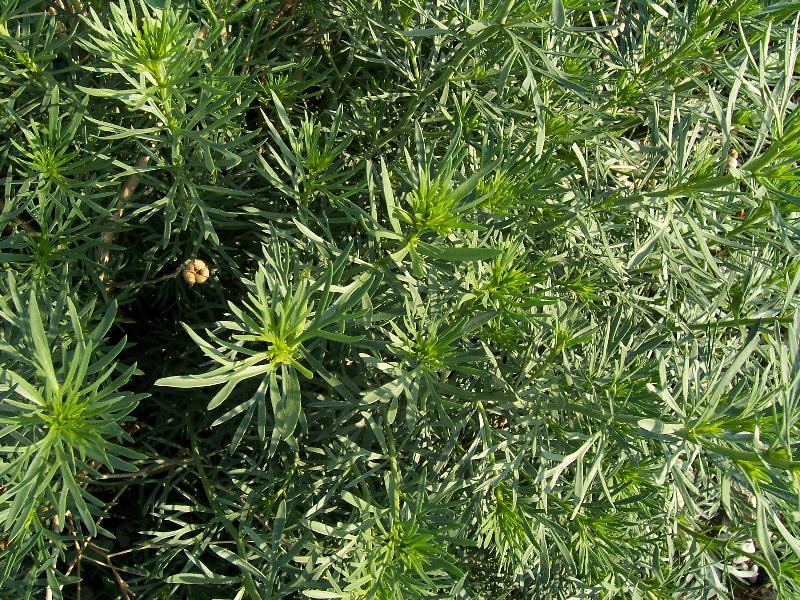
Peganum harmala
species of plant in the family Nitrariaceae
linezolid
Linezolid is an antibiotic used for the treatment of infections caused by Gram-positive bacteria that are resistant to other antibiotics. Linezolid is active against most Gram-positive bacteria that cause disease, including streptococci, vancomycin-resistant enterococci (VRE), and methicillin-resistant Staphylococcus aureus (MRSA). The main uses are infections of the skin and pneumonia although it may be used for a variety of other infections including drug-resistant tuberculosis. It is used either by injection into a vein or by mouth.
piperine
Piperine is an alkaloid extracted from the plant, Piper nigrum. Responsible for the pungency of black pepper, it is used in food flavorings as a spice, in fragrances, as an insecticide, and as an animal pest repellent.
monoamine oxidase inhibitor
group of drugs that have in common the ability to inhibit oxidative deamination of naturally occurring monoamines
tyramine
Tyramine ( ) (also spelled tyramin), also known under several other names, is a naturally occurring trace amine derived from the amino acid tyrosine. Tyramine acts as a catecholamine releasing agent. Notably, it is unable to cross the blood-brain barrier, resulting in only non-psychoactive peripheral sympathomimetic effects following ingestion. A hypertensive crisis can result, however, from ingestion of tyramine-rich foods in conjunction with the use of monoamine oxidase inhibitors (MAOIs).
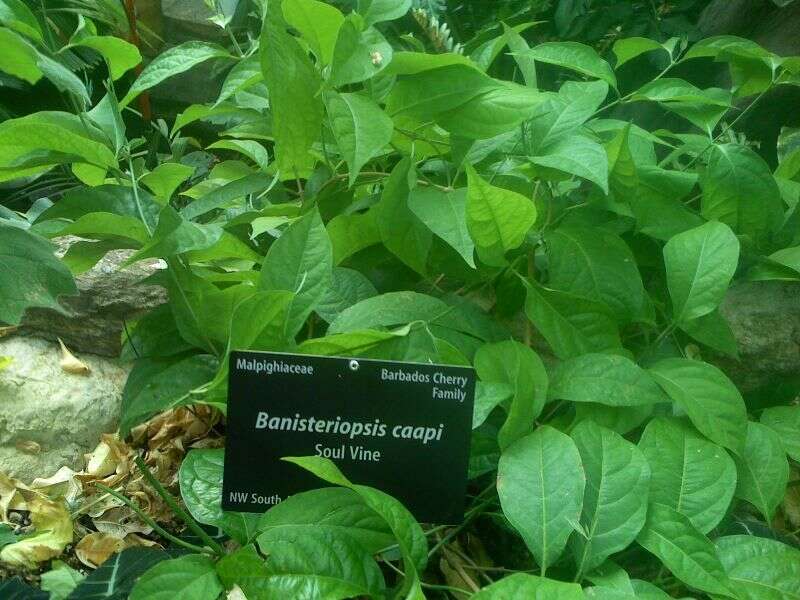
Banisteriopsis caapi
species of plant
hydralazine
Hydralazine, sold under the brand name Apresoline among others, is a medication used to treat high blood pressure and heart failure. This includes high blood pressure in pregnancy and very high blood pressure resulting in symptoms. It has been found to be particularly useful in heart failure, together with isosorbide dinitrate, for treatment of people of African descent. It is given by mouth or by injection into a vein. Effects usually begin around 15 minutes and last up to six hours.
(−)-selegiline

moclobemide
Moclobemide, sold under the brand names Amira, Aurorix, Clobemix, Depnil and Manerix among others, is a reversible inhibitor of monoamine oxidase A (RIMA) drug primarily used to treat depression and social anxiety. It is not approved for use in the United States, but is approved in other Western countries such as Canada, the United Kingdom and Australia. It is produced by affiliates of the Hoffmann–La Roche pharmaceutical company. Initially, Aurorix was also marketed by Roche in South Africa, but was withdrawn after its patent rights expired and Cipla Medpro's Depnil and Pharma Dynamic's Clori
monomethylhydrazine
Monomethylhydrazine (MMH) is a highly toxic, volatile hydrazine derivative with the chemical formula . It is used as a rocket propellant in bipropellant rocket engines because it is hypergolic with various oxidizers such as nitrogen tetroxide () and nitric acid (). As a propellant, it is described in specification MIL-PRF-27404.
myristicin
Myristicin is a naturally occurring compound (an allylbenzene) found in common herbs and spices such as nutmeg. It is an insecticide, and has been shown to enhance the effectiveness of other insecticides.
rasagiline
Rasagiline, sold under the brand name Azilect among others, is a medication which is used in the treatment of Parkinson's disease. It is used as a monotherapy to treat symptoms in early Parkinson's disease or as an adjunct therapy in more advanced cases. The drug is taken by mouth.
procarbazine
Procarbazine is a chemotherapy medication used for the treatment of Hodgkin lymphoma and brain cancers. For Hodgkin lymphoma it is often used together with chlormethine, vincristine, and prednisone while for brain cancers such as glioblastoma multiforme it is used with lomustine and vincristine. It is typically taken by mouth.
hydroxytyrosol
Hydroxytyrosol is an organic compound with the formula . It is a phenylethanoid, i.e. a relative of phenethyl alcohol. Its derivatives are found in a variety of natural sources, notably olive oils and wines. Hydroxytyrosol is a colorless solid, although samples often turn beige during storage. It is a derivative, formally speaking, of catechol.
phenylhydrazine
Phenylhydrazine is the chemical compound with the formula . It is often abbreviated as ''''''. It is also found in edible mushrooms.

phenelzine
Phenelzine, sold under the brand name Nardil among others, is a non-selective and irreversible monoamine oxidase inhibitor (MAOI) of the hydrazine family which is primarily used as an antidepressant and anxiolytic to treat depression and anxiety. Along with tranylcypromine and isocarboxazid, phenelzine is one of the few non-selective and irreversible MAOIs still in widespread clinical use.

tranylcypromine
Tranylcypromine, sold under the brand name Parnate among others, is a monoamine oxidase inhibitor (MAOI). More specifically, tranylcypromine acts as nonselective and irreversible inhibitor of the enzyme monoamine oxidase (MAO). It is used as an antidepressant and anxiolytic agent in the clinical treatment of mood and anxiety disorders, respectively. It is also effective in the treatment of ADHD.
norharman
β-Carboline, also known as norharman or as '9H-pyrido[3,4-b]indole', is a tricyclic chemical compound and alkaloid. It is the parent structure of the substituted β-carbolines, a large group of alkaloids and synthetic compounds. β-Carboline may be thought of as a cyclized tryptamine. The compound has been found to possess a variety of pharmacological activities, including DNA mutagenic effects, imidazoline receptor interactions, serotonin reuptake inhibition, monoamine oxidase inhibition, cytochrome P450 enzyme inhibition, and inhibition of other enzymes, among others.
furazolidone
Furazolidone is a nitrofuran antibacterial agent and monoamine oxidase inhibitor (MAOI). It is marketed by Roberts Laboratories under the brand name Furoxone and by GlaxoSmithKline as Dependal-M.
iproniazid
Iproniazid (Marsilid, Rivivol, Euphozid, Iprazid, Ipronid, Ipronin) is a non-selective, irreversible monoamine oxidase inhibitor (MAOI) of the hydrazine class. It is a xenobiotic that was originally designed to treat tuberculosis, but was later most prominently used as an antidepressant drug. However, it was withdrawn from the market because of its hepatotoxicity. The medical use of iproniazid was discontinued in most of the world in the 1960s, but remained in use in France until 2015.
indopan
α-Methyltryptamine (αMT, AMT) is a psychedelic, stimulant, and entactogen drug of the tryptamine and α-alkyltryptamine families. It was originally developed as an antidepressant at Upjohn in the 1960s, and was used briefly as an antidepressant in the Soviet Union under the brand name Indopan or Indopane before being discontinued.
isocarboxazid
Isocarboxazid, sold under the brand name Marplan among others, is a non-selective irreversible monoamine oxidase inhibitor (MAOI) of the hydrazine class used as an antidepressant. Along with phenelzine and tranylcypromine, it is one of only three classical MAOIs still available for clinical use in the treatment of psychiatric disorders in the United States, though it is not as commonly employed in comparison to the others.

harmine
Harmine, also known as banisterine or telepathine, as well as 7-methoxyharman or 7-methoxy-1-methyl-β-carboline, is a β-carboline and a harmala alkaloid which has hallucinogenic effects and monoamine oxidase inhibitor (MAOI) activity. It occurs in a number of different plants, most notably Peganum harmala and Banisteriopsis caapi. Harmine reversibly inhibits monoamine oxidase A (MAO-A), an enzyme which breaks down monoamines, making it a reversible inhibitor of monoamine oxidase A (RIMA). Harmine does not inhibit MAO-B.
harmaline
Harmaline, also known as 7-methoxyharmalan or as 3,4-dihydro-7-methoxy-1-methyl-β-carboline, is a harmala alkaloid and β-carboline which has hallucinogenic effects and monoamine oxidase inhibitor (MAOI) activity. It is the partly hydrogenated form of harmine.
4-methoxyamphetamine
'''para-Methoxyamphetamine (PMA), also known as 4-methoxyamphetamine (4-MA'''), is a designer drug of the amphetamine class with serotonergic effects. Unlike other similar drugs of this family, PMA does not produce stimulant, euphoriant, or entactogenic effects, and behaves more like an antidepressant in comparison, though it does have some psychedelic properties.

(±)-molindone
Molindone, sold under the brand name Moban, is an antipsychotic medication which is used in the United States in the treatment of schizophrenia. It is taken by mouth.

safinamide
Safinamide, sold under the brand name Xadago among others, is a medication used as treatment for Parkinson's disease with "off" episodes; it has multiple modes of action, including the inhibition of monoamine oxidase B.
nialamide
Nialamide (Niamid, Niamide, Nuredal, Surgex) is a non-selective, irreversible monoamine oxidase inhibitor (MAOI) of the hydrazine class that was used as an antidepressant. It was withdrawn by Pfizer several decades ago due to the risk of hepatotoxicity.

toloxatone
Toloxatone (Humoryl) is an antidepressant launched in 1984 in France by Sanofi Aventis for the treatment of depression. It was discontinued in 2002. It acts as a selective reversible inhibitor of MAO-A (RIMA).
etryptamine
α-Ethyltryptamine (αET, AET), also known as etryptamine, is an entactogen and stimulant drug of the tryptamine family. It was originally developed and marketed as an antidepressant under the brand name Monase by Upjohn in the 1960s before being withdrawn due to toxicity.

4-methylthioamphetamine
4-Methylthioamphetamine (4-MTA), also known as '''para-methylthioamphetamine (MTA'''), is a designer drug of the substituted amphetamine class developed in the 1990s by a team led by David E. Nichols, an American pharmacologist and medical chemist, at Purdue University. It acts as a non-neurotoxic highly selective serotonin releasing agent (SSRA) in animals. 4-MTA is the methylthio derivative of amphetamine.

(RS)-bromo-dragonfly
Bromo-DragonFLY, also known as DOB-DragonFLY (DOB-DFLY), is a psychedelic drug of the phenethylamine, DOx, and FLY families. It is taken orally. The drug has a delayed onset of up to 6hours and a very long duration of up to 1 to 3days.
harman
Harmane, or harman, also known as 1-methyl-β-carboline, is a heterocyclic amine and β-carboline found in a variety of foods including coffee, sauces, and cooked meat. It is also present in tobacco smoke.

minaprine
Minaprine (INN, USAN, BAN; brand names Brantur, Cantor) is a monoamine oxidase inhibitor antidepressant drug that was used in France for the treatment of depression until it was withdrawn from the market in 1996 because it caused convulsions.

4-methoxy-N-methylamphetamine
'''para-Methoxymethamphetamine (PMMA), also known as 4-methoxy-N-methylamphetamine (4-MMA'), is a serotonergic drug of the amphetamine family related to para''-methoxyamphetamine (PMA). It is the 4-methoxy analogue of methamphetamine.

pirlindole
Pirlindole, sold under the brand names Lifril and Pyrazidol, is mainly a reversible inhibitor of monoamine oxidase A (RIMA) and secondly a serotonin–norepinephrine reuptake inhibitor (SNRI) which was developed and is used in Russia as an antidepressant. It is structurally and pharmacologically related to metralindole.

fabomotizole
thumb|Afobazole from Russia
metralindole
Metralindole (Inkazan) is a reversible inhibitor of monoamine oxidase A (RIMA) which was investigated in Russia as a potential antidepressant. It is structurally and pharmacologically related to pirlindole.
kavain
Kavain is the principal kavalactone found in the roots of the kava plant (Piper methysticum), where it contributes significantly to the plant's psychoactive and anxiolytic effects.
octamoxin
Octamoxin (trade names Ximaol, Nimaol), also known as 2-octylhydrazine, is an irreversible and nonselective monoamine oxidase inhibitor (MAOI) of the hydrazine class that was used as an antidepressant in the 1960s but is now no longer marketed.

kavalactone
300px|thumb|right|The general structure of the kavalactones, without the R1-R2 -O-CH2-O- bridge and with all possible C=C double bonds shown.
Kavalactones are a class of lactone compounds found in kava roots and Alpinia zerumbet (shell ginger) and in several Gymnopilus, Phellinus and Inonotus fungi. Some kavalactones are bioactive. They are responsible for the psychoactive, analgesic, euphoric and sedative effects of kava.
2C-H
2C-H, also known as 2,5-dimethoxyphenethylamine (2,5-DMPEA) or as DMPEA-4, is a chemical compound of the phenethylamine and 2C families. It is the parent compound of the 2C drugs, which are also known as 4-substituted 2,5-dimethoxyphenethylamines.
desmethoxyyangonin
Desmethoxyyangonin or 5,6-dehydrokavain is one of the six main kavalactones found in the Piper methysticum (kava) plant. It is a reversible inhibitor of monoamine oxidase B (MAO-B), likely contributing to increased dopamine levels in the brain's nucleus accumbens and supporting kava's attention-enhancing effects. Unlike other kavalactones, it does not modulate GABAA receptors. It also strongly induces the liver enzyme CYP3A23. It is an active compound in Alpinia pricei with anti-inflammatory and liver-protective effects that improve survival in mice with endotoxin-induced hepatitis.
pargyline
Pargyline, sold under the brand name Eutonyl among others, is a monoamine oxidase inhibitor (MAOI) medication which has been used to treat hypertension (high blood pressure) but is no longer marketed. It has also been studied as an antidepressant, but was never licensed for use in the treatment of depression. The drug is taken by mouth.
tryptoline
Tryptoline, also known as tetrahydro-β-carboline and tetrahydronorharmane, is a natural organic derivative of β-carboline. It is an alkaloid chemically related to tryptamines. Derivatives of tryptoline have a variety of pharmacological properties and are known collectively as tryptolines.
3-nitropropionic acid
chemical compound
pheniprazine
Pheniprazine, formerly sold under the brand names Catron and Cavodil, is an irreversible and non-selective monoamine oxidase inhibitor (MAOI) of the hydrazine group that was used as an antidepressant to treat depression in the 1960s. It was also used in the treatment of angina pectoris and schizophrenia. Pheniprazine has been largely discontinued due to toxicity concerns such as jaundice, amblyopia, and optic neuritis.
mebanazine
Mebanazine (trade name Actomol) is a monoamine oxidase inhibitor (MAOI) of the hydrazine chemical class that was previously used as an antidepressant in the 1960s, but has since been withdrawn due to hepatotoxicity.
pivhydrazine
Pivhydrazine (trade name Tersavid), also known as pivalylbenzhydrazine and pivazide, is an irreversible and non-selective monoamine oxidase inhibitor (MAOI) of the hydrazine family. It was formerly used as an antidepressant in the 1960s, but has since been discontinued.