Category
page 1Chembox image size set
.svg)
water
Water is an inorganic compound with the chemical formula . It is a transparent, tasteless, odorless, and nearly colorless chemical substance. It is the main constituent of Earth's streams, lakes, and oceans and the fluids of all known living organisms, in which it acts as a solvent. Water, being a polar molecule, undergoes strong intermolecular hydrogen bonding which is a large contributor to its physical and chemical properties. It is vital for all known forms of life, despite not providing food energy or being an organic micronutrient. Due to its presence in all organisms, its chemical stabi

carbon dioxide
chemical compound

ammonia

glucose
Glucose is a sugar with the molecular formula . It is the most abundant monosaccharide, a subcategory of carbohydrates. It is made from water and carbon dioxide during photosynthesis by plants and most algae. It is used by plants to make cellulose, the most abundant carbohydrate in the world, for use in cell walls, and by all living organisms to make adenosine triphosphate (ATP), which is used by the cell as energy. Glucose is often abbreviated as Glc.

carbon monoxide
chemical compound

cholesterol
Cholesterol is the principal sterol of all animals, distributed in body tissues, especially the brain and spinal cord, and in animal fats and oils.

sulfuric acid
chemical compound

nitric acid
strong, oxidising mineral acid

cellulose
Cellulose is an organic compound with the formula , a polysaccharide consisting of a linear chain of several hundred to many thousands of β(1→4) linked D-glucose units. Cellulose is an important structural component of the cell walls of green plants, many forms of algae, and the oomycetes. Some species of bacteria secrete it to form biofilms. Cellulose is the most abundant organic polymer on Earth. The cellulose content of cotton fibre is 90%, that of wood is 40–50%, and that of dried hemp is approximately 57%.

hydrochloric acid
highly corrosive, strong mineral acid in aqueous solution

testosterone
Testosterone is the primary male sex hormone and androgen in males. In humans, testosterone plays a key role in the development of male reproductive tissues such as testicles and prostate, as well as promoting secondary sexual characteristics such as increased muscle and bone mass, and the growth of body hair. It is associated with increased aggression, sex drive, dominance, courtship display, and a wide range of behavioral characteristics. In addition, testosterone in both sexes is involved in health and well-being, where it has a significant effect on overall mood, cognition, social and sexu

sodium bicarbonate
chemical compound

phenol
Phenol (also known as carbolic acid, phenolic acid, or benzenol) is an aromatic organic compound with the molecular formula . It is a white crystalline solid that is volatile and can catch fire.

keto-D-fructose
Fructose (), or fruit sugar, is a common monosaccharide, i.e. a simple sugar. It is classified as a reducing hexose, more specifically a ketonic simple sugar found in many plants, where it is often bonded to glucose to form the disaccharide sucrose. A white, water-soluble solid, it is one of the three dietary monosaccharides, along with glucose and galactose.
Fructose is found in honey, tree and vine fruits, flowers, berries, and most root vegetables.
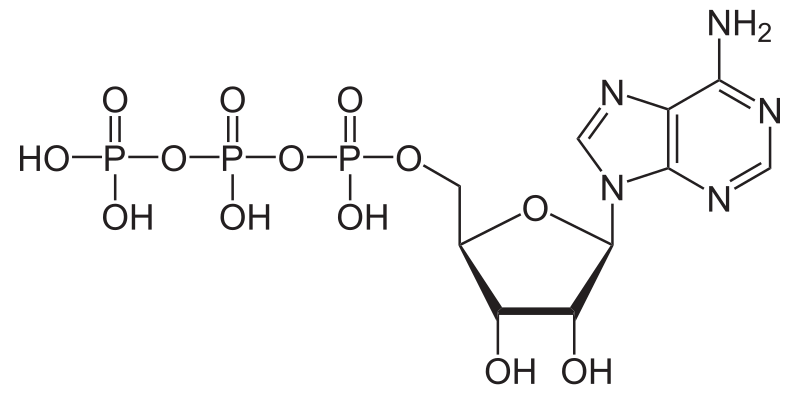
adenosine triphosphate
the energy-carrying molecule in living cells

β-lactose
Lactose is a disaccharide composed of galactose and glucose and has the molecular formula C12H22O11. Lactose makes up around 2–8% of milk (by mass). The name comes from (gen. ), the Latin word for milk, plus the suffix -ose used to name sugars. The compound is a white, water-soluble, non-hygroscopic solid with a mildly sweet taste. It is used in the food industry.

citric acid
weak organic acid

ethylene
Ethylene (IUPAC name: ethene) is a hydrocarbon which has the formula or . It is a colourless, flammable gas with a faint "sweet and musky" odour when pure. It is the simplest alkene (a hydrocarbon with carbon–carbon double bonds).

glycine
thumb|Glycine ball and stick model spinning
Glycine (symbol Gly or G; ) is an organic compound with the formula C2H5NO2, and is the simplest stable amino acid, distinguished by having a single hydrogen atom as its side chain. As one of the 20 proteinogenic amino acids, glycine is a fundamental building block of proteins in all life and is encoded by all codons starting with GG (GGU, GGC, GGA, and GGG). Because of its minimal side chain, it is the only common amino acid that is not chiral, meaning it is superimposable on its mirror image.

sulfur dioxide
chemical compound

adenine
Adenine (symbol A, or Ade) is a purine nucleotide base that is found in DNA, RNA, and ATP. Usually a white crystalline subtance. The shape of adenine is complementary and pairs to either thymine in DNA or uracil in RNA. In cells adenine, as an independent molecule, is rare. It is almost always covalently bound to become a part of a larger biomolecule.

acetylene
Acetylene (systematic name: ethyne) is a chemical compound with the formula and structure . It is a hydrocarbon and the simplest alkyne. This colorless gas is widely used as a fuel and a chemical building block. It is unstable in its pure form and thus is usually handled as a solution. Pure acetylene is odorless, but commercial grades usually have a marked odor due to impurities such as divinyl sulfide and phosphine.

butane
Butane () is an alkane with the formula C4H10. Butane exists as two isomers, n-butane, and iso-butane, . Both isomers are highly flammable, colorless, easily liquefied gases that quickly vaporize at room temperature and pressure. Butanes are a trace component of natural gases, which contain higher concentrations of other hydrocarbons such as propane, ethane, and especially methane. Liquefied petroleum gas is a mixture of propane and some butanes.

sodium carbonate
chemical compound

phosphates
In chemistry, a phosphate is an anion, salt, functional group or ester derived from a phosphoric acid. It most commonly means orthophosphate, a derivative of orthophosphoric acid, phosphoric acid .

hydrogen sulfide
chemical compound
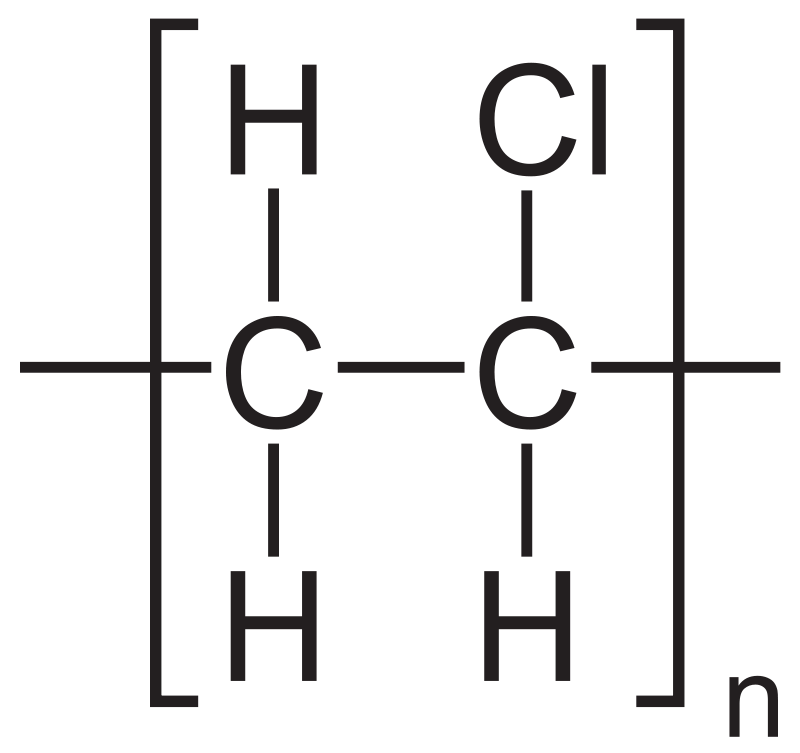
polyvinyl chloride
synthetic plastic polymer - A thermoplastic resin produced by the polymerization of vinyl chloride gas.

DL-lactic acid
group of stereoisomers

L-alanine
thumb|Spin view of ball-stick model
Alanine (symbol Ala or A), or α-alanine, is an α-amino acid that is used in the biosynthesis of proteins. It contains an amine group and a carboxylic acid group, both attached to the central carbon atom which also carries a methyl group side chain. Consequently it is classified as a non-polar, aliphatic α-amino acid. Under biological conditions, it exists in its zwitterionic form with its amine group protonated (as ) and its carboxyl group deprotonated (as ). It is non-essential to humans as it can be synthesized metabolically and does not need to be present

formic acid
chemical compound

formaldehyde
Formaldehyde ( , ) (systematic name methanal) is a pungent colorless gas mainly used in the production of industrial resins, such as for particle board, coatings, plastics, pulp, paper, synthetic fibers, and textiles. A ~5% solution in water of formaldehyde is used as a disinfectant and fumigant in industrial, agricultural, and healthcare settings, and a ~37% solution is used to preserve tissue samples in labs. In 2024, the global production of formaldehyde was estimated at 26 million tons per year, and is a precursor to many other materials and chemical compounds.
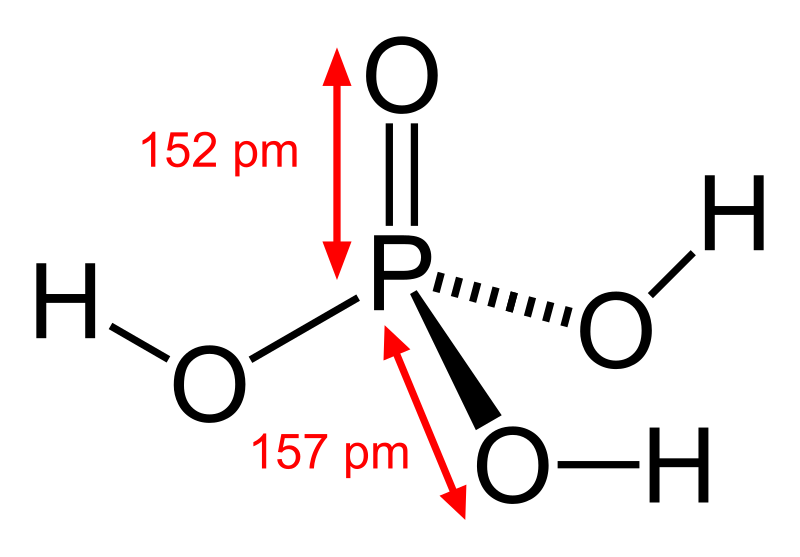
phosphoric acid
chemical compound

cytosine
Cytosine (symbol C or Cyt) is one of the four nucleotide bases found in DNA and RNA, along with adenine, guanine, and thymine (uracil in RNA). It is a pyrimidine derivative, with a heterocyclic aromatic ring and two substituents attached (an amine group at position 4 and a keto group at position 2). The nucleoside of cytosine is cytidine. In Watson–Crick base pairing, it forms three hydrogen bonds with guanine.

guanine
Guanine () (symbol G or Gua) is one of the four main nucleotide bases found in the nucleic acids DNA and RNA, the others being adenine, cytosine, and thymine (uracil in RNA). In DNA, guanine is paired with cytosine. The guanine nucleoside is called guanosine.

monosodium L-glutamate
chemical compound, flavor enhancer

potassium permanganate
inorganic chemical compound with the chemical formula KMnO4

polyethylene
thumb|140px|The repeating unit within polyethylene in the most stable staggered conformation

chloroform
Chloroform, or trichloromethane (often abbreviated as TCM), is an organochloride with the formula and a common solvent. It is a volatile, colorless, sweet-smelling, dense liquid produced on a large scale as a precursor to refrigerants and polytetrafluoroethylene (PTFE). Chloroform was once used as an inhalational anesthetic between the 19th century and the first half of the 20th century. It is miscible with many solvents but it is only very slightly soluble in water (only 8 g/L at 20°C).

aluminium oxide
chemical compound

ammonium chloride
chemical compound
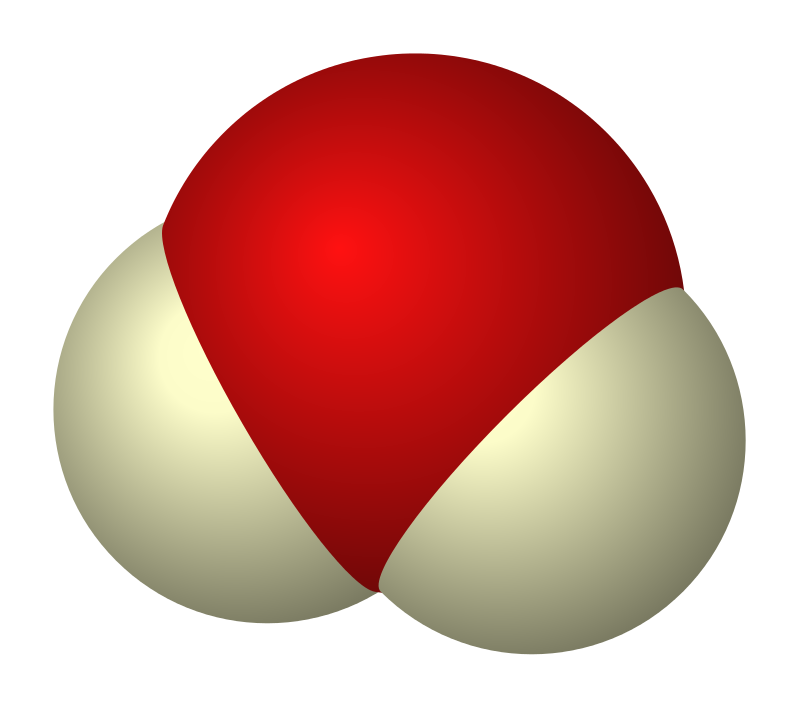
heavy water
chemical compound

hydrofluoric acid
solution of hydrogen fluoride in water

melanin
thumb|Micrograph of melanin pigment (light refracting granular material—center of image) in a pigmented [[melanoma]]
thumb|Micrograph of the epidermis, with melanin labeled at left

oxalic acid
chemical compound

borax
Borax (also referred to as sodium borate, tincal () and tincar ()) is a salt (ionic compound) normally encountered as a hydrated borate of sodium, with the chemical formula . Borax mineral is a crystalline borate mineral that occurs in only a few places worldwide in quantities that enable it to be mined economically.

DL-glutamic acid
amino acid and neurotransmitter
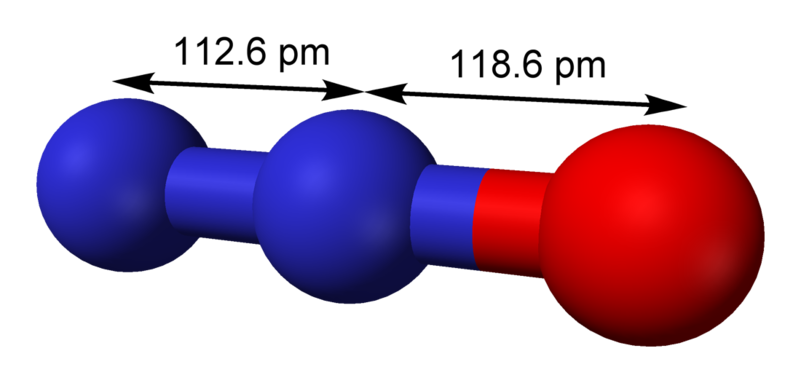
nitrous oxide
chemical compound

toluene
Toluene (), also known as toluol (), is a substituted aromatic hydrocarbon with the chemical formula , often abbreviated as , where Ph stands for the phenyl group. It is a colorless, water-insoluble liquid with the odor associated with paint thinners. It is a mono-substituted benzene derivative, consisting of a methyl group (CH3) attached to a phenyl group by a single bond. As such, its systematic IUPAC name is methylbenzene. Toluene is predominantly used as an industrial feedstock and a solvent.
.svg)
thymine
Thymine () (symbol T or Thy) is one of the four nucleotide bases in the nucleic acid of DNA that are represented by the letters G–C–A–T. The others are adenine, guanine, and cytosine. Thymine is also known as 5-methyluracil, a pyrimidine nucleobase. In RNA, thymine is replaced by the nucleobase uracil. Thymine was first isolated in 1893 by Albrecht Kossel and Albert Neumann from calf thymus glands, hence its name.

L-aspartic acid
chemical compound

tryptophan

potassium hydroxide
inorganic compound with the formula KOH

cupric sulfate
chemical compound

naphthalene
Naphthalene is an organic compound with the chemical formula . It is the simplest polycyclic aromatic hydrocarbon, and is a white crystalline solid with a characteristic odor that is detectable at concentrations as low as 0.08 ppm by mass. As an aromatic hydrocarbon, naphthalene's structure consists of a fused pair of benzene rings. It is the main ingredient of traditional mothballs.

phenylalanine

biotin
alt=3D space-filling model of Biotin rotating about an axis (GIF)|thumb|3D space-filling model of biotin rotating about an axis
Biotin (also known as vitamin B7 and Vitamin H) is one of the B vitamins – a group of essential dietary micronutrients. Present in every living cell, it is involved as a cofactor for enzymes in numerous metabolic processes, both in humans and in other organisms, primarily related to the biochemistry of fats, carbohydrates, and amino acids.

salicylic acid
chemical compound

n-pentane
Pentane is an organic compound with the formula C5H12—that is, an alkane with five carbon atoms. The term may refer to any of three structural isomers, or to a mixture of them: in the IUPAC nomenclature, however, pentane means exclusively the n-pentane isomer, in which case pentanes refers to a mixture of them; the other two are called isopentane (methylbutane) and neopentane (dimethylpropane). Cyclopentane is not an isomer of pentane because it has only 10 hydrogen atoms where pentane has 12.

purine
Purine is a heterocyclic aromatic organic compound that consists of two rings (pyrimidine and imidazole) fused together. It is water-soluble. Purine also gives its name to the wider class of molecules, purines, which include substituted purines and their tautomers. They are the most widely occurring nitrogen-containing heterocycles in nature.

uracil
Uracil () (symbol U or Ura) is one of the four nucleotide bases in the nucleic acid RNA. The others are adenine (A), cytosine (C), and guanine (G). In RNA, uracil binds to adenine via two hydrogen bonds. In DNA, the uracil nucleobase is replaced by thymine (T). Uracil is a demethylated form of thymine.