Category
page 1Tropical agriculture

maize
Maize (; Zea mays), also known as corn in North American English, is a tall stout grass that produces cereal grain. The leafy stalk of the plant gives rise to male inflorescences or tassels which produce pollen, and female inflorescences called ears. The ears yield grain, known as kernels or seeds. In modern commercial varieties, these are usually yellow or white; other varieties can be of many colors. Maize was domesticated by indigenous peoples in southern Mexico about 9,000 years ago from wild teosinte. Native Americans planted it alongside beans and squashes in the Three Sisters polycultur

rice
thumb|upright=1.35|Rice plant (Oryza sativa) with branched [[panicles containing many grains on each stem]]
thumb|upright=1.35|Rice grains of different Variety (botany)|varieties at the [[International Rice Research Institute (IRRI)]]

banana
A banana is an elongated, edible fruit—botanically a berry—produced by several kinds of large treelike herbaceous flowering plants in the genus Musa. In some countries, cooking bananas are called plantains, distinguishing them from dessert bananas. The fruit is variable in size, color and firmness, but is usually elongated and curved, with soft flesh rich in starch covered with a peel, which may have a variety of colors when ripe. It grows upward in clusters near the top of the plant. Almost all modern edible seedless (parthenocarp) cultivated bananas come from two wild species – Musa acuminat

Carica papaya
The papaya (, ), papaw, () or pawpaw () is the plant species Carica papaya, one of the 21 accepted species in the genus Carica of the family Caricaceae. Papaya is also the name of its fruit. It was first domesticated in Mesoamerica, within modern-day southern Mexico and Central America. It is grown in several countries in regions with a tropical climate. In 2024, India was the leading producer, accounting for 36% of the world total.
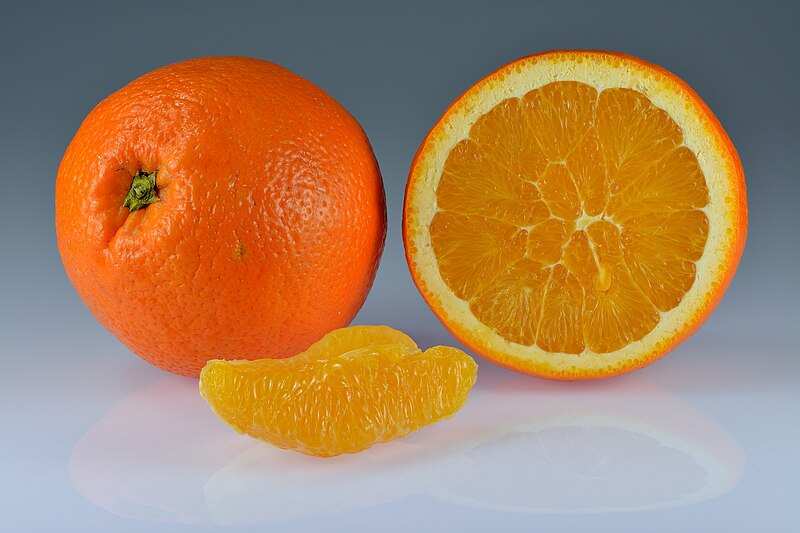
orange
citrus fruit of the orange tree

Cocos nucifera
The coconut (Cocos nucifera) is a member of the palm family (Arecaceae) and the only living species of the genus Cocos. The term "coconut" (or the archaic "cocoanut") can denote the whole coconut palm tree or the large hard fruit. Originally native to Central Indo-Pacific, they are ubiquitous in coastal tropical regions.

Ananas comosus
The pineapple (Ananas comosus) is a tropical plant with an edible fruit; it is the most economically significant plant in the family Bromeliaceae.

sweet potato
species of plant

Aguacate
The avocado, alligator pear or avocado pear (Persea americana) is an evergreen tree in the laurel family (Lauraceae). It is native to the Americas, with archaeological evidence of early human avocado use dating back thousands of years across various regions of Central and South America. It was prized for its large and unusually oily fruit. The native range of avocado (Persea americana) extends from Mexico to Peru, encompassing much of Central America and parts of northern and western South America.

Phoenix dactylifera
palm tree cultivated for its edible sweet fruit

Arecaceae
The Arecaceae () are a family of perennial, flowering plants in the monocot order Arecales. Their growth form can be climbers, shrubs, tree-like and stemless plants, all commonly known as palms. Those having a tree-like form are colloquially called palm trees. Currently, 181 genera with around 2,600 species are known, most of which are restricted to tropical and subtropical climates. Most palms are distinguished by their large, compound, evergreen leaves, known as fronds, arranged at the top of an unbranched stem, except for the Hyphaene genus, which has branched palms. However, palms exhibit

cassava
Manihot esculenta, commonly called cassava, manioc, or yuca (among numerous regional names), is a woody shrub of the spurge family, Euphorbiaceae, native to South America, from Brazil, Paraguay and parts of the Andes. Although a perennial plant, cassava is extensively cultivated in tropical and subtropical regions as an annual crop for its edible starchy tuberous root. Cassava is predominantly consumed in boiled form, but substantial quantities are processed to extract cassava starch, called tapioca, which is used for food, animal feed, and industrial purposes. The Brazilian , and the related
.jpg)
Artocarpus heterophyllus
The jackfruit, jakfruit or nangka (Artocarpus heterophyllus) is a species of tree in the fig, mulberry, and breadfruit family (Moraceae).
.JPG)
Abelmoschus esculentus
Okra (, ), Abelmoschus esculentus, known in some English-speaking countries as '''lady's fingers''', is a flowering plant in the mallow family native to East Africa. Cultivated in tropical, subtropical, and warm temperate regions around the world for its edible green (red in some cultivars) seed pods, okra is used in the cuisines of many countries.
.svg)
Cashew
Cashew is the common name of a tropical evergreen tree Anacardium occidentale, in the family Anacardiaceae. It is the source of the cashew nut (often simply called a 'cashew') and the cashew apple. The tree can grow as tall as .

Colocasia esculenta
Taro (; Colocasia esculenta) is a root vegetable. It is the most widely cultivated species of several plants in the family Araceae that are used as vegetables for their corms, leaves, stems and petioles. Taro corms are a food staple in African, Caribbean, Oceanian, East Asian, Southeast Asian and South Asian cultures (similar to yams).

Citrus × paradisi
The grapefruit ('''Citrus × paradisi''') is a subtropical citrus tree known for its relatively large, sour to semi-sweet, somewhat bitter fruit. The flesh of the fruit is segmented and varies in color from pale yellow to dark red.

Amaranthus
Amaranthus is a genus of plants commonly known as amaranths. Some species are known by variants of the common name "pigweed". Some members are annual and others are perennial. The plant can grow from tall with a succulent, hollow stem. Parts of the plant vary from green to reddish. Catkin-like cymes of densely packed flowers grow in the summer or fall.

breadfruit
Breadfruit (Artocarpus altilis) is a species of flowering tree in the mulberry and jackfruit family (Moraceae) believed to have been selectively bred in Polynesia from the breadnut (Artocarpus camansi). Breadfruit was spread into Oceania via the Austronesian expansion and to further tropical areas during the Colonial Era. British and French navigators introduced a few Polynesian seedless varieties to Caribbean islands during the late 18th century.

Sorghum bicolor
Sorghum bicolor, commonly called sorghum () and also known as broomcorn, great millet, Indian millet, Guinea corn, jowar, or milo, is a species in the grass genus Sorghum. It is typically an annual, but some cultivars are perennial. It grows in clumps that may reach over high. The grain is in diameter.

moringa
species of a fast-growing, drought-resistant tree and listed as an invasive species in several countries

Garcinia mangostana
Mangosteen (Garcinia mangostana), sometimes rendered mangostan, and commonly known as the purple mangosteen, is a tropical evergreen tree with edible fruit native to the Malay Peninsula and Borneo. It has been cultivated extensively in tropical Asia since ancient times. It is grown mainly in Southeast Asia, southwest India and other tropical areas such as Colombia, Puerto Rico and Florida, where the tree has been introduced. The tree grows from tall.

dragon fruit
frameless|right|alt=Ripe, longitudinal section
thumb|Dragon fruit sold in a market in Chiayi, Taiwan|alt=Market stall in [[Taiwan]]

palm oil
edible and biocombustible vegetable oil from fruit of oil palms

Cajanus cajan
species of plant

Chenopodium quinoa
Quinoa (Chenopodium quinoa; , from Quechua ' or ') is a flowering plant in the amaranth family. It is an herbaceous annual plant grown as a crop primarily for its edible seeds; the seeds are high in protein, dietary fiber, B vitamins and dietary minerals especially potassium and magnesium in amounts greater than in many grains. Quinoa is not a grass but rather a pseudocereal botanically related to spinach and amaranth (Amaranthus spp.), and originated in the Andean region of northwestern South America. It was first used to feed livestock 5,2007,000 years ago, and for human consumption 3,0004,0

durian
thumb|upright=1.35|Durian fruit cut open to show the edible flesh

Sicyos edulis
Chayote (; previously placed in the obsolete genus Sechium, now in the genus Sicyos, as Sicyos edulis), also known as christophine, mirliton, güisquil, and choko, is an edible plant belonging to the gourd family, Cucurbitaceae. This fruit was first cultivated in Mesoamerica between southern Mexico and Honduras, with the most genetic diversity available in both Mexico and Guatemala. It is one among dozens of foods introduced to the Old World during the Columbian Exchange. At that time, the plant spread to other parts of the Americas, ultimately causing it to be integrated into the cuisine of ma

yam
edible tuber

sugarcane
thumb|Saccharum officinarum

guarana plant
Guaraná ( from the Portuguese guaraná ; Paullinia cupana, syns. P. crysan, P. sorbilis) is a climbing plant in the family Sapindaceae, native to the Amazon basin and especially common in Brazil. Guaraná has large leaves and clusters of flowers, and is best known for the seeds from its beans, which are about the size of a coffee bean.

Hibiscus sabdariffa
species of plant, Roselle

cooking banana
banana cultivars commonly used in cooking
%20in%20New%20Guinea.jpg)
sago
thumb|right|Sago palms (Metroxylon sagu) in New Guinea
thumb|Peeling and pounding a segment of sago palm stem to produce an edible starch. Sepik River, Papua New Guinea
Sago () is a starch extracted from the pith, or spongy core tissue, of various tropical palm stems, especially those of Metroxylon sagu. It is a major staple food for the lowland peoples of New Guinea and the Maluku Islands, where it is called saksak, rabia and sagu. The largest supply of sago comes from Melanesia region, particularly Eastern Indonesia. Large quantities of sago are sent to Europe and North America for cooking p

Bertholletia excelsa
species of plant, Brazil nut

Solanum betaceum
The tamarillo (Solanum betaceum) is a tree or shrub in the flowering plant family Solanaceae (the nightshade family). It bears an egg-shaped edible fruit. It is common globally, especially in its native South America (as the Quechuan in Peru, Colombia, and Ecuador, or as tomate andino in other Andean countries), and has been introduced in New Zealand, Nepal, Rwanda, Burundi, the Democratic Republic of the Congo, Australia, and Bhutan.

Pachyrhizus erosus
species of plant
slash-and-burn
farming method in which plants are cut and burned; burning of forest or land area for agricultural purposes
%20Sweet%2C%201804.jpg)
Lablab purpureus
thumb|Lablab purpureus, illustration from the Japanese agricultural encyclopedia Seikei Zusetsu (1804)Lablab purpureus is a species of bean in the family Fabaceae. It is native to sub-Saharan Africa and it is cultivated throughout the tropics for food. English language common names include hyacinth bean, lablab-bean bonavist bean/pea, dolichos bean, seim or sem bean, lablab bean, Egyptian kidney bean, Indian bean, bataw and Australian pea. Lablab is a monotypic genus.

Maranta arundinacea
species of plant
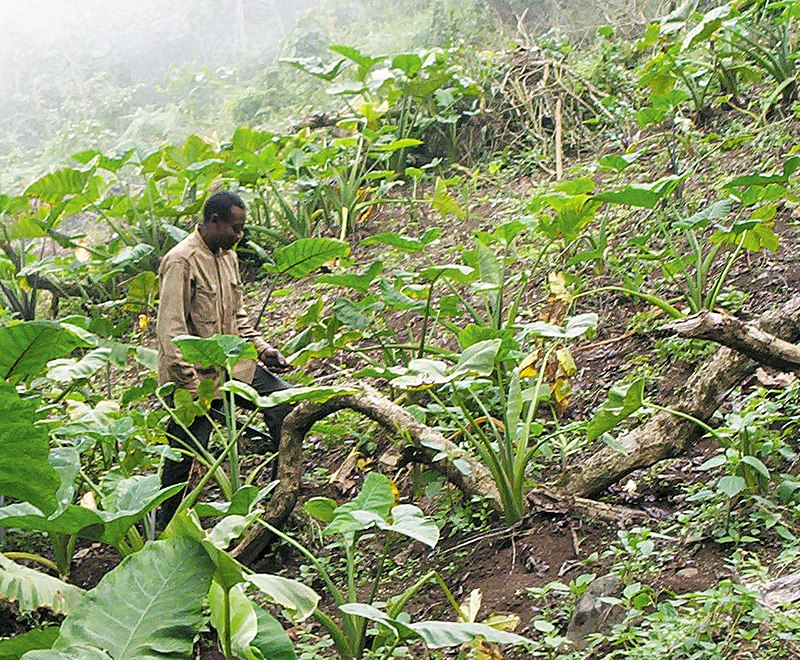
subsistence agriculture
farming which meets the basic needs of the farmer and family

Durio zibethinus
species of plants producing the Durian fruit

Psophocarpus tetragonolobus
species of plant, Winged bean

agroforestry
thumb|upright=1.35|Maize grown under Faidherbia albida and [[Borassus akeassii near Banfora, Burkina Faso ]]
Agroforestry (also known as agro-sylviculture or forest farming) is a land use management system that integrates trees with crops or pasture. It combines agricultural and forestry technologies. As a polyculture system, an agroforestry system can produce timber and wood products, fruits, nuts, other edible plant products, edible mushrooms, medicinal plants, ornamental plants, animals and animal products, and other products from both domesticated and wild species.

Sesbania
thumb|Sesbania cannabina

star fruit
thumb|Unripe carambolas on the tree
thumb|Carambola before pruning
thumb|Carambola after pruning
Carambola, also known as star fruit, is the fruit of Averrhoa carambola, a species of tree native to tropical Southeast Asia. The edible fruit has distinctive ridges running down its sides (usually 5–6). When cut in cross-section, it resembles a star, giving it the name of star fruit. The entire fruit is edible, usually raw, and may be cooked or made into relishes, preserves, garnish, and juices. It is commonly consumed in Southeast Asia, South Asia, the South Pacific, Micronesia, parts of East Asi

Dioscorea polystachya
species of plant

Oryza glaberrima
species of plant

Mammea americana
species of plant

Sorghum ×drummondii
nothospecies of plant, Sudan grass

Ensete
Ensete is a genus of monocarpic flowering plants native to tropical regions of Africa and Asia. It is one of the three genera in the banana family, Musaceae, and includes the false banana or enset (E. ventricosum), an economically important food crop in Ethiopia.

Piper aduncum
species of plant

Cereus repandus
species of plant

Dioscorea oppositifolia
species of plant, Tororo

Astrocaryum vulgare
species of plant
Vasconcellea ×heilbornii
The babaco (Vasconcellea × heilbornii; syn. Carica pentagona), is a hybrid cultivar in the genus Vasconcellea from Ecuador. It is a hybrid between Vasconcellea cundinamarcensis (syn. Carica pubescens, "mountain papaya"), and Vasconcellea stipulata (syn. Carica stipulata, "toronche") although Vasconcellea weberbaueri has also been mentioned as a contributor to the hybrid.

Musa troglodytarum
species of plant

Dracontomelon
Dracontomelon is a genus of flowering plants in the family Anacardiaceae, growing mostly in Southeast Asia and the Pacific islands. The fruit may be used in local cuisine, especially as a souring agent, including in Vietnam, where it is known as sấu.

Durio graveolens
species of plant
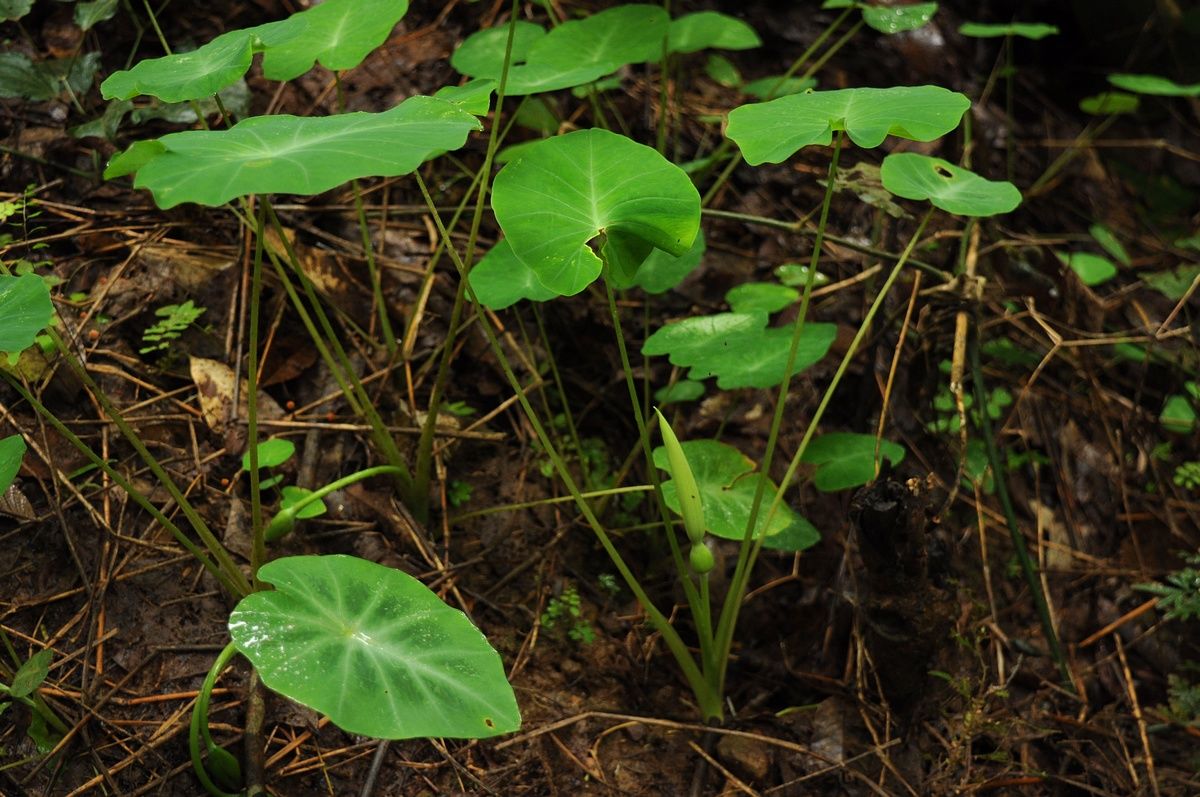
Eddoe
Eddoe or eddo (Colocasia antiquorum) is a species in the genus Colocasia. It is a tropical vegetable, closely related to taro (dasheen, Colocasia esculenta), which is primarily used for its thickened stems (corms). In most cultivars there is an acrid taste that requires careful cooking. The young leaves can also be cooked and eaten, but (unlike taro) they have a somewhat acrid taste.