Category
page 1Antidotes
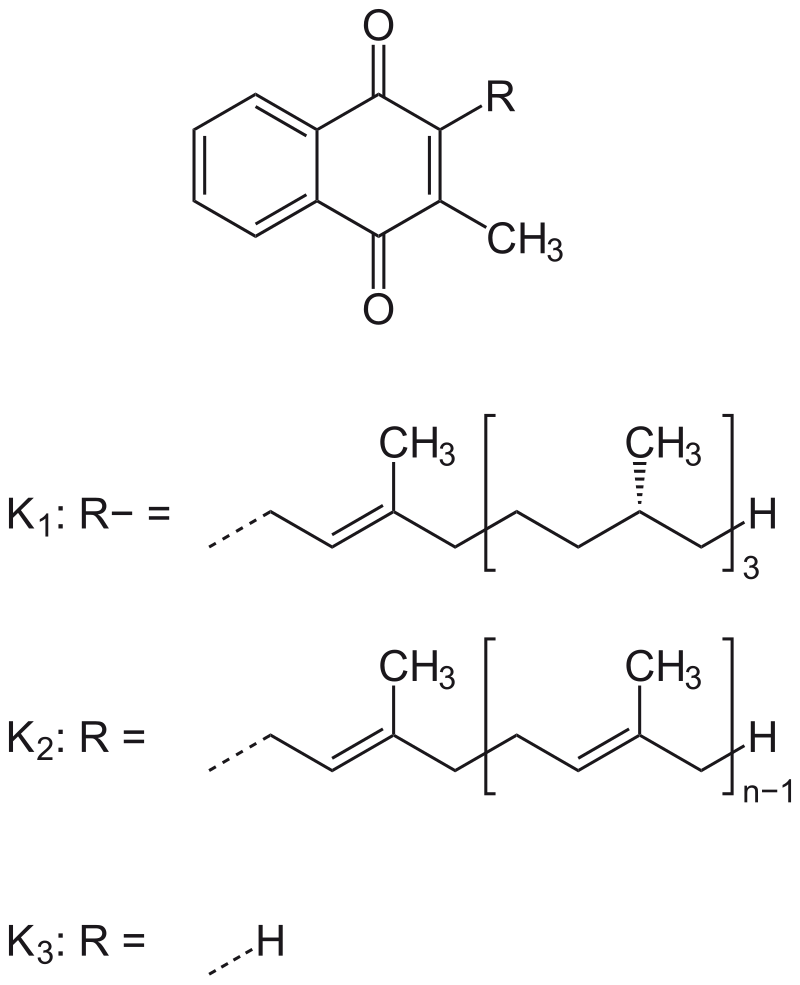
vitamin K
fat-soluble vitamins found in foods and marketed as dietary supplements

atropine
Atropine is a tropane alkaloid and anticholinergic medication used to treat certain types of nerve agent and pesticide poisonings as well as some types of slow heart rate, and to decrease saliva production during surgery. It is typically given intravenously or by injection into a muscle. Eye drops are also available which are used to treat uveitis and early amblyopia. The intravenous solution usually begins working within a minute and lasts half an hour to an hour. Large doses may be required to treat some poisonings.
antidote
An antidote is a substance that can counteract a form of poisoning. The term ultimately derives from the Greek term φάρμακον ἀντίδοτον (pharmakon antidoton), "(medicine) given as a remedy". An older term in English which is now rare is atterlothe, derived from "atter" ("poison, venom, morbid fluid"). Antidotes for anticoagulants are sometimes referred to as reversal agents.

sodium nitrite
chemical compound

edetic acid
chemical compound used for industrial and chemical purpose

methylene blue
chemical compound
sodium thiosulfate
chemical compound

naloxone
Naloxone, sold under the brand name Narcan among others, is an opioid antagonist, a medication used to reverse or reduce the effects of opioids. For example, it is used to restore breathing after an opioid overdose. Effects begin within two minutes when given intravenously, five minutes when injected into a muscle, and ten minutes as a nasal spray. Naloxone blocks the effects of opioids for 30 to 90 minutes.

N-acetyl-L-cysteine
Acetylcysteine or '''N-acetylcysteine (NAC'; not to be confused with N''-acetylcarnosine, which is also abbreviated NAC) is a mucolytic that is used to treat paracetamol (acetaminophen) overdose and to loosen thick mucus in individuals with chronic bronchopulmonary disorders, such as pneumonia and bronchitis. It has been used to treat lactobezoar in infants. It can be taken intravenously, orally (swallowed by mouth), or inhaled as a mist by use of a nebulizer. It is also sometimes used as a dietary supplement.
dimercaprol
Dimercaprol, also called British anti-Lewisite (BAL), is a medication used to treat acute poisoning by arsenic, mercury, gold, and lead. It may also be used for antimony, thallium, or bismuth poisoning, although the evidence for those uses is not very strong. It is given by injection into a muscle.
amyl nitrite
chemical compound
fomepizole
Fomepizole, also known as 4-methylpyrazole, is a medication used to treat methanol and ethylene glycol poisoning. It may be used alone or together with hemodialysis. It is given by injection into a vein.
calcium gluconate
chemical compound

flumazenil
thumb|A vial of flumazenil solution for injection

physostigmine
Physostigmine (also known as eserine from éséré, the West African name for the Calabar bean) is a highly toxic parasympathomimetic alkaloid, specifically, a reversible cholinesterase inhibitor. It occurs naturally in the Calabar bean and the fruit of the Manchineel tree.
deferoxamine
Deferoxamine (DFOA), also known as desferrioxamine and sold under the brand name Desferal, is a medication that binds iron and aluminium. It is specifically used in iron overdose, hemochromatosis either due to multiple blood transfusions or an underlying genetic condition, and aluminium toxicity in people on dialysis. It is used by injection into a muscle, vein, or under the skin.

hydroxocobalamin
Hydroxocobalamin, also known as vitamin B12a and hydroxycobalamin, is a vitamin found in food and used as a dietary supplement. As a supplement it is used to treat vitamin B12 deficiency including pernicious anemia. Other uses include treatment for cyanide poisoning, Leber's optic atrophy, and toxic amblyopia. It is given by injection into a muscle or vein, by pill or sublingually.
bromhexine
Bromhexine, sold under the brand name Bisolvon among others, is a mucolytic drug used in the treatment of respiratory disorders associated with viscid or excessive mucus. It was developed in the research laboratory of Boehringer Ingelheim in the late 1950s as an active ingredient for pharmaceutical use, patented in 1961, introduced in 1963 under the trademark of Bisolvon® and came into medical use in 1966.

poppers
Poppers are recreational drugs belonging to the alkyl nitrite family of chemical compounds. When fumes from these substances are inhaled, they act as potent vasodilators, producing mild euphoria, warmth, and dizziness. Most effects have a rapid onset and are short-acting. Its recreational use is believed to be potentially dangerous for people with heart problems, anaemia, or glaucoma. Reported adverse effects include fainting, retinal toxicity, and vision loss.
methyl nitrite
chemical compound
deferiprone
Deferiprone, sold under the brand name Ferriprox among others, is a medication that chelates iron and is used to treat iron overload in thalassaemia major. It was first approved and indicated for use in treating thalassaemia major in 1994 and had been licensed for use in the European Union for many years while awaiting approval in Canada and in the United States. On 14 October 2011, it was approved for use in the US under the FDA's accelerated approval program.
rimonabant
Rimonabant (also known as SR141716; trade names Acomplia, Zimulti) is an anorectic antiobesity drug approved in Europe in 2006 but was withdrawn worldwide in 2008 due to serious neurological and psychiatric side effects; it was never approved in the United States. Rimonabant is an inverse agonist for the cannabinoid receptor CB1 and was first-in-class.
deferasirox
Deferasirox, sold under the brand name Exjade among others, is an oral iron chelator. Its main use is to reduce chronic iron overload in patients who are receiving long-term blood transfusions for conditions such as beta-thalassemia and other chronic anemias. It is the first oral medication approved in the United States for this purpose.

silibinin A
Silibinin (INN), also known as silybin (both from Silybum, the generic name of the plant from which it is extracted), is the major active constituent of silymarin, a standardized extract of the milk thistle, containing a mixture of flavonolignans consisting of silibinin, isosilibinin, silychristin, silidianin, and others. Silibinin itself is a mixture of two diastereomers, silybin A and silybin B, in approximately equimolar ratio. Silibinin is used in pure forms as a medication, and more frequently as an active ingredient in milk thistle–derived herbal supplements.
protamine sulfate
pharmaceutical drug
Idarucizumab
Idarucizumab, sold under the brand name Praxbind, is a monoclonal antibody used as a reversal agent for dabigatran.

Nalorphine
Nalorphine (; also known as '''N-allylnormorphine; brand names Lethidrone and Nalline''') is a mixed opioid agonist–antagonist with opioid antagonist and analgesic properties. It was introduced in 1954 and was used as an antidote to reverse opioid overdose and in a challenge test to determine opioid dependence.
Alcohol
as used in medicine
ethyl nitrite
chemical compound
2,3-dimercapto-1-propanesulfonic acid
chemical compound
snake-stones
A snake-stone, also known as a '''viper's stone, snake's pearl, black stone, serpent-stone, or nagamani''' is an animal bone or stone used as folk medicine for snake bite in Africa, South America, the Indian subcontinent and Asia.
andexanet alfa
antidote of direct oral anticoagulants Apixaban and Rivaroxaban
4-dimethylaminophenol
4-Dimethylaminophenol (DMAP) is an aromatic compound containing both phenol and amine functional groups. It has the molecular formula C8H11NO.
isopropyl nitrite
chemical compound
amiphenazole
Amiphenazole (Daptazile) is a respiratory stimulant traditionally used as an antidote for barbiturate or opiate overdose, usually in combination with bemegride, as well as poisoning from other sedative drugs and treatment of respiratory failure from other causes. It was considered particularly useful as it could counteract the sedation and respiratory depression produced by morphine but with less effect on analgesia. It is still rarely used in medicine in some countries, although it has largely been replaced by more effective respiratory stimulants such as doxapram and specific opioid antagoni
butyl nitrite
chemical compound
nantenine
Nantenine is an alkaloid found in the plant Nandina domestica as well as some Corydalis species. It is an antagonist of both the α1-adrenergic receptor and the serotonin 5-HT2A receptor, and blocks both the behavioral and physiological effects of MDMA in animals.
bemegride
Bemegride, sold under the brand name Megimide among others, is a central nervous system (CNS) stimulant first manufactured in 1911, and which has been used in hypnotic overdose.
atipamezole
Atipamezole, sold under the brand name Antisedan among others, is a synthetic α2 adrenergic receptor antagonist used for the reversal of the sedative and analgesic effects of dexmedetomidine and medetomidine in dogs. Its reversal effect works by competing with the sedative for α2-adrenergic receptors and displacing them. It is mainly used in veterinary medicine, and while it is only licensed for dogs and for intramuscular use, it has been used intravenously, as well as in cats and other animals (intravenous use in cats and dogs is not recommended due to the potential for cardiovascular collaps
drinabant
Drinabant (INN; AVE-1625) is a drug that acts as a selective CB1 receptor antagonist, which was under investigation varyingly by Sanofi-Aventis as a treatment for obesity, schizophrenia, Alzheimer's disease, Parkinson's disease, and nicotine dependence. Though initially studied as a potential treatment for a variety of different medical conditions, Sanofi-Aventis eventually narrowed down the therapeutic indications of the compound to just appetite suppression. Drinabant reached phase IIb clinical trials for this purpose in the treatment of obesity but was shortly thereafter discontinued, likel
avizafone
Avizafone (Pro-Diazepam) is a water-soluble prodrug of the benzodiazepine derivative diazepam. It can be administered intramuscularly.
Template:Antidotes
Wikimedia template
Goa stone
artificial bezoar
sch-50911 free base
SCH-50911 is a selective GABAB antagonist. Its main applications are in pharmacology research.
Ro-15-4513
Ro15-4513 is a weak partial inverse agonist of the benzodiazepine class of drugs, developed by Hoffmann–La Roche in the 1980s. It acts as an inverse agonist (which acts in a similar way as a competitive antagonist). The drug has been explored as possible antidote to the sedative and cognitively impairing effects of ethanol.
uridine triacetate
chemical compound
cyclohexyl nitrite
chemical compound