Category
page 2Anxiolytics
benactyzine
Benactyzine is an anticholinergic drug that was used in the treatment of clinical depression and anxiety disorders before it was pulled from the U.S. market by the FDA due to serious side effects.
wogonin
Wogonin is an O-methylated flavone, a flavonoid-like chemical compound which is found in Scutellaria baicalensis.
alcohol
active ingredient in alcoholic beverages
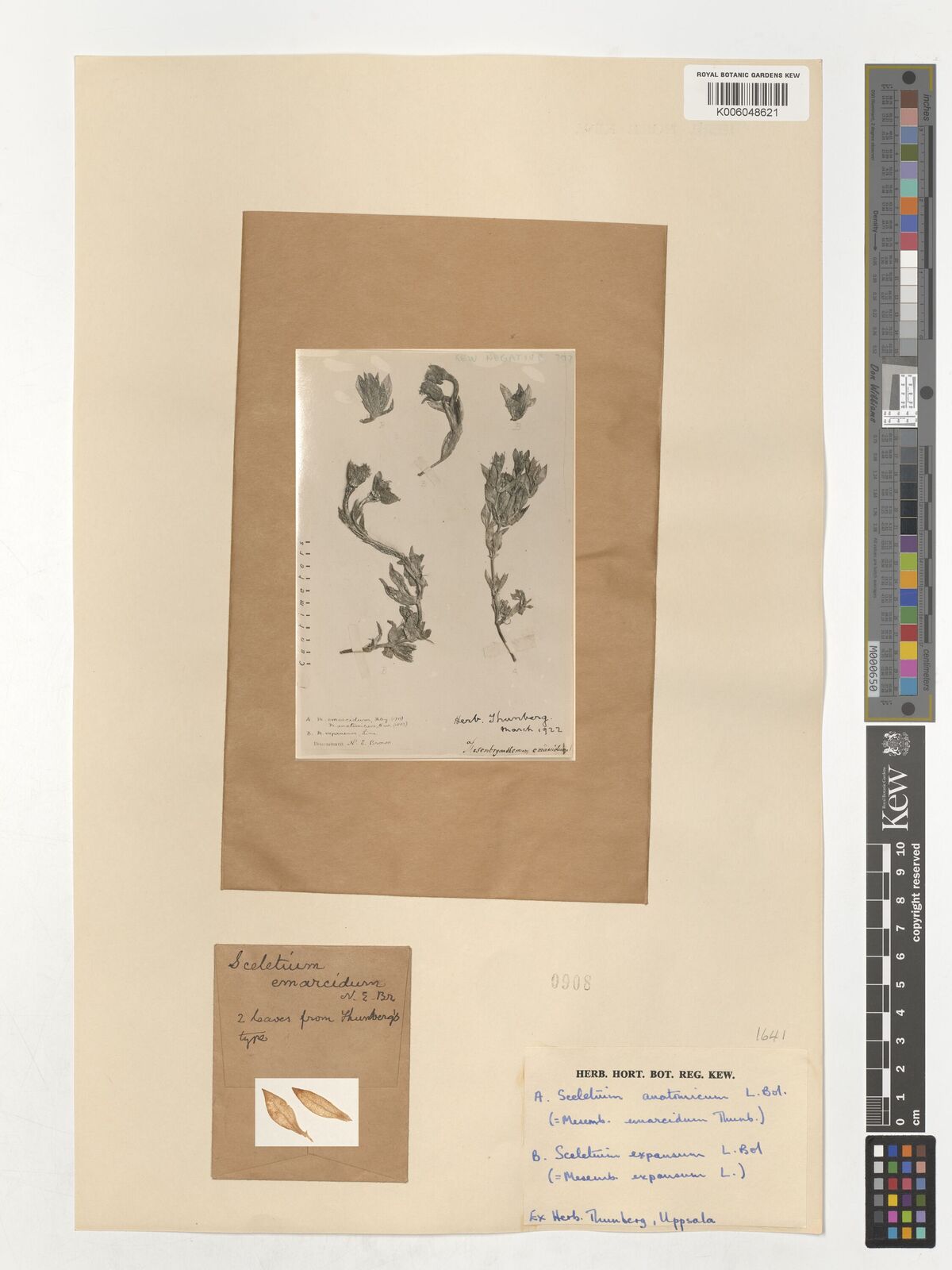
Mesembryanthemum tortuosum
species of plant
3-hydroxyphenazepam
3-Hydroxyphenazepam is a benzodiazepine with hypnotic, sedative, anxiolytic, and anticonvulsant properties. It is an active metabolite of phenazepam, as well as the active metabolite of the benzodiazepine prodrug cinazepam. Relative to phenazepam, 3-hydroxyphenazepam has diminished myorelaxant properties, but is about equivalent in most other regards. Like other benzodiazepines, 3-hydroxyphenazepam behaves as a positive allosteric modulator of the benzodiazepine site of the GABAA receptor with an EC50 value of 10.3 nM. It has been sold as a designer drug.
febarbamate
Febarbamate (INN; Solium, Tymium), also known as phenobamate, is an anxiolytic and tranquilizer of the barbiturate and carbamate families which is used in Europe by itself and as part of a combination drug formulation called tetrabamate.
captodiame
Captodiame (INN), also known as captodiamine, is an antihistamine sold under the trade names Covatine, Covatix, and Suvren which is used as a sedative and anxiolytic. The structure is related to diphenhydramine.
prothipendyl
Prothipendyl (brand names Dominal, Timovan, Tolnate), also known as azapromazine or phrenotropin, is an anxiolytic, antiemetic, and antihistamine of the azaphenothiazine group which is marketed in Europe and is used to treat anxiety and agitation in psychotic syndromes. It differs from promazine only by the replacement of one carbon atom with a nitrogen atom in the tricyclic ring system. Prothipendyl is said to not possess antipsychotic effects, and in accordance, appears to be a weaker dopamine receptor antagonist than other phenothiazines.
picamilon
Picamilon (also known as '''N-nicotinoyl-GABA, pycamilon, and pikamilon''') is a drug formed by a synthetic combination of niacin and γ-aminobutyric acid (GABA). It was developed in the Soviet Union in 1969 and further studied in both Russia and Japan as a prodrug of GABA.
pagoclone
Pagoclone is an anxiolytic agent from the cyclopyrrolone family, related to better-known drugs such as the sleeping medication zopiclone. It was synthesized by a French team working for Rhone-Poulenc & Rorer S.A. Pagoclone belongs to the class of nonbenzodiazepines, which have similar effects to the older benzodiazepine group, but with quite different chemical structures. It was never commercialised.
selank
Selank (Russian: Cеланк) is a nootropic anxiolytic peptide based drug developed by the Institute of Molecular Genetics of the Russian Academy of Sciences. Selank is a heptapeptide with the sequence Thr-Lys-Pro-Arg-Pro-Gly-Pro (TKPRPGP). It is a synthetic analogue of the human tuftsin. It was initially developed to modulate brain activity and the immune system and may help regulate neurotransmitters like serotonin and dopamine to promote cognitive stability and emotional balance.
fenobam
Fenobam is an imidazole derivative developed by McNeil Laboratories in the late 1970s as a novel anxiolytic drug with an at-the-time-unidentified molecular target in the brain. Subsequently, it was determined that fenobam acts as a potent and selective negative allosteric modulator of the metabotropic glutamate receptor subtype mGluR5, and it has been used as a lead compound for the development of a range of newer mGluR5 antagonists.
cinazepam
Nalobrazepam (), also known as cinazepam or BD-798 and sold under the brand name Levana, is an atypical benzodiazepine derivative.
benzoctamine
Benzoctamine is a drug that possesses sedative and anxiolytic properties. Marketed as Tacitin by Ciba-Geigy, it is different from most sedative drugs because in most clinical trials it does not produce respiratory depression, but actually stimulates the respiratory system. As a result, when compared to other sedative and anxiolytic drugs such as benzodiazepines like diazepam, it is a safer form of tranquilizing. However, when co-administered with other drugs that cause respiratory depression, like morphine, it can cause increased respiratory depression.
Serotonin antagonist and reuptake inhibitor
class of drugs
trimetozine
Trimetozine (Opalene, Trimolide, Trioxazine) is a sedative that has been marketed in Europe since 1959. It also has mild tranquilizing effects and has been used in the treatment of anxiety. Its mechanism of action is unclear.
brofaromine
Brofaromine (proposed brand name Consonar) is a reversible inhibitor of monoamine oxidase A (RIMA) discovered by Ciba-Geigy. The compound was primarily researched in the treatment of depression and anxiety but its development was dropped before it was brought to market.
siramesine
Siramesine (or Lu 28-179) is a sigma receptor agonist, selective for the σ2 subtype. In animal studies, siramesine has been shown to produce anxiolytic and antidepressant effects. It was developed by the pharmaceutical company H Lundbeck for the treatment of anxiety, although development was discontinued after clinical trials showed a lack of efficacy in humans. Siramesine has been shown to produce an enhanced antidepressant effect when co-administered with NMDA antagonists. It has also been used to study the σ2 activity of cocaine, and has been shown to produce anticancer properties both in v
CP 154,526
CP-154,526 is a potent and selective antagonist of the corticotropin releasing hormone receptor 1 developed by Pfizer.
Gabapentinoid
Gabapentinoids, also known as α2δ ligands, are a class of drugs that are chemically derivatives of the inhibitory neurotransmitter gamma-aminobutyric acid (GABA) (i.e., GABA analogues) which bind selectively to the α2δ protein that was first described as an auxiliary subunit of voltage-gated calcium channels (VGCCs).
oxaflozane
Oxaflozane (INN; brand name Conflictan) is an antidepressant and anxiolytic drug that was introduced by Solvay in France in 1982 for the treatment of depression but has since been discontinued. It is a prodrug of flumexadol (N-dealkyloxaflozane; 2-(3-trifluoromethylphenyl)morpholine; CERM-1841 or 1841-CERM), which is reported to act as an agonist of the serotonin 5-HT1A (pKi = 7.1) and 5-HT2C (pKi = 7.5) receptors and, to a much lesser extent, of the 5-HT2A (pKi = 6.0) receptor. In addition to its serotonergic properties, oxaflozane may also produce anticholinergic side effects at high doses,
acaprazine
Acaprazine (INN) is an anxiolytic and "adrenolytic" drug of the phenylpiperazine group that was never marketed.
baicalin
Baicalin is the glucuronide of the polyphenolic compound baicalein.
viqualine
Viqualine (INN; developmental code PK-5078) is an antidepressant and anxiolytic drug that was never marketed. It acts as a potent and selective serotonin releasing agent (SRA) and serotonin reuptake inhibitor (SRI) similarly to para-chloroamphetamine (PCA). In addition, viqualine displaces diazepam from the GABAA receptor and produces benzodiazepine-like effects, indicating that it is also a positive allosteric modulator of the benzodiazepine site of the GABAA receptor. The drug has mainly been researched as a potential treatment for alcoholism.
dihydrokavain
Dihydrokavain is one of the six major kavalactones found in the kava plant. It showed the highest systemic exposure among all six major kavalactones tested, indicating it may play a central role in kava's pharmacological effects in humans. The anxiolytic effects of kava are primarily attributed to dihydrokavain.
honokiol
Honokiol is a lignan isolated from the bark, seed cones, and leaves of trees belonging to the genus Magnolia. It has been identified as one of the chemical compounds in some traditional Eastern herbal medicines along with magnolol, 4-O-methylhonokiol, and obovatol.
etazolate
Etazolate (SQ-20,009, EHT-0202) is an anxiolytic drug which is a pyrazolopyridine derivative and has unique pharmacological properties. It acts as a positive allosteric modulator of the GABAA receptor at the barbiturate binding site, as an adenosine antagonist of the A1 and A2 subtypes, and as a phosphodiesterase inhibitor selective for the PDE4 isoform. It is currently in clinical trials for the treatment of Alzheimer's disease.
saredutant
Saredutant (SR-48,968) is a drug that acts as a NK2 receptor antagonist. It was under development by Sanofi-Aventis as a novel antidepressant and anxiolytic and made it to phase III clinical trials. However, in May 2009, Sanofi-Aventis published its quarterly results and announced the cessation of 14 research/development projects, among which was saredutant for the treatment of major depressive disorder.
lorpiprazole
Lorpiprazole (INN; brand name Normarex) is an anxiolytic drug of the phenylpiperazine group. It has been described as a serotonin antagonist and reuptake inhibitor (SARI) in the same group as trazodone, nefazodone, and etoperidone.
emylcamate
Emylcamate (marketed as Striatran by Merck) is an anxiolytic and muscle relaxant. It was patented in the US in 1961 (US Patent 2,972,564) and advertised for the treatment of anxiety and tension. It was claimed to be superior to meprobamate, which would eventually replace emylcamate.
tracazolate
Tracazolate (ICI-136,753) is an anxiolytic drug which is used in scientific research. It is a pyrazolopyridine derivative, most closely related to pyrazolopyrimidine drugs such as zaleplon, and is one of a structurally diverse group of drugs known as the nonbenzodiazepines which act at the same receptor targets as benzodiazepines but have distinct chemical structures.
FGIN-127
FGIN-1-27 is an anxiolytic drug which acts as a selective agonist at the peripheral benzodiazepine receptor, also known as the mitochondrial 18 kDa translocator protein or TSPO. It is thought to produce anxiolytic effects by stimulating steroidogenesis of neuroactive steroids such as allopregnanolone.
pipequaline
Pipequaline (INN; development code PK-8165) is an anxiolytic drug that was never marketed. It possesses a novel chemical structure that is not closely related to other drugs of this type. The drug has a similar pharmacological profile to the benzodiazepine family of drugs, but with mainly anxiolytic properties and very little sedative, amnestic or anticonvulsant effects, and so is classified as a nonbenzodiazepine anxiolytic.
amdiglurax
Amdiglurax (), also known by its former developmental code names ALTO-100 and NSI-189 (short for "NeuralStem Inc. 189"), is a drug described as a hippocampal neurogenesis stimulant and indirect brain-derived neurotrophic factor (BDNF) modulator which is under development for the treatment of major depressive disorder (MDD), bipolar depression, and post-traumatic stress disorder (PTSD). There has also been interest in amdiglurax for possible treatment of cognitive impairment and neurodegeneration. It is taken by mouth.
TP-13
TP-13 is an anxiolytic drug with a novel chemical structure, which is used in scientific research. It has similar effects to benzodiazepine drugs, but is structurally distinct and so is classed as a nonbenzodiazepine anxiolytic. It is a subtype-selective partial agonist at GABAA receptors, binding selectively to GABAA receptor complexes bearing α2 and α3 subunits. It has modest anticonvulsant activity although less than that of diazepam, and its main effect is likely to be selective anxiolytic action, as seen with other related α2/3-preferring agonists such as L-838,417.
abecarnil
Abecarnil (developmental code name ZK-112,119) is an anxiolytic drug from the β-carboline family. It is one of a relatively recently developed class of medicines known as the nonbenzodiazepines, which have similar effects to the older benzodiazepine group, but with quite different chemical structures. It is a partial agonist acting selectively at the benzodiazepine site of the GABAA receptor.
L-838417
L-838,417 is an anxiolytic drug used in scientific research. It has similar effects to benzodiazepine drugs, but is structurally distinct and so is classed as a nonbenzodiazepine anxiolytic. The compound was developed by Merck, Sharp and Dohme.
antalarmin
Antalarmin (CP-156,181) is a drug that acts as a CRH1 antagonist.
ICI-190,622
ICI-190,622 is an anxiolytic drug used in scientific research. It is a pyrazolopyridine derivative, related to other anxiolytic compounds such as tracazolate, and more distantly to zaleplon. It has similar effects to benzodiazepine drugs, but is structurally distinct and so is classed as a nonbenzodiazepine anxiolytic.
tolpiprazole
Tolpiprazole (INN, BAN) (developmental code name H-4170) is an anxiolytic drug of the phenylpiperazine group that was never marketed.
enpiprazole
Enpiprazole (INN, BAN) is an anxiolytic drug of the phenylpiperazine group that was never marketed. It produces anxiolytic-like effects in animals, though these effects appear to be biphasic and may reverse at high doses. It is known to produce ortho-chlorophenylpiperazine (oCPP) as a metabolite.
Mebicar
Temgicoluril (), also known as tetramethylglycoluril and sold under the brand names Adaptol and Mebicar, is an anxiolytic medication produced by Latvian pharmaceutical company Olainfarm and sold in Latvia and Russia.
divaplon
Divaplon (RU-32698) is a nonbenzodiazepine, anxiolytic and anticonvulsant drug from the imidazopyrimidine family of drugs. It acts as a partial agonist at the "benzodiazepine site" of the GABAA receptor in the brain.
RWJ-51204
RWJ-51204 is an anxiolytic drug used in scientific research. It has similar effects to benzodiazepine drugs, but is structurally distinct and so is classed as a nonbenzodiazepine anxiolytic.
mebutamate
Mebutamate (Capla, Dormate) is an anxiolytic and sedative drug with antihypertensive effects of the carbamate class. It has effects comparable to those of barbiturates such as secobarbital, but is only around 1/3 the potency of secobarbital as a sedative. Side effects include dizziness and headaches.
panadiplon
Panadiplon (U-78875) is an anxiolytic drug with a novel chemical structure that is not closely related to other drugs of this type. It has a similar pharmacological profile to the benzodiazepine family of drugs, but with mainly anxiolytic properties and relatively little sedative or amnestic effect, and so is classified as a nonbenzodiazepine anxiolytic.
prazitone
Prazitone (, ; developmental code name AGN-511) is a barbiturate derivative described as an antidepressant which was developed in the 1960s. Unlike most barbiturates, it has little or no sedative effects, instead acting as a non-sedating anxiolytic and antidepressant. The dosage range in humans is around 200–600 mg, although higher doses have been used in trials for the treatment of depression associated with Parkinson's disease.
3β-androstanediol
3β-Androstanediol, also known as 5α-androstane-3β,17β-diol, and sometimes shortened in the literature to 3β-diol, is an endogenous steroid hormone and a metabolite of androgens like dehydroepiandrosterone (DHEA) and dihydrotestosterone (DHT).
Cloniprazepam
thumb|Metabolic pathway of cloniprazepam
emoxypine
Emoxypine (2-ethyl-6-methyl-3-hydroxypyridine), also known as Mexidol or Mexifin, a succinate salt, is chemical compound which is claimed by its manufacturer, the Russian company Pharmasoft Pharmaceuticals, to have antioxidant and actoprotector properties, but these purported properties of emoxypine have not been proven. Its chemical structure resembles that of pyridoxine (a type of vitamin B6).