Category
page 2Antidepressants

minaprine
Minaprine (INN, USAN, BAN; brand names Brantur, Cantor) is a monoamine oxidase inhibitor antidepressant drug that was used in France for the treatment of depression until it was withdrawn from the market in 1996 because it caused convulsions.
medifoxamine
Medifoxamine, previously sold under the brand names Clédial and Gerdaxyl, is an atypical antidepressant with additional anxiolytic properties acting via dopaminergic and serotonergic mechanisms which was formerly marketed in France and Spain, as well as Morocco. The drug was first introduced in France sometime around 1990. It was withdrawn from the market in 1999 (Morocco) and 2000 (France) following incidences of hepatotoxicity.
levosulpiride
Levosulpiride, sold under the brand names Dislep and Sulpepta among others, is a dopamine antagonist medication which is used in the treatment of psychotic disorders like schizophrenia, major depressive disorder, nausea and vomiting, and gastroparesis. It is taken by mouth.
pirlindole
Pirlindole, sold under the brand names Lifril and Pyrazidol, is mainly a reversible inhibitor of monoamine oxidase A (RIMA) and secondly a serotonin–norepinephrine reuptake inhibitor (SNRI) which was developed and is used in Russia as an antidepressant. It is structurally and pharmacologically related to metralindole.
metralindole
Metralindole (Inkazan) is a reversible inhibitor of monoamine oxidase A (RIMA) which was investigated in Russia as a potential antidepressant. It is structurally and pharmacologically related to pirlindole.
gepirone
Gepirone, sold under the brand name Exxua, is a medication used for the treatment of major depressive disorder. It is taken orally.

mesocarb
Mesocarb, sold under the brand name Sidnocarb or Sydnocarb and known by the developmental code name MLR-1017, is a psychostimulant medication which has been used in the treatment of psychiatric disorders and for a number of other indications in the Soviet Union and Russia. It is currently under development for the treatment of Parkinson's disease and sleep disorders. It is taken by mouth.
etoperidone
Etoperidone, associated with several brand names, is an atypical antidepressant which was developed in the 1970s and either is no longer marketed or was never marketed. It is a phenylpiperazine related to trazodone and nefazodone in chemical structure and is a serotonin antagonist and reuptake inhibitor (SARI) similarly to them.
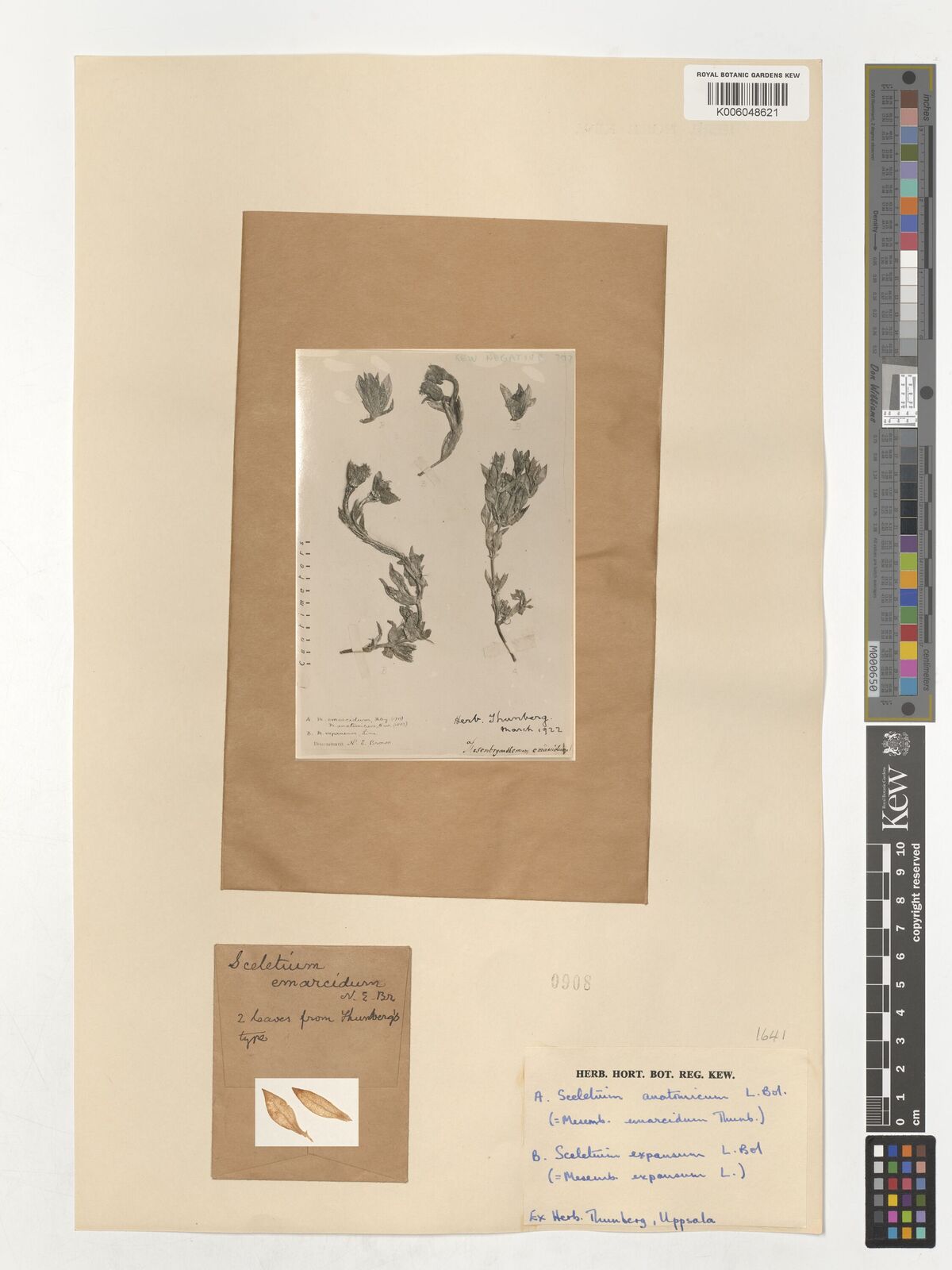
Mesembryanthemum tortuosum
species of plant
alaproclate
Alaproclate (developmental code name GEA-654) is a drug that was being developed as an antidepressant by the Swedish pharmaceutical company Astra AB (now AstraZeneca) in the 1970s.
zuranolone
thumb|This is the Japanese blister pack (PTP sheet) for Zurzuvae.
flurothyl
Flurothyl (formerly under the trade name Indoklon) (IUPAC names: 1,1,1-trifluoro-2-(2,2,2-trifluoroethoxy)ethane or bis(2,2,2-trifluoroethyl) ether) is a volatile liquid drug from the halogenated ether family, related to inhaled anaesthetic agents such as diethyl ether and sevoflurane, but having the opposite effects, acting as a stimulant and convulsant. A clear and stable liquid, it has a mild ethereal odor whose vapors are non-flammable. It is excreted from the body by the lungs in an unchanged state.
indalpine
Indalpine, sold under the brand name Upstène, is a selective serotonin reuptake inhibitor (SSRI) that was briefly marketed as an antidepressant for treatment of depression. It was marketed in France and a few other European countries.
Indeloxazine
Indeloxazine (INN; trade names Elen and Noin) is an antidepressant and cerebral activator that was marketed in Japan and South Korea by Yamanouchi Pharmaceutical Co., Ltd for the treatment of psychiatric symptoms associated with cerebrovascular diseases, namely depression resulting from stroke, emotional disturbance, and avolition. It was marketed from 1988 to 1998, when it was removed from the market reportedly for lack of effectiveness.
Mycobacterium vaccae
species of bacterium
hematoporphyrin
Hematoporphyrin (Photodyn, Sensibion) is a porphyrin prepared from hemin. It is a derivative of protoporphyrin IX, where the two vinyl groups have been hydrated (converted to alcohols). It is a deeply colored solid that is usually encountered as a solution. Its chemical structure was determined in 1900.
bifemelane
Bifemelane (INN), sold under the brand names Alnert and Celeport, is an antidepressant and cerebral activator that was widely used in the treatment of cerebral infarction patients with depressive symptoms in Japan, and in the treatment of dementia as well. It also appears to be useful in the treatment of glaucoma. It has been discontinued in Japan since 1998, when it was removed from the market reportedly for lack of effectiveness.
Serotonin antagonist and reuptake inhibitor
class of drugs
Dimethazan
Dimethazan (Elidin) is a stimulant drug of the xanthine class related to caffeine and theophylline. It also has tranquilizing and respiratory-stimulating effects and has been sold as an antidepressant.
zometapine
Zometapine (CI-781) is an antidepressant drug which is a pyrazolodiazepine derivative. Its molecular structure closely resembles thienodiazepines and is unrelated to other antidepressant drug classes.
viqualine
Viqualine (INN; developmental code PK-5078) is an antidepressant and anxiolytic drug that was never marketed. It acts as a potent and selective serotonin releasing agent (SRA) and serotonin reuptake inhibitor (SRI) similarly to para-chloroamphetamine (PCA). In addition, viqualine displaces diazepam from the GABAA receptor and produces benzodiazepine-like effects, indicating that it is also a positive allosteric modulator of the benzodiazepine site of the GABAA receptor. The drug has mainly been researched as a potential treatment for alcoholism.
lortalamine
Lortalamine (LM-1404) is an antidepressant which was synthesized in the early 1980s. It acts as a potent and highly selective norepinephrine reuptake inhibitor. Lortalamine was under development for clinical use but was shelved, likely due to the finding that it produced ocular toxicity in animals. It has been used to label the norepinephrine transporter in positron emission tomography studies.
neurobiological effects of physical exercise
neural, cognitive, and behavioral effects of physical exercise
tofenacin
Tofenacin is an antidepressant drug with a tricyclic-like structure which was developed and marketed in the United Kingdom and Italy in 1971 and 1981, respectively, by Brocades-Stheeman & Pharmacia (now part of Astellas Pharma). It acts as a serotonin-norepinephrine reuptake inhibitor, and based on its close relation to orphenadrine, may also possess anticholinergic and antihistamine properties. Tofenacin is also the major active metabolite of orphenadrine and likely plays a role in its beneficial effects against depressive symptoms seen in Parkinson's disease patients.
teniloxazine
Teniloxazine (Lucelan, Metatone), also known as sufoxazine and sulfoxazine, is a drug which is marketed in Japan. Though initially investigated as a neuroprotective and nootropic agent for the treatment of cerebrovascular insufficiency in the 1980s, it was ultimately developed and approved as an antidepressant instead. It acts as a potent norepinephrine reuptake inhibitor, with fair selectivity over the serotonin and dopamine transporters, and also behaves as an antagonist of the 5-HT2A receptor.
nisoxetine
Nisoxetine (developmental code name LY-94939), originally synthesized in the Lilly research laboratories during the early 1970s, is a potent and selective inhibitor for the reuptake of norepinephrine (noradrenaline) into synapses. It currently has no clinical applications in humans, although it was originally researched as an antidepressant. Nisoxetine is now widely used in scientific research as a standard selective norepinephrine reuptake inhibitor. It has been used to research obesity and energy balance, and exerts some local analgesia effects.
2,5-dimethoxy-4-ethylamphetamine
DOET, also known as 4-ethyl-2,5-dimethoxyamphetamine or as Hecate, is a psychedelic drug of the phenethylamine, amphetamine, and DOx families. It is closely related to DOM and is a synthetic analogue of the naturally occurring phenethylamine psychedelic mescaline. The drug is the derivative of DOM in which the methyl group at the 4 position has been replaced with a ethyl group. It is taken orally. DOET has a slow onset of 1 to 3hours, a delayed peak of 3 to 5hours, and a dose-dependent and potentially very long duration of 5 to 20hours.
radafaxine
Radafaxine (developmental code GW-353,162; also known as '(2S,3S)-hydroxybupropion or (S,S)-hydroxybupropion') is a norepinephrine–dopamine reuptake inhibitor (NDRI) which was under development by GlaxoSmithKline in the 2000s for a variety of different indications but was never marketed. These uses included treatment of restless legs syndrome, major depressive disorder, bipolar disorder, neuropathic pain, fibromyalgia, and obesity. Regulatory filing was planned for 2007, but development was discontinued in 2006 due to "poor test results".
brofaromine
Brofaromine (proposed brand name Consonar) is a reversible inhibitor of monoamine oxidase A (RIMA) discovered by Ciba-Geigy. The compound was primarily researched in the treatment of depression and anxiety but its development was dropped before it was brought to market.
oxaflozane
Oxaflozane (INN; brand name Conflictan) is an antidepressant and anxiolytic drug that was introduced by Solvay in France in 1982 for the treatment of depression but has since been discontinued. It is a prodrug of flumexadol (N-dealkyloxaflozane; 2-(3-trifluoromethylphenyl)morpholine; CERM-1841 or 1841-CERM), which is reported to act as an agonist of the serotonin 5-HT1A (pKi = 7.1) and 5-HT2C (pKi = 7.5) receptors and, to a much lesser extent, of the 5-HT2A (pKi = 6.0) receptor. In addition to its serotonergic properties, oxaflozane may also produce anticholinergic side effects at high doses,
fluacizine
Fluacizine, sold under the brand name Phtorazisin, is a tricyclic antidepressant (TCA) of the phenothiazine group which is or was marketed in Russia. Unlike other phenothiazines, fluacizine is not an antipsychotic, and can actually reverse catalepsy and extrapyramidal symptoms induced by antidopaminergic agents like antipsychotics, reserpine, and tetrabenazine as well as potentiate amphetamine-induced stereotypy. It is known to act as a norepinephrine reuptake inhibitor, antihistamine, and anticholinergic. The drug was developed in the 1960s and was marketed in the 1970s. It is the trifluorome
Atypical antidepressant
class of antidepressant medication
daledalin
Daledalin (UK-3557-15) is an antidepressant which was synthesized and trialed for depression in the early 1970s, but was never marketed. It is a selective norepinephrine reuptake inhibitor, with no significant effects on the reuptake of serotonin and dopamine, and no antihistamine or anticholinergic properties.
amedalin
Amedalin (UK-3540-1) is an antidepressant which was synthesized in the early 1970s but was never marketed. It is a selective norepinephrine reuptake inhibitor, with no significant effects on the reuptake of serotonin and dopamine, and no antihistamine or anticholinergic properties.
litoxetine
Litoxetine (developmental code names SL 81-0385, IXA-001) is an antidepressant which was under clinical development for the treatment of depression in the early 1990s but was never marketed. It acts as a potent serotonin reuptake inhibitor (Ki for = 7 nM) and modest 5-HT3 receptor antagonist (Ki = 315 nM). It has antiemetic activity, and unlike the selective serotonin reuptake inhibitors (SSRIs), appears to have a negligible incidence of nausea and vomiting. The drug is structurally related to indalpine. Development of litoxetine for depression was apparently ceased in the late 1990s
imafen
Imafen (R25540) is an antidepressant which was patented in the mid-1970s by Janssen, but was never marketed.
eclanamine
Eclanamine (U-48,753) is a drug which was patented as an antidepressant, but was never marketed. It acts by inhibiting the reuptake of serotonin and norepinephrine.
esuprone
Esuprone is an experimental drug candidate being investigated as an antidepressant. It acts as a monoamine oxidase A (MAO-A) inhibitor.
honokiol
Honokiol is a lignan isolated from the bark, seed cones, and leaves of trees belonging to the genus Magnolia. It has been identified as one of the chemical compounds in some traditional Eastern herbal medicines along with magnolol, 4-O-methylhonokiol, and obovatol.
thiazesim
Tiazesim (), or thiazesim (, ), previously sold under the brand name Altinil, is a heterocyclic antidepressant related to the tricyclic antidepressants (TCAs) which, introduced in 1966 by Squibb Corporation (now Bristol-Myers Squibb), has since been discontinued and is no longer marketed.
tedatioxetine
Tedatioxetine (developmental code name Lu AA24530) is an experimental antidepressant developed by H. Lundbeck A/S for the treatment of major depressive disorder (MDD) and generalized anxiety disorder (GAD). It acts as a triple reuptake inhibitor (TRI) with preference for serotonin and norepinephrine over dopamine, and as an antagonist at 5-HT2A, 5-HT2C, 5-HT3, and α1A-adrenergic receptors. In 2007 Lundbeck and Takeda entered into a partnership that included tedatioxetine but was focused on another, more advanced Lundbeck drug candidate, vortioxetine.
lorpiprazole
Lorpiprazole (INN; brand name Normarex) is an anxiolytic drug of the phenylpiperazine group. It has been described as a serotonin antagonist and reuptake inhibitor (SARI) in the same group as trazodone, nefazodone, and etoperidone.
thozalinone
Thozalinone (USAN) (brand name Stimsen; former developmental code name CL-39808) is a psychostimulant that has been used as an antidepressant in Europe. It has also been trialed as an anorectic. Thozalinone is described as a "dopaminergic stimulant", and likely acts via inducing the release of dopamine and to a minimal extent norepinephrine; similar to analogue pemoline, it is reportedly devoid of abuse potential unlike most other dopaminergic psychostimulants.
eprobemide
Eprobemide (INN) is a pharmaceutical drug that was used as an antidepressant in Russia (under the brand name Бефол/Befol). It is a non-competitive reversible inhibitor of monoamine oxidase A that exhibits selective action on serotonin deamination. Eprobemide differs from moclobemide only in the linker that connects the morpholine fragment with the chlorobenzamide — moclobemide has two carbon atoms while eprobemide has three. Its registration was cancelled on December 30, 2003.
clofexamide
Clofexamide (or amichlophene) is an antidepressant that was a component of the drug combination clofezone, the other being the nonsteroidal anti-inflammatory drug (NSAID) phenylbutazone. Clofezone was used to treat joint and muscular pain, but is not marketed any more.
pivagabine
Pivagabine (INN; brand name Tonerg), also known as '''N-pivaloyl-γ-aminobutyric acid or N-pivaloyl-GABA''', is an antidepressant and anxiolytic drug which was introduced in Italy in 1997 for the treatment of depressive and maladaptive syndromes. But it was discontinued in Italy (according to Martindale). Originally believed to function as a prodrug to GABA, pivagabine is now believed to act somehow via modulation of corticotropin-releasing factor (CRF).
traxoprodil
Traxoprodil (developmental code name CP-101606) is a drug developed by Pfizer which acts as an NMDA antagonist, selective for the NR2B subunit. It has neuroprotective, analgesic, and anti-Parkinsonian effects in animal studies. Traxoprodil has been researched in humans as a potential treatment to lessen the damage to the brain after stroke, but results from clinical trials showed only modest benefit. The drug was found to cause EKG abnormalities (QT prolongation) and its clinical development was stopped. More recent animal studies have suggested traxoprodil may exhibit rapid-acting antidepress
femoxetine
Femoxetine (INN; tentative brand name Malexil; developmental code name FG-4963) is a drug related to paroxetine that was being developed as an antidepressant by Danish pharmaceutical company Ferrosan in 1975 before acquisition of the company by Novo Nordisk. It acts as a selective serotonin reuptake inhibitor (SSRI). Development was halted to focus attention on paroxetine instead, as femoxetine could not be administered as a daily pill.
Bupropion/dextromethorphan
Dextromethorphan/bupropion (DXM/BUP), sold under the brand name Auvelity, is a combination medication for the treatment of major depressive disorder (MDD). Its active components are dextromethorphan (DXM) and bupropion. Patients who stayed on the medication had an average of 11% greater reduction in depressive symptoms than placebo in an FDA approval trial. It is taken as a tablet by mouth.
nemifitide
Nemifitide (INN-00835) is a novel antidepressant drug with a pentapeptide structure similar to that of melanocyte-inhibiting factor (MIF-1) and the amino acid sequence 4-F-Phe-4-OH-Pro-Arg-Gly-Trp-NH2. It is under development by Tetragenex (previously Innapharma, Inc.) for the treatment of major depressive disorder. It has been given to over 430 people over the course of 12 clinical trials throughout a little over the past decade and has reached Phase III studies, but has not yet been approved for marketing in any country.
domoxin
Domoxin (INN) is a hydrazine derivative monoamine oxidase inhibitor (MAOI) antidepressant which was never marketed.
lubazodone
Lubazodone (developmental code names YM-992, YM-35995) is an experimental antidepressant which was under development by Yamanouchi for the treatment for major depressive disorder in the late 1990s and early 2000s but was never marketed. It acts as a serotonin reuptake inhibitor (Ki for = 21 nM) and 5-HT2A receptor antagonist (Ki = 86 nM), and hence has the profile of a serotonin antagonist and reuptake inhibitor (SARI). The drug has good selectivity against a range of other monoamine receptors, with its next highest affinities being for the α1-adrenergic receptor (Ki = 200 nM) a
talsupram
Talsupram (Lu 5-005 or Lu 5-003) is a selective norepinephrine reuptake inhibitor (NRI) which was investigated as an antidepressant in the 1960s and 1970s but was never marketed. Along with talopram, it is structurally related to the selective serotonin reuptake inhibitor (SSRI) citalopram.
Phenylpropylaminopentane
1-Phenyl-2-propylaminopentane (PPAP), also known as 'α,N-dipropylphenethylamine (DPPEA) and by the developmental code name MK-306', is an experimental drug related to selegiline which acts as a catecholaminergic activity enhancer (CAE).
benzofuranylpropylaminopentane
(–)-Benzofuranylpropylaminopentane (BPAP; developmental code name FPFS-1169) is an experimental drug related to selegiline which acts as a monoaminergic activity enhancer (MAE). It is orally active in animals.
talopram
Talopram (Lu 3-010), also known as phthalapromine, is a selective norepinephrine reuptake inhibitor (NRI) which was researched for the management of depression in the 1960s and 1970s but was never commercialized. Along with talsupram, talopram is structurally related to the selective serotonin reuptake inhibitor (SSRI) citalopram, as well as to melitracen:
edivoxetine
Edivoxetine (INN; code name LY-2216684) is a drug which acts as a selective norepinephrine reuptake inhibitor and was under development by Eli Lilly for attention-deficit disorder (ADD) and as an antidepressant treatment. It was in phase III clinical trials in 2012 for major depressive disorder, but failed to get approval.
prazitone
Prazitone (, ; developmental code name AGN-511) is a barbiturate derivative described as an antidepressant which was developed in the 1960s. Unlike most barbiturates, it has little or no sedative effects, instead acting as a non-sedating anxiolytic and antidepressant. The dosage range in humans is around 200–600 mg, although higher doses have been used in trials for the treatment of depression associated with Parkinson's disease.
pirisudanol
Pirisudanol (Mentis, Menthen, Mentium, Nadex, Nadexen, Nadexon, Pridana, Stivane), also known as pyrisuccideanol, is the succinic acid ester of pyridoxine (a form of vitamin B6) and of deanol (DMAE). It has been used in Europe in the treatment of mild cognitive impairment as well as fatigue and depression.
==Synthesis==
Pirisudanol is synthesized by the following method:
class=skin-invert-image|center|500px
Cyclic ketal formation between pyridoxine [33605-94-6] HCl: [58-56-0] (1) and acetone resulted in alpha4,3-O-Isopropylidene Pyridoxine [1136-52-3] (2). In the other arm of the synthesis suc
cilobamine
Cilobamine is a drug which acts as a norepinephrine-dopamine reuptake inhibitor (NDRI) and has stimulant and antidepressant effects.