Category
page 1General anesthetics

xenon
Xenon is a chemical element; it has symbol Xe and atomic number 54. It is a dense, colorless, odorless noble gas found in Earth's atmosphere in trace amounts. Although generally unreactive, it can undergo a few chemical reactions such as the formation of xenon hexafluoroplatinate, the first noble gas compound to be synthesized.

Hyoscyamus niger
species of plant

ethylene
Ethylene (IUPAC name: ethene) is a hydrocarbon which has the formula or . It is a colourless, flammable gas with a faint "sweet and musky" odour when pure. It is the simplest alkene (a hydrocarbon with carbon–carbon double bonds).

(RS)-ketamine
Ketamine is a cyclohexanone-derived general anesthetic and NMDA receptor antagonist with analgesic and hallucinogenic properties, used medically for anesthesia, depression, and pain management. Ketamine exists as its two enantiomers, S- (esketamine) and R- (arketamine), and has antidepressant action likely involving other mechanisms in addition to NMDA antagonism.
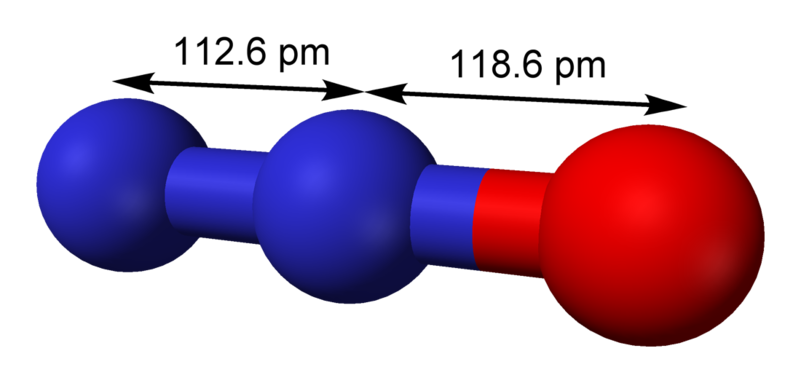
nitrous oxide
chemical compound

diethyl ether
chemical compound

fentanyl
Fentanyl is a highly potent synthetic opioid of the piperidine family, used primarily as pain medication. It is 50 to 100 times more potent than morphine. Its primary clinical use is in pain management for cancer patients and those recovering from surgery. Fentanyl is also used as a sedative for intubated patients. Fentanyl has a short duration of action. Fentanyl works by activating μ-opioid receptors. Brand names include Actiq, Duragesic, and Sublimaze, among others.

propofol
Propofol is the active component of an intravenous anesthetic formulation used for induction and maintenance of general anesthesia. The formulation was approved under the brand name Diprivan. Numerous generic versions have since been released. Intravenous administration is used to induce unconsciousness, after which anesthesia may be maintained using a combination of medications. It is manufactured as part of a sterile injectable emulsion formulation using soybean oil and lecithin, giving it a white milky coloration.

cyclopropane
Cyclopropane is the cycloalkane with the molecular formula (CH2)3, consisting of three methylene groups (CH2) linked to each other to form a triangular ring. The small size of the ring creates substantial ring strain in the structure. Cyclopropane itself is mainly of theoretical interest, but many cyclopropane derivatives are of commercial or biological significance.
.jpg)
phencyclidine

4-hydroxybutyric acid
chemical compound
sulfur hexafluoride
chemical compound, non-toxic, climate-damaging gas

halothane
Halothane (bromochlorotrifluoroethane), sold under the brand name Fluothane among others, is a halocarbon with the chemical formula . It is used as a general anaesthetic given by inhalation. It can be used to induce or maintain anaesthesia. Its use in developed countries has been mostly replaced by newer anesthetic agents such as sevoflurane. One of its benefits is that it does not increase the production of saliva, which can be particularly useful in those who are difficult to intubate.

chloroethane
Chloroethane, commonly known as ethyl chloride, is a chemical compound with chemical formula CH3CH2Cl, once widely used in producing tetraethyllead, a gasoline additive. It is a colorless, flammable gas or refrigerated liquid with a faintly sweet odor.

trichloroethene
Trichloroethylene (TCE, IUPAC name: trichloroethene) is an organochloride with the formula C2HCl3, commonly used as an industrial degreaser. It is a clear, colourless, non-flammable, volatile liquid with a sweet chloroform-like pleasant mild smell and burning sweet taste. Trichloroethylene has been sold under a variety of trade names. Under the trade names Trimar and Trilene, it was used as a volatile anesthetic and as an inhaled obstetrical analgesic. Industrial abbreviations include trichlor, Trike, Tricky and tri. It should not be confused with the similar 1,1,1-trichloroethane, which was c
sodium thiopental
group of stereiosimers
isoflurane
Isoflurane, sold under the brand name Forane among others, is a halogenated ether used as a general anesthetic. It can be used to start or maintain anesthesia; however, other medications are often used to start anesthesia, due to airway irritation with isoflurane. Isoflurane is a inhalational anesthetic given via inhalation.

norflurane
1,1,1,2-Tetrafluoroethane (also known as norflurane (INN), R-134a, Klea 134a, Freon 134a, Forane 134a, Genetron 134a, Green Gas, Florasol 134a, Suva 134a, HFA-134a, or HFC-134a) is a hydrofluorocarbon (HFC) and haloalkane refrigerant with thermodynamic properties similar to R-12 (dichlorodifluoromethane) but with insignificant ozone depletion potential and a lower 100-year global warming potential (1,430, compared to R-12's GWP of 10,900). It has the formula CFCHF and a boiling point of −26.3 °C (−15.34 °F) at atmospheric pressure. R-134a cylinders are colored light blue. A phaseout
sevoflurane
Sevoflurane, sold under the brand name Sevorane, among others, and informally known as sevo, is a sweet-smelling, nonflammable, highly fluorinated methyl isopropyl ether used as an inhalational anaesthetic for induction and maintenance of general anesthesia. After desflurane, it is the volatile anesthetic with the fastest onset. While its offset may be faster than agents other than desflurane in a few circumstances, its offset is more often similar to that of the much older agent isoflurane. While sevoflurane is only half as soluble as isoflurane in blood, the tissue blood partition coefficien

etomidate
Etomidate, sold under the brand name Amidate, is a short-acting intravenous anaesthetic agent used for the induction of general anaesthesia and sedation for short procedures such as reduction of dislocated joints, tracheal intubation, cardioversion and electroconvulsive therapy. It was developed at Janssen Pharmaceutica in 1964 and was introduced as an intravenous agent in 1972 in Europe and in 1983 in the United States.
-Desfluran%20Structural%20Formula%20V1.svg)
desflurane
Desflurane (1,2,2,2-tetrafluoroethyl difluoromethyl ether), under the brand name Suprane, is a highly fluorinated methyl ethyl ether used for induction and maintenance of general anesthesia. Desflurane was developed in the 1980s and approved by the FDA in 1992 as a faster acting and clearing inhalant anesthetic compared to previously used inhalant anesthetics. Like halothane, enflurane, and isoflurane, it is a racemic mixture of (R) and (S) optical isomers (enantiomers). It has the most rapid onset and offset of the volatile anesthetic drugs used for general anesthesia due to its low solubilit

remifentanil
Remifentanil, marketed under the brand name Ultiva is a potent, short-acting synthetic opioid analgesic drug. It is given to patients during surgery to relieve pain and as an adjunct to an anesthetic. Remifentanil is used for sedation as well as combined with other medications for use in general anesthesia. The use of remifentanil has made possible the use of high-dose opioid and low-dose hypnotic anesthesia, due to synergism between remifentanil and various hypnotic drugs and volatile anesthetics.

methoxyflurane
Methoxyflurane, sold under the brand name Penthrox (the "green whistle") among others, is an inhaled medication primarily used to reduce pain following an injury. It may also be used to reduce pain associated with minor medical procedures. Onset of pain relief is rapid and a standard dose typically lasts for up to 30 minutes. Use is only recommended with direct medical supervision.
sufentanil
Sufentanil, sold under the brand names Sufenta among others, is a synthetic opioid analgesic drug approximately 5 to 10 times as potent as its parent drug, fentanyl, and 500 to 1,000 times as potent as morphine. Structurally, sufentanil differs from fentanyl through the addition of a methoxymethyl group on the piperidine ring (which increases potency but is believed to reduce duration of action), and the replacement of the phenyl ring by thiophene. Sufentanil first was synthesized at Janssen Pharmaceutica in 1974.
enflurane
Enflurane (2-chloro-1,1,2-trifluoroethyl difluoromethyl ether) is a halogenated ether. Developed by Ross Terrell in 1963, it was first used clinically in 1966. It was increasingly used for inhalational anesthesia during the 1970s and 1980s but is no longer in common use.
carfentanil
Carfentanil or carfentanyl, formerly sold under the brand name Wildnil, is an extremely potent opioid analgesic used in veterinary medicine to anesthetize large animals such as elephants and rhinoceroses. It is a structural analogue of the synthetic opioid analgesic fentanyl. It is typically administered in this context by tranquilizer dart. Carfentanil has also been used in humans to image opioid receptors. It has additionally been used as a recreational drug, typically by injection, insufflation, or inhalation. Deaths have been reported in association with carfentanil.
alfentanil
Alfentanil, sold under the brand name Alfenta among others, is a potent, short-acting synthetic opioid analgesic drug used for anesthesia in surgery. It is an analogue of fentanyl with around one-fourth to one-tenth the potency, one-third the duration of action, and an onset of action four times faster than that of fentanyl. Alfentanil has a pKa of approximately 6.5, which leads to a very high proportion of the drug being uncharged at physiologic pH, a characteristic responsible for its rapid-onset. It is an agonist of the μ-opioid receptor.

secobarbital
Secobarbital, sold under the brand name Seconal among others, is a short-acting barbiturate drug originally used for the treatment of insomnia. It was patented by Eli Lilly and Company in 1934 in the United States. It possesses anesthetic, anticonvulsant, anxiolytic, sedative, and hypnotic properties. In the United Kingdom, it was known as quinalbarbitone. Secobarbital is considered to be an obsolete sedative-hypnotic (sleeping pill) and has largely been replaced by the benzodiazepine family. It was widely abused, known on the street as "red devils" or "reds." Among barbiturates, secobarbital

esketamine

inhalant
Inhalants are a broad range of household and industrial chemicals whose volatile vapors or pressurized gases can be concentrated and breathed in via the nose or mouth to produce intoxication, in a manner not intended by the manufacturer. They are inhaled at room temperature through volatilization (in the case of gasoline or acetone) or from a pressurized container (e.g., nitrous oxide or butane), and do not include drugs that are sniffed after burning or heating.
methyl propyl ether
Methoxypropane, or methyl propyl ether, is an ether once used as a general anaesthetic. It is a clear colorless flammable liquid with a boiling point of 38.8 °C.

methohexital
Methohexital or methohexitone (marketed under the brand names Brevital and Brietal) is a barbiturate derivative. It is classified as short-acting, and has a rapid onset of action. It is similar in its effects to sodium thiopental, a drug it competed with in the market for anesthetics.
hexobarbital
Hexobarbital or hexobarbitone, sold both in acid and sodium salt forms as Citopan, Evipan, and Tobinal, is a barbiturate derivative having hypnotic and sedative effects. It was used in the 1940s and 1950s as an agent for inducing anesthesia for surgery, as well as a rapid-acting, short-lasting hypnotic for general use, and has a relatively fast onset of effects and short duration of action. Modern barbiturates (such as Thiopental) have largely supplanted the use of hexobarbital as an anesthetic, as they allow for better control of the depth of anesthesia. Hexobarbital is still used in some sci
anileridine
Anileridine (trade name: Leritine) is a synthetic analgesic drug and is a member of the piperidine class of analgesic agents developed by Merck & Co. in the 1950s. It differs from pethidine (meperidine) in that the N-methyl group of meperidine is replaced by an N-aminophenethyl group, which increases its analgesic activity.
divinyl ether
clear, nearly colorless, volatile liquid which was briefly used as an inhalation anesthetic
inhalational anaesthetic
volatile or gaseous anesthetic compound delivered by inhalation
chloralose
Chloralose (also known as α-chloralose) is an avicide, and a rodenticide used to kill mice in temperatures below 15 °C. It is also widely used in neuroscience and veterinary medicine as an anesthetic and sedative. Either alone or in combination, such as with urethane, it is used for long-lasting, but light anesthesia. It has been used with oral administration to sedate wild Canada geese for translocation in Nevada.
enibomal
Narcobarbital (Pronarcon) is a barbiturate derivative developed in 1932 by Carl Heinrich Friedrich Boedecker and Heinrich Gruber Schoneberg, assignors to the firm J. D. Riedel-E. de Haën AG, Berlin, Germany. Later, in 1937, may, was patented in United States. It is an N-methylated derivative of propallylonal and has similar sedative effects. It is still used in veterinary medicine for inducing surgical anaesthesia.
nitrous oxide and oxygen
gas mixture used as anesthetic and for pain relief
tiletamine
Tiletamine is a dissociative anesthetic and pharmacologically classified as an NMDA receptor antagonist. It is an arylcyclohexylamine chemically related to ketamine. Tiletamine hydrochloride exists as odorless white crystals.
NMDA receptor antagonist
class of anesthetics that work to antagonize, or inhibit the action of, the N-Methyl-D-aspartate receptor (NMDAR)
zolazepam
Zolazepam (Flupyrazapon) is a pyrazolodiazepinone derivative structurally related to the benzodiazepine drugs, which is used as an anaesthetic for a wide range of animals in veterinary medicine. Zolazepam is usually administered in combination with other drugs such as the NMDA antagonist tiletamine or the α2 adrenergic receptor agonist xylazine, depending on what purpose it is being used for. It has 5-10 times the potency of diazepam.
phenoperidine
Phenoperidine (Operidine or Lealgin), is an opioid analgesic which is structurally related to pethidine and is used clinically as a general anesthetic.
fospropofol
Fospropofol (INN), often used as the disodium salt (trade name Lusedra), is an intravenous sedative-hypnotic agent. It is currently approved for use in sedation of adult patients undergoing diagnostic or therapeutic procedures such as endoscopy.
propanidid
Propanidid is an ultra short-acting phenylacetate general anesthetic. It was originally introduced by Bayer in 1963 but anaphylactic reactions caused it to be withdrawn shortly afterwards.
thiotetrabarbital
Thiotetrabarbital (INN; Thionarcex) is a drug which is a short-acting barbiturate derivative that is used as an anesthetic. It has been used in veterinary medicine.
methitural
Methitural (INN; Neraval, Thiogenal), or methitural sodium, also known as methioturiate, is a barbiturate derivative which was marketed in the 1950s in Europe (in Germany and Italy) as an ultra-short-acting intravenous anesthetic.
alcohol
active ingredient in alcoholic beverages
alfaxalone
Alfaxalone, also known as alphaxalone or alphaxolone and sold under the brand name Alfaxan and Faxone, is a neuroactive steroid and general anesthetic which is used currently in veterinary practice as an induction agent for anesthesia and as an injectable anesthetic. The most common side effect seen in current veterinary practice is respiratory depression when Alfaxan is administered concurrently with other sedative and anesthetic drugs; when premedications are not given, veterinary patients also become agitated and hypersensitive when waking up.
fluroxene
Fluroxene (INN, USAN; brand name Fluoromar), or 2,2,2-trifluoroethyl vinyl ether, is a volatile, inhalational anesthetic. It was synthesized in 1951, and was introduced for clinical use in 1954, but was voluntarily withdrawn from the market in 1974 due to its potential flammability and accumulating evidence that it could cause organ toxicity. In any case, prior to being discontinued, it had largely been superseded by halothane. Fluroxene is metabolized to 2,2,2-trifluoroethanol, a compound responsible for some of the toxicity seen with fluroxene use.
cyclopentobarbital
Cyclopentobarbital sodium (Cyclopal, Dormisan) is a barbiturate derivative invented in the 1940s. It has sedative and anticonvulsant properties, and was used primarily as an anaesthetic in veterinary medicine. Cyclopal is considered similar in effects to phenobarbital but lasts almost three times as long, and is considered a long-acting barbiturate with a fairly slow onset of action.
Halogenated ether
Subcategory of ether used in anesthesiology
arylcyclohexylamine
class=skin-invert-image|thumb|upright|Phencyclidine, the prototypical arylcyclohexylamine derivative.
Arylcyclohexylamines, also known as arylcyclohexamines or arylcyclohexanamines, are a chemical class of pharmaceutical, designer, and experimental drugs.
history of general anesthesia
aspect of history
hydroxydione
Hydroxydione, as hydroxydione sodium succinate (, , ) (brand names Viadril, Predion, and Presuren), also known as 21-Hydroxy-5β-pregnane-3,20-dione, is a neuroactive steroid which was formerly used as a general anesthetic, but was discontinued due to incidence of thrombophlebitis in patients. It was introduced in 1957, and was the first neuroactive steroid general anesthetic to be introduced for clinical use, an event which was shortly preceded by the observation in 1954 of the sedative properties of progesterone in mice.
acetylfentanyl
Acetylfentanyl (acetyl fentanyl) is an opioid analgesic drug that is an analog of fentanyl. Studies have estimated acetylfentanyl to be 15 times more potent than morphine, which would mean that despite being somewhat weaker than fentanyl, it is nevertheless still several times stronger than pure heroin. It has never been licensed for medical use and instead has only been sold on the illicit drug market. Acetylfentanyl was discovered at the same time as fentanyl itself and had only rarely been encountered on the illicit market in the late 1980s. However, in 2013, Canadian police seized 3 kilogr
butyrfentanyl
Butyrfentanyl or butyrylfentanyl is a potent short-acting synthetic opioid analgesic drug. It is an analog of fentanyl with around one quarter of its potency. One of the first mentions of this drug can be found in document written by The College on Problem of Drug Dependence, where it is mentioned as N-butyramide fentanyl analog. This document also states that the article describing its clinical effects (analgesic studies, μ-, δ-, κ-opioid receptor binding, and in vitro measures of drug efficacy, antinociceptive, and narcotic properties) was published in 1987. It is an agonist for the μ-opioid
JM-1232
JM-1232 is a sedative and hypnotic drug being researched as a potential anesthetic. It has similar effects to sedative-hypnotic benzodiazepine drugs, but is structurally distinct and so is classed as a nonbenzodiazepine hypnotic. It was developed by a team at Maruishi Pharmaceutica.
metomidate
Metomidate is a non-barbiturate imidazole that was discovered by Janssen Pharmaceutica in 1965 and under the names (Hypnodil, Nokemyl) is sold as a sedative-hypnotic drug used in Europe to treat humans and for veterinary purposes.
alfadolone
Alfadolone (INN), or alphadolone is a neuroactive steroid and general anesthetic. Along with alfaxolone, as alfadolone acetate, it is one of the components of the anesthetic drug mixture althesin.